ADHD Diagnosis in Adults Ireland: How the Process Works

Learn how adult ADHD is diagnosed in Ireland, what happens at assessment, the difference between public and private routes, and what to expect next.
Cillian is 28 and works in IT in Galway. For as long as he can remember, he has found ordinary life harder than it seems to be for other people. He loses his keys several times a week, misses deadlines he genuinely cares about, and can spend hours on a video game while a ten-minute work email feels impossible. After reading about adult ADHD, he finally books an appointment with his GP. The GP listens, asks a few questions, and says she can refer him for assessment.
Cillian leaves the surgery relieved but also confused. What happens next? How long will it take? Will someone just hand him a questionnaire, or is there more to it? He is not sure whether he should wait for the public pathway or pay for a private assessment. He does not even know what an assessment involves.
If you are in a similar position, this guide will walk you through how adult ADHD diagnosis works in Ireland. The process can feel slow and opaque, but knowing what to expect makes it far less daunting. If you have not yet explored how symptoms show up in daily life, our guide to ADHD symptoms in adults is a useful place to start.
Who Can Diagnose ADHD in Adults in Ireland
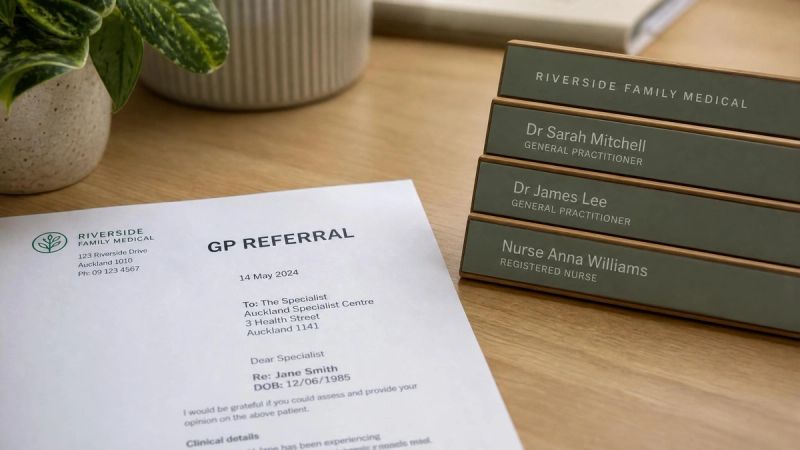
In Ireland, a diagnosis of ADHD in adults is usually made by a psychiatrist or a clinical psychologist with training in ADHD. Your GP cannot formally diagnose ADHD, but they are the usual first step. They can assess for other possible causes of your symptoms, such as thyroid problems, depression, anxiety, or sleep disorders, and refer you on if appropriate.
The HSE National Clinical Programme for ADHD in Adults was launched to improve access to assessment and treatment. It operates through specialist adult ADHD clinics linked to general adult mental health teams. Referrals typically come from GPs or mental health services. If you already attend a mental health team for another condition, that team can also screen you and refer you to the ADHD clinic.
Private assessments are carried out by psychiatrists or psychologists in independent practice. These can often be arranged more quickly, though they usually involve a significant out-of-pocket cost. ADHD Ireland maintains a list of clinicians who assess and treat adults with ADHD, which can be a useful starting point if you are considering the private route.
What Happens During an ADHD Assessment
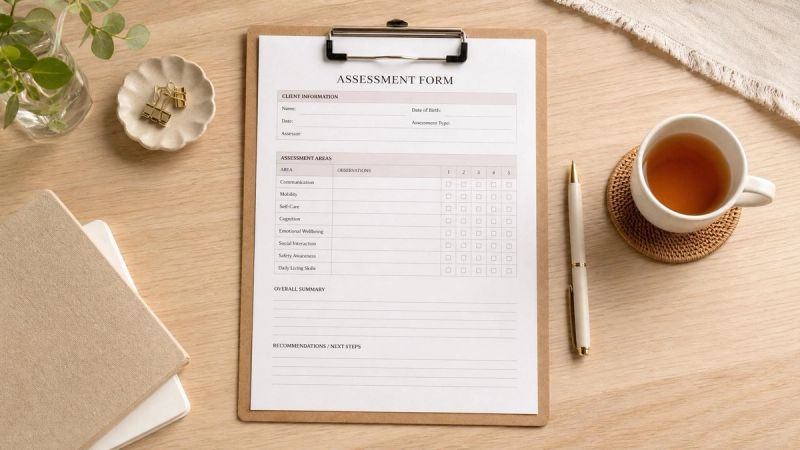
A proper adult ADHD assessment is not a quick online quiz. It is a structured clinical interview that usually takes one to two hours, sometimes across more than one appointment. The clinician will ask about your current symptoms, your childhood history, your school and work experiences, and how these difficulties affect your daily life.
You will usually be asked to complete rating scales or questionnaires. These might include the ASRS, the Adult ADHD Self-Report Scale, which screens for ADHD symptoms. The clinician may also ask for information from someone who knew you as a child, such as a parent or sibling, because ADHD symptoms must have been present before age twelve. School reports can be very helpful here.
The clinician will also look for other conditions that could explain your symptoms. Anxiety, depression, bipolar disorder, autism, sleep apnoea, and thyroid disorders can all mimic or overlap with ADHD. A careful assessment is important because the right treatment depends on the right diagnosis. As clinical psychologist Dr. Thomas E. Brown puts it, "ADHD is essentially a problem with the brain's management system, not a problem with knowing what to do."

Public vs Private Assessment Routes
The public route begins with your GP. If they agree that ADHD is a possibility, they refer you to your local general adult mental health team. That team will carry out an initial screening and, if appropriate, refer you to a specialist adult ADHD clinic. Under the HSE Model of Care launched in January 2021, these clinics are intended to operate in each mental health area.
The main advantage of the public route is cost. If you are eligible and accepted, the assessment and any follow-up treatment are free at the point of use. The disadvantage is waiting time. Demand far outstrips supply in many parts of the country, and waits of many months, or even longer, are common.
The private route involves contacting a psychiatrist or psychologist directly. You can often get an appointment within weeks, and the assessment process is broadly similar. The downside is cost, which is usually several hundred euros and is not always covered by health insurance. Some insurers do cover part of the cost under outpatient mental health benefits, so it is worth checking your policy.

How Long Does It Take to Get Diagnosed
There is no single answer. In the public system, waiting times vary widely depending on where you live and the current demand on services. Some people are seen within a few months. Others wait a year or more. The HSE continues to roll out additional adult ADHD clinics, but access remains uneven across the country.
Private assessments are usually much faster. You can often book an appointment within a few weeks, and some clinicians offer online assessments. If you need a diagnosis quickly, for example to access workplace accommodations or to start treatment, the private route may be the more practical option.
Research published in the Irish Journal of Psychological Medicine has highlighted the need to improve referral pathway efficiency for adult ADHD services in Ireland. The authors noted that clearer pathways and better screening at the GP level could reduce delays and help people get the right support sooner.

What If You Are Not Diagnosed
Not everyone who suspects they have ADHD receives a diagnosis. Sometimes the clinician concludes that another condition better explains the symptoms. Sometimes they identify traits of ADHD that do not quite meet the full diagnostic threshold. This can be disappointing, but it is still useful information.
If you are not diagnosed, ask the clinician for a clear explanation of their reasoning and what they recommend next. You may still benefit from therapy for anxiety, depression, or burnout. You may also be able to access coaching or workplace supports that address the specific difficulties you are experiencing, regardless of the label.
A diagnosis is a tool, not a destination. Whether or not you receive one, the goal is the same: to understand yourself better and to build a life that works for your brain.

How to Prepare for Your First Appointment
Preparation makes a real difference. Before your GP or assessment appointment, spend a few days jotting down specific examples of difficulties. Think about times when focus, organisation, impulsivity, or emotional sensitivity have caused problems at work, in relationships, or in daily tasks.
Gather any childhood evidence you can find. Old school reports, exam results, or notes from parents can be powerful. Many adults are surprised by how clearly their school records reflect inattention, even when teachers described them as bright but easily distracted.
It also helps to write down your questions. You might want to ask about waiting times, the assessment process, costs, what happens if the diagnosis is uncertain, and what support is available while you wait. Taking a list ensures you do not forget anything important in the moment.

Frequently Asked Questions
Do I need a referral from my GP?
For the public HSE pathway, yes. For private assessments, you can usually self-refer by contacting the clinician directly. Some private psychiatrists still prefer a GP referral, so it is worth checking their requirements.
What should I bring to an assessment?
Bring any school reports, previous mental health records, and a list of current medications. It can also help to write down examples of how your symptoms affect your work, relationships, and daily life. If possible, ask a parent or sibling to attend or provide information about your childhood.
Can I be assessed online?
Yes, many private clinicians offer online ADHD assessments for adults in Ireland. The HSE pathway is generally in-person, though some elements may be offered remotely depending on the clinic. Online therapy for ADHD is also available. You can read more in our guide to starting ADHD therapy online in Ireland.
Will a diagnosis affect my job or insurance?
A diagnosis itself should not affect your employment. In fact, it may help you access reasonable accommodations at work under disability equality legislation. Health insurance and life insurance applications can sometimes ask about mental health diagnoses, so it is worth understanding your obligations when answering those questions honestly.
For a complete overview of ADHD in adults in Ireland, including symptoms, diagnosis, treatment, and daily support, see our guide to ADHD in Adults Ireland: A Complete Guide.

What Comes Next
Waiting for an assessment can be one of the hardest parts. In the meantime, there is still plenty you can do. Learning about ADHD, connecting with peer support through ADHD Ireland, and experimenting with practical strategies can all help. Many people also find therapy useful while they wait, particularly if they are dealing with anxiety, low mood, or burnout.
If you are looking for support now, get matched with a therapist who understands adult ADHD in Ireland. You do not need to have a formal diagnosis to start learning skills that make daily life easier.
This article is for informational purposes only and does not constitute medical advice. If you are in crisis, please contact Samaritans Ireland at 116 123 or Pieta House at 1800 247 247.