Affordable Anxiety Support: Understanding Feel Better Therapy's Pricing

Transparent information about Feel Better Therapy's pricing for anxiety treatment, insurance coverage options, and making therapy financially accessible.
The decision to seek therapy for anxiety often collides with financial reality. Ireland's private therapy rates—typically €80-120 per session in Dublin, slightly less elsewhere—represent significant expenditure when treatment might require 12-16 sessions or more. For many Irish people experiencing anxiety, this cost creates a painful dilemma: prioritise mental health and strain already-stretched budgets, or continue struggling without professional support.
This tension feels particularly acute for anxiety sufferers because anxiety itself can amplify financial concerns. Generalised anxiety might include money worries among its themes. The cost of therapy becomes another source of anxiety, creating a circular trap where the condition you're seeking help for makes seeking help feel threatening.
Feel Better Therapy operates with explicit awareness of this reality. This guide explains our pricing structure for anxiety treatment, what factors influence the total investment, available options for managing costs, and how to evaluate whether therapy represents value for your specific situation. Transparency about costs serves everyone—helping you plan effectively and ensuring you can engage fully with treatment without underlying financial stress.
Understanding Standard Therapy Costs in Ireland
Before examining Feel Better Therapy specifically, context helps. Irish private therapy pricing varies based on location, modality, and practitioner experience.
Dublin city centre rates typically range from €90-150 per session for experienced therapists, with some highly specialised practitioners charging more. South Dublin suburbs (Dún Laoghaire, Blackrock, Rathmines) often match or exceed these rates. Cork and Galway see slightly lower ranges, typically €70-110. Rural areas might offer €60-90, though availability becomes sparser.
Modalities influence pricing: CBT, psychodynamic therapy, EMDR, and other approaches typically fall within similar ranges, though specialised trauma treatments sometimes command premiums. Online therapy has generally reduced costs slightly by eliminating overheads, though quality practitioners maintain rates reflecting their expertise regardless of delivery method.
Session frequency affects total investment: Weekly sessions represent standard treatment pacing, meaning a typical 12-session CBT course for anxiety spans three months and costs €720-1,800 at standard rates. This isn't an insignificant sum for most Irish households, particularly with current cost-of-living pressures.
Feel Better Therapy's Pricing Structure

Feel Better Therapy maintains competitive rates while ensuring our therapists—fully accredited, experienced professionals—receive fair compensation reflecting their expertise and training.
Standard anxiety therapy sessions cost €80 per 50-minute session. This rate applies across all our anxiety-specialist therapists regardless of specific modality (CBT, ACT, integrative approaches). We believe treatment efficacy depends on therapist-client fit and evidence-based practice rather than price tiering.
Initial consultation costs €80 and functions as a full assessment session rather than a brief screening. Your therapist explores your anxiety presentation, relevant history, treatment goals, and practical considerations. This thoroughness ensures subsequent sessions target appropriate interventions rather than spending weeks on assessment.
Session packages offer modest discounts for those able to commit upfront: 6-session packages reduce per-session cost to €75 (total €450), while 12-session packages reduce to €70 per session (total €840). These packages don't expire, allowing flexible pacing if you need breaks between sessions.
Factors Affecting Total Treatment Investment

While per-session rates provide starting points, total investment varies based on several factors within your control and some that aren't.
Anxiety severity and complexity influence duration. Mild, recent-onset generalised anxiety might resolve within 8-10 sessions. Panic disorder with agoraphobic avoidance, or anxiety complicated by depression or trauma, might require 16-20 sessions. Your therapist provides estimated timelines during initial consultation, updating these projections as treatment progresses.
Session frequency affects both pacing and total cost. Weekly sessions produce fastest results but highest short-term expenditure. Biweekly sessions reduce monthly costs while extending total treatment duration. Some clients prefer this pacing for budgetary reasons, accepting slower progress for improved affordability.
Between-session work completion dramatically influences total sessions needed. Clients who complete homework—thought records, behavioural experiments, exposure tasks—typically require fewer sessions than those who attend sessions passively. Therapy represents an investment where your engagement directly affects return.
Comorbid conditions sometimes require extended treatment. Anxiety co-occurring with depression, OCD, or eating disorders may need longer intervention than anxiety alone. Your therapist discusses this during assessment if relevant.
Making Therapy Financially Accessible

Feel Better Therapy offers several mechanisms for those concerned about affordability, recognising that cost shouldn't prevent necessary mental health support.
Sliding scale availability: A limited number of reduced-rate slots (€50-65) exist for those experiencing genuine financial hardship. These slots fill quickly and require brief financial assessment. We're transparent about limitations—demand exceeds supply—but maintain these options specifically for those who couldn't otherwise access therapy.
Student and unwaged rates: Full-time students and those receiving unemployment payments qualify for €60 sessions with any of our therapists. Verification (student ID, DEASP correspondence) confirms eligibility. This rate applies to the full treatment course, not just initial sessions.
Tax relief: Irish residents can claim tax relief on medical expenses including psychotherapy through Revenue's medical expenses claim. This provides 20% relief on qualifying costs, effectively reducing a €80 session to €64 after tax credit. We provide necessary receipts for claims.
Health insurance coverage: Many Irish health insurance policies cover psychotherapy, though coverage varies significantly between providers and plans. The following section explores insurance options in detail.
Insurance Coverage for Anxiety Therapy
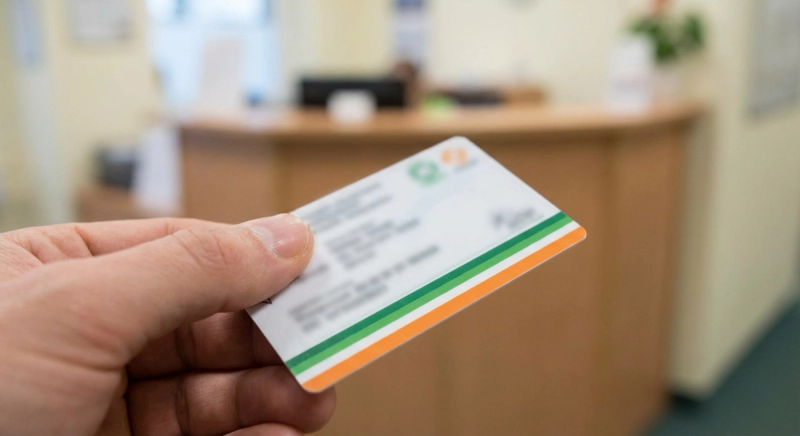
Private health insurance significantly reduces out-of-pocket therapy costs for many Irish people. Understanding your specific coverage prevents surprises and helps maximise benefits.
VHI offers mental health benefits across most plans, though coverage varies. Some plans cover 50-80% of session costs up to annual limits (typically €300-500). Their newer digital health plans sometimes include specific online therapy coverage. Checking your specific plan details matters—identical-sounding plans have different mental health provisions.
Laya Healthcare similarly includes mental health benefits, with coverage percentages and annual limits varying by plan tier. Their "Health and Wellbeing" benefit specifically includes counselling and psychotherapy. Some plans require GP referral for coverage; others allow self-referral.
Irish Life Health provides mental health benefits across most plans, typically covering 50% of costs up to annual limits. Their coverage sometimes specifically references IACP or ICP registered therapists—credentials all Feel Better Therapy practitioners hold.
GAA Health and other occupational schemes sometimes include counselling benefits members might not realise exist. If you have coverage through employment, professional associations, or union membership, investigating these benefits proves worthwhile.
We recommend contacting your insurer before beginning therapy to confirm: your specific mental health coverage, whether pre-authorisation is required, if GP referral is necessary, your annual limit, and how to submit claims. This clarity prevents unexpected expenses.
Evaluating Value: Is Therapy Worth the Investment?

The question isn't merely whether you can afford therapy, but whether therapy represents value given your specific situation. Several frameworks help this evaluation.
Cost of untreated anxiety: Anxiety carries substantial costs beyond suffering. Reduced work performance affects earnings potential. Avoidance limits career advancement. Relationship strain creates indirect costs. Sleep disruption affects health. When anxiety prevents you from functioning optimally, its cost exceeds therapy's price.
Cost per day of improved functioning: A 12-session CBT course at €80/session totals €960. Spread over a year of improved functioning, this represents €2.63 daily—less than a coffee. Over five years of maintained gains, the cost drops to 53 cents daily. This framing helps contextualise upfront investment against lasting benefit.
Productivity return: Research demonstrates anxiety treatment produces measurable productivity gains. For employed individuals, reduced absenteeism, improved concentration, and better decision-making often produce financial returns exceeding therapy costs. This "pays for itself" framing doesn't apply universally but warrants consideration.
Quality of life value: Not everything reduces to financial calculation. Sleep quality, relationship satisfaction, ability to enjoy leisure activities, freedom from constant worry—these improvements have value independent of economic returns. Therapy's worth includes these quality-of-life dimensions.
Practical Strategies for Managing Therapy Costs

Beyond Feel Better Therapy's specific pricing, several strategies help make anxiety treatment more affordable.
Prioritise evidence-based approaches: CBT for anxiety has stronger research support than less structured approaches, meaning fewer sessions typically achieve results. Choosing evidence-based treatment reduces total investment compared to open-ended exploratory therapy.
Commit to between-session work: Completing homework assignments accelerates progress, reducing total sessions needed. A client engaging fully with treatment might resolve anxiety in 10 sessions where passive attendance requires 16. The investment difference—€480—rewards engagement.
Consider group options where available: While Feel Better Therapy focuses on individual treatment, some providers offer CBT anxiety groups at reduced per-person rates. These suit those comfortable with group formats and seeking lower costs.
Combine brief therapy with bibliotherapy: Self-help books based on CBT principles, used alongside limited professional sessions, can extend therapeutic impact. Your therapist can recommend appropriate resources, and brief check-in sessions review progress and troubleshoot difficulties.
Making the Decision
The financial aspect of therapy deserves honest consideration without becoming paralysing. Several questions help decision-making:
Can you afford therapy without creating financial crisis? Therapy shouldn't cause missed rent payments or accumulated debt. If standard rates create genuine hardship, explore sliding scale options or consider brief intervention approaches rather than extended treatment.
Can you afford not to seek treatment? Untreated anxiety sometimes creates costs—missed work, damaged relationships, escalating symptoms—that exceed therapy investment. Sometimes "can't afford therapy" actually means "can't afford not to seek therapy."
What's your alternative plan? If therapy isn't currently feasible, what's your strategy for managing anxiety? Sometimes acknowledging that alternatives don't exist clarifies that therapy investment, while significant, represents the viable path forward.
Feel Better Therapy's consultation session provides opportunity to discuss costs openly with your prospective therapist. This conversation includes realistic estimates of likely treatment duration, exploration of options if finances concern you, and collaborative planning that respects both your mental health needs and financial reality.
Related Resources
Understanding therapy costs represents one aspect of accessing Feel Better Therapy's anxiety services. You might also find helpful:
- How Feel Better Therapy Matches You with the Right Anxiety Specialist — Understanding our process for ensuring your investment produces appropriate therapeutic outcomes
- CBT for Anxiety: What to Expect During Your Feel Better Therapy Sessions — Learning about the evidence-based approach that typically produces efficient results, maximising value from your investment
- Health Insurance Guide: Getting Your Anxiety Therapy Covered by VHI, Laya, and Irish Life — Detailed information about navigating insurance coverage to reduce out-of-pocket costs
Therapy represents an investment—in your wellbeing, your functioning, your future. Like any investment, it requires careful consideration of costs against benefits. Feel Better Therapy maintains transparent pricing precisely because we respect that this decision matters, both psychologically and financially.
The goal isn't merely treating anxiety but ensuring that accessing treatment doesn't create new sources of stress. Clear information, flexible options, and honest conversation about costs help you make informed decisions about your mental health care.