CBT Online: Why It's the Gold Standard for Irish Anxiety Support

Discover why Cognitive Behavioural Therapy (CBT) is the most effective treatment for anxiety in Ireland. Learn how online CBT works, what techniques are used, and how to find a qualified therapist.
Cognitive Behavioural Therapy has earned its reputation as the gold standard for anxiety treatment—and for good reason. Where other therapeutic approaches might explore childhood experiences or unconscious conflicts over months or years, CBT focuses squarely on the present moment, teaching practical skills that create measurable change. For Irish adults struggling with anxiety, online CBT offers something increasingly precious: evidence-based support that fits into busy lives without requiring travel to city centre consulting rooms.
Anxiety disorders are the most common mental health condition in Ireland, affecting an estimated one in nine adults at any given time. Generalised anxiety disorder, panic disorder, social anxiety, and specific phobias can transform everyday situations—work presentations, social gatherings, even leaving the house—into sources of genuine distress. The physical symptoms are equally debilitating: racing heart, shortness of breath, dizziness, and the overwhelming sense that something terrible is about to happen.
This article explores why CBT has become the treatment of choice for anxiety across Ireland's mental health services, how online delivery makes it more accessible than ever, and what you can realistically expect from the therapeutic process. Whether you're considering therapy for the first time or researching options for a loved one, understanding CBT's unique approach to anxiety can help you make an informed decision about your mental health care.
What Is CBT and Why Does It Work for Anxiety?
Cognitive Behavioural Therapy operates on a elegantly simple premise: our thoughts, feelings, and behaviours are interconnected, and changing one element can transform the others. For someone with anxiety, this model offers both explanation and hope. The racing thoughts about potential disasters fuel physical anxiety symptoms, which lead to avoidance behaviours, which reinforce the belief that situations are genuinely dangerous—and the cycle continues.
CBT interrupts this cycle by targeting each component systematically. The cognitive component examines the thoughts that precede anxiety, identifying cognitive distortions like catastrophising (assuming the worst will happen), mind reading (believing you know what others think), and all-or-nothing thinking. The behavioural component focuses on changing patterns of avoidance and safety behaviours that maintain anxiety over time.
What distinguishes CBT from other therapies is its structured, goal-oriented approach. Rather than open-ended exploration, CBT follows a collaborative process where therapist and client work as a team to identify specific problems, set measurable goals, and track progress. Sessions are typically weekly at first, lasting 50-60 minutes, with a clear agenda and homework assignments that extend the work between appointments.
Research consistently supports CBT's effectiveness for anxiety. Meta-analyses show that approximately 60-80% of people who complete a course of CBT experience significant symptom reduction, with many achieving full remission. These outcomes compare favourably to medication alone and tend to be more durable—skills learned in therapy continue to provide protection against relapse long after treatment ends.
The Core Techniques: Tools That Transform
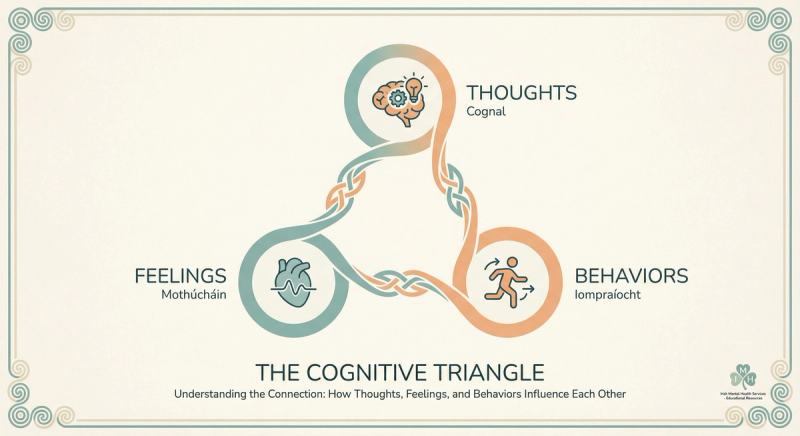
CBT for anxiety isn't a single technique but a toolkit of evidence-based strategies, each targeting different aspects of the anxiety experience. Understanding these techniques helps demystify the therapy process and highlights why online delivery works so effectively.
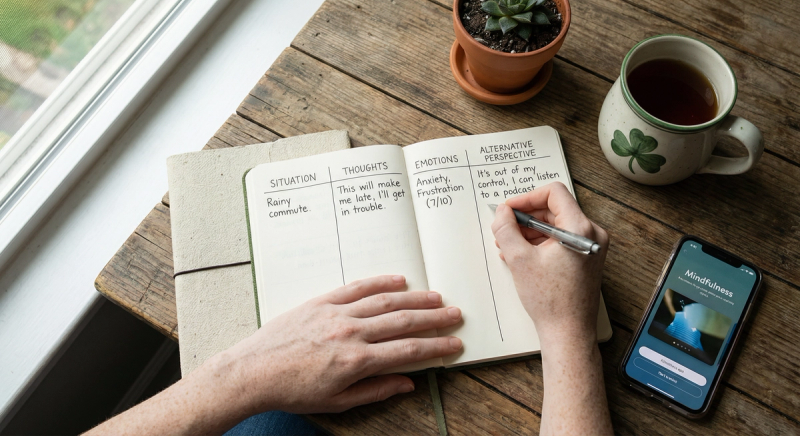
Cognitive restructuring forms the foundation of CBT's approach to anxious thinking. Through guided questioning and thought records, clients learn to identify automatic negative thoughts that trigger anxiety and evaluate them more objectively. A thought like "I'll make a fool of myself at this meeting" might be challenged by examining the evidence: has this happened before? What would I say to a friend with this worry? What's the most realistic outcome?
Behavioural experiments test the validity of anxious predictions through structured real-world experiences. Someone who believes that heart palpitations signal an impending heart attack might be encouraged to engage in physical activity while monitoring symptoms, discovering that the feared catastrophe doesn't occur. These experiments build confidence in a way that mere discussion cannot.
Exposure work addresses the avoidance that maintains anxiety disorders. Gradually and systematically facing feared situations—starting with manageable challenges and building toward more difficult ones—teaches the nervous system that these situations are survivable. For social anxiety, this might begin with brief conversations with shop assistants and progress to attending social events.
Relaxation and mindfulness techniques help manage the physiological arousal that accompanies anxiety. Deep breathing exercises, progressive muscle relaxation, and mindfulness meditation provide practical tools for reducing symptoms in the moment. While not sufficient alone for treating anxiety disorders, these skills complement the cognitive and behavioural work.
Online CBT: How Virtual Sessions Deliver Results
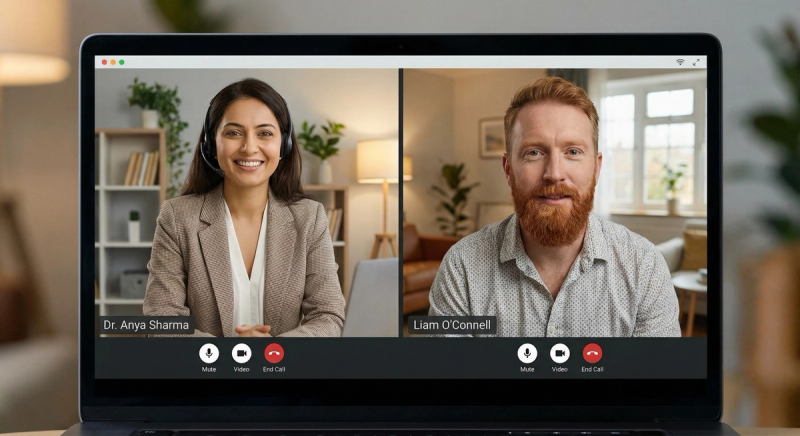
The shift to online therapy, accelerated by necessity during the pandemic, has proven remarkably effective for CBT delivery. Video sessions replicate the face-to-face therapeutic relationship while offering conveniences that actually enhance treatment outcomes for many clients.
Accessibility removes a major barrier. For people living outside Dublin, Cork, or Galway, finding an accredited CBT therapist previously meant lengthy travel or accepting less qualified local practitioners. Online therapy connects clients with specialists regardless of geography, ensuring that location doesn't determine the quality of care received.
Comfort and safety facilitate openness. Many people with anxiety find clinical settings intimidating. Discussing your deepest fears from the familiarity of your own home can reduce the initial anxiety about therapy itself, allowing you to engage more fully from the first session.
Technology enhances CBT techniques. Screen sharing makes reviewing thought records and worksheets collaborative and efficient. Digital whiteboards allow real-time cognitive restructuring exercises. Secure messaging between sessions provides support during difficult moments and accountability for homework completion.
Consistency improves outcomes. When sessions require only opening a laptop rather than navigating traffic and finding parking, attendance rates improve significantly. Consistency is crucial for CBT's effectiveness—missed appointments disrupt momentum and extend the overall treatment duration.
Research comparing online and in-person CBT for anxiety has found equivalent outcomes across numerous studies. A 2023 meta-analysis published in the Journal of Anxiety Disorders concluded that internet-delivered CBT produces "clinically meaningful improvements in anxiety symptoms" with effects maintained at follow-up assessments. For Irish adults considering their options, the evidence suggests that online CBT isn't a compromise—it's a legitimate, effective choice.
The Irish Context: Why Anxiety Is Rising and How CBT Helps
Ireland's mental health landscape has shifted dramatically over the past decade. The Health Service Executive reports increasing demand for anxiety-related services, with waiting lists for public mental health support stretching months or even years in some regions. Understanding why anxiety has become so prevalent helps contextualise the importance of accessible treatments like online CBT.
Economic uncertainty has taken a psychological toll. The housing crisis, cost of living pressures, and job market instability create genuine stressors that manifest as anxiety. CBT doesn't eliminate these external pressures, but it helps people develop more adaptive responses to them—reducing the secondary suffering that comes from catastrophic thinking about financial difficulties.
Social media and digital life have transformed how we relate to others and ourselves. The constant comparison, fear of missing out, and exposure to idealised lives triggers anxiety in vulnerable individuals. CBT techniques help clients develop healthier relationships with technology and challenge the distorted thinking that social media often amplifies.
Post-pandemic adjustment continues to affect mental health. The abrupt shifts in work patterns, social norms, and sense of safety have left many people struggling with social anxiety, health anxiety, or generalised worry. CBT provides structured support for processing these experiences and rebuilding confidence.
Reduced stigma means more people are seeking help. While this is undoubtedly positive, it also reveals the extent of anxiety's prevalence in Irish society. As conversations about mental health become normalised, the need for effective, accessible treatments becomes increasingly apparent.
What to Expect: The CBT Journey for Anxiety
Beginning CBT for anxiety follows a predictable structure that provides both reassurance and momentum. Understanding this process helps set realistic expectations and prepares you for active participation in your recovery.
Assessment and formulation typically occupy the first two sessions. Your therapist will gather detailed information about your anxiety history, current symptoms, and how they're affecting your life. Together, you'll develop a formulation—a shared understanding of how your anxiety developed and what maintains it. This formulation becomes the roadmap for treatment.
Psychoeducation explains the nature of anxiety and the CBT model. Understanding that anxiety is essentially a false alarm system—your body preparing for danger that doesn't exist—begins the process of relating to symptoms differently. You'll learn about the fight-or-flight response, the role of avoidance in maintaining anxiety, and why the strategies you're about to learn are effective.
Skills building forms the core of treatment. Session by session, you'll learn and practice cognitive techniques for managing worried thinking, behavioural strategies for facing feared situations, and physiological methods for calming the body. Each skill builds on the previous ones, creating a comprehensive approach to anxiety management.
Relapse prevention prepares you for maintaining gains after therapy ends. You'll identify potential future triggers, develop plans for managing setbacks, and consolidate the skills that have proven most effective for you. The goal isn't just feeling better now—it's staying better.
A typical course of CBT for anxiety ranges from 12 to 20 sessions, though this varies based on symptom severity and individual progress. Some people notice improvements within the first few weeks, while others require the full course to achieve lasting change. The key is consistent engagement with both sessions and between-session homework.
Finding the Right Online CBT Therapist in Ireland

Not all therapists offering CBT online are equally qualified, and choosing the right practitioner significantly affects your treatment experience and outcomes. Here's what to look for when selecting an online CBT therapist in Ireland.
Accreditation matters enormously. Look for therapists registered with the Irish Association for Counselling and Psychotherapy (IACP), the Irish Council for Psychotherapy (ICP), or the British Association for Behavioural and Cognitive Psychotherapies (BABCP). These organisations ensure practitioners have completed rigorous training and adhere to professional standards. The IACP maintains a searchable directory specifically for online therapy providers.
CBT-specific training indicates expertise in the approach. General counselling qualifications don't guarantee competence in CBT's structured techniques. Ask potential therapists about their specific CBT training, how they stay current with evidence-based practice, and what proportion of their caseload involves anxiety treatment.
Experience with your specific anxiety presentation enhances effectiveness. While CBT principles apply broadly, therapists who regularly treat panic disorder, social anxiety, or health anxiety develop specialised knowledge that benefits clients. Don't hesitate to ask about their experience with your particular concerns.
Personal fit affects engagement and outcomes. The therapeutic relationship remains important even in CBT's structured approach. During initial consultations, assess whether you feel heard, understood, and respected. A skilled CBT therapist balances warm support with appropriately challenging you to grow—too much of either compromises effectiveness.
Platform and technology should feel secure and user-friendly. Reputable online therapy platforms use encrypted video systems that comply with GDPR and Irish data protection requirements. Test the technology before committing to ensure reliable connections and adequate audio-visual quality.
Making the Decision: Is Online CBT Right for You?
Deciding to begin therapy—online or in-person—requires honest self-assessment. CBT for anxiety demands active participation, willingness to experience temporary discomfort during exposure work, and commitment to between-session practice. The rewards are substantial, but they're earned through effort rather than passively received.
CBT is likely a good fit if: your anxiety follows recognisable patterns, you're motivated to make changes, you can commit to regular sessions and homework, and you prefer structured, practical approaches over open-ended exploration. CBT works particularly well for people who appreciate clear goals and measurable progress.
You might need additional or alternative support if: your anxiety is accompanied by severe depression, active substance use, or complex trauma. These conditions don't rule out CBT but may require integrated treatment approaches or stabilisation before anxiety-specific work begins. A thorough assessment with a qualified practitioner will clarify the best path forward.
Online delivery suits you if: transportation or location presents barriers, your schedule makes in-person appointments difficult, you feel more comfortable in your own environment, or you prefer the convenience of accessing therapy from home. Many people find that online CBT integrates more sustainably into their lives.
The decision to seek help for anxiety is itself a significant step. It acknowledges that your wellbeing matters and that change is possible. CBT has helped thousands of Irish adults reclaim their lives from anxiety—and with online access now widely available, effective support is more accessible than ever. The question isn't whether you deserve to feel better. You do. The question is whether you're ready to begin.
Related Guides:
Related Guides:
This article is part of The Ultimate Guide to Online Therapy in Ireland — our comprehensive hub covering everything you need to know about virtual mental health support.
- **Depression Treatment Online: Finding Light in the Irish Winter** — Understanding online therapy for depression
- **From Burnout to Balance: Online Therapy for Irish Workplace Stress** — Managing professional overwhelm
- **How Much Does Online Therapy Cost in Ireland?** — Understanding pricing and budgeting