How Feel Better Therapy Matches You with the Right Anxiety Specialist

Discover Feel Better Therapy's unique 3-step matching process that takes the guesswork out of finding the right anxiety therapist in Ireland.
Finding the right therapist for anxiety shouldn't feel like another source of stress. Yet for many Irish people, the search itself becomes overwhelming—endless directories, unclear qualifications, and the paralysing uncertainty of whether you'll "click" with the person on the other side of the screen. At Feel Better Therapy, we eliminated this guesswork through a deliberate matching process designed specifically for anxiety treatment.
This guide explains how our three-step matching system works, why it produces better outcomes than random therapist selection, and what you can expect when you begin your journey with Anxiety Therapy Ireland: The Feel Better Therapy Way.
Why Therapist Matching Matters for Anxiety Treatment

Anxiety disorders manifest differently in each person. One client might experience primarily physical symptoms—racing heart, shortness of breath, persistent muscle tension—while another struggles with intrusive thoughts and catastrophic thinking patterns. A therapist skilled in panic disorder management may not be the optimal choice for someone with social anxiety, just as someone battling generalised anxiety requires different approaches than a person with specific phobias.
The research consistently shows that therapeutic alliance—the quality of connection between client and therapist—predicts outcomes more reliably than any specific treatment modality. A 2018 study in the Journal of Anxiety Disorders found that clients who felt "understood and accepted" by their therapists showed significantly greater anxiety reduction than those receiving identical interventions without that relational foundation.
Yet traditional therapy directories offer little guidance beyond basic filters like location and price. You might narrow a list to twenty therapists within your budget, but then what? The anxiety of choosing incorrectly often prevents people from choosing at all. We've seen this paralysis repeatedly: people spend months researching, comparing credentials, reading reviews, only to remain stuck in indecision while their symptoms persist.
The Feel Better Therapy Three-Step Matching Process
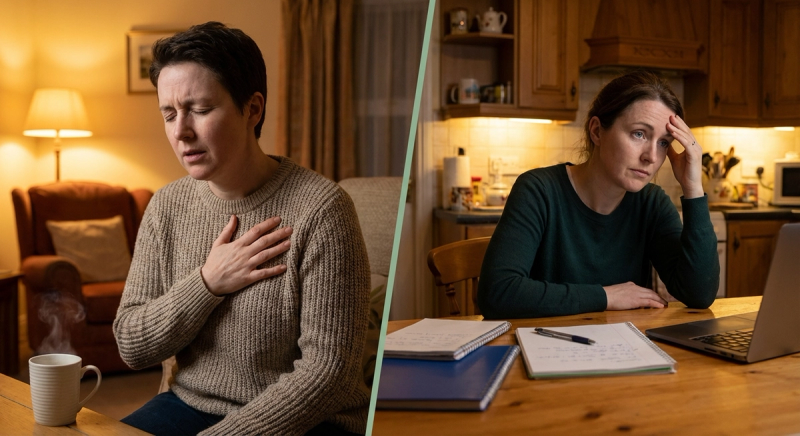
Our matching system evolved from recognising this specific pain point. Rather than asking anxious individuals to become amateur therapists—judging qualifications and treatment approaches they barely understand—we built a process that leverages clinical expertise from the first contact.
Step One: Understanding Your Specific Experience
When you complete our initial consultation form, we ask detailed questions about your anxiety presentation. This isn't generic intake paperwork. We want to know:
- When did your symptoms begin, and what triggers them?
- Are you experiencing panic attacks, and if so, how frequently?
- Do you avoid specific situations, places, or social interactions?
- How is anxiety affecting your sleep, work performance, and relationships?
- Have you tried therapy before, and what worked or didn't work?
- Do you have preferences regarding therapist gender, age, or approach?
This information creates a clinical profile that our matching team—qualified mental health professionals themselves—uses to identify the optimal therapeutic fit. We're not algorithmically pairing keywords; trained clinicians review your responses and consider which of our accredited therapists has the specific expertise and interpersonal style suited to your situation.
Step Two: Qualification and Specialisation Review
Every therapist in our network holds current accreditation with either the Irish Association for Counselling and Psychotherapy (IACP), the Irish Association of Humanistic and Integrative Psychotherapy (IAHIP), the Irish Council for Psychotherapy (ICP), or the Psychological Society of Ireland (PSI). But beyond this baseline qualification, our matching process considers specialisation depth.
For a client presenting with workplace anxiety and burnout, we might match with a therapist who has specific training in occupational stress and cognitive behavioural interventions. Someone struggling with social anxiety might be paired with a specialist in exposure therapy and social skills training. A parent experiencing postnatal anxiety would be matched with a therapist experienced in perinatal mental health.
This specialisation matching extends to therapeutic modality preferences. If you've previously benefited from structured, homework-oriented approaches, we prioritise CBT-trained therapists. If you prefer exploring root causes and childhood patterns, psychodynamic or integrative therapists feature more prominently in your match options.
Step Three: Beginning Your Therapy Journey
Once we've identified your optimal match, we facilitate your first therapy session at a time that suits your schedule. There's no lengthy wait—most clients begin within days of completing their consultation form.
Your first session focuses on establishing rapport and understanding your specific situation in depth. While the consultation form gives us an overview, this initial conversation allows your therapist to explore your anxiety presentation, history, and goals more thoroughly. Together, you'll discuss what you hope to achieve and begin outlining a treatment approach tailored to your needs.
This first session also addresses practical matters: session frequency, what to expect from your particular therapeutic approach, and how you'll communicate between sessions if needed. Your therapist explains their specific methodology and answers any questions you have about the process.
What Makes This Different From Directory Searching
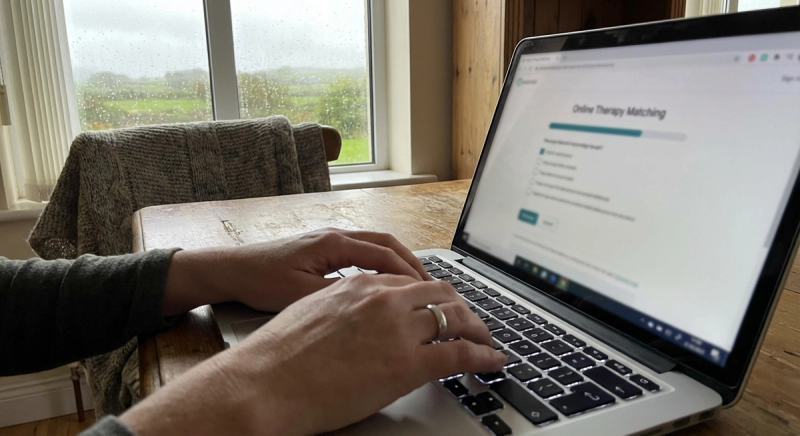
Traditional therapist directories present information asymmetry. You see credentials, specialisations listed, perhaps a photo and brief bio. But you're making a significant decision—committing emotionally and financially to a therapeutic relationship—based on minimal data that doesn't actually predict success.
Our matching process inverts this dynamic. Instead of you evaluating dozens of profiles from a position of limited knowledge, our clinical team evaluates you against the specific expertise available in our network. The matching isn't random or algorithmic; it's informed by professional judgment about what works for particular anxiety presentations.
Furthermore, because Feel Better Therapy maintains ongoing relationships with our network therapists, we understand their evolving specialisations, current availability, and even interpersonal nuances that wouldn't appear in a directory listing. A therapist might be technically qualified to treat anxiety while genuinely preferring to work with depression cases; our matching team knows these preferences and accounts for them.
The Irish Context: Why Local Matching Matters

Anxiety doesn't exist in a vacuum—it interacts with cultural context, economic pressures, and social expectations specific to your environment. For Irish clients, this context includes particular stressors that international therapy platforms often miss.
The housing crisis means many young adults lack private space for phone sessions, requiring therapists who understand the practical constraints of living with parents or housemates. The "fear of judgment" cultural tendency makes social anxiety particularly complex for Irish clients, requiring therapists attuned to these nuanced pressures. The cost of living crisis creates guilt around spending money on mental health, demanding therapists who can articulate the value proposition clearly.
Our matching process specifically considers these Irish contextual factors. When a Dublin tech worker reports workplace anxiety, we match with therapists who understand the specific pressures of the Irish tech sector—burnout cultures, performance review anxieties, the particular isolation of remote work. When a rural client expresses concerns about privacy and neighbour awareness, we prioritise therapists experienced in helping clients navigate small-community dynamics.
This local expertise represents a significant advantage over international platforms offering "anxiety therapy" without cultural grounding. You could receive CBT from a qualified therapist based anywhere—but receiving CBT from someone who understands that your panic attacks spike during GAA match social obligations, or that your generalised anxiety intensifies around mortgage renewal periods, produces measurably better outcomes.
From Matching to Treatment: What Happens Next

Successful matching represents only the beginning. After your first session establishes rapport, you and your matched therapist collaboratively develop a treatment plan specific to your anxiety presentation.
This planning addresses:
Frequency and duration: Most anxiety treatment begins with weekly sessions, though some clients prefer fortnightly scheduling. Your therapist recommends an initial commitment—typically 8-12 sessions—while emphasising that treatment continues only as long as it remains beneficial.
Modality approach: Whether you're receiving CBT, psychodynamic therapy, integrative counselling, or another evidence-based approach, your therapist explains the theoretical framework and what techniques you'll specifically employ.
Between-session support: Many anxiety presentations benefit from homework exercises, thought records, or grounding technique practice. Your therapist clarifies what supplementary work supports your sessions.
Progress measurement: Effective anxiety treatment tracks outcomes. Your therapist establishes how you'll measure improvement—perhaps through standardized anxiety inventories, self-reported symptom tracking, or behavioural milestone achievement.
Crisis protocols: For clients experiencing panic attacks or acute anxiety episodes, your therapist establishes what support exists between sessions—whether that's brief check-in messages, emergency contact protocols, or specific coping strategies to employ independently.
When Matching Requires Adjustment

No matching process is infallible. Sometimes the clinical assessment suggests one therapeutic approach, but the first session reveals interpersonal chemistry that isn't optimal. Sometimes anxiety itself evolves—what began as generalised anxiety reveals underlying trauma that requires different expertise.
Feel Better Therapy accounts for this possibility. If your matched therapist isn't the right fit after several sessions, we rematch without additional consultation fees. This isn't failure; it's the matching process working correctly, gathering data we couldn't access initially and applying it to refine the therapeutic pairing.
Similarly, if your anxiety treatment reveals additional needs—perhaps relationship difficulties requiring couples therapy alongside individual anxiety work, or ADHD symptoms that complicate your presentation—we can expand your care coordination through our network's integrated specialisations.
Taking the First Step
The matching process begins with a single action: completing our consultation form. This isn't a commitment to treatment—it's simply gathering the information our clinical team needs to identify your optimal therapeutic match.
For many anxious clients, completing this form represents the hardest step. The form itself triggers anxiety: What if I'm not "bad enough" to deserve help? What if I describe my symptoms wrong? What if there isn't a therapist who can help me?
These anxieties are normal, and they're exactly why we built the matching process. You don't need to diagnose yourself, choose the right therapeutic approach, or evaluate credentials. You simply need to describe your experience honestly, and our clinical team handles the expertise-based matching from there.
The therapists in our network chose this work specifically because they understand anxiety—professionally through training, personally through the universal human experience of worry and fear. Your matched therapist won't be surprised by your symptoms, judgmental about your struggles, or uncertain how to help. They've treated hundreds of anxious clients with presentations similar to yours, and they bring that accumulated expertise to your specific situation.
Related Resources
Understanding the matching process represents just one aspect of beginning anxiety treatment. You might also be interested in:
- CBT for Anxiety: What to Expect During Your Feel Better Therapy Sessions — A detailed guide to cognitive behavioural therapy, the most common and evidence-based approach for anxiety treatment
- Why Feel Better Therapy Chooses Only Fully Accredited Irish Therapists — Understanding the IACP, IAHIP, ICP, and PSI accreditation standards that ensure your therapist's qualifications
- Affordable Anxiety Support: Understanding Feel Better Therapy's Pricing — Transparent breakdown of session costs, insurance coverage, and making therapy financially sustainable
Anxiety convinces you that help is complicated, expensive, or unlikely to work. The matching process exists to counter these specific anxieties—transforming the search for help from an overwhelming burden into a simple, supported first step.
Your matched therapist is waiting. The only question remaining is whether you'll let us introduce you.