The Best Online Therapy for ADHD: Navigating Neurodivergence in Ireland

Discover how online therapy supports Irish adults with ADHD. Learn about ADHD coaching, CBT adaptations, medication management, and workplace accommodations for neurodivergence.
Attention Deficit Hyperactivity Disorder affects an estimated 5% of Irish adults, yet many remain undiagnosed or unsupported well into their thirties, forties, and beyond. For those navigating neurodivergence in a world designed for neurotypical brains, finding appropriate therapeutic support can feel like an impossible puzzle.
Online therapy has emerged as a particularly effective format for ADHD treatment. The flexibility accommodates executive function difficulties that make traditional appointments challenging. The digital environment leverages tools—screen sharing, collaborative documents, digital planners—that enhance therapeutic work. And the privacy of home sessions removes the sensory and social overwhelm that often accompanies clinical settings.
This guide explores how online therapy specifically serves Irish adults with ADHD, what therapeutic approaches work best, and how to find practitioners who genuinely understand neurodivergence rather than treating it as an afterthought.
Understanding Adult ADHD: Beyond Childhood Misconceptions
ADHD was once considered exclusively a childhood condition, something you grew out of by adolescence. We now know this was profoundly wrong. Adult ADHD is real, prevalent, and significantly underdiagnosed in Ireland, particularly among women who were historically overlooked because their symptoms presented differently than the hyperactive boys who dominated early research.
The three presentations of ADHD each manifest differently in adults. The predominantly inattentive type—often missed in childhood—shows up as chronic disorganisation, difficulty maintaining focus on mundane tasks, losing items constantly, and struggling to complete projects. The predominantly hyperactive-impulsive type involves restlessness, impulsive decisions, interrupting others, and difficulty with delayed gratification. The combined type, most common, features elements of both.
Adult ADHD impacts every domain of life. Professionally, it may mean missed deadlines, forgotten meetings, or brilliant ideas that never reach completion. In relationships, it can manifest as forgotten commitments, emotional reactivity, or appearing disinterested when actually overwhelmed. Daily life becomes a series of small crises: unpaid bills, expired food, lost keys, the overwhelming sense that everyone else manages these basic tasks more easily than you do.
The Irish context adds specific challenges. Our healthcare system has been slow to recognise adult ADHD, meaning many Irish adults reached their thirties or forties before diagnosis became available. Cultural attitudes toward mental health mean many were told they were lazy, stupid, or not trying hard enough—messages that created deep shame and secondary mental health difficulties. Accessing appropriate support requires navigating a system that still primarily focuses on childhood ADHD.
Why Online Therapy Suits ADHD Brains
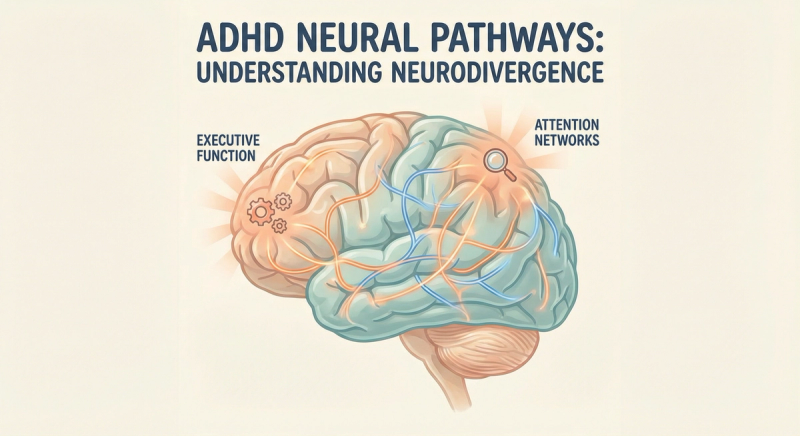
Traditional therapy environments present specific challenges for people with ADHD. The requirement to arrive at a specific place at a specific time, to sit still for fifty minutes, to remember what was discussed last week—all these elements conflict with core ADHD difficulties. Online therapy removes or mitigates many of these barriers.
Reduced executive function demands make attendance more consistent. No travel means no planning routes, no accounting for traffic, no finding parking. Sessions happen in your own space, removing the transition difficulties that often derail good intentions. The reduced friction between "I should go to therapy" and actually attending means more consistent engagement.
Sensory comfort improves focus and participation. Clinical environments can be overwhelming—harsh lighting, unfamiliar smells, uncomfortable furniture. Your own home offers control over sensory input. You can fidget, pace, or change position without worrying about appearing rude. Many ADHD adults find they can access deeper emotional content when physically comfortable.
Digital tools enhance therapeutic work in ways specific to ADHD needs. Screen sharing lets therapist and client review calendars, task lists, or planning systems together. Collaborative documents allow real-time note-taking and strategy development. Digital planners and reminder systems can be configured during sessions, with the therapist observing and coaching the process.
Immediate application bridges the gap between insight and action. Discussing organisational strategies in session, then immediately implementing them in your actual environment, creates powerful learning opportunities. Your therapist can virtually tour your workspace, see your systems (or lack thereof), and offer contextual advice rather than generic suggestions.
Evidence-Based Approaches for Online ADHD Treatment

Effective ADHD therapy online requires specific adaptations. Not all therapeutic modalities translate equally well to video format, and not all therapists understand neurodivergence sufficiently to be helpful. Here's what works.
ADHD Coaching differs from traditional therapy in focusing specifically on practical functioning rather than emotional processing. Coaches work with clients to develop systems for organisation, time management, task initiation, and follow-through. Online coaching works exceptionally well because sessions can directly address the client's actual digital and physical environment. The coach observes the client's systems in real-time and offers immediate adjustments.
Cognitive Behavioural Therapy adapted for ADHD addresses the specific thought patterns common in neurodivergent adults. These include all-or-nothing thinking ("I forgot one task, so I'm a complete failure"), emotional reasoning ("I feel overwhelmed, therefore I cannot do this"), and catastrophising about organisational failures. CBT also tackles the shame and low self-esteem that develop from years of being told you're not trying hard enough.
Dialectical Behaviour Therapy skills offer concrete tools for emotional regulation and distress tolerance—areas where many ADHD adults struggle. The mindfulness component, adapted appropriately, helps with attention regulation. The interpersonal effectiveness module addresses relationship difficulties common in ADHD. Online DBT skills groups have shown particular effectiveness for ADHD adults who find in-person groups overstimulating.
Schema Therapy addresses the deep emotional wounds created by growing up with undiagnosed ADHD. Many ADHD adults developed maladaptive schemas—fundamental beliefs about themselves and the world—based on chronic criticism, failure experiences, and feeling fundamentally different. Schema work helps identify and heal these core wounds, often more effectively than approaches that focus solely on present-moment coping.
Finding an ADHD-Informed Therapist in Ireland
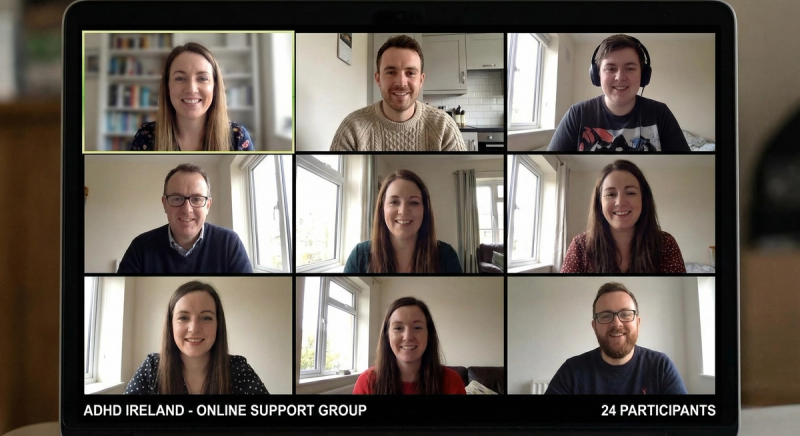
Not every therapist who lists "ADHD" on their profile truly understands adult neurodivergence. Finding someone with specific expertise requires asking the right questions.
Direct experience with adult ADHD should be your first criterion. Ask how many adult ADHD clients they've worked with, what specific approaches they use, and how they adapt their methods for neurodivergent brains. Be wary of therapists who treat ADHD like depression or anxiety—similar symptoms require fundamentally different interventions.
Understanding of executive function indicates genuine ADHD expertise. Your therapist should comfortably discuss working memory, task initiation, emotional regulation, and cognitive flexibility. They should understand that ADHD is not a knowledge deficit—you know what you should do, but struggle with implementation.
Practical focus distinguishes ADHD-appropriate therapy from general counselling. While emotional processing matters, effective ADHD therapy spends significant time on concrete strategies, systems, and skills. If sessions feel like pleasant conversations without practical takeaways, you may need a different approach.
Flexibility in session structure accommodates ADHD needs. Rigid fifty-minute sessions may not serve you best. Some ADHD clients benefit from shorter, more frequent check-ins. Others need longer sessions to accommodate tangential but important discussions. A therapist experienced with ADHD will adapt their format rather than forcing you into a standard mould.
Ireland-specific considerations include whether the therapist understands Irish healthcare navigation, workplace accommodations available under Irish employment law, and educational support systems for those in college or returning to education. The Irish ADHD landscape differs from the American or British contexts often dominating online resources.
Medication, Therapy, and Combined Treatment

For many adults with ADHD, optimal treatment involves both medication and therapy. Understanding how these interact helps you advocate for appropriate care.
Medication management often falls to GPs or psychiatrists, but therapy supports this process. Medication can provide the neurological foundation—improved focus, reduced impulsivity, better emotional regulation—but therapy builds the life skills and systems that medication alone cannot create. Your therapist should collaborate with your prescriber, with your consent, to provide integrated care.
Stimulant medication remains the first-line treatment for most adults with ADHD. These medications, properly prescribed and monitored, are safe and effective for the majority. However, access through Irish public healthcare remains challenging, with many adults paying privately for assessment and ongoing prescriptions. Your therapist can support you through this process, helping document symptoms and treatment needs.
Non-stimulant options exist for those who cannot tolerate stimulants or have contraindications. These medications work differently and may suit some adults better. Therapy can help monitor effectiveness and manage any side effects or adjustments.
Therapy-only approaches suit some adults, particularly those with milder symptoms, those who prefer not to use medication, or those navigating pregnancy or other contraindications. Intensive coaching and skills-based therapy can create significant improvement without pharmaceutical intervention.
Workplace Accommodations and Legal Rights
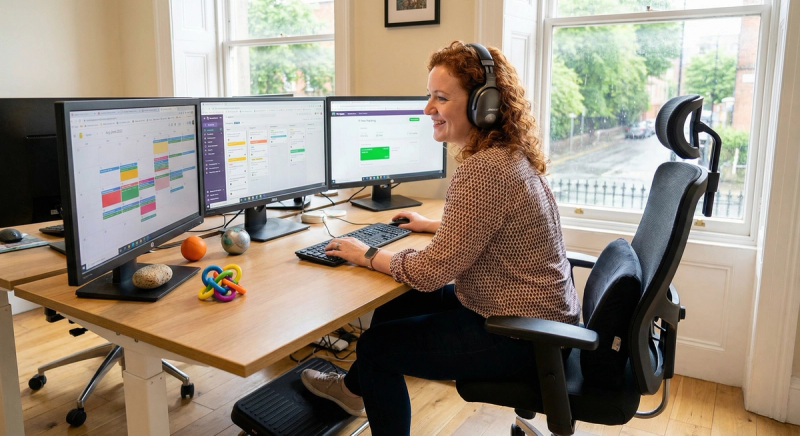
Irish employment law provides specific protections for employees with ADHD, though awareness remains low. Understanding your rights helps you advocate for appropriate workplace support.
The Employment Equality Act prohibits discrimination based on disability, which includes ADHD when it substantially affects daily functioning. You're not required to disclose your diagnosis, but doing so triggers entitlement to reasonable accommodations.
Reasonable accommodations for ADHD might include flexible working hours (accommodating focus fluctuations), written summaries of verbal instructions, permission to use noise-cancelling headphones, a workspace with reduced distractions, or the option to work from home part-time. Your employer must consider these requests seriously, though they can refuse if accommodations would cause disproportionate burden.
Disclosure decisions are personal and situational. Some ADHD adults find disclosure brings understanding and support; others experience subtle discrimination or career limitation. Your therapist can help you weigh this decision, practice disclosure conversations, and handle any negative responses.
Occupational health assessments may be requested by employers when ADHD affects work performance. These assessments, conducted by occupational health physicians or psychologists, should focus on identifying accommodations rather than determining fitness for work. Your therapist can provide supporting documentation and prepare you for these assessments.
Building Systems That Work for Your Brain
The organisational systems that work for neurotypical people often fail ADHD adults. Creating sustainable structures requires understanding your specific neurodivergence and designing around it rather than fighting against it.
Externalising working memory is fundamental. Your brain struggles to hold information, so systems must capture everything externally. This means calendars for time, lists for tasks, designated spots for physical items, and automated reminders for anything time-sensitive. The goal is reducing the cognitive load of simply remembering what needs doing.
Body-doubling and accountability leverage social engagement for motivation. Many ADHD adults struggle to start tasks alone but complete them easily with another person present—even virtually. Online therapy can incorporate body-doubling for difficult tasks, with your therapist present via video while you tackle organisation projects.
Interest-based nervous system means motivation follows engagement, not importance. Traditional advice—"do the most important task first"—often fails because importance doesn't generate ADHD motivation. Instead, build systems that create interest, novelty, urgency, or external accountability around necessary tasks.
Emotional regulation strategies address the emotional intensity common in ADHD. Rejection sensitivity, frustration intolerance, and mood reactivity respond to specific CBT and DBT skills. Online therapy provides real-time coaching in using these skills when emotionally activated.
Self-compassion interrupts the shame spiral. Years of criticism create harsh internal dialogue that worsens ADHD difficulties. Therapy specifically addresses this shame, replacing self-attack with understanding. You have a neurobiological difference, not a character flaw.
Taking the First Step: Accessing Assessment and Support
If you suspect you have ADHD, or have been diagnosed and need support, the path forward involves several steps. Understanding this journey helps you navigate it effectively.
Adult ADHD assessment in Ireland typically involves psychiatrists or clinical psychologists with specific expertise. The process includes detailed history-taking, symptom rating scales, and ruling out alternative explanations. Private assessment is often faster than public routes, though costs range from €500-€1,500. Some health insurance plans cover assessment costs—check your specific policy.
Post-diagnosis support varies significantly. A diagnosis without appropriate follow-up leaves you with information but no tools. Ideally, assessment should connect you with prescribing services (if medication appropriate), therapeutic support, and potentially ADHD coaching.
Online therapy accessibility means geography need not limit your options. While in-person services concentrate in Dublin, Cork, and Galway, online therapy connects you with ADHD specialists regardless of location. This is particularly valuable given the limited number of adult ADHD specialists in Ireland.
Peer support complements professional treatment. Online ADHD communities, both Irish and international, provide understanding that even well-meaning neurotypical friends and family cannot offer. Your therapist can help you find appropriate communities and navigate any challenges they present.
The journey with ADHD is not about becoming neurotypical—it's about understanding your brain, building systems that work with rather than against your neurology, and healing the shame created by a world that didn't understand you. Online therapy offers accessible, effective support for this journey, connecting you with expertise that can transform how you live with ADHD.
Related Guides:
Related Guides:
This article is part of The Ultimate Guide to Online Therapy in Ireland — our comprehensive hub covering everything you need to know about virtual mental health support.
- **CBT Online: Why It's the Gold Standard** — Effective approaches for anxiety
- **Online Couples Therapy: Strengthening Irish Relationships** — Relationship support
- **Depression Treatment Online** — Online therapy for depression