Panic Attack Relief: Rapid Tools Provided by Feel Better Therapy Experts

Learn immediate relief techniques for panic attacks and longer-term strategies for reducing panic frequency with Feel Better Therapy's expert support.
The chest tightness begins without warning. You're sitting at your desk, walking through Stephen's Green, lying in bed—ordinary moments suddenly hijacked by physiological chaos. Heart racing. Shortness of breath. Dizziness that makes standing feel dangerous. The thought surfaces immediately, terrifyingly: "I'm having a heart attack." Or: "I'm losing my mind."
Panic attacks represent anxiety at its most acute and disorienting. Unlike generalised anxiety's chronic worry, panic arrives suddenly, peaks within minutes, and creates such intense physical symptoms that medical emergencies seem imminent. Many Irish sufferers present at A&E departments multiple times before receiving accurate anxiety diagnoses—understandable when chest pain and breathlessness suggest cardiac events.
This guide explains what panic attacks actually are, why they feel so catastrophic, and the specific tools Feel Better Therapy provides for managing acute episodes. We'll cover immediate relief techniques you can use during an attack, longer-term strategies for reducing frequency and intensity, and when professional support becomes essential.
What Panic Attacks Actually Are (And Aren't)
Understanding panic's physiology helps reduce its terror. Panic attacks represent your body's alarm system misfiring—activating the sympathetic nervous system's fight-or-flight response without genuine threat. This misfiring feels dangerous precisely because it mimics genuinely dangerous conditions.
The symptoms—racing heart, rapid breathing, sweating, trembling, chest discomfort, nausea, dizziness, feelings of unreality—reflect adrenaline flooding your system. Your body prepares for emergency action: diverting blood to muscles, increasing oxygen intake, heightening alertness. These responses save lives during actual emergencies. During panic, they occur inappropriately, creating distress without danger.
Crucially, panic attacks cannot cause heart attacks, strokes, or fainting in otherwise healthy individuals. The physiological cascade peaks and resolves naturally—typically within 10-20 minutes—regardless of intervention. This knowledge doesn't eliminate panic's unpleasantness, but it challenges catastrophic interpretations that intensify episodes.
Panic disorder develops when fear of future attacks creates anticipatory anxiety and avoidance patterns. You start avoiding situations where attacks occurred, where escape feels difficult, or where help seems unavailable. This avoidance paradoxically increases panic frequency by preventing the natural habituation that occurs when panic happens without catastrophe.
Immediate Relief: Tools for Active Panic
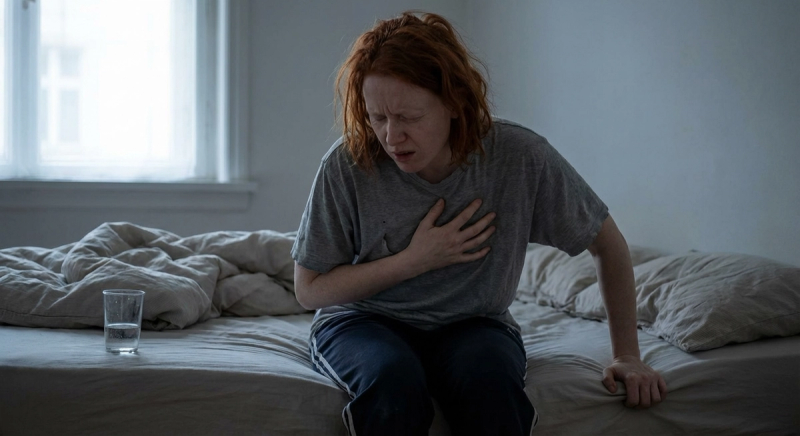
When panic strikes, specific techniques reduce symptom intensity and duration. Feel Better Therapy teaches these methods systematically, ensuring you can deploy them effectively during actual episodes.
Controlled breathing breaks the hyperventilation cycle: Panic causes rapid, shallow breathing that reduces carbon dioxide levels, producing dizziness, tingling, and chest tightness—symptoms that then fuel further panic. Diaphragmatic breathing interrupts this cycle. Breathe in slowly through your nose for four counts, hold briefly, exhale slowly through pursed lips for six counts. This pattern restores normal carbon dioxide levels and activates the parasympathetic nervous system's calming response.
The 5-4-3-2-1 grounding technique reduces dissociation: Panic often includes derealisation or depersonalisation—feeling disconnected from your surroundings or yourself. Grounding reconnects you to present reality. Identify five things you see, four you can touch, three you hear, two you smell, and one you taste. This sensory focus interrupts panic's cognitive spiral.
Temperature change activates the dive reflex: Splashing cold water on your face or holding an ice cube triggers the mammalian dive reflex, slowing heart rate and activating calming parasympathetic responses. This physiological intervention works faster than cognitive techniques during acute panic.
Paradoxical acceptance reduces struggle: Fighting panic intensifies it. Accepting the experience—"This is panic. It's uncomfortable but not dangerous. It will pass"—reduces the secondary anxiety about having anxiety that amplifies symptoms. This acceptance isn't resignation; it's strategic reduction of panic-fueling resistance.
Progressive muscle relaxation interrupts tension: Systematically tensing then releasing muscle groups—starting with feet, progressing upward—reduces the physical tension that accompanies and maintains panic. Many clients find this particularly helpful for nocturnal panic attacks that disrupt sleep.
Between Attacks: Reducing Frequency and Intensity

While immediate techniques manage acute episodes, longer-term strategies reduce how often panic occurs and how severely it manifests when it does.
Interoceptive exposure prevents fear of bodily sensations: Many people with panic disorder develop fear of normal physiological variations—heart rate increases during exercise, breathlessness climbing stairs, dizziness standing quickly. Interoceptive exposure deliberately induces these sensations in safe contexts, building tolerance and preventing them from triggering full panic. Your therapist guides you through exercises like spinning, breathing through a straw, or holding your breath—activities that create controlled physical sensations you learn to tolerate.
Cognitive restructuring addresses catastrophic misinterpretation: Panic persists partly because of beliefs about its meaning—"This means I'm dying," "I'm going crazy," "I'll lose control." Therapy examines these beliefs' accuracy, developing alternative interpretations: "This is anxiety. It's unpleasant but temporary. I've survived this before." Repeated practice reduces the automatic catastrophic thinking that escalates normal sensations into panic.
Lifestyle factors influence vulnerability: Sleep deprivation, excessive caffeine, alcohol withdrawal, and irregular meals increase panic susceptibility. Your therapist helps identify modifiable factors in your specific situation—not as cure-alls, but as foundations that make other interventions more effective.
In vivo exposure breaks avoidance patterns: Avoiding feared situations—public transport, crowded shops, motorway driving—provides temporary relief but maintains panic disorder. Gradual, systematic exposure to these situations, undertaken with therapeutic support, breaks the avoidance cycle and builds confidence in your capacity to manage anxiety in challenging contexts.
The Role of Medication

While this guide focuses on psychological interventions, medication sometimes plays a role in panic disorder treatment. Understanding this role helps informed decision-making.
Benzodiazepines provide acute relief: Medications like Xanax or Valium effectively reduce panic symptoms quickly. However, they carry dependence risk and don't address underlying panic disorder. Most psychiatrists recommend them only for short-term crisis management or specific feared situations, not regular use.
SSRIs and SNRIs reduce panic vulnerability: Antidepressants including sertraline, escitalopram, and venlafaxine reduce panic frequency and intensity when taken regularly. They don't work immediately—typically requiring 4-6 weeks for full effect—but provide foundation stability that makes psychological interventions more effective.
Medication decisions require medical consultation: Your Feel Better Therapy therapist can discuss medication options with you and, if appropriate, refer you to a psychiatrist for evaluation. Many clients benefit from combined medication and therapy approaches, particularly when panic severely limits functioning.
How Feel Better Therapy Supports Panic Disorder Treatment
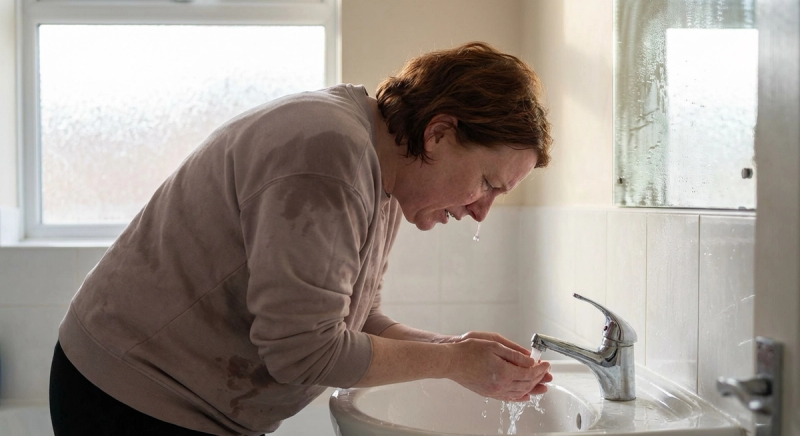
Online therapy provides particular advantages for panic disorder treatment—advantages that address common barriers to effective care.
Accessibility during crisis: Panic attacks don't respect business hours. Online therapy's scheduling flexibility means you can access support when panic feels most pressing—whether that's early morning after a nocturnal episode, during lunch breaks when anticipatory anxiety builds, or evenings when reflection becomes possible.
Therapist expertise in panic-specific protocols: Not all therapists specialise in panic disorder. Feel Better Therapy's matching process ensures you're paired with clinicians experienced in panic-specific CBT protocols, who understand the condition's physiology and effective interventions beyond general anxiety treatment.
Exposure support in real contexts: Between-session work involves facing feared situations in your actual environment—taking the DART, attending crowded GAA matches, driving on motorways. Your therapist helps plan these exposures, supports you through them, and processes experiences afterward. Online format means this support happens where you are, not in a clinic removed from your daily challenges.
Relapse prevention planning: Panic disorder often follows a relapsing-remitting course. Your therapist develops specific plans for managing future episodes, recognising early warning signs, and accessing support if panic returns after successful treatment.
When to Seek Emergency Help

Panic attacks, while intensely unpleasant, don't cause medical emergencies in healthy individuals. However, certain situations warrant immediate medical evaluation rather than anxiety management techniques.
First episode: If you've never experienced these symptoms before, initial presentation at A&E or GP out-of-hours services is appropriate to rule out cardiac, neurological, or metabolic causes. Once physical causes are excluded, subsequent episodes can be managed as panic.
Cardiac risk factors: If you have known heart disease, significant cardiac risk factors, or symptoms that differ from your typical panic presentation—different location of chest pain, pain radiating to arm or jaw, prolonged rather than episodic symptoms—seek medical evaluation.
Suicidal ideation: Panic disorder increases suicide risk, particularly when combined with depression. If panic attacks trigger thoughts of self-harm, access emergency services immediately through your GP, A&E, or Samaritans at 116 123.
What to Expect from Treatment

Effective panic disorder treatment produces substantial, lasting improvement. Understanding typical trajectories helps set realistic expectations.
Early sessions focus on psychoeducation and immediate symptom management. You learn panic's physiology, practice acute relief techniques, and establish safety behaviors that reduce episode intensity. Many clients experience some symptom reduction simply from understanding what's happening in their bodies.
Middle sessions emphasise interoceptive and in vivo exposure—systematically facing feared sensations and situations. This phase often feels challenging as you're deliberately approaching what you've been avoiding. The discomfort is temporary and necessary for lasting change.
Later sessions consolidate gains, address any remaining avoidance, and develop relapse prevention strategies. You learn to manage occasional future episodes without panic about panic returning.
Most clients experience significant improvement within 12-16 sessions, though individual variation exists. Some achieve remission—no panic attacks for extended periods—while others experience reduced frequency and intensity that no longer significantly impacts functioning.
Related Resources
Panic disorder treatment connects to broader Feel Better Therapy anxiety services. You might also find helpful:
- How Feel Better Therapy Matches You with the Right Anxiety Specialist — Our process for pairing you with a therapist experienced specifically in panic disorder
- CBT for Anxiety: What to Expect During Your Feel Better Therapy Sessions — Understanding the evidence-based approach particularly effective for panic
- Social Anxiety & The Irish 'Fear of Judgement': How Online Therapy Helps — For those whose panic includes social situations or fear of embarrassment during attacks
Panic attacks feel catastrophic but respond excellently to appropriate treatment. The same intensity that makes them terrifying also means they resolve quickly—the adrenaline surge dissipates, symptoms fade, normal functioning returns. Treatment teaches you to ride these waves rather than drowning in them, transforming panic from life-altering disability to manageable inconvenience.
Feel Better Therapy's online services bring effective panic disorder treatment to wherever you are—your home, your office, the quiet space where you need support most. The help you need, accessible when panic feels most overwhelming.