Parental Anxiety in Ireland: How Online Therapy Supports Moms and Dads

Struggling with parental anxiety? Learn how online therapy helps Irish moms and dads manage worry, guilt, and the mental load of parenting. Support is available.
Parenting is one of the most rewarding experiences in life. It's also one of the most anxiety-inducing. Whether you're worried about your child's health, struggling with the pressure to be a "perfect" parent, or simply exhausted by the relentless mental load that comes with raising children, parental anxiety is far more common than many people realise — and far less talked about.
In Ireland, there's a particular cultural pressure around parenting. We're expected to manage school runs, work full-time, maintain relationships, and somehow do it all with a smile. When anxiety creeps in — the 3am worry spirals, the catastrophic "what ifs," the guilt that you're not doing enough — many parents dismiss it as just part of the job. It isn't. And it doesn't have to be.
This article explores what parental anxiety looks like, why it's so common in Ireland, and how working with a qualified therapist through Feel Better Therapy can help you find your footing again. If you're managing anxiety as a parent, support is available — and it's more accessible than you might think.
What Is Parental Anxiety?
Parental anxiety refers to persistent, excessive worry and fear directly connected to parenting — about your children's safety, your own adequacy as a parent, or the overwhelming responsibility of raising another human being. Unlike the normal concerns every parent experiences, anxiety tends to be disproportionate, difficult to control, and disruptive to daily life.
It's distinct from postnatal depression, though the two can overlap. Parental anxiety can affect parents at any stage — from the newborn weeks through to parenting teenagers and young adults. It doesn't discriminate by gender, and it isn't a reflection of how much you love your children.
Common signs of parental anxiety include:
- Constant worry about your child's health, safety, or future
- Overprotective behaviours driven by fear rather than genuine risk
- Difficulty sleeping due to worry about your children

- Irritability, snapping, or emotional exhaustion
- Physical symptoms like headaches, tension, or digestive issues
- Avoiding situations out of fear something will go wrong
- Feeling like you're never "doing enough" no matter how hard you try
If any of these resonate, you're not alone — and you're not failing. Parental anxiety is a recognised mental health experience that responds well to therapy.
The Irish Parenting Pressure Cooker
Irish parents face a unique combination of pressures. The cost of living crisis has made financial anxiety a constant companion for many families, with childcare, housing, and education costs creating relentless background stress. Many parents are working longer hours to keep up, while simultaneously feeling guilty about not spending enough time with their children.
There's also a cultural element. Despite significant progress in mental health awareness, many Irish parents still feel a stigma around admitting they're struggling. "Sure, I have no reason to be anxious" is a phrase therapists hear often — as though anxiety requires justification. It doesn't.
The generational divide plays a role too. Parents raised by the generation that "got on with things" often struggle to legitimise their own mental health concerns. They minimise their experience, comparing it to others who "have it worse." But mental health isn't a competition. Your struggle is valid regardless of what anyone else is facing.

Social media adds another layer. Seeing curated images of other parents apparently thriving can deepen feelings of inadequacy. The gap between the parenting experience you see online and the one you're living can feel overwhelming.
For parents working in high-pressure environments — particularly in Dublin's tech and finance sectors — the pressure compounds. Workplace Anxiety in Tech: How Dublin & Cork Professionals Find Relief explores how work stress and parental anxiety often feed each other, creating a cycle that's difficult to break without support.
Why Parental Anxiety Often Goes Unaddressed
Many parents don't seek support for anxiety because they don't recognise it as a standalone issue. They assume everyone feels this way. They put their children's needs first — consistently, relentlessly — and deprioritise their own mental health as a result.
There's also the practical barrier. Traditional therapy requires travelling to an appointment, finding childcare, and carving out time from an already stretched schedule. For parents of young children especially, these logistics can feel impossible.
The cost of therapy is another consideration. Affordable Anxiety Support: Understanding Feel Better Therapy's Pricing outlines what you can expect from Feel Better Therapy's pricing model, including what may be covered by private health insurance — which you can explore further in Health Insurance Guide: Getting Your Anxiety Therapy Covered by VHI, Laya, and Irish Life.
The irony is that addressing parental anxiety isn't just good for the parent — it's good for the whole family. Research consistently shows that a parent's mental health directly affects their children's wellbeing. Seeking support isn't self-indulgent. It's one of the most effective things you can do for your family.
How Feel Better Therapy Supports Parents Managing Anxiety
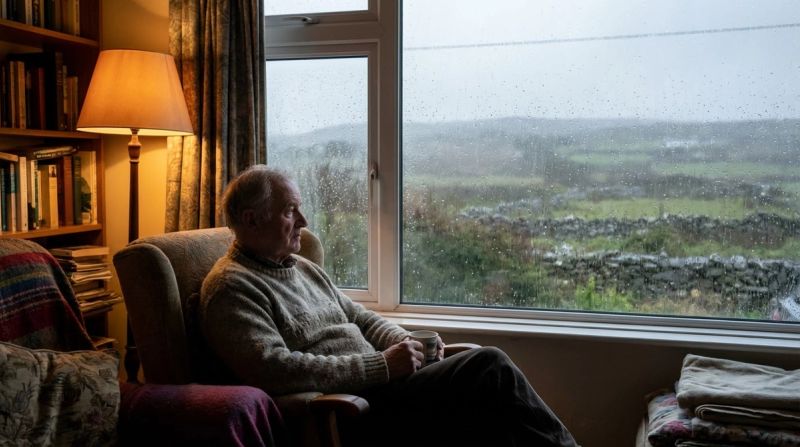
Feel Better Therapy matches parents experiencing anxiety with Irish-registered therapists who understand the specific pressures of parenting in Ireland. The matching process considers your concerns, your schedule, and the kind of support you're looking for — pairing you with a therapist whose experience aligns with what you're navigating.
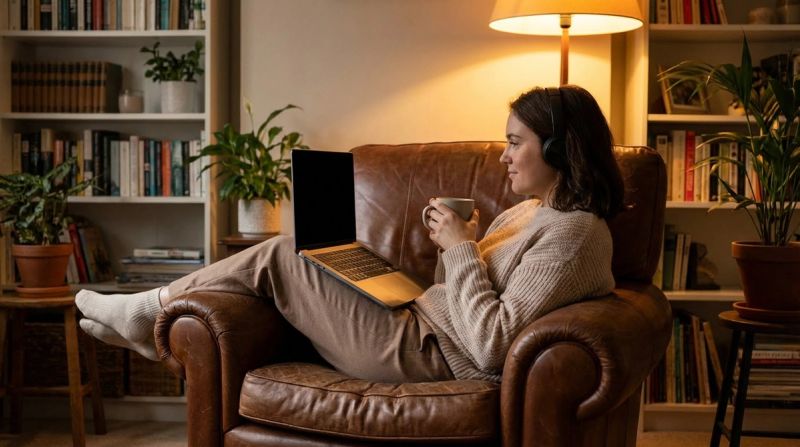
One of the most significant advantages for parents is that sessions happen online, from home. There's no commute, no childcare to arrange, no waiting room. You can attend from your living room during nap time, from a quiet corner after the school run, or from your car if that's the only private space available. Therapy fits around your life, not the other way around.
How Feel Better Therapy Matches You with the Right Anxiety Specialist explains the matching process in detail — how your information is used to find the right therapist and what to expect from your first session. Your privacy throughout that process is fully protected, as outlined in Online Therapy Privacy: How Feel Better Therapy Protects Your Data.
Therapeutic approaches commonly used for parental anxiety include:
- Cognitive Behavioural Therapy (CBT): Helps identify and restructure anxious thought patterns — the "what ifs" and catastrophic thinking that characterise parental anxiety. CBT for Anxiety: What to Expect During Your Feel Better Therapy Sessions covers this in detail.
- Acceptance and Commitment Therapy (ACT): Helps parents make room for difficult feelings rather than fighting them, while staying focused on their values as a parent
- Mindfulness-based approaches: Practical tools for grounding yourself in the present rather than getting lost in worry about the future
These approaches aren't about eliminating anxiety entirely — that would be unrealistic. They're about changing your relationship with worry, reducing its intensity, and reclaiming the mental space it currently occupies. Many parents find that therapy helps them become more present with their children, more patient, and more able to enjoy the moments that matter.
When to Seek Support

If you're unsure whether your anxiety warrants professional support, consider this: if worry is affecting your sleep, your relationships, your enjoyment of parenting, or your ability to function day-to-day, it's worth speaking to a therapist.
You don't need to be in crisis to benefit from therapy. In fact, addressing anxiety early — before it becomes entrenched — typically leads to faster progress. Many parents find that even a few sessions help them develop practical tools they use for years.
Some specific situations where parental anxiety therapy can be particularly helpful:
- Anxiety that started during pregnancy or after the birth of a child
- Difficulty allowing children age-appropriate independence due to fear
- Intrusive thoughts about harm coming to your children
- Significant worry about your parenting adequacy
- Anxiety that's affecting your relationship with your partner
- Struggling to enjoy time with your children due to constant worry
If you're in crisis or need immediate support:
- Samaritans: 116 123 (free, 24/7)
- Pieta House: 1800 247 247 (free, 24/7)
- Text About It: Text HELLO to 51444
Taking the Next Step
Parental anxiety is real, it's common, and it's treatable. Recognising that you're managing it is the first step — and reaching out for support is the next.
Feel Better Therapy makes that next step as straightforward as possible. You share briefly what you're experiencing, and you're matched with a qualified Irish therapist who can help. Sessions happen online, on your schedule, from the privacy of your own home.
Anxiety Therapy Ireland: The Feel Better Therapy Way — our complete guide to anxiety support in Ireland — covers everything from the types of anxiety that therapy addresses to what the process of getting support looks like from start to finish.
Related Resources
If you're a parent navigating anxiety, these spokes from our hub may also be helpful:

- How Feel Better Therapy Matches You with the Right Anxiety Specialist — understand how we pair you with the right therapist for your specific concerns
- CBT for Anxiety: What to Expect During Your Feel Better Therapy Sessions — the most common therapeutic approach for anxiety explained in plain terms
- Panic Attack Relief: Rapid Tools Provided by Feel Better Therapy Experts — practical techniques for managing acute anxiety symptoms
Your family benefits when you're at your best. Seeking support isn't weakness — it's wisdom.