Anger Management for Men: Why Irish Men Struggle to Seek Help

Why do Irish men struggle with anger and help-seeking? Learn about male anger, stigma, and how anger management therapy can help.
Ciarán, a 44-year-old carpenter from Cork, didn't describe himself as angry. He said he was "wound tight." The traffic on the N40, a delayed invoice, a teenage son who wouldn't look up from his phone — any of these could set off a reaction that felt bigger than the moment. Afterwards, sitting in the van with his hands still gripping the wheel, he felt ashamed. He wasn't violent. He never raised a hand. But his temper was wearing down the people he loved and the man he wanted to be.
If that sounds familiar, you're not alone. Anger is one of the most common ways men in Ireland experience distress. And it is one of the hardest things to talk about.
This article looks at why anger shows up so often for men, why so many Irish men find it difficult to ask for help, and what actually makes a difference.
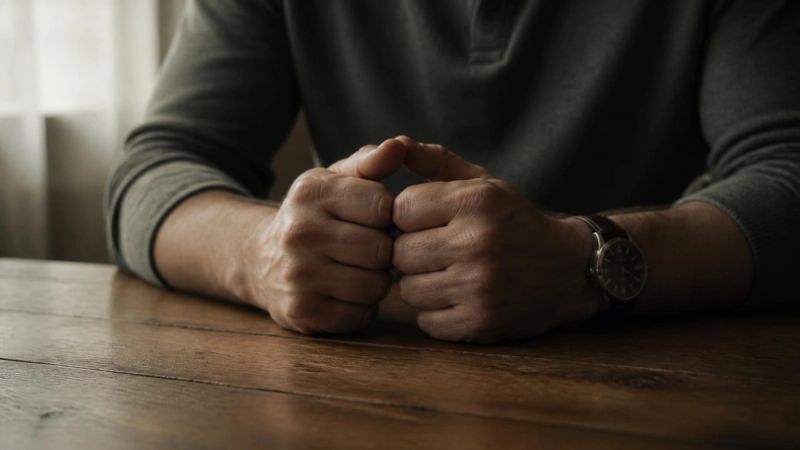
What Anger Actually Looks Like in Men
For many men, anger isn't loud or obvious. It can show up as irritability, impatience, sarcasm, withdrawal, or a constant low-level frustration that colours the whole day. It can also look like overworking, drinking to unwind, or becoming very quiet and distant when things feel too much.
Anger in men is often mislabelled as a personality problem when it's actually an emotional signal. It can be covering stress, grief, shame, anxiety, depression, or a sense of being trapped. In Irish culture, where many men were raised to keep feelings to themselves, anger sometimes becomes the only emotion that feels permitted.
"For a lot of men, anger is the acceptable face of sadness, fear, or overwhelm. It's what comes out when nothing else is allowed to." — Dr. Colm O'Connor, Cork-based counselling psychologist
That doesn't mean anger is healthy or harmless. It can damage relationships, isolate you from people who care, and make work and home life feel like a battlefield. But understanding what anger is doing for you — not just what it's doing to others — is the first step toward changing it.

Why Irish Men Find It Hard to Seek Help
The barriers are real and they are cultural. Many Irish men grew up with messages like "boys don't cry," "keep the head down," and "don't be making a fuss." Vulnerability was often treated as weakness, and asking for help could feel like admitting failure.
That stigma still shows up in the numbers. Research cited for International Men's Day 2024 found that 63% of Irish people believe treatment for mental health difficulties is seen as a sign of personal failure. For men, who are already less likely to seek help for emotional struggles, that belief can be enough to keep them silent.
The consequences are serious. Men in Ireland are at a significantly higher risk of suicide than women. According to the European Commission's Health at a Glance report, Ireland has one of the highest rates of mental health illness in Europe. Yet the same pattern appears across studies: men are less likely to talk, less likely to reach out, and more likely to wait until a crisis forces the issue.
There are practical barriers too. Shift work, long commutes, rural isolation, and the expectation of being the provider can make therapy feel impossible to fit in. Online therapy has helped reduce some of these barriers, but the first and biggest obstacle is often the belief that a "real man" should be able to sort himself out.

When Anger Becomes a Problem
Anger isn't always a problem. It can be protective, motivating, and appropriate. It becomes a problem when it is:
- Frequent — happening most days or many times a week
- Destructive — harming relationships, work, or your sense of self
- Disproportionate — blowing up over small things
- Hidden — leaking out as coldness, resentment, or passive aggression
- Physical — involving punching walls, throwing things, or intimidating body language
- Followed by shame, regret, or promises to change that don't last
If you recognise several of these, your anger may be a sign that something needs attention. That might be chronic stress, burnout, depression, anxiety, unresolved grief, relationship problems, or a sense that life is not where you want it to be.
Importantly, seeking help is not about being "fixed" or becoming someone else. It's about understanding your own patterns and learning skills that give you back control.
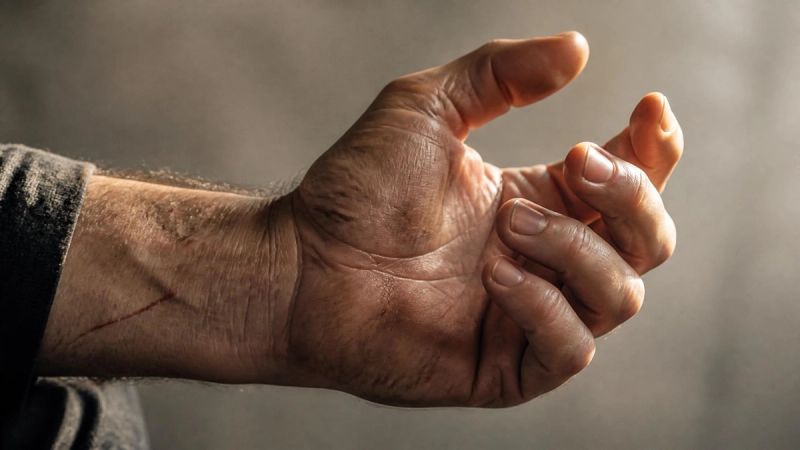
What Bottling It Up Actually Costs
Many Irish men were taught to swallow anger rather than express it. That might look like peacekeeping, staying quiet, or telling yourself it's not worth the hassle. But suppressed anger doesn't disappear. It tends to leak out in other ways.
Physically, chronic anger and stress are linked to high blood pressure, heart problems, poor sleep, and digestive issues. Emotionally, suppressing anger can fuel depression, anxiety, and a sense of numbness. Socially, it can create distance in relationships because the people around you sense something is wrong even when you say nothing is.
There is also a particular loneliness in keeping anger to yourself. You might feel that nobody really knows what you're dealing with, or that admitting you're struggling would change how people see you. That isolation often makes the anger worse. Breaking the silence, even with one trusted person or a therapist, can begin to loosen the grip it has on you.
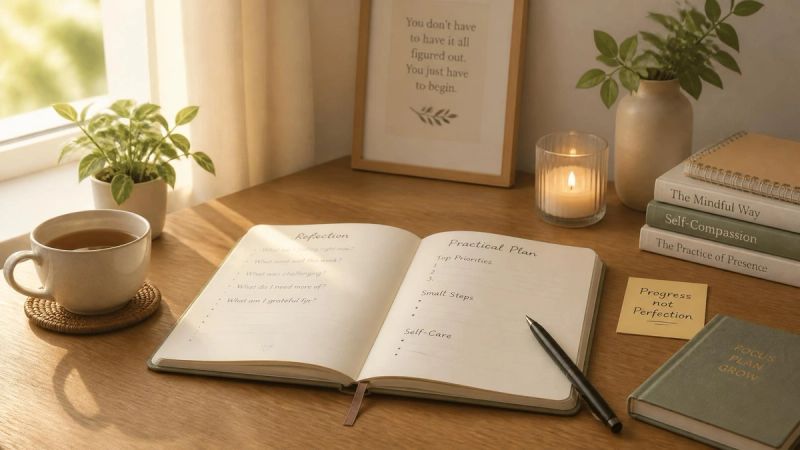
What Actually Helps Men with Anger
The most effective, evidence-based approach for anger management is cognitive behavioural therapy (CBT). CBT helps you identify the thoughts and beliefs that feed your anger — such as "people are deliberately disrespecting me" or "I shouldn't have to put up with this" — and test whether they are accurate or helpful.
It also teaches practical skills:
- Recognising the early physical signs of anger before it escalates
- Slowing your reaction so you can choose your response
- Communicating assertively rather than aggressively
- Managing stress, sleep, and alcohol, which all influence irritability
- Addressing underlying issues like anxiety or depression
"The men who do well in therapy aren't the ones who never feel anger. They're the ones who are willing to look at what's underneath it." — Dr. Colm O'Connor, Cork-based counselling psychologist
For many Irish men, the idea of sitting in a room and talking about feelings can feel unnatural. That's one reason online therapy works well. It can be done from home, outside working hours, and with less fear of being seen walking into a clinic. Some men also prefer a structured, goal-focused approach where the work feels practical rather than endlessly conversational.

What to Expect from Anger Management Therapy
Therapy for anger usually starts with understanding your triggers and your history. A therapist will want to know when the anger started, where it shows up most, and what tends to happen just before you lose your temper.
From there, the work becomes practical. You might learn breathing and grounding techniques, ways to challenge heated thoughts, and strategies for handling conflict without shutting down or blowing up. If depression, anxiety, trauma, or relationship issues are part of the picture, those will be addressed too.
In Ireland, therapists accredited by the Irish Association for Counselling and Psychotherapy (IACP) meet professional standards for counselling and psychotherapy. You can access therapy through the HSE, private practice, or online platforms. Waiting lists vary, so if you need support sooner, private or online options may be more accessible.

Frequently Asked Questions
Is anger more common in men than women?
Men and women both experience anger, but research suggests men are more likely to express it outwardly and less likely to talk about the emotions underneath. Cultural conditioning plays a big role in how anger is expressed.
Why do Irish men find it so hard to talk about feelings?
Many Irish men were raised with strong norms around stoicism, self-reliance, and not making a fuss. These norms can make emotional openness feel risky or shameful, even when the people around them would be supportive.
Can therapy really help with anger?
Yes. CBT and other talking therapies have strong evidence for helping people manage anger. Therapy doesn't remove the emotion; it helps you respond to it differently.
How do I start anger management therapy in Ireland?
You can ask your GP for a referral, contact an accredited therapist directly, or use an online therapy service. Online therapy can be a good option if you want flexibility, privacy, or live outside the main cities.
For a complete overview of anger management in Ireland, including causes, treatments, and how to get help, see our guide to Anger Management in Ireland: A Complete Guide.
Related Articles
- What Is Anger Management? Signs Your Anger Is a Problem in Ireland
- Why Am I So Angry? Common Causes of Anger Issues in Adults
- Anger and Anxiety: How They Feed Each Other
- Anger and Depression: The Link Between Rage and Low Mood
- Anger in Relationships: How It Damages Connection and What Helps
- Workplace Anger: Managing Outbursts and Frustration in Ireland
Anger doesn't have to define you. For many Irish men, the real turning point is not learning to suppress anger but learning to understand it. Underneath the temper is usually a man who is stressed, hurting, overwhelmed, or simply never learned another way to express what he feels.
If you're struggling with anger and want to change the pattern, CBT for anger management can give you practical tools that work. You can also get matched with a therapist through Feel Better Therapy and take the first step from wherever you are.
This article is for informational purposes only and does not constitute medical advice. If you are in crisis, please contact Samaritans Ireland at 116 123 or Pieta House at 1800 247 247.