Anger Management in Ireland: A Complete Guide

A complete guide to anger management in Ireland. Learn what anger issues look like, what causes them, and how to get help through therapy or online support.
Anger is one of the most misunderstood emotions. Most people in Ireland don't seek help because they believe they should be able to control it themselves, or because they worry that asking for help means admitting they are a bad person. In reality, anger is a normal human emotion. It only becomes a problem when it is too intense, too frequent, or expressed in ways that damage your health, relationships, or work. Seeking help is a sign of strength, not failure.
If you or someone you care about is struggling with anger, this guide is for you. It explains what anger management means, what causes anger issues, how they connect to anxiety and depression, and what treatment options are available in Ireland. It also links to more detailed articles on specific topics so you can explore the areas that matter most to you. You do not need to have everything figured out before you begin.

What Is Anger?
Anger is a natural emotional response to perceived threat, injustice, frustration, or violation. It is part of the body's survival system. When something feels wrong, anger mobilises energy and prepares you to act. In the right context, anger can be useful. It can help you set boundaries, recognise unfairness, and protect yourself or others.
Problems arise when anger is triggered too easily, felt too intensely, or expressed in harmful ways. Over time, chronic anger can contribute to high blood pressure, heart problems, digestive issues, sleep difficulties, and strained relationships.
Anger is not the same as aggression. Anger is a feeling. Aggression is a behaviour. You can feel furious without acting violently. The goal of anger management is not to eliminate the feeling but to change how you respond to it. That distinction matters because it shifts the focus from shame to skill.

What Is Anger Management?
Anger management is the process of learning to recognise, understand, and respond to anger in healthier ways. It is not about suppressing anger or pretending everything is fine. It is about having the skills to feel angry without losing control or hurting the people around you.
Good anger management usually involves several skills working together:
- Recognising early warning signs in your body and mind before anger peaks
- Understanding your personal triggers and the situations that set you off
- Challenging the thoughts that escalate anger, such as catastrophising or assuming bad intent
- Learning calming techniques to reduce physical arousal
- Communicating needs and boundaries assertively without aggression
- Solving problems rather than blaming when something goes wrong
- Repairing relationships after an outburst has happened
Some people develop these skills through a short course, self-help, or reading. Others benefit from therapy, especially when anger is linked to deeper issues such as trauma, anxiety, depression, or low self-esteem.

When Anger Becomes a Problem
Everyone feels angry sometimes. Anger becomes a problem when it starts to control you more than you control it. Warning signs that your anger may need attention include:
- Outbursts that leave you feeling ashamed or regretful afterwards
- Arguments that escalate quickly and happen frequently
- Physical aggression, throwing things, slamming doors, or threats
- Road rage or aggressive driving
- Bottling up anger until it explodes unexpectedly
- Using alcohol or drugs to manage anger
- People walking on eggshells around you
- Work or relationship problems caused by your temper
- Feeling constantly irritable or on edge
- Difficulty calming down once you are upset
If anger is affecting your quality of life, it is worth taking seriously. The earlier you address it, the easier it is to change. You do not need to hit rock bottom before seeking support, and you do not need to do it alone.
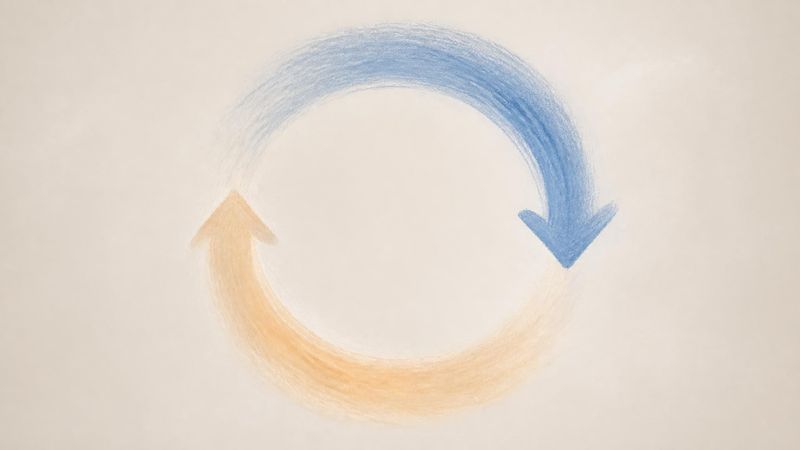
The Anger Cycle
Most episodes of anger follow a cycle. Understanding this cycle can help you intervene earlier.
- Trigger. Something happens. It might be a delay, a criticism, a perceived unfairness, or someone ignoring you.
- Thought. Your mind interprets the event. Common thoughts include "They did that on purpose," "This is unfair," or "I can't take this."
- Physical response. Your heart rate rises, muscles tense, breathing becomes shallow, and your face may flush.
- Feeling. You experience anger, which may be mixed with hurt, fear, or embarrassment.
- Behaviour. You react. This might be shouting, withdrawing, aggression, or suppressing the feeling.
- Consequence. There is a result, which may reinforce or challenge your anger pattern.
Anger management teaches you to slow this cycle down. The earlier you notice it, the more choices you have. Even a small pause can be the difference between reacting and responding.
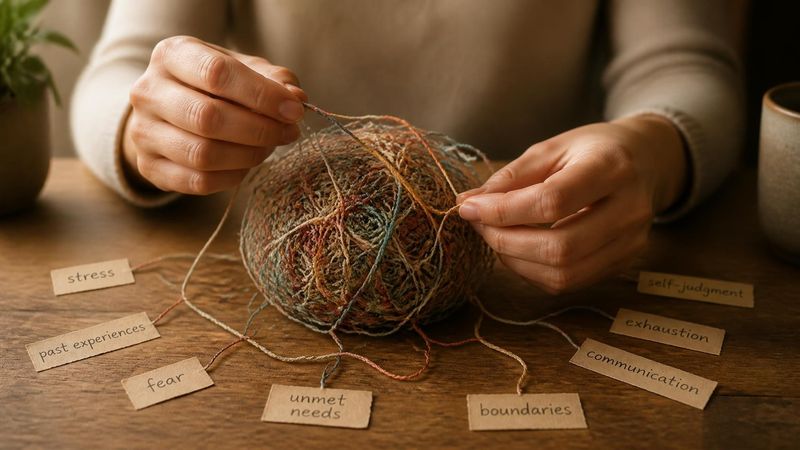
Common Causes of Anger Issues
Anger rarely has a single cause. It usually builds from a mix of factors over time.
Stress and overwhelm. Long hours, financial pressure, caring responsibilities, and lack of sleep all lower your ability to tolerate frustration. When you are stretched thin, small irritations feel much bigger.
Unmet needs. Anger often masks feelings of being ignored, disrespected, powerless, or unfairly treated. If you find it hard to ask for what you need, anger may become the default way of expressing it.
Past experiences. Childhood environments where anger was the only way to be heard, or where emotions were dismissed, can shape adult anger patterns. You may have learned that showing vulnerability was unsafe.
Trauma. People who have experienced abuse, neglect, violence, or bullying may have a heightened threat response. Their nervous system may react to everyday situations as if they are dangerous.
Mental health conditions. Anger can be part of anxiety, depression, PTSD, ADHD, or substance use problems. Treating the underlying condition often reduces the anger.
Physical factors. Poor sleep, chronic pain, low blood sugar, alcohol, and certain medications can all make irritability worse.
Cultural messages. In Ireland, many people grow up hearing phrases like "keep the head" or "don't make a show of yourself." These messages can make people ashamed of anger, leading them to suppress it until it bursts out.
Understanding the cause does not excuse harmful behaviour. But it does make change possible. It also helps you choose the right kind of support.
Anger and Other Emotions
Anger often sits on top of other feelings. Many people use anger to avoid feeling hurt, scared, embarrassed, or sad. This is especially common for people who were taught that vulnerability is weakness.
Anger and anxiety
Anxiety and anger can feed each other. Anxiety makes you feel threatened. Anger is the body's response to threat. When you are constantly on edge, small irritations can feel like major provocations.
Read more about anger and anxiety in Ireland.
Anger and depression
Depression sometimes shows up as irritability rather than sadness. This is particularly true for men and teenagers. If your anger is paired with low motivation, hopelessness, or withdrawal, depression may be part of the picture.
Read more about anger and depression in Ireland.
Anger in relationships
Anger can damage trust, intimacy, and safety in relationships. It often creates cycles where one person explodes and the other withdraws, leaving both feeling disconnected.
Read more about anger in relationships in Ireland.

Why Some People Struggle More Than Others
Not everyone with a difficult childhood or a stressful job develops an anger problem. Some people are more vulnerable because of temperament, learned patterns, or life circumstances.
People who struggle with anger often share certain traits:
- A strong sense of justice, which makes unfairness feel unbearable
- Difficulty tolerating uncertainty or lack of control
- A tendency to interpret neutral events as hostile
- Poor emotional vocabulary, making it hard to name softer feelings
- Limited support networks, leaving them to cope alone
- High stress with few outlets for release
These patterns are not fixed. They can be changed with practice, support, and the right tools.

Treatment Options in Ireland
There are several ways to get help for anger issues in Ireland. The right option depends on the severity of the problem, your preferences, and your budget.
Anger management courses
These are usually short, structured programmes that teach practical skills. They can be helpful if your anger is mostly situational and you want clear tools. Some are delivered in groups, others online or through workplaces. Courses typically focus on skills rather than deep psychological exploration.
Cognitive behavioural therapy (CBT)
CBT is one of the most effective treatments for anger. It helps you identify the thoughts, feelings, and behaviours that keep your anger going, and teaches you practical ways to interrupt the cycle. CBT is usually short-term and goal-focused.
Read more about CBT for anger management in Ireland.
Counselling and psychotherapy
Therapy goes deeper than anger management courses. It explores the roots of your anger, including past experiences, beliefs, and relationship patterns. It is a good choice if your anger is persistent, severe, or linked to other emotional difficulties.
Read more about anger management vs therapy in Ireland.
Online therapy
Online therapy allows you to work with an accredited therapist by video call, without travelling. It is widely available in Ireland and can be a convenient option for shift workers, parents, people in rural areas, or anyone who prefers privacy. Many Irish health insurance plans cover online therapy with accredited therapists.
Read more about starting anger management therapy online in Ireland.

Accessing Help Through the HSE
The HSE offers several routes for people seeking mental health support in Ireland. Your GP is usually the first point of contact and can refer you to HSE psychology services, counselling, or primary care psychology. Waiting times vary depending on where you live.
The HSE also provides SilverCloud, a free guided digital CBT programme for adults with mild-to-moderate anxiety and depression. While it is not specifically an anger management service, it can help with some of the underlying issues that fuel anger.
Private therapy is available more quickly in most cases but comes with a cost. Private sessions in Ireland typically range from €60 to €180, with many accredited therapists charging between €70 and €100.

What to Expect from Anger Management Therapy
If you decide to work with a therapist, it helps to know what the process usually looks like. The first session is often an assessment. The therapist will ask about your anger history, your current triggers, and what you hope to change.
Over the following sessions, you will likely work on:
- Identifying your personal anger warning signs
- Understanding the thoughts and beliefs that fuel your anger
- Learning relaxation and grounding techniques
- Practising assertive communication
- Exploring any past experiences that shaped your anger patterns
- Building a plan for handling high-risk situations
Therapy is collaborative. A good therapist will not lecture you or tell you to "just calm down." They will work with you to understand your anger and develop responses that fit your life.
Progress is not always linear. Some weeks will feel easier than others. The key is to keep practising between sessions and to be honest with your therapist when things are not working.

Anger in Specific Contexts
Anger shows up differently depending on where you are and who you are with.
Workplace anger
Workplace stress, unfair treatment, long hours, and poor communication can all trigger anger. Outbursts at work can damage your reputation and career. Learning to manage anger professionally is an important career skill as well as a personal one.
Read more about workplace anger in Ireland.
Anger and men
Many Irish men struggle to seek help for anger because of stigma and expectations about masculinity. Bottling emotions up often makes the problem worse. Men are also more likely to express depression through irritability and anger rather than sadness.
Read more about anger management for men in Ireland.

Self-Help Strategies That Work
Professional support is valuable, but there is also a lot you can do yourself. These strategies are evidence-based and can make a real difference:
- Pause before reacting. Even a few seconds of delay can prevent an outburst.
- Breathe slowly. Deep, slow breathing activates the body's calming system.
- Name the emotion. Saying "I am angry" rather than acting it out gives you distance from the feeling.
- Check your thoughts. Ask yourself if you are assuming bad intent or catastrophising.
- Move your body. Physical activity helps release built-up tension.
- Limit alcohol. Alcohol lowers inhibitions and makes aggressive behaviour more likely.
- Protect sleep. Poor sleep makes everyone more irritable.
- Set boundaries. Much anger comes from saying yes when you want to say no.
- Journal. Writing down triggers and patterns helps you spot them earlier.
These strategies work best when practised regularly, not just during moments of crisis.

How to Get Started
If you want to address your anger, here is a simple starting point:
- Notice your patterns. When does anger show up? What happens just before? What are the consequences?
- Learn one calming technique. Slow breathing or a short walk can create enough pause to choose your response.
- Identify unmet needs. Anger often signals that a boundary has been crossed or a need has been ignored.
- Consider professional support. A therapist can help you understand and change patterns that are hard to shift alone.
- Be patient with yourself. Change takes time, but progress is possible with consistent effort.
Starting with one small change is more effective than trying to overhaul everything at once. Many people find that simply noticing their anger earlier creates a ripple effect, making every other skill easier to use.

Supporting Someone Else with Anger
If someone you care about has an anger problem, it can be draining and confusing. You may feel like you are walking on eggshells or taking responsibility for keeping the peace.
Here are some ways to support them without losing yourself:
- Set clear boundaries. Let them know what behaviour is unacceptable, and follow through consistently.
- Don't match their intensity. Staying calm helps prevent escalation.
- Choose your moments. Important conversations are rarely productive in the middle of an outburst.
- Encourage professional help. You cannot do the work for them, but you can point them towards support.
- Look after yourself. Supporting someone with anger issues can be stressful. Make sure you have your own support.
Remember, you are not responsible for someone else's anger. Your safety and wellbeing matter too.
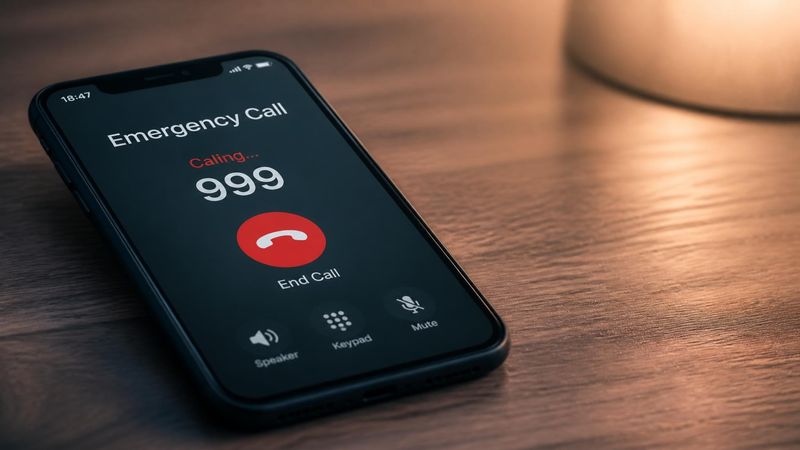
When to Seek Help Urgently
If your anger leads to violence, threats, or fear in others, seek professional help as soon as possible. If you are in immediate danger or concerned about someone's safety, contact Gardaí at 999 or 112. For emotional support, Samaritans Ireland is available 24 hours a day at 116 123.
Related Articles
- What Is Anger Management? Signs Your Anger Is a Problem in Ireland
- Why Am I So Angry? Common Causes of Anger Issues in Adults
- Anger and Anxiety: How They Feed Each Other
- Anger and Depression: The Link Between Rage and Low Mood
- Anger in Relationships: How It Damages Connection and What Helps
- Workplace Anger: Managing Outbursts and Frustration in Ireland
- Anger Management for Men: Why Irish Men Struggle to Seek Help
- CBT for Anger Management: Techniques That Work in Ireland
- Anger Management vs Therapy: What's the Difference?
- How to Start Anger Management Therapy Online in Ireland
Anger does not have to define your relationships, your work, or your sense of yourself. With the right information, support, and practice, it is possible to understand your anger and respond to it in ways that protect rather than harm the things you care about.
If you are ready to take the next step, you can get matched with a therapist through Feel Better Therapy today. We work with accredited Irish therapists who understand anger management and can help you find the right approach, whether that is CBT, counselling, or online therapy.
This article is for informational purposes only and does not constitute medical advice. If you are in crisis, please contact Samaritans Ireland at 116 123 or Pieta House at 1800 247 247.