How to Start Anger Management Therapy Online in Ireland

Want to start anger management therapy online in Ireland? Learn how to choose a therapist, what to expect, costs, and how to begin.
Sinead, a 31-year-old nurse from Cork, had been meaning to get help with her temper for months. The long shifts, the commute, and the waiting list at her local HSE service meant it kept getting pushed back. Then a colleague mentioned she had started therapy online, from her own kitchen, on a Tuesday evening after work.
It had never occurred to Sinead that anger management could be done this way. She assumed therapy meant sitting in a clinic. Within a week, she had spoken to a therapist over video call, identified her main triggers, and started learning techniques she could use on the ward and at home.
If you have been putting off help because of time, location, or embarrassment, online therapy might be the easiest first step today. This guide explains how to start anger management therapy online in Ireland, what to look for, and what to expect.
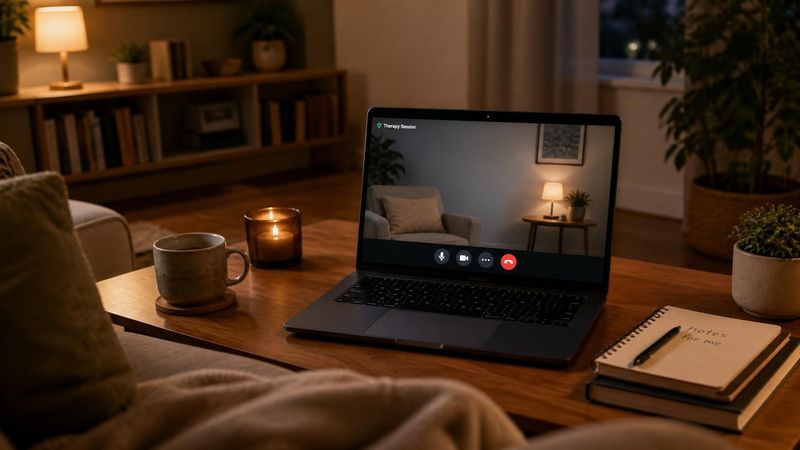
Why Online Therapy Works for Anger Management
Online therapy is not a lesser version of in-person therapy. Research shows that online CBT can be as effective as face-to-face treatment for anxiety, depression, and related emotional difficulties. For anger management, the practical nature of CBT translates well to video sessions.
The benefits include:
- No travel time: Sessions fit around work, childcare, or rural locations
- More choice: You can work with a therapist anywhere in Ireland, not just locally
- Privacy: No waiting room, no risk of being seen
- Consistency: Easier to keep appointments, even when life is busy
- Comfort: Some people find it easier to open up from a familiar space
Online therapy works best when you have a private, quiet room and a reliable internet connection. It may not suit everyone — for example, if your anger involves serious aggression or you need more intensive support — but for many people it is a practical and effective route.
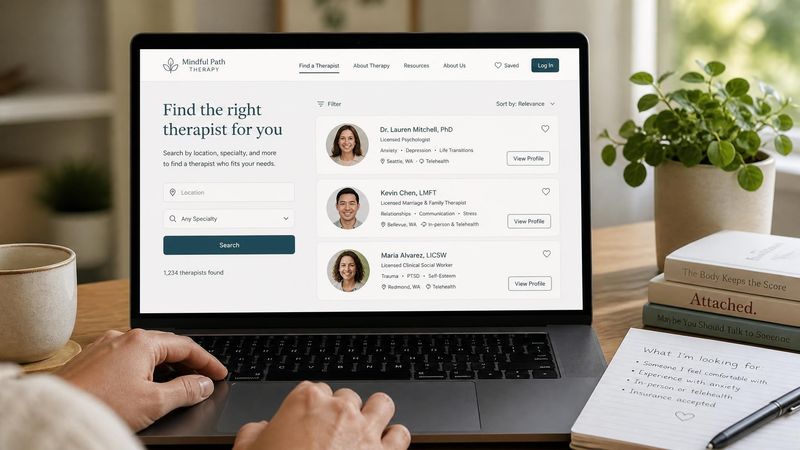
Finding the Right Platform or Therapist in Ireland
There are several ways to find an online therapist in Ireland. Professional directories such as the IACP, PSI, and ICP websites let you search by location, specialism, and whether the therapist offers online sessions. Many therapists now list online therapy as a standard option.
Online therapy platforms are another option. These services handle matching, booking, and payments, which can be helpful if you are unsure where to start. When using a platform, check that the therapists are accredited by a recognised Irish body and that the service explains its privacy and complaints policies clearly.
Word of mouth can also be valuable. If a friend, colleague, or GP recommends someone, it is worth looking them up. Just remember that the right therapist for one person may not be the right therapist for you. Fit matters.

What to Look for in an Online Therapist
Not every therapist who offers video sessions is the right fit for anger management. In Ireland, look for these credentials:
- IACP accreditation: Irish Association for Counselling and Psychotherapy
- PSI registration: Psychological Society of Ireland, often for psychologists
- ICP membership: Irish Council for Psychotherapy
These bodies set training, supervision, and ethical standards. Accreditation means the therapist has met those requirements and is accountable to a professional organisation.
You should also ask:
- Do they have experience working with anger specifically?
- Do they use CBT or another structured approach?
- What platform do they use for video calls, and is it secure?
- What are their fees, cancellation policy, and availability?
Trust your instincts too. A good therapist will answer your questions clearly and will not pressure you into booking a block of sessions before you feel ready.

How the First Session Usually Goes
The first session is often called an assessment or consultation. It is a chance for the therapist to understand what is happening and for you to decide if you feel comfortable working with them.
They will usually ask about:
- What brings you to therapy now
- Your anger patterns, triggers, and consequences
- Your mental health history and current stressors
- What you want to change
- Any previous therapy or anger management work
By the end of the first session, you should have a sense of whether the therapist understands your situation and a rough idea of how therapy will proceed. Some therapists offer a free or reduced-rate initial call, which can help you shop around without a big commitment.
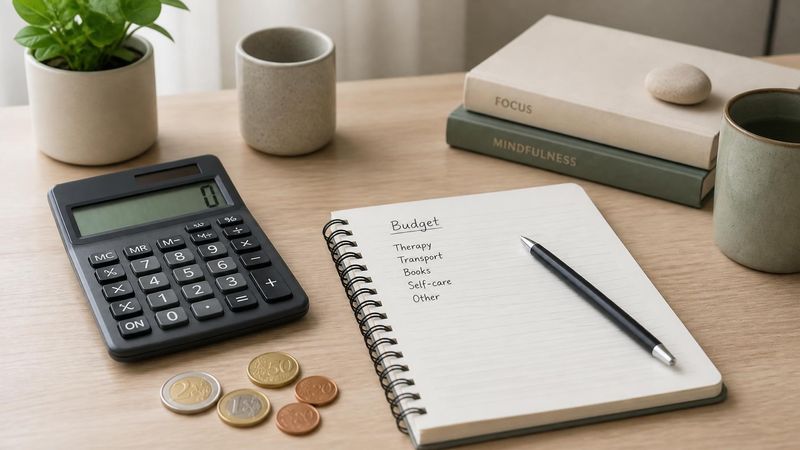
Costs, Insurance, and Tax Relief
Online therapy in Ireland typically costs between €70 and €120 per session. Some platforms offer starter packages or reduced rates for a block of sessions. Many accredited therapists charge between €70 and €100 per session.
There are ways to reduce the cost:
- Health insurance: VHI, Laya, and Irish Life health plans often cover counselling or psychotherapy with accredited therapists. Check your specific policy for the number of sessions covered and any requirements.
- Tax relief: Under Revenue's Health Expenses relief scheme, you can claim 20% tax back on therapy costs through myAccount on revenue.ie. This applies to sessions with accredited therapists.
- Sliding scale: Some therapists offer reduced fees for people on lower incomes or medical card holders.
The HSE also offers free digital CBT through SilverCloud for mild-to-moderate anxiety and depression, although this is not specifically an anger management service.
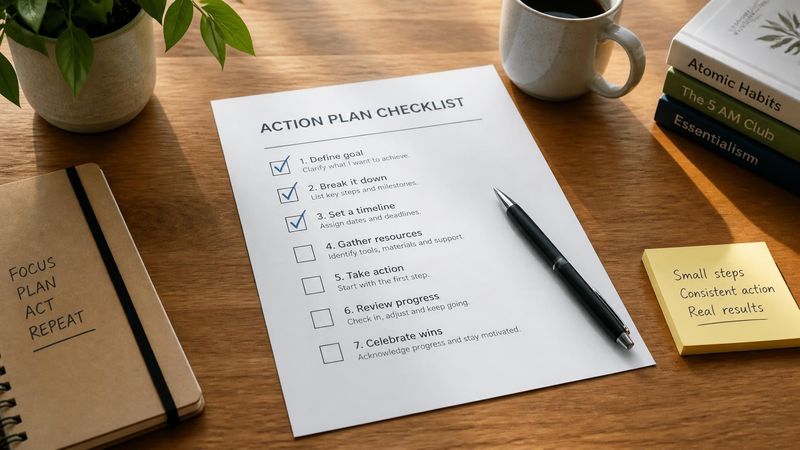
Getting Started: A Simple Checklist
If you are ready to begin, here is a straightforward way to start:
- Decide what you need. Are you looking for practical anger management skills, deeper therapy, or both?
- Set a budget. Factor in session cost, possible insurance cover, and tax relief.
- Search for accredited therapists. Use directories from IACP, PSI, or ICP, or use a trusted online therapy platform.
- Check specialisms. Look for experience with anger, CBT, or related issues.
- Book an initial session. Use this to ask questions and assess the fit.
- Commit to a few sessions. Change usually becomes noticeable after four to six sessions.
- Practise between sessions. Anger management improves with real-life practice, not just talking.

What to Expect as You Progress
In the early sessions, you and your therapist will map out your anger patterns. You will learn to spot triggers earlier, challenge the thoughts that escalate your temper, and practise calming techniques.
As therapy progresses, the focus may shift to deeper patterns. This could include how you express needs, handle conflict, or manage stress. The goal is not to eliminate anger but to make your responses calmer, clearer, and more controlled.
Many people notice small changes within the first few weeks — fewer outbursts, quicker recovery after frustration, better sleep, or less tension at home. Bigger shifts in relationships and self-esteem often take a little longer. Consistency matters more than speed.

What If You Don't Click with Your Therapist?
Not every therapist will feel like the right fit, and that is normal. The therapeutic relationship is one of the strongest predictors of whether therapy works. If you feel judged, misunderstood, or unsupported after a few sessions, it is okay to look elsewhere.
Signs of a good fit include feeling heard, understood, and slightly challenged in a constructive way. You should leave sessions with a sense that you are making progress, even if the progress is slow.
Many therapists are comfortable with this. Some even offer a brief introductory call so you can gauge the fit before committing. If you use a platform, ask whether you can switch therapist without penalty if the match is not right.

Frequently Asked Questions
Is online therapy as effective as in-person therapy?
Yes, research supports that online CBT can be as effective as face-to-face therapy for many issues. The key factors are the quality of the therapist, your commitment, and whether online sessions suit your situation.
How quickly can I start online anger management therapy?
Many private therapists and online platforms can offer an appointment within a few days. This compares with HSE waiting lists, which can be several months long depending on your area.
Can I get anger management therapy on the medical card?
Some HSE psychology and counselling services are free for medical card holders, but access varies by location and waiting times can be long. Private online therapy is often faster but must be paid for.
What technology do I need for online therapy?
You need a device with a camera and microphone, a stable internet connection, and a private space. Most therapists use secure platforms such as Zoom, Teams, or specialised telehealth software.
For a complete overview of anger management in Ireland, including causes, treatments, and how to get help, see our guide to Anger Management in Ireland: A Complete Guide.
Related Articles
- What Is Anger Management? Signs Your Anger Is a Problem in Ireland
- Why Am I So Angry? Common Causes of Anger Issues in Adults
- Anger and Anxiety: How They Feed Each Other
- Anger and Depression: The Link Between Rage and Low Mood
- Anger in Relationships: How It Damages Connection and What Helps
- Workplace Anger: Managing Outbursts and Frustration in Ireland
- Anger Management for Men: Why Irish Men Struggle to Seek Help
- CBT for Anger Management: Techniques That Work in Ireland
- Anger Management vs Therapy: What's the Difference?
Starting anger management therapy online in Ireland has never been more accessible. You do not need to wait for the perfect moment, find a local clinic, or rearrange your entire schedule. With an accredited therapist and a clear plan, you can begin making real changes from wherever you are.
If you are ready to take the first step, you can get matched with an online therapist through Feel Better Therapy. We work with accredited Irish therapists who understand anger management and can meet you by video call at a time that suits you.
This article is for informational purposes only and does not constitute medical advice. If you are in crisis, please contact Samaritans Ireland at 116 123 or Pieta House at 1800 247 247.