Anger Management vs Therapy: What's the Difference?

Anger management or therapy? Learn the differences, what each offers, and how to choose the right support for anger issues in Ireland.
Mark, a 36-year-old engineer from Limerick, knew his temper was causing problems at home. His partner had gently suggested he "do something about it." When he searched online, he found two options: an anger management course run over a weekend, and one-to-one therapy with a counsellor. He wasn't sure which was which, or which one he actually needed.
If you're in the same position, you're not alone. The terms are often used interchangeably, but anger management and therapy are not the same thing. Understanding the difference can save you time, money, and disappointment.
This article explains what each offers, how they overlap, and how to decide which route is right for you today.
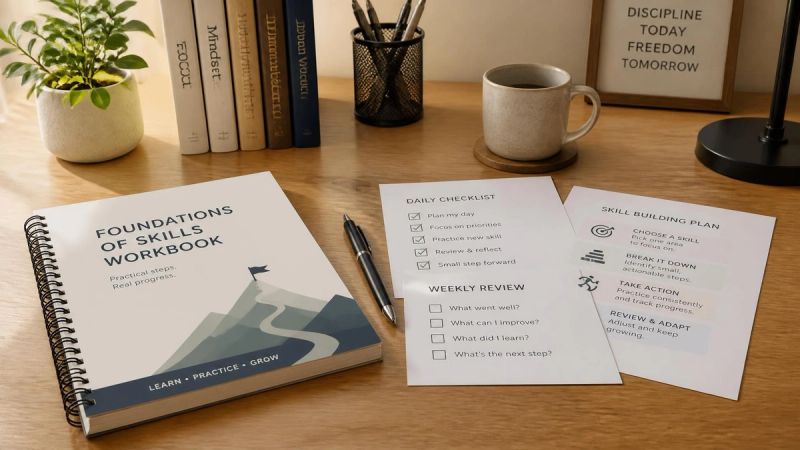
What Anger Management Actually Is
Anger management is a structured approach to understanding and controlling anger. It usually involves learning practical skills such as recognising triggers, calming techniques, communication strategies, and ways to respond differently in heated moments.
It can be delivered in different formats:
- Group courses or classes, often run over one or two days
- Online programmes with modules and exercises
- Self-help books and workbooks
- Short-term coaching focused specifically on behaviour change
Anger management tends to be practical, educational, and goal-focused. It is useful if your anger is fairly situational — for example, triggered by stress at work, road rage, or conflict at home — and you want clear tools to handle it better.
"Anger management works well when the problem is mostly about behaviour and skills. It teaches you what to do differently." — Dr. Elaine Murphy, counselling psychologist
The limitation is that anger management does not always explore why the anger is there in the first place. For some people, that is enough. For others, the anger keeps coming back because something deeper is driving it.
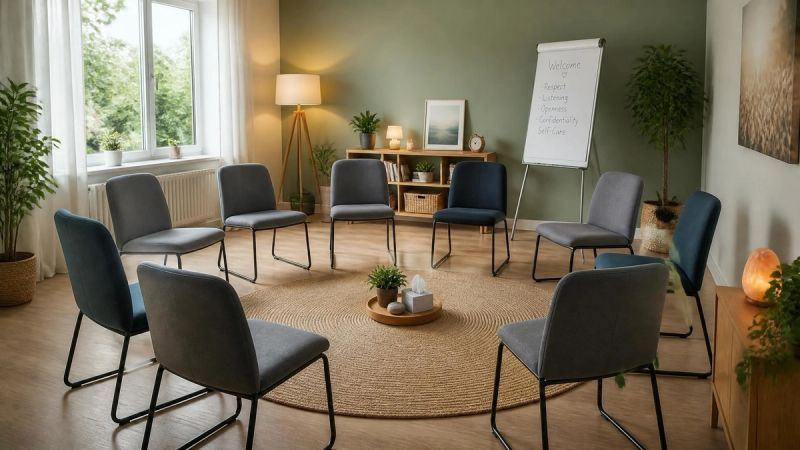
What an Anger Management Course Actually Looks Like
A typical anger management course is structured and practical. You might spend a morning, a day, or several weekly sessions learning about how anger works in the body and mind. Common topics include recognising early warning signs, understanding personal triggers, using breathing and relaxation techniques, and practising assertive communication.
Many courses use worksheets, role-play, or group discussion. Some are delivered in workplaces, community centres, or online. In Ireland, you may find courses advertised by counsellors, coaching providers, or employee assistance programmes. The quality can vary, so it is worth checking whether the facilitator has relevant training and accreditation.
Group courses can be helpful because they show you that you are not the only one struggling. Hearing other people describe similar patterns can reduce shame and make change feel more possible. However, not everyone is comfortable discussing anger in a group setting, and that is okay too. One-to-one options are widely available for people who prefer privacy.

What Therapy Actually Is
Therapy, particularly approaches like cognitive behavioural therapy (CBT), goes further. It looks at the thoughts, beliefs, past experiences, and emotional patterns underneath the anger. Therapy is usually one-to-one, confidential, and tailored to you.
A therapist might help you explore:
- Where your anger patterns began
- How past experiences, family dynamics, or trauma shaped your responses
- Whether anger is masking anxiety, depression, grief, or low self-worth
- How your beliefs about fairness, respect, and control affect your reactions
- Long-term changes to how you relate to yourself and others
Different therapeutic approaches can help with anger. CBT focuses on thoughts and behaviours. Psychodynamic therapy explores how past relationships influence present reactions. Compassion-focused therapy helps people who are very self-critical. Eye movement desensitisation and reprocessing (EMDR) can be useful if trauma is part of the picture.
Therapy tends to take longer than a weekend course, but the changes can be deeper and more lasting. It is especially helpful if your anger is frequent, intense, linked to other mental health difficulties, or causing serious problems in relationships or at work.

The Key Differences
| Anger management | Therapy | |---|---| | Usually short-term and skills-based | Can be short-term or longer-term | | Often delivered in groups or online modules | Usually one-to-one and confidential | | Focuses on controlling anger in the moment | Explores the causes and patterns behind anger | | Practical techniques and exercises | Deeper psychological work | | Best for situational or mild-to-moderate anger | Better for persistent, severe, or complex anger |
Neither is "better" than the other. They serve different purposes. Some people start with anger management and later move into therapy. Some do the reverse. The right choice depends on what is driving your anger and what you want to change.

Which One Is Right for You?
You might benefit from anger management if:
- Your anger is mostly triggered by specific situations
- You want practical tools you can use quickly
- You prefer learning in a group or at your own pace
- You don't feel there is a deeper emotional issue underneath
You might benefit from therapy if:
- Your anger feels overwhelming or out of control
- It is damaging your relationships or career
- You suspect anxiety, depression, trauma, or low self-esteem are involved
- You have tried anger management before and the problem returned
- You want to understand yourself better, not just manage symptoms
In Ireland, both options are available through the HSE, private providers, and online services. Some workplaces and employee assistance programmes also offer short-term counselling or anger management support. Waiting times for HSE services can be long, so if your situation feels urgent, private therapy or a reputable online provider may be a faster route to support.
Cost is also a practical consideration. Private therapy in Ireland typically ranges from €60 to €180 per session, with many accredited therapists charging between €70 and €100. Anger management courses vary more widely, from free community programmes to several hundred euros for private weekend intensives.

Can You Do Both?
Yes. In fact, many people get the best results by combining the two. Anger management can give you immediate tools to stop things from getting worse, while therapy helps you address the root causes so the anger becomes less frequent over time.
For example, you might attend a CBT-based therapy course to understand your triggers and thought patterns, while also using anger management techniques to handle day-to-day frustrations. The two approaches complement each other well.
The most important thing is not which label you choose. It is finding support that feels right for you and sticking with it long enough to see change.

What If You're Still Not Sure?
It is normal to feel unsure. Many people arrive at this decision after years of telling themselves they should be able to handle it alone. If that is where you are, start with an honest question: is my anger mostly about specific situations I can learn to handle better, or is it a pattern that keeps returning no matter what I try?
If it is mostly situational, an anger management course or a few CBT sessions may give you what you need. If it is a long-standing pattern, or if it is mixed with anxiety, low mood, or relationship difficulties, therapy is likely the better investment.
You can also speak to a therapist for an initial session to help you decide. Many therapists in Ireland offer a brief consultation where you can explain what is happening and get their view on whether therapy or anger management is more suitable.

Frequently Asked Questions
Is anger management the same as counselling?
No. Anger management is usually a structured, skills-based programme. Counselling or therapy is a broader process that explores your thoughts, feelings, and experiences in more depth.
How do I know if I need anger management or therapy?
If your anger is mostly about specific triggers and you want practical tools, anger management may be enough. If your anger is persistent, severe, or linked to other emotional difficulties, therapy is likely a better fit.
Can I get anger management or therapy free in Ireland?
Some HSE services and employee assistance programmes offer free or low-cost support. Private therapy typically costs between €60 and €180 per session. The HSE's SilverCloud programme offers free guided digital CBT for mild-to-moderate anxiety and depression.
How long does each take?
Anger management courses can range from a single day to several weeks. Therapy often lasts from 8 to 20 sessions, depending on your needs and goals.
For a complete overview of anger management in Ireland, including causes, treatments, and how to get help, see our guide to Anger Management in Ireland: A Complete Guide.
Related Articles
- What Is Anger Management? Signs Your Anger Is a Problem in Ireland
- Why Am I So Angry? Common Causes of Anger Issues in Adults
- Anger and Anxiety: How They Feed Each Other
- Anger and Depression: The Link Between Rage and Low Mood
- Anger in Relationships: How It Damages Connection and What Helps
- Workplace Anger: Managing Outbursts and Frustration in Ireland
- Anger Management for Men: Why Irish Men Struggle to Seek Help
- CBT for Anger Management: Techniques That Work in Ireland
Choosing between anger management and therapy doesn't have to be confusing. If you want practical skills and fast results, anger management is a strong starting point. If you want to understand why your anger keeps returning and make deeper changes, therapy is the better path.
If you're not sure where to start, speaking with a therapist can help you figure out what you need. You can also get matched with a therapist through Feel Better Therapy and find someone who specialises in anger and the Irish context.
This article is for informational purposes only and does not constitute medical advice. If you are in crisis, please contact Samaritans Ireland at 116 123 or Pieta House at 1800 247 247.