CBT for Anger Management: Techniques That Work in Ireland

Discover how CBT helps manage anger in Ireland. Learn practical techniques, what to expect in sessions, and how to access CBT therapy.
David, a 38-year-old teacher from Galway, had tried everything he could think of. He counted to ten. He went for runs. He promised himself, his partner, and his class that he would keep his temper under control. But when a driver cut him off on the Headford Road, or a parent sent a demanding email at half past nine on a Sunday night, the anger still came faster than his good intentions could stop it.
What changed for David wasn't willpower. It was cognitive behavioural therapy, or CBT. Over a few months, he learned to notice the thoughts that flared up before his temper did, and he practised responding differently. He didn't become a different person. He just stopped feeling at the mercy of his own reactions.
If you're wondering whether CBT could help you manage anger, this article explains what it is, how it works, and how to access it in Ireland today.
What CBT for Anger Actually Is
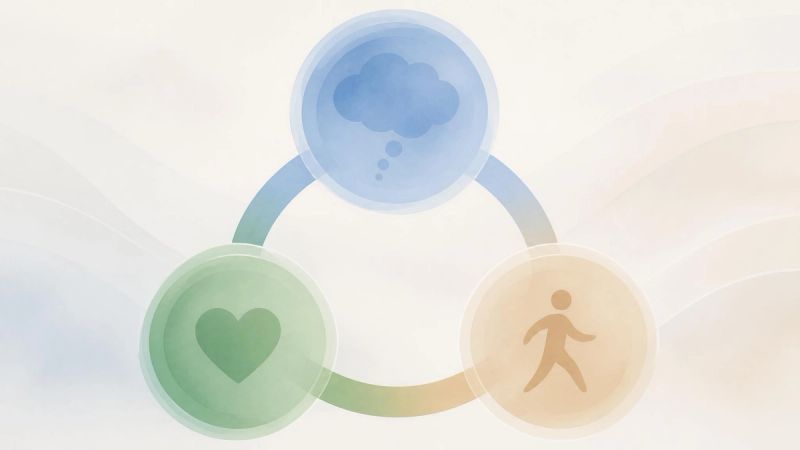
CBT is a structured, practical form of therapy that looks at how your thoughts, feelings, and behaviours influence each other. It is one of the most researched and widely used therapies for anger management. Rather than digging endlessly into your past, CBT focuses on what is happening now and what you can change going forward.
The basic idea is simple: anger rarely appears out of nowhere. It is usually triggered by a situation, filtered through a thought, and then expressed as a feeling and behaviour. CBT helps you slow that process down so you can intervene at each step.
"CBT doesn't ask you to stop feeling angry. It teaches you to recognise the thought that turns irritation into rage, and to choose a different response." — Dr. Niamh Connolly, clinical psychologist
For anger specifically, CBT helps you identify your personal triggers, challenge unhelpful beliefs, learn calming techniques, and practise new ways of communicating. It is usually short-term, goal-focused, and involves homework between sessions. Most people notice some change within the first few weeks.

How CBT Works for Anger
Most people experience anger in a cycle. Something happens — a delay, a criticism, a perceived unfairness — and the body reacts. Heart rate rises, muscles tighten, and breathing becomes shallow. At the same time, the mind produces quick judgments: "They did that on purpose," "This is unacceptable," or "I can't take this anymore."
CBT breaks that cycle into parts:
- Situation: What actually happened
- Thought: What you told yourself about it
- Feeling: The emotional and physical response
- Behaviour: What you did next
The goal is not to eliminate anger. Some situations genuinely deserve a strong response. The goal is to make your reaction proportionate, controlled, and chosen rather than automatic and destructive.
For example, instead of thinking, "My boss is deliberately undermining me," CBT might help you consider, "My boss was under pressure and communicated badly. I can address this without escalating." That shift in thinking creates space for a calmer, more effective response.

Techniques That Actually Help
CBT for anger includes a range of practical techniques. A therapist will tailor them to your situation, but the core tools include:
Cognitive restructuring. This means identifying the thoughts that fuel your anger and testing whether they are accurate or helpful. All-or-nothing thinking, mind-reading, and catastrophising are common patterns that make anger worse.
Relaxation and breathing. Slow, controlled breathing helps activate the body's calming system. Many people learn to use this at the first sign of physical anger, before the situation escalates.
Assertiveness training. Anger often comes from feeling unable to express needs or boundaries. CBT teaches assertive communication — stating what you need clearly and respectfully, without aggression or passivity.
Problem-solving. Some anger is caused by real, solvable problems. CBT helps you break those problems into manageable steps instead of reacting emotionally.
Exposure and rehearsal. For recurring trigger situations, therapists may use role-play or guided rehearsal so you can practise new responses in a safe setting before using them in real life.
Mindfulness. Paying attention to the early signs of anger — a clenched jaw, a tight chest, a rising voice — gives you the chance to pause before reacting.

CBT and the Irish Healthcare System
Accessing CBT in Ireland has become easier in recent years, although waiting lists and costs can still be barriers.
The HSE offers SilverCloud, a free guided digital CBT programme for adults with mild-to-moderate depression and anxiety. It is available nationwide and does not require a medical card. SilverCloud has had over 45,000 referrals in Ireland and can be accessed through a GP referral or, in some areas, self-referral.
For face-to-face CBT, options include:
- Your GP: Can refer you to HSE psychology services, although waiting times vary by area.
- Primary Care Psychology: Free HSE service for adults with mild-to-moderate mental health difficulties, usually accessed through GP referral.
- Private CBT therapists: Typically charge between €60 and €180 per session, with many accredited therapists charging between €70 and €100.
- Health insurance: Some VHI, Laya, and Irish Life plans cover a limited number of counselling or psychotherapy sessions. Check your policy details.
- Online therapy: Offers flexibility for shift workers, people in rural areas, or anyone who prefers to speak from home.
When choosing a CBT therapist in Ireland, look for accreditation with a recognised body such as the Irish Association for Counselling and Psychotherapy (IACP) or the Psychological Society of Ireland (PSI). This ensures the therapist has met professional training and ethical standards.

What to Expect in CBT Sessions
A typical course of CBT for anger might last between 8 and 20 sessions, depending on the severity of the problem and your goals. Sessions are usually weekly at first, then spaced out as progress is made.
In the first session or two, the therapist will ask about your anger patterns, your history, and what you want to change. Together, you will set specific goals. From there, each session usually involves reviewing homework, learning a new skill, and planning practice for the week ahead.
Homework is a key part of CBT. It might include keeping an anger diary, practising breathing exercises, or having a difficult conversation using assertive communication. The more you practise between sessions, the faster the changes tend to stick.
CBT is not about becoming passive or suppressing your feelings. It is about responding to anger in a way that protects your relationships, your health, and your self-respect.

Making CBT Stick After Therapy Ends
One of the strengths of CBT is that it teaches skills you can keep using long after therapy finishes. But like any skill, those tools fade if they are not practised.
Many people find it helpful to keep a simple anger diary, even briefly, after finishing CBT. Noting what triggered you, what you thought, and how you responded helps you spot patterns before they become habits again. It also reminds you which techniques work best for you.
It is normal for old reactions to resurface during stress, illness, or major life changes. The difference after CBT is that you recognise the warning signs earlier and know what to do. A few sessions of top-up therapy can also help if you feel yourself slipping back.
Lifestyle factors play a role too. Poor sleep, heavy drinking, and high stress make everyone more irritable. CBT does not replace looking after the basics, but it does make it easier to protect your sleep, set boundaries, and manage pressure without losing your temper.

Frequently Asked Questions
Is CBT effective for anger management?
Yes. CBT is one of the most evidence-based treatments for anger problems. Research shows it can reduce anger intensity, frequency, and aggression, and improve communication and relationships.
How long does CBT for anger take?
Many people see noticeable improvement within 8 to 12 sessions, though this varies. Short-term CBT is common because the approach is structured and goal-focused.
Can I get CBT for free in Ireland?
Yes, some options are free. The HSE's SilverCloud programme offers guided digital CBT at no cost. HSE psychology services and primary care psychology may also provide free face-to-face CBT, though waiting lists apply.
What's the difference between CBT and anger management classes?
Anger management classes often teach general coping skills and psychoeducation. CBT is a more personalised therapy that looks at your specific thought patterns, triggers, and behaviours, and works to change them over time.
For a complete overview of anger management in Ireland, including causes, treatments, and how to get help, see our guide to Anger Management in Ireland: A Complete Guide.
Related Articles
- What Is Anger Management? Signs Your Anger Is a Problem in Ireland
- Why Am I So Angry? Common Causes of Anger Issues in Adults
- Anger and Anxiety: How They Feed Each Other
- Anger and Depression: The Link Between Rage and Low Mood
- Anger in Relationships: How It Damages Connection and What Helps
- Workplace Anger: Managing Outbursts and Frustration in Ireland
- Anger Management for Men: Why Irish Men Struggle to Seek Help
Anger can feel overwhelming, but it is also one of the most treatable emotional difficulties. CBT gives you a practical set of tools to understand your triggers, challenge the thoughts that escalate your temper, and respond in ways that match the person you want to be.
If you are struggling with anger and want to try CBT, you can find a CBT therapist in Ireland through Feel Better Therapy. You can also get matched with a therapist who understands anger management and the Irish healthcare system.
This article is for informational purposes only and does not constitute medical advice. If you are in crisis, please contact Samaritans Ireland at 116 123 or Pieta House at 1800 247 247.