Body Image and Self-Esteem in Ireland: The Pressure to Look 'Right'

Body image problems are rising in Ireland, fuelled by social media and cultural pressures. Learn how body image affects self-esteem and what actually helps.
Ciara is getting ready for a friend's wedding in Cork. She's tried on four dresses. The fifth is laid across the bed. In the mirror, she looks fine — better than fine, actually — but her internal voice is listing everything wrong. Her arms. Her stomach. The way the fabric sits. She's 28, healthy, and objectively looks good in the dress. But none of that matters in the moment. What matters is the feeling that she doesn't look how she's supposed to.
She checks her phone. Instagram shows another influencer in a bikini in Kerry, another friend at a spinning class, another "transformation" post. She puts the dress back in the wardrobe and chooses something looser.
If this sounds familiar, you're not alone. Body image has become one of the most common drivers of low self-esteem in Ireland, especially among younger adults. And while the problem is personal, the pressures behind it are everywhere.

What Body Image Really Means
Body image isn't just about whether you think you look good. It's the mental picture you have of your body, and the thoughts and feelings that come with it. That picture is shaped by years of comments, comparisons, photos, and cultural messages. It rarely matches what you actually look like.
Someone with a positive body image doesn't necessarily think their body is perfect. They accept it as it is, treat it with basic respect, and don't let appearance dominate their sense of worth. Someone with a negative body image gets stuck in criticism, comparison, and shame. The body becomes something to manage, hide, or fix rather than live in.
This matters because body image is closely linked to self-esteem. When you dislike your body, it's hard not to extend that dislike to yourself. You start to believe that your value depends on your appearance.
Why Body Image Hits Self-Esteem So Hard
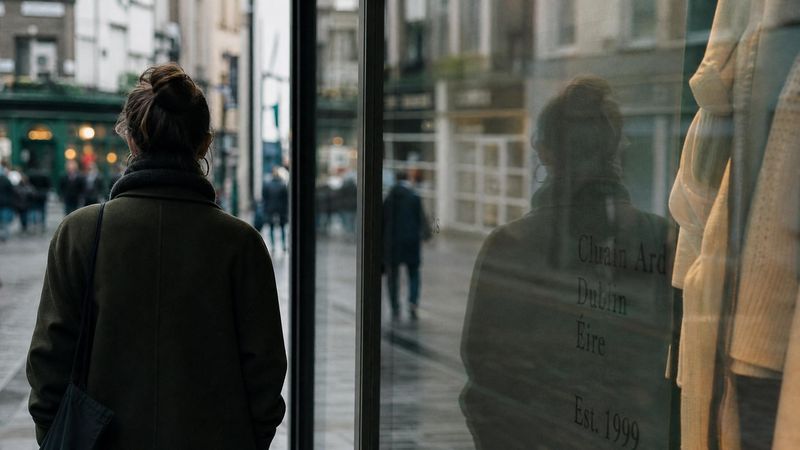
We live in a culture that treats appearance as currency. Looking "good" is treated as evidence of discipline, health, success, and even morality. This message seeps in everywhere: magazines, adverts, fitness apps, dating profiles, and especially social media.
When your body is constantly being evaluated — by yourself and others — it's easy to start viewing yourself as an object to be improved. Psychologists call this self-objectification. It means you spend mental energy monitoring how you look instead of how you feel, what you think, or what you want to do.
Over time, this wears down confidence. You might avoid social events, photos, swimming, or intimacy. You might delay dating or job interviews because you don't feel "ready." The body becomes a reason to shrink your life.

The Irish Context: Pub Culture, Weddings, and "Be Grand"
Ireland has its own particular mix of body image pressures. On one hand, there's the pub and social culture where drinking, eating, and celebrating are central. On the other, there's a growing fitness and wellness culture that can feel just as judgmental as any Hollywood ideal.
Weddings, christenings, and communions often come with months of "getting into shape." Hen parties and holidays abroad can trigger intense anxiety about how you'll look in photos. And because Irish social circles are often tight, comments about weight or appearance are common — sometimes meant as affection, sometimes not.
There's also the Irish habit of deflecting with humour. "Ah sure, I'm a state." "I shouldn't be eating this." These jokes can seem harmless, but they reinforce the idea that our bodies are constantly being judged. They make body shame feel normal.
Social Media and the Comparison Trap
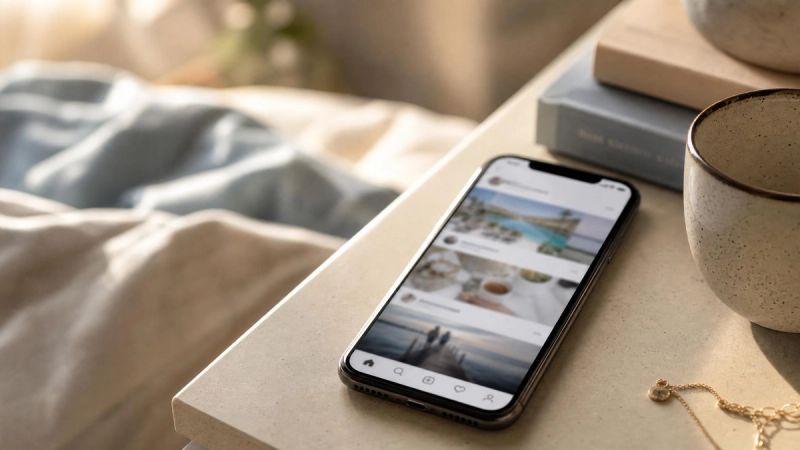
Social media doesn't create body insecurity from nowhere. But it can amplify it dramatically. Studies have shown that spending more time on image-focused platforms is associated with poorer body image, particularly among young women, but increasingly among men too.
The problem isn't just the images themselves. It's the comparison. You're comparing your everyday, unfiltered, private self to someone else's highlight reel. You're comparing your body at rest to bodies posed, lit, edited, and sometimes surgically altered. Even when you know this logically, the emotional comparison still happens.
Filters and editing apps make it worse by narrowing the range of what's considered acceptable. Skin must be smooth. Waists must be small. Teeth must be white. The result is a homogenised beauty standard that almost nobody meets naturally.

What Actually Helps
Improving body image isn't about forcing yourself to love how you look. That's often unrealistic, especially if you've spent years criticising your body. A more useful goal is body neutrality: treating your body with respect even on days you don't feel great about it.
Reduce the comparison diet
Start by curating what you see. Unfollow accounts that make you feel worse. Follow people with different body types, ages, and abilities. The images you consume become your reference group. Choose a wider one.
Notice body talk
Pay attention to how often you or people around you make appearance-based comments. You don't have to confront anyone. Just notice. The more aware you become, the easier it is to step out of the habit.
Wear clothes that fit the body you have
This sounds small but it matters. Clothes that pinch, squeeze, or don't fit properly keep your attention on your body in a critical way. Choose comfort and fit over the number on the label.
Move for enjoyment
Exercise can become another way to punish your body. Try shifting the goal from changing your appearance to feeling stronger, more mobile, or less stressed. Walk, swim, dance, stretch. Do something that makes you feel present in your body rather than at war with it.
Challenge the inner critic
The voice that says your body is wrong is not a fact. It's a learned commentary. Techniques from cognitive behavioural therapy can help you notice, question, and gradually soften that voice.
Practice small acts of self-respect
Body image improves when you treat your body as worth caring for, even if you don't love how it looks. Feeding yourself properly, resting when tired, wearing comfortable clothes, and moving gently are not rewards for looking a certain way. They are basic kindnesses.
When Body Image Becomes a Bigger Problem
For some people, body image distress becomes overwhelming. It can develop into body dysmorphic disorder, where you become preoccupied with perceived flaws that others don't see. It can also contribute to disordered eating, depression, and social anxiety.
Signs that body image is becoming a serious issue include:
- Spending hours a day checking or avoiding mirrors
- Avoiding social events because of how you look
- Constantly comparing your body to others
- Feeling disgust or hatred toward your body most days
- Using extreme diets, exercise, or supplements to change your appearance
- Having thoughts of self-harm related to your body
If any of these apply, professional support is important. Body image problems are treatable, and you don't have to wait until they feel catastrophic to seek help.

Frequently Asked Questions
Is poor body image the same as low self-esteem?
Not exactly, but they're closely connected. Poor body image can cause or worsen low self-esteem. If you believe your body is unacceptable, it's easy to believe you are unacceptable. Working on one usually helps the other.
Do men struggle with body image too?
Yes. While women are more often studied, research shows that body image concerns among men are rising. Pressures around muscularity, leanness, and height affect many men and boys. The stigma around talking about it can make it harder to recognise.
Can therapy help with body image?
Yes. Therapies like CBT, compassion-focused therapy, and acceptance and commitment therapy can all help with body image. A therapist can help you understand where your beliefs came from and build a more balanced relationship with your body.
How long does it take to improve body image?
It varies. For some people, small changes in habits and media consumption lead to noticeable improvement within weeks. For others, especially where body image is tied to deeper beliefs or past experiences, therapy may be needed over several months.
You Deserve to Occupy Space
Ciara wore the fitted dress to the wedding. It wasn't a miracle transformation. She still had moments of self-consciousness during the night. But she danced, she talked, she laughed, and she let herself be seen. That is the goal. Not perfect confidence. Not loving every inch of yourself every day. Just the freedom to be in the world without your appearance controlling the room.
Your body is not a project to complete. It is the vehicle through which you live your life. If body image is holding you back, support is available. At Feel Better Therapy, we can match you with a therapist who understands these pressures. You can get started here whenever you're ready.
Related Articles
- Self-Esteem and Confidence Therapy in Ireland: A Complete Guide
- Self-Esteem After a Breakup: Rebuilding Your Sense of Self
This article is for informational purposes only and does not constitute medical advice. If you are in crisis, please contact Samaritans Ireland at 116 123 or Pieta House at 1800 247 247.