Depression Treatment Online: Finding Light in the Irish Winter

Learn how online therapy helps Irish adults overcome depression, from seasonal affective disorder to post-natal depression. Evidence-based treatment approaches explained.
The Irish winter arrives with a particular heaviness. The clocks change, daylight retreats to a brief appearance between eight and four, and the rain settles in for months. For many, this seasonal shift brings more than inconvenience—it triggers or worsens depression that can make even basic functioning feel impossible.
Depression affects one in ten Irish adults at any given time, yet misconceptions persist. It is not simply feeling sad or having a low mood that passes with a good night's sleep. Clinical depression is a serious mental health condition that alters how you think, feel, and function. When left untreated, it can damage relationships, impair work performance, and in severe cases, lead to suicide.
Online therapy has transformed how Irish people access depression treatment. Where once geographical isolation, waiting lists, and stigma created barriers to care, virtual sessions now connect clients with qualified therapists from the privacy of home. This accessibility is particularly crucial for depression, where the symptoms themselves—fatigue, hopelessness, social withdrawal—often prevent people from seeking help.
Understanding Depression: Beyond the Blues
Depression manifests differently for everyone, but core symptoms distinguish it from ordinary low mood. Persistent sadness or emptiness lasting two weeks or more is the hallmark, accompanied by loss of interest in activities once enjoyed. Sleep disturbances are common—either insomnia or excessive sleeping. Appetite changes, difficulty concentrating, physical agitation or slowing, and feelings of worthlessness or guilt characterise the condition.
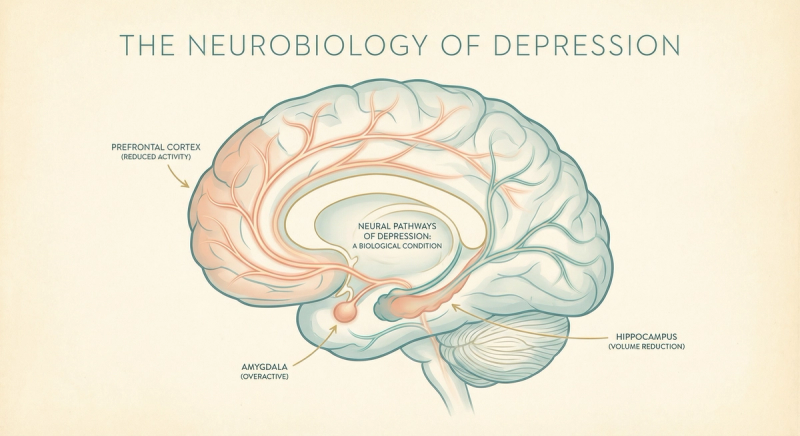
The biological basis of depression is now well-established. Neurotransmitters including serotonin, norepinephrine, and dopamine function improperly in depressed brains. Neural circuits regulating mood, thinking, and stress responses show altered activity. This is not a character flaw or weakness—it is a medical condition requiring treatment, just as diabetes or hypertension does.
Irish-specific factors compound depression risk. Our northern latitude means reduced winter sunlight, disrupting circadian rhythms and serotonin production. Cultural attitudes historically discouraged emotional expression, leaving generations ill-equipped to process difficult feelings. Economic uncertainty, housing insecurity, and social isolation in modern Ireland create genuine stressors that overwhelm coping capacities.
Why Online Therapy Works for Depression

The symptoms of depression create a cruel paradox: the condition makes seeking help difficult, yet treatment requires engagement. Online therapy addresses this by removing practical barriers that might otherwise prevent someone from reaching out.
Accessibility eliminates the journey. When even leaving the house feels impossible, travelling to a therapist's office becomes insurmountable. Online sessions require only opening a laptop or phone. This accessibility can mean the difference between getting help and continuing to suffer in isolation.
Privacy reduces stigma concerns. Despite progress, mental health stigma persists in Ireland. Many fear being seen entering a therapy clinic or worry about colleagues discovering their struggles. Online therapy occurs in the privacy of home, removing these concerns entirely.
Flexibility accommodates variable functioning. Depression symptoms fluctuate—some days are manageable, others debilitating. Online therapy allows scheduling during better periods and offers the option to attend from bed on difficult days. This adaptability maintains continuity of care when traditional appointments might be missed.
Comfort facilitates openness. Discussing painful emotions requires safety. For many, the familiarity of home creates this sense of security more readily than an unfamiliar clinical environment. Clients often report feeling able to discuss difficult topics sooner in online therapy than they would in person.
Evidence-Based Approaches to Online Depression Treatment

Effective depression treatment online employs the same evidence-based approaches used in face-to-face therapy. The delivery method changes; the therapeutic techniques do not.
Cognitive Behavioural Therapy remains the gold standard for depression treatment. CBT helps clients identify negative thought patterns that maintain depressed mood and develop more balanced thinking. Behavioural activation—gradually re-engaging with rewarding activities—is particularly effective for depression's withdrawal symptoms.
Interpersonal Therapy focuses on relationships and life transitions that may trigger or worsen depression. Grief, role disputes, role transitions, and interpersonal deficits are addressed through structured weekly sessions. IPT is especially effective for depression linked to specific life events.
Mindfulness-Based Cognitive Therapy combines cognitive techniques with mindfulness meditation. MBCT helps clients observe thoughts without becoming entangled in them, preventing the rumination that characterises depression. Regular practice between sessions builds skills that protect against relapse.
Behavioural Activation addresses depression through action rather than insight. By scheduling rewarding activities, breaking tasks into manageable steps, and tracking mood patterns, clients rebuild engagement with life. This approach is particularly suited to online delivery through structured homework and activity monitoring.
The Irish Context: Depression in Our Communities
Understanding depression in Ireland requires acknowledging specific cultural and environmental factors that influence its presentation and treatment.
Seasonal Affective Disorder affects an estimated one in fifteen Irish adults. Our latitude means minimal daylight from November through February, disrupting melatonin and serotonin production. SAD presents with typical depression symptoms plus carbohydrate craving, weight gain, and excessive sleep. Light therapy and online CBT show particular effectiveness for this condition.
Post-natal depression affects approximately one in ten new mothers in Ireland. Sleep deprivation, hormonal changes, and the immense life transition create vulnerability. Online therapy offers new mothers accessible support without requiring childcare or travel during an already overwhelming period.
Male depression often goes unrecognised and untreated in Ireland. Traditional masculine norms discourage emotional expression, leading men to experience depression as irritability, anger, or physical symptoms rather than sadness. Online therapy's privacy and accessibility may help overcome these barriers for men who would not seek traditional help.
Rural isolation compounds depression across Ireland's countryside. Limited local services, transport difficulties, and small-community privacy concerns create significant barriers to care. Online therapy effectively addresses these geographical inequities, providing quality treatment regardless of location.
What to Expect from Online Depression Treatment

Beginning therapy for depression follows a structured process that builds momentum toward recovery. Understanding this journey helps set realistic expectations and prepares you for active participation.
Assessment and formulation typically occupy the first two sessions. Your therapist gathers detailed information about your depression history, current symptoms, and what maintains them. Together, you develop a shared understanding of how your depression developed and what keeps it going. This formulation guides treatment planning.
Psychoeducation explains depression's mechanisms. Understanding that depression involves biological, psychological, and social factors reduces self-blame and normalises your experience. You'll learn about the cycle of withdrawal and low mood, and how therapy interrupts this pattern.
Active treatment occupies the middle sessions. Depending on your specific needs, this might involve challenging negative thoughts, gradually re-engaging with activities, processing difficult emotions, or developing coping strategies. Homework between sessions extends the work, with your therapist providing guidance and accountability.
Relapse prevention prepares you for maintaining gains. Depression can recur, but therapy equips you with skills to recognise warning signs early and respond effectively. You'll develop a personal wellness plan and identify resources for future support if needed.
Finding the Right Online Therapist for Depression

Not all therapists specialise in depression, and choosing a practitioner with appropriate expertise significantly affects outcomes. Here's what to consider when selecting online depression treatment.
Depression-specific training indicates relevant expertise. While general therapists can treat mild depression, moderate to severe cases benefit from practitioners with specific training in evidence-based approaches like CBT, IPT, or MBCT for depression.
Experience with your depression presentation enhances effectiveness. Post-natal depression, SAD, chronic depression, and bipolar depression require different approaches. Ask potential therapists about their experience with your specific situation.
Practical considerations matter for online therapy. Ensure you have reliable internet, a private space for sessions, and appropriate technology. Test these before committing to ensure seamless sessions.
Personal fit affects engagement. The therapeutic relationship powerfully influences depression outcomes. During initial consultations, assess whether you feel understood and comfortable. A skilled therapist balances warm support with appropriate challenge—too much of either compromises effectiveness.
Taking the First Step
Reaching out for help with depression requires courage. The condition itself tells you that improvement is impossible, that you are not worth helping, that things will never change. These are symptoms of depression—not truths.
Online therapy offers a practical pathway to treatment that accommodates depression's realities. You need not wait until you feel better to seek help; therapy provides the tools that create improvement. You need not force yourself into uncomfortable clinical settings; support comes to you. You need not disclose your struggles to anyone you do not choose to tell; privacy remains absolute.
The decision to begin therapy is itself an act of hope. It acknowledges that change is possible, that you deserve support, and that difficult feelings can be faced rather than endured alone. Thousands of Irish adults have used online therapy to recover from depression and rebuild meaningful lives. Recovery is possible. The question is whether you are ready to begin.
Related Guides:
Related Guides:
This article is part of The Ultimate Guide to Online Therapy in Ireland — our comprehensive hub covering everything you need to know about virtual mental health support.
- **CBT Online: Why It's the Gold Standard for Irish Anxiety Support** — The most effective approach for anxiety
- **Free and Low-Cost Online Therapy Options in Ireland** — Accessing support on a budget
- **The Best Online Therapy for ADHD** — ADHD-specific support strategies