How Much Does Online Therapy Cost in Ireland? A 2026 Price Guide

Discover the true cost of online therapy in Ireland in 2026. From session rates (€60-€100) to insurance coverage, tax relief, and hidden savings—your complete guide to budgeting for mental health support.
The decision to start therapy often arrives long before we admit it. You might have been considering it for months—maybe years—before finally searching for help. And when you do, one question tends to dominate: how much will this actually cost me?
In Ireland, where the cost of living has squeezed household budgets tighter than ever, therapy can feel like a luxury reserved for those with disposable income. But that perception is changing rapidly. Online therapy has disrupted the traditional model, removing the overheads of city centre consulting rooms and passing those savings directly to clients. What was once a €100-per-hour commitment can now start from as little as €60, with the added benefit of never having to pay for parking or lose wages travelling to appointments.
This guide breaks down exactly what you can expect to pay for online therapy in Ireland in 2026. We'll examine session rates across the country, explore how virtual sessions save you money beyond the sticker price, and explain why the cheapest option isn't always the most cost-effective in the long run.
Understanding Online Therapy Costs in Ireland: The 2026 Landscape
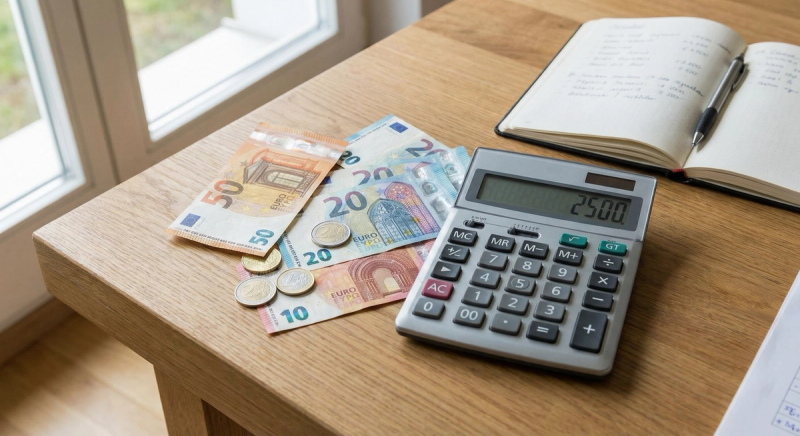
The therapy market in Ireland has shifted significantly over the past two years. Where once your options were limited to whatever practitioners happened to operate within travelling distance, online platforms now connect you with accredited professionals across the entire island—and beyond. This competition has created more transparent pricing, though the range remains considerable.
Typical session rates for online therapy in Ireland currently fall between €60 and €100 per hour. At the lower end, you will find newly qualified therapists building their practice, often supervised by senior clinicians. At the higher end, expect highly experienced practitioners with specialist qualifications—perhaps in trauma therapy, EMDR, or specific modalities like Dialectical Behaviour Therapy.
Geography matters less than it used to, but it has not disappeared entirely. Therapists based in Dublin may charge towards the upper range regardless of whether sessions are virtual, simply because their own cost of living remains higher. Meanwhile, practitioners in Cork, Galway, or Limerick often offer identical services at lower rates, even online. The beauty of virtual therapy is that you can access this regional variation without the travel.
Package deals have become increasingly common. Many therapists now offer blocks of six or ten sessions at reduced per-session rates. A typical package might reduce your hourly cost from €80 to €70, saving you €60 over the course of treatment. For conditions like anxiety or depression, where NICE guidelines suggest twelve to twenty sessions for effective treatment, these savings accumulate significantly.
The Hidden Savings: Why Online Therapy Costs Less Than It Appears
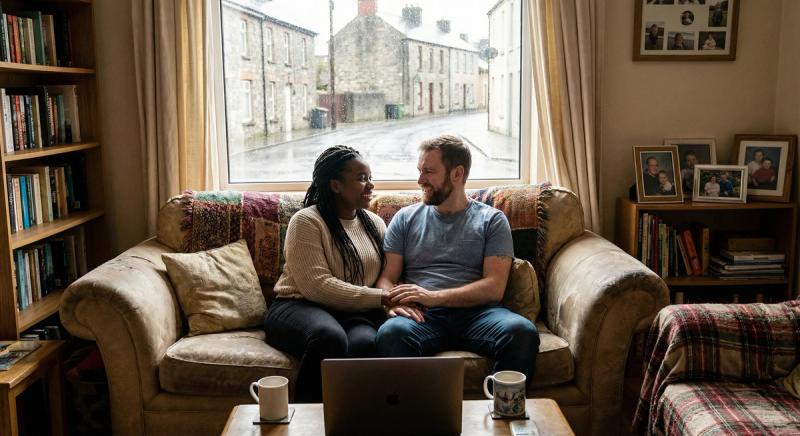
When calculating the true cost of therapy, the session fee is only part of the equation. Traditional face-to-face therapy carries substantial additional expenses that vanish with online sessions.
Travel costs mount quickly. If you are attending weekly sessions in Dublin city centre, you might spend €15-€20 on parking each visit, or €5-€10 on public transport. Over a twelve-week course of treatment, that adds €180-€240 to your total cost—equivalent to two or three additional sessions. Rural clients face even steeper costs, often driving 40 minutes or more each way, burning fuel and time they cannot reclaim.
Lost wages represent another hidden expense. Leaving work for a mid-afternoon appointment means lost productivity that many employers, particularly in hourly or shift-based roles, will dock from your pay. Even salaried workers may need to make up time or use annual leave. A one-hour therapy appointment can easily consume three hours of your day when travel and context-switching are factored in.
The convenience premium of online therapy reverses this calculation. Sessions can happen during your lunch break, before work, or after children have gone to bed—times when traditional therapists rarely operate. This flexibility means you are less likely to cancel due to logistical pressures, and cancellation fees (typically 50-100% of session cost) become less frequent.
What Affects the Price? Factors That Influence Session Rates
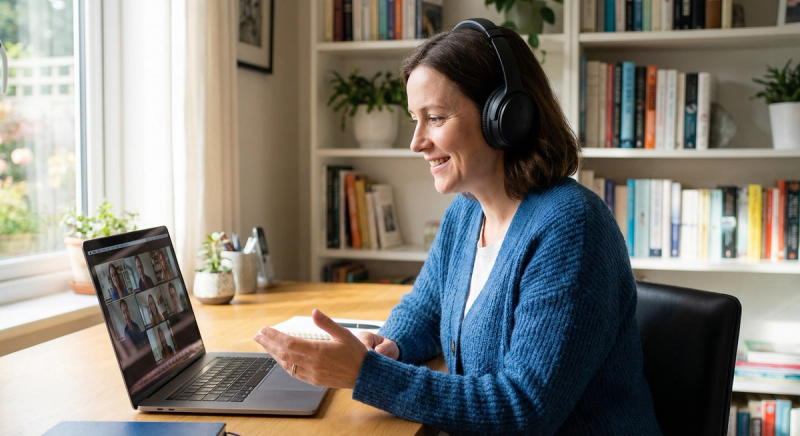
Not all online therapy costs the same, and understanding why helps you make informed choices about where to invest your money.
Qualifications and experience remain the primary price drivers. A therapist with ten years' experience, accreditation with the Irish Association for Counselling and Psychotherapy (IACP), and specialist training in trauma will command higher fees than a newly qualified practitioner. This is not simply about prestige—experience often translates to more efficient treatment, potentially requiring fewer total sessions to achieve your goals.
Specialist modalities carry premiums. Eye Movement Desensitisation and Reprocessing (EMDR), a highly effective treatment for trauma, typically costs €90-€120 per session due to the additional training required. Similarly, couples therapy, which requires managing the dynamics between two people rather than one, usually sits at the upper end of pricing structures.
Platform versus independent practitioner creates another variable. Dedicated online therapy platforms sometimes offer lower rates through economies of scale, though you may sacrifice the ability to choose your specific therapist. Independent practitioners provide more personalised matching but may charge slightly more to cover their own administrative costs.
Low-Cost Options: When Budget Is the Primary Concern
If €60-€100 per session remains beyond your means, several pathways exist to access mental health support at reduced cost or no cost.
Sliding scale arrangements are offered by many private therapists, particularly those early in their careers or working within certain ethical frameworks. These typically reduce fees to €40-€50 for clients who can demonstrate financial need. The challenge is finding therapists who advertise these arrangements openly—many prefer to discuss them only after initial contact.
Trainee counsellors provide another avenue. Therapy training requires hundreds of hours of supervised practice, meaning trainees offer sessions at substantially reduced rates—sometimes €30-€40—while working under the guidance of experienced supervisors. The quality can be excellent, though progress may be slower as trainees develop their skills.
Charitable organisations offer free or heavily subsidised counselling, though waiting lists are often lengthy. Pieta House provides free crisis intervention and suicide prevention services. Jigsaw offers free counselling to young people aged 12-25. Turn2Me provides free online counselling funded by the HSE, though session limits apply.
Employee Assistance Programmes (EAPs) represent a frequently overlooked resource. Many Irish employers provide free short-term counselling through EAP providers, typically offering six sessions at no cost to employees. These programmes are confidential—your employer will not know you have accessed them—and can provide effective support for many common mental health concerns.
Health Insurance and Tax Relief: Recovering Some Costs

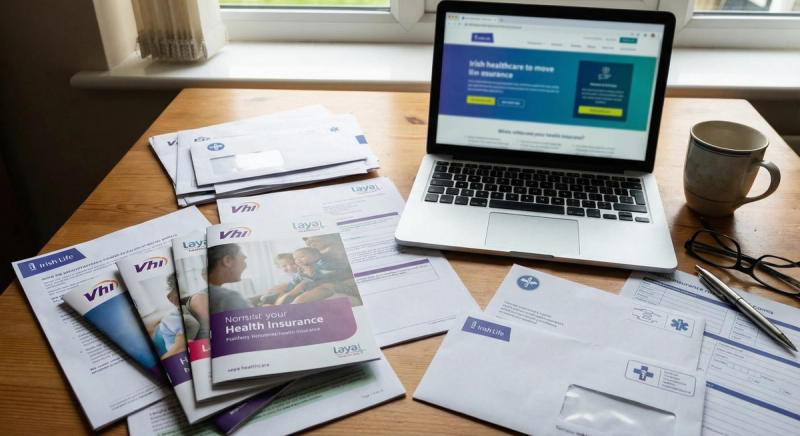
Private health insurance in Ireland increasingly covers psychological care, though the specifics vary considerably between providers and policies.
VHI, Laya Healthcare, and Irish Life all offer plans that include counselling or psychotherapy benefits, but the details matter enormously. Some policies require you to see a psychiatrist first to authorise therapy. Others limit coverage to specific conditions, such as depression or anxiety diagnosed by a GP. Annual limits typically range from €250 to €500, meaning you might recover costs for three to six sessions depending on your therapist's rate.
Online therapy coverage has improved but remains inconsistently applied. Some insurers require practitioners to be physically located in Ireland, even for virtual sessions. Others accept therapists registered with UK bodies but working remotely. The safest approach is contacting your insurer directly before committing to treatment, asking specifically about online session coverage and any pre-authorisation requirements.
Tax relief provides another recovery mechanism. Under Irish Revenue rules, you can claim tax relief at your marginal rate (20% or 40%) on medical expenses, including counselling and psychotherapy. You will need receipts from an accredited practitioner and must submit claims through Revenue's MyAccount system. For someone paying 40% tax on €800 worth of therapy, this represents a €320 reduction in real cost.
Making the Investment: Why Therapy Pays Dividends
It is worth pausing to consider what you are actually buying when you pay for therapy. Unlike most purchases, which provide temporary satisfaction, therapy offers tools that persist and compound over decades.
Effective therapy reduces future costs. Untreated anxiety frequently manifests in physical symptoms—digestive problems, chronic pain, cardiovascular strain—that require expensive medical intervention. Depression impairs work performance, potentially costing promotions or even employment. Relationship difficulties escalate into separation, with devastating financial consequences. Therapy that prevents these outcomes pays for itself many times over.
The skills learned in therapy transfer across life domains. Cognitive Behavioural Therapy teaches thinking patterns that improve decision-making in business, parenting, and personal finance. Mindfulness techniques reduce stress that would otherwise drive impulse purchases or comfort spending. Emotional regulation skills improve professional relationships, enhancing earning potential.
Consider therapy an investment rather than an expense. You would not hesitate to spend €500 on professional development that improved your career prospects. Therapy offers similar returns, enhancing your capacity to earn, relate, and enjoy life. The difference is that therapy's benefits extend to every domain simultaneously.
Finding the Right Therapist at the Right Price
With thousands of therapists now offering online services in Ireland, finding the right match at an acceptable price requires systematic searching.
Start with accreditation. The IACP and the Irish Association of Humanistic and Integrative Psychotherapy (IAHIP) both maintain searchable directories of members, including those offering online sessions. Accreditation means practitioners meet rigorous training standards and adhere to ethical codes. It also means your sessions will qualify for tax relief and likely meet health insurance requirements.
Initial consultations have become standard practice. Most therapists offer brief phone or video consultations at no cost, allowing you to assess fit before committing financially. Use these conversations to ask directly about fees, sliding scales, and what happens if you need to cancel. A therapist's willingness to discuss money transparently often indicates broader professional maturity.
Trust your instincts on value, not just cost. The cheapest therapist who does not help you make progress is more expensive than a pricier one who does. Conversely, the most expensive practitioner is not necessarily the best fit for your specific needs. The goal is finding someone with appropriate expertise, personal compatibility, and a fee structure you can sustain for the duration of treatment.
The Bottom Line: What You Should Budget
For most Irish adults seeking online therapy in 2026, realistic budgeting looks like this:
- Single sessions: €60-€100 - Six-session package: €360-€540 (discounted from €420-€600) - Twelve-session course: €720-€1,080 - With tax relief (40% bracket): €432-€648 net cost
If that feels substantial, remember that spreading sessions across several months makes the cost manageable—weekly sessions for twelve weeks, then monthly maintenance, distributes the investment across a full year. Many therapists also offer reduced-frequency options once initial improvements are established.
The question is not really whether you can afford therapy. It is whether you can afford to continue without the support that might transform your relationship with yourself, your work, and the people you love. For most of us, that calculation points clearly toward making the investment.
At Feel Better Therapy, we believe cost should never be the barrier that prevents someone from accessing quality mental health support. Our online platform connects you with fully accredited Irish therapists at transparent rates, with package options designed to make sustained treatment financially viable. Whether you are struggling with anxiety, depression, relationship difficulties, or simply seeking personal growth, we are here to help you find the right support at a price that respects your circumstances.
Related Guides:
Related Guides:
This article is part of The Ultimate Guide to Online Therapy in Ireland — our comprehensive hub covering everything you need to know about virtual mental health support.
- **Is Online Therapy Covered by VHI, Laya, and Irish Life?** — Navigate insurance coverage and tax relief
- **Free and Low-Cost Online Therapy Options in Ireland** — Accessing support on a budget
- **CBT Online: Why It's the Gold Standard for Irish Anxiety Support** — The most effective therapy approach