How to Get OCD Treatment in Ireland

Finding the right OCD treatment in Ireland can feel confusing. Learn how to access HSE services, private therapy, online options, and what to expect at each step.
Cillian knew something was wrong, but he did not know where to start. The intrusive thoughts had been getting worse for months. He had called his GP once, sat in the waiting room for twenty minutes, and then left before his appointment. He told himself he was not sick enough to take up a doctor's time.
When he finally did see his GP, he was surprised by how straightforward the conversation was. His doctor asked about his symptoms, ruled out any physical causes, and explained the pathways for OCD treatment in Ireland. Within a few weeks, Cillian had a referral for CBT and a prescription for an SSRI. It was not an instant fix, but for the first time in years, he felt like he was moving in the right direction.
Getting treatment for OCD in Ireland can feel overwhelming, especially when you are already struggling. This article explains the main routes available, what to expect, and how to take the first step.

Start With Your GP
Your GP is usually the best first point of contact. They can assess your symptoms, check for any physical health issues that might be contributing, and refer you to the appropriate mental health service. You do not need to have everything figured out before you go. It is enough to say that you are experiencing intrusive thoughts and compulsive behaviours that are interfering with your life.
Some GPs are very familiar with OCD. Others may have less experience. If you feel your concerns are dismissed, it is okay to ask for a referral to a mental health specialist or to seek a second opinion. OCD is a recognised medical condition, and you deserve appropriate care.
Before your appointment, it can help to write down:
- What your intrusive thoughts are about, in general terms
- What compulsions you perform
- How much time these take each day
- How they affect work, relationships, or daily life
- Any previous treatment you have tried
This information helps your GP understand the severity and recommend the right pathway.
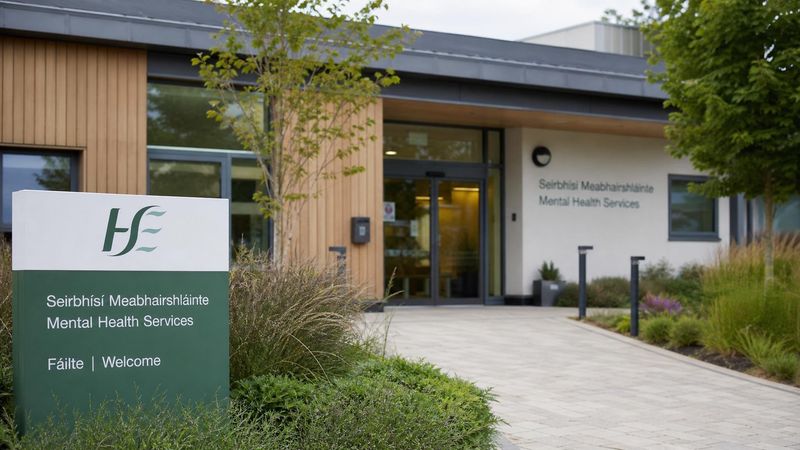
HSE Mental Health Services
In Ireland, the HSE provides mental health services through community mental health teams and primary care psychology services. The right service for you depends on the severity of your symptoms.
For mild to moderate OCD, your GP may refer you to HSE Primary Care Psychology. These services are free and offer short-term counselling or CBT. Waiting times vary significantly by area, but many regions now have self-referral options, which means you can apply directly without going through your GP.
For more severe or complex OCD, your GP may refer you to a Community Mental Health Team. These teams include psychiatrists, psychologists, nurses, and occupational therapists. They can provide more intensive support, including medication management and longer-term therapy.
Adult mental health services in Ireland are organised by HSE area. If you are unsure which service covers your area, your GP or the HSE website can point you in the right direction.

Private Therapy and Psychiatry
Private therapy is an option if you want to start treatment quickly or if public waiting lists are long. In Ireland, many accredited therapists offer CBT and ERP for OCD. The two main professional bodies are the Irish Association for Counselling and Psychotherapy and the Psychological Society of Ireland.
When choosing a private therapist, it is worth asking:
- Do they have experience treating OCD specifically?
- Are they trained in ERP?
- What is their approach to CBT?
- Do they offer online sessions?
- What are their fees and cancellation policies?
Private psychiatry may be appropriate if you need a medication review, a formal diagnosis, or treatment-resistant OCD. Some psychiatrists accept referrals from GPs, while others accept self-referrals. Fees vary, and health insurance may cover part of the cost depending on your plan.
When budgeting for private care, remember that therapy is usually a medium-term commitment rather than a single appointment. Many therapists offer reduced rates for people on lower incomes or students, so it is worth asking if cost is a concern. Some health insurance plans cover a set number of therapy sessions each year, though you may need a GP referral to claim.

Online Therapy Options
Online therapy has become a practical and effective option in Ireland. It removes the need to travel, which can be especially helpful if you live in a rural area, have a busy schedule, or find it hard to leave home because of OCD symptoms.
Many Irish therapists now offer secure video sessions. The standards of care are the same as in-person therapy, and research shows that online CBT can be just as effective for OCD and anxiety when delivered by a qualified therapist.
If you choose online therapy, make sure the platform or therapist is accredited and that sessions are confidential. Avoid unregulated apps or coaches who promise quick fixes. OCD treatment requires structured, evidence-based support.
If you are ready to get matched with an accredited Irish therapist, you can start here through Feel Better Therapy.

What Treatment Actually Looks Like
The gold-standard treatment for OCD is cognitive behavioural therapy with exposure and response prevention, or ERP. This involves gradually facing feared situations or thoughts while resisting the compulsion that usually follows. Over time, this reduces the power of the obsessions and weakens the compulsive cycle.
Some people also benefit from medication, particularly SSRIs. Medication can reduce the intensity of symptoms and make it easier to engage with therapy. Your GP or psychiatrist can discuss whether medication is appropriate for you.
Treatment length varies. Some people see significant improvement in twelve to twenty sessions. Others need longer, especially if symptoms are severe or have been present for many years. Relapse prevention is usually built into the later stages of therapy.
"The earlier people access evidence-based treatment for OCD, the better the outcome. Delays often happen because people feel ashamed of their thoughts, but effective help is available in Ireland through both public and private routes." — Dr. Fiona McNicholas, consultant child and adolescent psychiatrist and OCD researcher

What to Do While You Wait
Waiting lists are a reality in the Irish public mental health system. While you wait for your first appointment, there are still things you can do to support yourself:
- Learn about OCD from reputable sources so you understand what is happening
- Avoid seeking reassurance, as this reinforces the OCD cycle
- Reduce compulsions gradually where you can, without forcing it
- Keep a simple symptom diary to share with your therapist later
- Let a trusted person know what you are going through
- Contact a support organisation such as OCD Ireland for peer support
If your symptoms worsen while waiting, contact your GP again. They may be able to speed up the referral or provide interim support.

Frequently Asked Questions
Can I get OCD treatment for free in Ireland?
Yes. HSE primary care psychology and community mental health services provide free treatment, though waiting times vary by area. Your GP can refer you, and some services accept self-referrals.
Do I need a diagnosis before starting therapy?
No. A good therapist can assess your symptoms in the first session and begin treatment if OCD is present. For medication, a GP or psychiatrist will usually make the prescribing decision.
How long does OCD treatment take?
Many people benefit from twelve to twenty weekly sessions of CBT with ERP. More severe or long-standing symptoms may require longer. Medication usually takes several weeks to show effects.
Can I do OCD therapy online?
Yes. Online CBT and ERP delivered by accredited therapists is effective and widely available in Ireland. It is a good option if travel or scheduling is difficult.
What if I cannot afford private therapy?
Start with your GP and ask about HSE primary care psychology or community mental health services. Some charities and support organisations also offer free or low-cost options. If you have health insurance, check whether therapy is covered under your plan.

Taking the First Step Is the Hardest Part
One of the cruel things about OCD is that it makes asking for help feel complicated. The thoughts can make you doubt whether you really have OCD, whether you deserve help, or whether treatment will even work. These doubts are part of the condition, not evidence that help is unavailable.
The first step does not have to be perfect. It might be a phone call to your GP, an email to a therapist, or a conversation with someone you trust. Whatever it looks like, it counts.
OCD is treatable. The pathways in Ireland are not always fast, but they exist, and more options are available now than ever before. With the right support, you can learn to manage intrusive thoughts and reclaim time that OCD has been taking from you.
If you would like to speak with an accredited Irish therapist who understands OCD and ERP, you can get matched with a therapist through Feel Better Therapy. Online sessions are available across Ireland.

Related Articles
- OCD Therapy Ireland: A Complete Guide
- ERP Therapy for OCD in Ireland
- OCD Medication in Ireland: What to Know
- OCD in Adults: Diagnosis, Treatment and Living Well
This article is for informational purposes only and does not constitute medical advice. If you are in crisis, please contact Samaritans Ireland at 116 123 or Pieta House at 1800 247 247.