Loneliness and Depression: How They Feed Each Other

Loneliness and depression often happen together, but they are not the same. Learn how they connect, what the warning signs look like, and how to find support in Ireland.
Niamh is 31 and lives in Cork. Her flat is warm, the kettle is new, and she has a job that pays well enough. On paper, things are fine. But by Sunday evening the quiet starts to feel heavy. She scrolls through her phone, sees photos of a friend's birthday lunch she wasn't invited to, and puts the phone face-down. The week ahead feels like something to get through rather than something to live. She isn't crying all day. She still goes to work and answers messages. But there's a flatness underneath everything, as if the colour has been turned down. She can't tell if she's depressed, lonely, or both.
If Niamh's Sunday sounds familiar, you're not alone. Loneliness and depression are two of the most common emotional experiences people bring to therapy, and they often show up together. They can feel so intertwined that it's hard to know where one ends and the other begins. Understanding how they connect matters because the first step toward feeling better is knowing what you're actually dealing with.

What Loneliness and Depression Actually Look Like
Loneliness is the painful gap between the connection you want and the connection you have. You might feel lonely even when you're around people. You might have friends but still feel like nobody really knows you. Loneliness is about the quality of your relationships and whether you feel seen, understood, and valued.
Depression is broader. It's a persistent low mood that affects how you think, feel, and function. Common signs include losing interest in things you used to enjoy, feeling tired no matter how much you sleep, finding it hard to concentrate, and experiencing a sense of hopelessness that doesn't seem to shift. Depression can exist with or without loneliness. Some people feel depressed while surrounded by family. Others feel intensely lonely without meeting the clinical criteria for depression.
The two can look almost identical from the outside: cancelled plans, less energy, withdrawing from people, trouble sleeping, and a sense that life has shrunk. That's why so many people wonder whether they need support for their mood, their relationships, or both.
"Loneliness and depression are not the same thing, but they travel together. Loneliness can be both a consequence of depression and a risk factor for it." — Dr. Eithne Fitzgerald, consultant psychiatrist and former HSE clinical director

How They Feed Each Other
Loneliness and depression create a loop that can be difficult to escape without help. When you feel lonely, you may start to believe that you are fundamentally unlikeable or that reaching out is pointless. That belief makes you less likely to text a friend, accept an invitation, or start a conversation. The fewer connections you have, the more isolated you feel. The more isolated you feel, the more your mood drops.
Depression then adds its own weight. It drains motivation, makes decision-making harder, and tells you that people don't want to hear from you anyway. Even when someone reaches out, depression can make the effort of responding feel enormous. So you stay home, stay quiet, and the loneliness deepens. The loop continues.
This isn't a weakness or a personality flaw. It's a pattern that makes sense once you understand how mood and social connection influence each other. Our brains are wired for connection. When that need goes unmet for a long time, the stress systems in the body can become activated, increasing inflammation and disrupting sleep. Over time, that biological strain can contribute to depression.
Why the Overlap Is So Common in Ireland
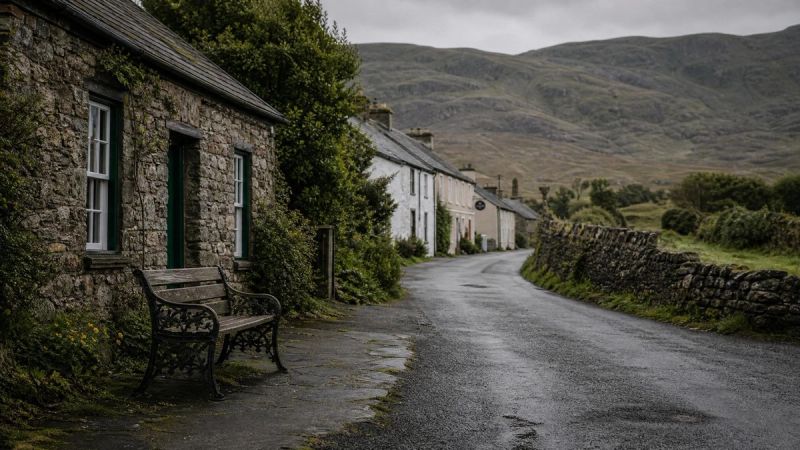
Ireland has a particular set of conditions that can make loneliness and depression overlap. Rural isolation is one. Young people often leave small towns for Dublin, Cork, or Galway for work, leaving older relatives with shrinking social circles. Housing insecurity and the cost of living push people into flatshares with strangers or back into family homes where they don't feel understood. The pub, once a centre of community life, is less accessible for many people than it was a generation ago.
Cultural factors play a role too. The Irish tendency to keep things to yourself — the "sure it'll be grand" reflex — can stop people from admitting they're struggling. Research from Mental Health Ireland found that one in four people in Ireland will experience a mental health difficulty in any given year, yet many still delay seeking help because they don't want to be a burden. That delay can allow both loneliness and depression to become more entrenched.
Social media adds another layer. You can be constantly connected and still feel lonely. Seeing curated snapshots of other people's friendships, holidays, and milestones can intensify the sense that everyone else has something you don't. The comparison itself becomes part of the low mood.

What Actually Helps
There is no single fix, but there are approaches that reliably help. The most effective support usually addresses both the mood symptoms and the relational patterns at the same time.
Reconnect gradually. When you're stuck in the loneliness-depression loop, the idea of rebuilding a social life can feel overwhelming. Start small. One honest message to someone you've lost touch with. One walk with a neighbour. One evening class or community group. The goal isn't to become popular overnight. It's to interrupt the pattern of isolation with small, repeated moments of contact.
Challenge the depression narrative. Depression often tells you that nobody cares and that things won't get better. These thoughts feel true because depression makes them feel true. Cognitive behavioural therapy (CBT) helps you examine these beliefs and test them against reality. You might find that a friend you assumed was avoiding you was simply busy, or that your prediction of a social disaster never actually happened.
Move your body. Physical activity is one of the most evidence-supported ways to improve mood. It doesn't have to be intense. A twenty-minute walk along the Lee in Cork, a sea swim in Galway, or a loop around your local park can reduce rumination and create a small sense of accomplishment.
Protect sleep and routine. Depression and loneliness both thrive on disruption. Going to bed at the same time, eating regular meals, and getting daylight in the morning can stabilise your mood more than you might expect. These aren't cures, but they create a foundation that makes other forms of support more effective.
Talk to someone trained. A therapist can help you untangle loneliness from depression and decide where to start. If your mood is very low, that may be the priority. If your relationships feel empty or absent, working on connection may come first. Often the two are worked on together.

Frequently Asked Questions
Can loneliness cause depression?
Loneliness doesn't automatically cause depression, but it is a significant risk factor. Long-term loneliness can raise stress hormones, disrupt sleep, and reinforce negative beliefs about yourself and others. Those changes make depression more likely, especially if you have other risk factors such as a previous episode of depression, trauma, or chronic stress.
Is it depression or just loneliness?
Only a qualified professional can diagnose depression. As a guide, loneliness tends to improve when you have a meaningful conversation or feel understood by someone. Depression is more persistent and affects your energy, sleep, appetite, concentration, and interest in life more broadly. If low mood lasts more than two weeks and interferes with daily life, it's worth speaking to a GP or therapist.
Can you feel lonely in a relationship?
Yes. Loneliness is about the quality of connection, not the number of people around you. You can feel lonely beside a partner who is emotionally distant, or in a family where nobody talks about what really matters. Relationship loneliness can be particularly painful because it conflicts with the expectation that you shouldn't feel alone.
What therapy helps with loneliness and depression in Ireland?
CBT, interpersonal therapy, and compassion-focused therapy are all used in Ireland for these overlapping experiences. Online therapy can make support more accessible if you live in a rural area, work irregular hours, or find it hard to leave home. At Feel Better Therapy, accredited therapists across Ireland offer online sessions that fit around real life.

How to Take the Next Step
Niamh's Sunday evening quiet didn't mean she was broken. It meant something important was missing, and that her mood had been sliding for long enough to need attention. If you recognise that flat, disconnected feeling, it's worth taking it seriously. You don't have to figure out on your own whether it's loneliness, depression, or a mix of both.
Small steps help. One honest conversation. One appointment with a GP or therapist. One evening where you choose contact over isolation, even if it feels awkward. You can get matched with a therapist who understands Irish mental health services and works online, so you don't have to sit in a waiting room or travel across the county to talk.

Related Articles
- What Is Loneliness? Signs, Symptoms and Causes in Ireland
- Loneliness vs Social Anxiety: What's the Difference?
- Loneliness in Ireland: A Complete Guide to Connection, Social Isolation and Therapy
This article is for informational purposes only and does not constitute medical advice, diagnosis, or treatment. If you are in crisis, please contact the Samaritans at 116 123 or Pieta House at 1800 247 247. If you are in immediate danger, call 999 or 112.