What Is Loneliness? Signs, Symptoms and Causes in Ireland

Loneliness isn't just being alone. Learn the signs, symptoms and causes of loneliness in Ireland, and how to tell the difference between solitude and social isolation.
Niamh is 29, lives in a house share in Cork, and has 247 WhatsApp contacts. Most evenings she scrolls through her phone on the sofa while her housemates watch something in another room. She tells herself she's just tired, that everyone feels like this after work. But when the weekend arrives and the group chat goes quiet, there's a heaviness she can't name. It isn't boredom. It isn't depression, exactly. It's the sense that she's surrounded by people and still somehow on her own.
If Niamh's evening sounds familiar, you're not alone in feeling alone. Loneliness is one of the most common human experiences, and in Ireland it's also one of the most under-discussed. It can arrive after a bereavement, during a busy job, or in the middle of what looks like a perfectly normal life. Understanding what loneliness actually is — and what it isn't — is the first step toward doing something about it.

What Loneliness Actually Is (and Isn't)
Loneliness is the gap between the social connection you want and the social connection you have. You can feel lonely in a crowded pub, at a family dinner, or sitting beside a partner who feels miles away. You can also spend a week on your own and feel completely content. The difference isn't the number of people around you. It's whether you feel seen, understood, and emotionally close to the people in your life.
That distinction matters because many people dismiss their own loneliness. They think, I can't be lonely — I have friends, or Other people have it worse. But loneliness isn't a measure of how popular you are. It's a signal, similar to hunger or thirst, telling you that an important need isn't being met. Psychologists often describe it as a subjective experience: if you feel lonely, then you are lonely, regardless of what your calendar says.
Solitude is different. Solitude is chosen, restorative, and usually brings a sense of peace. Loneliness feels involuntary, draining, and often comes with a subtle shame that makes it harder to talk about. One person might recharge by spending Saturday alone with a book; another might feel the same Saturday as proof that nobody cares. The same situation can produce completely different feelings depending on whether your need for connection is being met.
"Loneliness is one of the most pressing and under-recognised public health challenges facing Ireland today. From our work at ALONE, we see every day how loneliness affects not just emotional wellbeing, but physical health, independence and quality of life." — Seán Moynihan, CEO of ALONE
The Signs and Symptoms of Loneliness
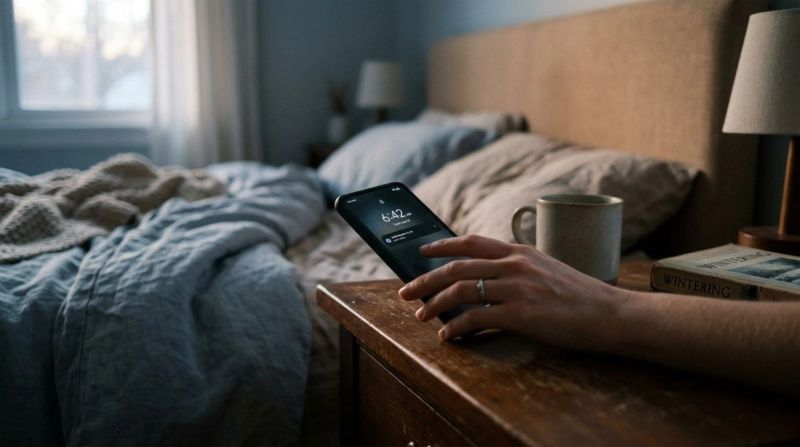
Loneliness doesn't always announce itself. It can show up as irritability, exhaustion, or a vague sense that you're going through the motions. Some people notice they keep checking their phone even when no one has messaged. Others find themselves cancelling plans because the effort of being social feels too heavy, then feeling worse because they stayed home.
Common emotional signs include:
- A persistent sense of being left out or misunderstood
- Feeling empty or flat, even after activities you used to enjoy
- Jealousy or sadness when you see other people's friendships or relationships
- Difficulty trusting that others genuinely care about you
Physical signs can appear too. Loneliness is linked to poorer sleep, lowered immunity, and increased inflammation. Some research suggests it can be as damaging to long-term health as smoking or obesity. You might notice you're more run-down than usual, or that small stresses feel overwhelming.
There's also a behavioural pattern that's easy to miss. Loneliness often makes people withdraw further — what therapists call the loneliness loop. You feel isolated, so you avoid social contact, which makes you feel more isolated, which makes you avoid social contact even more. Breaking that loop usually starts with a small, low-pressure step back toward connection rather than a big dramatic change.
What Causes Loneliness in Ireland?
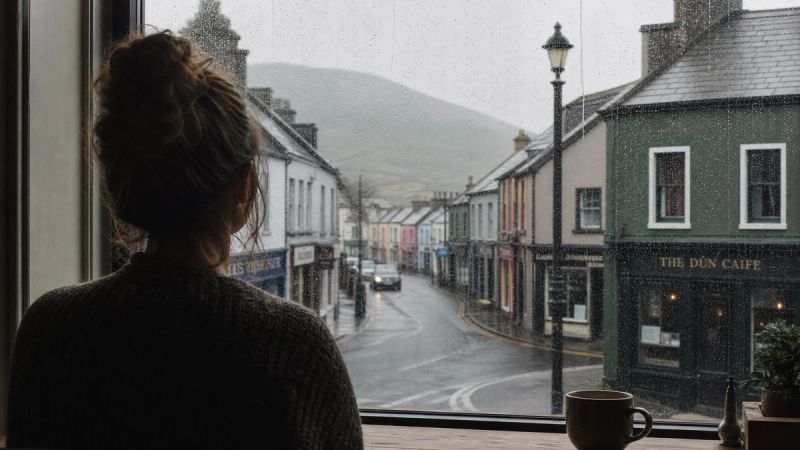
Loneliness can have practical roots. Moving to a new city for work, ending a relationship, retiring, becoming a parent, or caring for a sick relative can all shrink your social world overnight. In Ireland, housing instability and long commutes can make it harder to build local routines. If you're living far from family, or if your friends have emigrated, the places and people that once anchored you may no longer be there.
Life transitions are a major trigger. Starting college, changing jobs, getting divorced, or moving from a rural area to Dublin can leave you feeling invisible while you figure out where you belong. Even positive changes — a promotion, a new baby, buying a house — can disrupt your support network because your daily life no longer matches the one you shared with the people around you.
Technology plays a complicated role. Social media can keep you in touch, but it can also create the sense that everyone else is more connected than you are. Scrolling through highlights of other people's weekends can make ordinary loneliness feel like a personal failure. The pandemic made this worse for many people in Ireland, normalising remote work but also removing the casual, everyday interactions that keep loneliness at bay.
Cultural factors matter too. Irish culture values self-reliance and humour, which can make it harder to admit you're struggling. Many people were raised to keep going, not to name feelings like loneliness out loud. That silence doesn't make the feeling go away — it just means more people carry it privately.
Who Experiences Loneliness?
The honest answer is: almost everyone, at some point. The European Commission has found that Ireland has the highest levels of loneliness in Europe, with around one in five people experiencing loneliness most or all of the time (ALONE / Loneliness Taskforce Research Network, May 2026). That figure cuts across age, gender, and background.
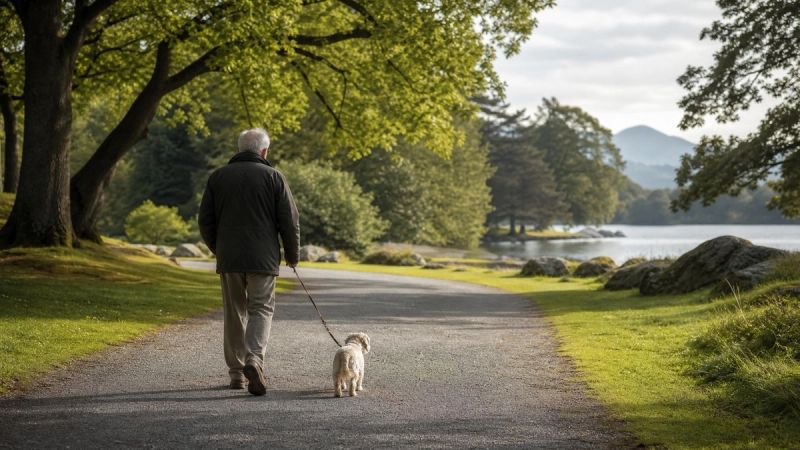
Older adults are often highlighted because life changes like bereavement, retirement, and reduced mobility can shrink social circles quickly. ALONE notes that almost one in three older people in Ireland live alone, and a significant minority experience chronic loneliness. But loneliness is not just an older person's issue. Young adults, new parents, people working remotely, and those living with anxiety or depression often report high levels of loneliness too.
Loneliness is also common among people who appear socially successful. You can have a busy career, an active social life, and a long-term relationship and still feel lonely if those connections lack depth. The feeling is about quality, not quantity. That's why it's so important not to compare your inner experience with someone else's outward appearance.

When Loneliness Becomes a Mental Health Concern
Loneliness itself isn't a mental health condition, but it can feed into conditions like depression and anxiety. If loneliness lasts for weeks or months and starts to affect your sleep, appetite, concentration, or sense of hope, it's worth paying attention to. The same is true if you're using alcohol, overworking, or endless scrolling to manage the feeling.
Loneliness and depression often overlap, but they aren't the same thing. Depression tends to flatten all emotions and drain motivation across many areas of life. Loneliness is more specifically about feeling disconnected from others. You can be depressed without feeling lonely, and you can be lonely without being depressed. If you're unsure which is which, our article on loneliness and depression explores the difference in more detail.
It's also worth distinguishing loneliness from social anxiety. Social anxiety is the fear of being judged or rejected in social situations, which can lead you to avoid people. Loneliness is the painful feeling of wanting more connection than you currently have. Some people have both, and the two can reinforce each other. You can read more about that overlap in our guide to loneliness vs social anxiety.
If you're having thoughts of harming yourself, please reach out immediately. In Ireland, you can contact the Samaritans at 116 123 or Pieta House at 1800 247 247, 24 hours a day.
Frequently Asked Questions
What's the difference between loneliness and being alone?
Being alone is a physical state — there's nobody else in the room. Loneliness is an emotional state — you feel disconnected, even if other people are nearby. Many people enjoy time alone. Loneliness is distressing because the connection you need feels out of reach.
Can you be lonely in a relationship?
Yes. Relationship loneliness happens when you don't feel emotionally close to your partner, even if you live together and spend time together. It can develop gradually when communication breaks down, when needs go unspoken, or when one or both people stop feeling truly known.
Is loneliness a sign of weakness?
No. Loneliness is a normal human signal that your need for connection isn't being met. It takes strength to notice it and reach out. Pretending it isn't there usually makes it worse over time.
How do I know if I need professional help for loneliness?
If loneliness is persistent, is affecting your mood or daily life, or is mixed with symptoms of depression or anxiety, talking to a therapist can help. A counsellor or psychologist can help you understand the patterns behind your loneliness and build practical steps toward connection.

How to Take the Next Step
Loneliness can feel permanent when you're in the middle of it, but it isn't a fixed part of who you are. It's a signal that something important needs attention, and small shifts can make a real difference over time. Sometimes that means rebuilding existing relationships. Sometimes it means making new connections, even in tiny ways. And sometimes it means speaking to a professional who can help you understand what's keeping loneliness stuck.
At Feel Better Therapy, we work with accredited therapists across Ireland who can help you explore what's beneath the loneliness and what kind of connection you're really looking for. If you'd like support, you can get matched with a therapist who understands Irish mental health services and can meet you online.

Related Articles
- Loneliness in Ireland: A Complete Guide to Connection, Social Isolation and Therapy
- Loneliness vs Social Anxiety: What's the Difference?
- Loneliness and Depression: How They Feed Each Other
This article is for informational purposes only and does not constitute medical advice, diagnosis, or treatment. If you are in crisis, please contact the Samaritans at 116 123 or Pieta House at 1800 247 247. If you are in immediate danger, call 999 or 112.