Starting Therapy for Low Self-Esteem in Ireland: What to Expect

Thinking about therapy for low self-esteem in Ireland? Learn what to expect from CBT, online therapy, and your first session with Feel Better Therapy.
Niamh has been thinking about therapy for months. She scrolls through websites late at night, reads a few pages, then closes the tab. Part of her wants help. Another part whispers that she should be able to sort this herself. "It's not that bad. Other people have it worse. What would I even say?"
She's not in crisis. She goes to work, sees friends, pays her bills. But underneath, there's a steady hum of not feeling good enough. Criticism stays with her for days. Compliments slide off. She spends too much energy managing how she comes across, then feels exhausted by the effort.
If this sounds like you, you're not alone. Low self-esteem is one of the most common reasons people start therapy in Ireland. And while reaching out can feel daunting, knowing what to expect makes the first step easier.
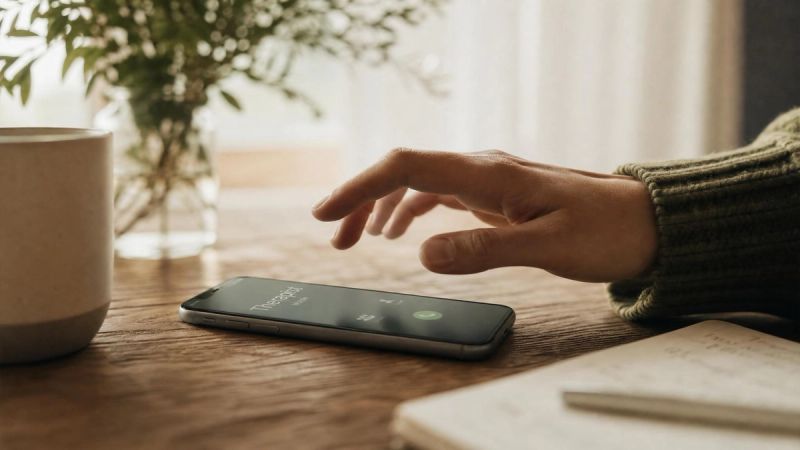
Why People Delay Therapy for Low Self-Esteem
People delay therapy for all sorts of reasons. Some worry it's a sign of weakness. Some believe their problems aren't serious enough. Some fear being judged, misunderstood, or told to "think positive." For many Irish people, there's also the habit of keeping things to yourself and not making a fuss.
Low self-esteem can make the delay worse. If you already feel like you don't deserve support, asking for it feels contradictory. You might think a therapist will see what you see: that you're not worth their time.
This is the nature of the problem. Low self-esteem doesn't just affect how you feel. It affects whether you believe you're allowed to get help.

What Low Self-Esteem Therapy Actually Involves
Therapy for low self-esteem is not about being told you're wonderful. It's about understanding where your beliefs came from, testing whether they're accurate, and gradually building a more balanced view of yourself.
A good therapist will not try to fix you. They will work with you to understand the patterns that keep you stuck. These might include:
- Harsh self-criticism
- People-pleasing and poor boundaries
- Perfectionism and fear of failure
- Difficulty accepting praise or success
- A persistent sense of not being good enough
Therapy gives you a confidential space to explore these patterns without performing or pretending. Over time, you develop new ways of responding to yourself and others.

CBT for Low Self-Esteem: How It Works
Cognitive behavioural therapy, or CBT, is one of the most evidence-based approaches for low self-esteem. It works on the connection between thoughts, feelings, and behaviours.
The CBT model suggests that low self-esteem is maintained by unhelpful thinking patterns. For example, if you believe "I'm unlikeable," you might avoid social situations. That avoidance then prevents you from gathering evidence that contradicts the belief. The belief stays intact, and the cycle continues.
CBT helps you break that cycle by:
- Identifying negative automatic thoughts
- Examining the evidence for and against them
- Testing out new behaviours in small, manageable steps
- Building skills for self-compassion and assertiveness
Many of the confidence-building techniques used in therapy come directly from CBT principles.
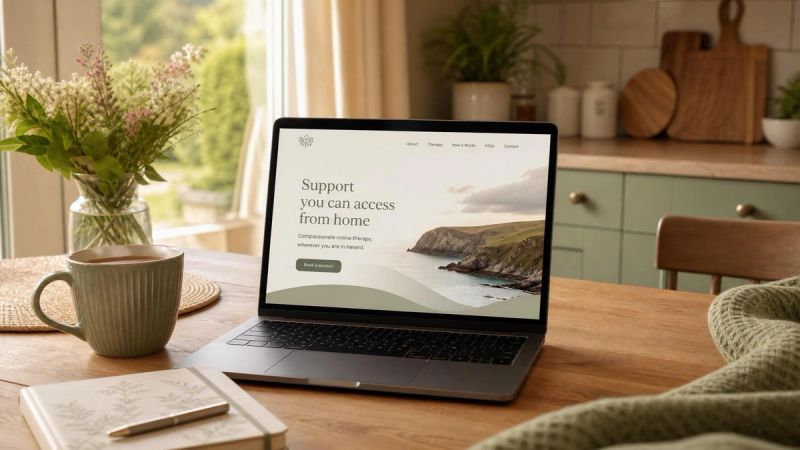
Online Therapy in Ireland: What to Expect
Online therapy has made support more accessible across Ireland. Whether you're in Dublin, Cork, Galway, or a rural area, you can work with a qualified therapist without travelling. Sessions usually take place over secure video call, though phone and messaging options are sometimes available.
Online therapy is just as effective as in-person therapy for many issues, including anxiety, depression, and self-esteem. The structure is similar: a regular weekly or fortnightly session, a therapeutic relationship, and evidence-based techniques tailored to you.
The main differences are practical. You don't have to commute. You can attend from a private space at home. For people with busy schedules, limited transport, or social anxiety, online therapy removes real barriers.
At Feel Better Therapy, we match you with a therapist based on what you're struggling with. You're not placed with whoever is free. The match matters.

Your First Session: What Happens
The first session is usually about getting to know each other. Your therapist will ask what brought you to therapy, what you're hoping to change, and a bit about your background. You don't need to have everything figured out. Many people start by saying, "I'm not really sure where to begin."
Your therapist will also explain how they work, what approach they use, and how confidentiality works. This is a good time to ask questions. What is their experience with self-esteem? How do they structure sessions? What happens if you don't feel it's a good fit?
You won't be expected to reveal your deepest secrets immediately. Therapy builds gradually. The first session is often a relief simply because you've finally said some of it out loud.

How Long Does Therapy Take?
There is no single answer. Some people notice meaningful changes in six to eight sessions. Others stay in therapy for several months, especially if low self-esteem is tied to long-standing patterns or past experiences.
CBT tends to be relatively short-term and structured. It focuses on specific goals and practical tools. If your self-esteem issues are more deeply rooted, a longer-term approach such as integrative therapy or counselling may be more suitable.
Your therapist should discuss expectations with you early on. Progress isn't always linear. There will be weeks where you feel lighter and weeks where old patterns resurface. That's normal. The overall direction is what matters.

Frequently Asked Questions
Do I need a diagnosis to start therapy?
No. You don't need a diagnosis or a referral to start therapy in Ireland. If you're struggling with how you feel about yourself, that's a valid reason to seek support.
What if I don't like my therapist?
The therapeutic relationship matters. If you don't feel comfortable, it's okay to say so. A good therapist will not be offended. At Feel Better Therapy, we can help you find a better match if the first one isn't right.
Is online therapy as good as in-person?
Research suggests online therapy can be just as effective for many common mental health issues. The most important factor is the quality of the relationship with your therapist, not whether you're in the same room.
How much does therapy cost?
Costs vary. Some therapists offer sliding scales based on income. It's worth asking directly about fees, cancellation policies, and whether health insurance covers any of the cost.
Taking the First Step
Niamh did eventually book a session. She was nervous beforehand, and the first appointment felt awkward. But she left feeling lighter than she had in months, not because everything was fixed, but because she had finally stopped carrying it alone.
Starting therapy for low self-esteem is a brave choice. It means you're willing to question the story you've been told about yourself, possibly the one you've been telling yourself for years. That takes courage.
If you're ready to talk to someone, Feel Better Therapy can match you with a therapist who understands low self-esteem and can help you build a steadier sense of self. You can get started here whenever you're ready.
Related Articles
- Self-Esteem and Confidence Therapy in Ireland: A Complete Guide
- Confidence-Building Techniques That Actually Work
This article is for informational purposes only and does not constitute medical advice. If you are in crisis, please contact Samaritans Ireland at 116 123 or Pieta House at 1800 247 247.