Stress Management Techniques for Irish Workers

Practical, evidence-based stress management techniques for Irish workers. From breathing exercises to boundary-setting, learn how to manage workplace stress without burnout.
The meeting was supposed to finish ten minutes ago, but the Slack notifications kept coming. Sarah sat at her kitchen table in Cork, still in the jumper she'd thrown on at 8 a.m., realising she hadn't stood up since lunch. It was 6.47 p.m. Her shoulders were somewhere up near her ears. Her jaw ached from clenching. And this was the fourth evening this week she'd promised herself she'd finish "just one more thing" before dinner.
If that sounds uncomfortably familiar, you're not alone. Workplace stress has become so normalised in Ireland that many of us don't even recognise we're experiencing it. We just assume everyone feels this way.
But stress that lingers week after week isn't something you simply power through. It affects your sleep, your relationships, your concentration, and over time, your physical health. The good news is that there are practical, evidence-based techniques that work — and you don't need a retreat in Donegal or a mindfulness app subscription to start using them.
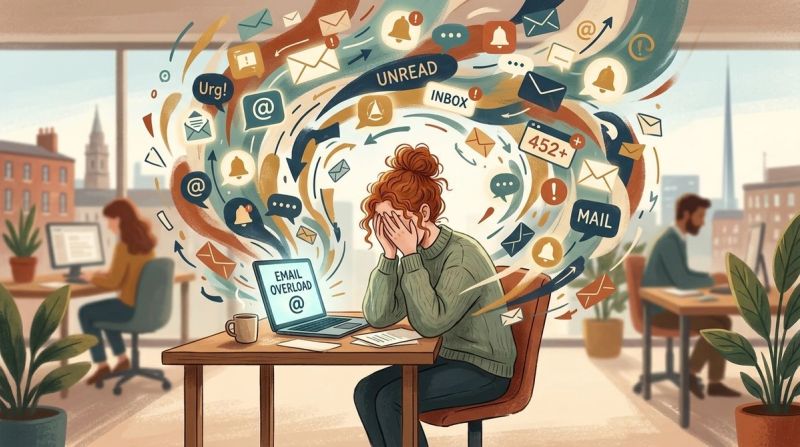
What Workplace Stress Actually Looks Like
Stress isn't just the obvious moments: the presentation that goes wrong, the deadline that shifts forward, the difficult conversation with a manager. It's also the low-level hum of constant pressure. The feeling that you're always slightly behind. The Sunday evening dread that starts earlier every week.
In Irish workplaces, this often shows up as:
- Difficulty switching off after work, especially when working from home
- Irritability with colleagues or family over small things
- Trouble sleeping, particularly falling asleep or staying asleep
- Physical tension: headaches, tight shoulders, jaw pain, stomach issues
- A creeping sense that you're not doing enough, even when you're exhausted
A 2023 survey from the Irish Congress of Trade Unions found that over half of Irish workers reported increased stress levels compared to before the pandemic. The lines between work and home life have blurred, and many of us are still trying to manage with structures that haven't caught up.
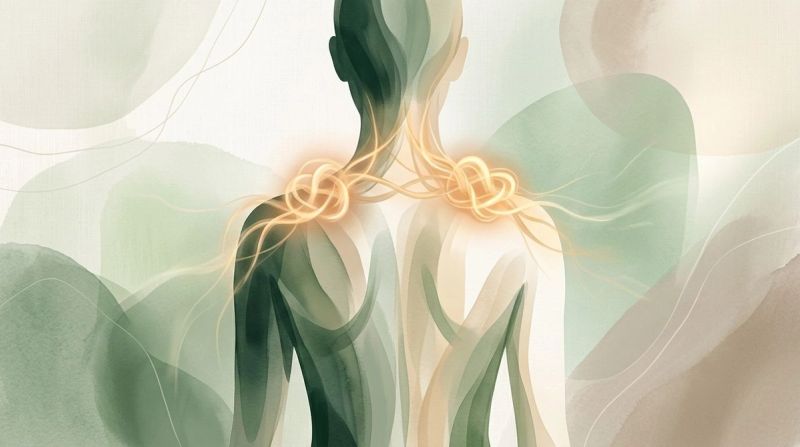
The Physical Signs You're Missing
Your body often signals stress before your mind admits it. That persistent headache that paracetamol doesn't touch. The tightness in your chest before you open your inbox. The way you hold your breath while reading emails.
Dr. Rangan Chatterjee, a GP and stress researcher, puts it plainly: "Stress is not just in your head. It manifests physically, and ignoring those signs doesn't make them disappear."
Common physical symptoms of chronic workplace stress include:
- Muscle tension and pain, particularly in the neck and back
- Digestive problems, including nausea, bloating, or IBS flare-ups
- Fatigue that rest doesn't seem to fix
- Increased heart rate or a sense of restlessness
- Weakened immune system — catching every cold going around the office
Recognising these signs isn't weakness. It's information. Your body is telling you that something needs to change.
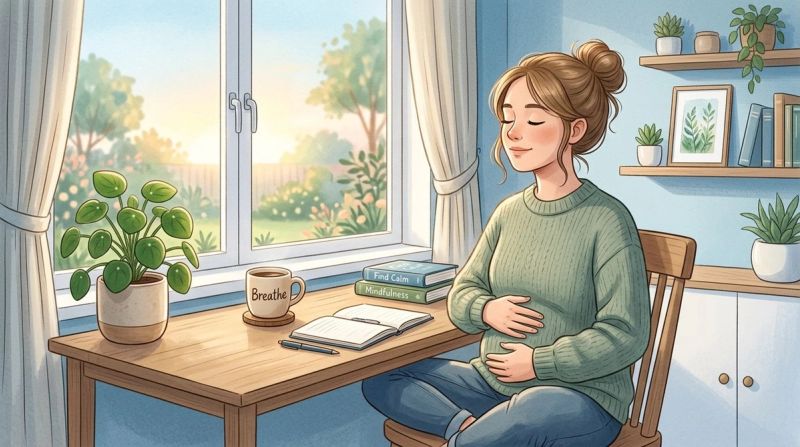
Quick Techniques That Work in an Irish Office
You don't need an hour of meditation or a complete life overhaul to lower your stress levels. Small, consistent practices often work better than dramatic interventions.
The 4-7-8 breath
This technique, popularised by Dr. Andrew Weil, activates your parasympathetic nervous system — the part of your body that calms you down.
- Breathe in through your nose for 4 counts
- Hold for 7 counts
- Exhale through your mouth for 8 counts
Do this four times. It takes under a minute and can be done at your desk, in the toilets, or before a difficult meeting.
The 20-20-20 rule for screen strain
If you stare at a screen all day, your eyes and brain are working harder than they should. Every 20 minutes, look at something 20 feet away for 20 seconds. It reduces eye strain and gives your mind a micro-break.
Box breathing
Used by athletes and emergency responders, this involves breathing in for 4 counts, holding for 4, exhaling for 4, and holding for 4. Repeat for one minute. It's particularly effective before a stressful call or when you feel overwhelm creeping in.
A real lunch break
Half of Irish workers eat lunch at their desks, according to workplace surveys. Stepping away — even for 15 minutes — improves concentration and lowers cortisol levels. Walk around the block. Sit in a park if there's one nearby. The work will still be there when you get back.

Setting Boundaries When You Work From Home
The shift to remote and hybrid working has been positive for many Irish workers, but it's also made boundaries harder to maintain. When your office is your kitchen table, there's no physical separation to signal the end of the working day.
Here are techniques that actually help:
Create a shutdown ritual. At a set time each day, close your laptop, tidy your workspace, and say out loud or write down: "Work is finished." It sounds simple, but it creates a mental marker that helps your brain switch modes.
Use separate profiles or devices if possible. If you can, keep work on one browser profile and personal browsing on another. Turn off work notifications after hours. The HSE's guidance on remote working specifically recommends establishing clear start and finish times.
Communicate your boundaries. If your workplace has a culture of late-night emails, you don't need to reply at 9 p.m. to prove you're committed. Consider adding a note to your email signature about your working hours, or having a direct conversation with your manager about expectations.
Protect your commute time. If you work from home, create an artificial commute. A 10-minute walk before and after work acts as a buffer between your professional and personal life. Many Irish workers in Dublin, Cork, and Galway have found this simple practice makes a noticeable difference.
What the HSE Recommends
The Health Service Executive provides practical guidance for managing stress, much of which is freely available through their mental health resources. Their recommendations include:
- Regular physical activity — even a 20-minute walk helps
- Maintaining social connections, which can suffer when we're stressed
- Limiting caffeine and alcohol, both of which can worsen anxiety and sleep problems
- Speaking to someone if stress becomes overwhelming
The HSE also notes that workplace stress is a significant contributor to sick leave in Ireland. Addressing it early isn't just good for your wellbeing — it's good for your long-term productivity and career sustainability.
When Self-Help Isn't Enough
There's a point where stress management techniques, however good, aren't sufficient on their own. If you're experiencing any of the following, it's worth speaking to a professional:
- Persistent low mood or loss of interest in things you used to enjoy
- Panic attacks or constant worry that interferes with daily life
- Thoughts of self-harm
- Physical symptoms that don't improve with rest
- Inability to concentrate or make decisions
Your GP is a good first port of call. They can assess whether what you're experiencing is stress, anxiety, depression, or a combination — and guide you toward appropriate support, which might include counselling, therapy, or medication.
FAQ
Can stress make you physically ill?
Yes. Chronic stress affects nearly every system in your body. It can contribute to high blood pressure, digestive disorders, weakened immunity, and increased risk of heart problems. The physical effects of stress are real and well-documented by medical research.
Is stress the same as anxiety?
Not exactly, though they're closely related. Stress is typically a response to an external pressure — a deadline, a demanding boss, financial worries. Anxiety is more persistent and can continue even when the external stressor is gone. Many people experience both. If you're unsure which applies to you, a conversation with your GP or a therapist can help clarify.
When should I see a GP about stress?
If stress is affecting your sleep, your relationships, your ability to work, or your physical health for more than a couple of weeks, it's worth making an appointment. You don't need to be in crisis to seek help. Early intervention tends to lead to better outcomes.
Stress has a way of convincing you that you just need to try harder, work faster, or sleep less. But sustained pressure doesn't make you more productive — it makes you depleted.
You don't have to figure it out alone. Whether that's learning a few breathing techniques, having an honest conversation with your manager, or reaching out for professional support, there are steps you can take today that will help.
*This article is for informational purposes only and is not a substitute for professional medical or psychological advice.*