Bipolar Disorder in Ireland: What It Actually Is

Bipolar disorder is more than mood swings. What mania and hypomania actually feel like, how it's diagnosed in Ireland, and where to get support.
You've been told you're "up and down." Maybe you've said it yourself, half joking, the way people do in Ireland when they don't want to make a fuss. But the pattern has stopped feeling like a personality quirk. There are weeks when you barely need sleep, when ideas arrive faster than you can write them down and everything feels possible. Then there are months when getting out of bed takes an argument with yourself, and the version of you who had all those plans feels like someone you invented.
If any of that lands, this article is for you. Not to diagnose you, and not to hand you a checklist to score yourself against. Bipolar disorder is a real illness with a real assessment behind it, and understanding what it actually is makes the first conversation with a GP far easier to start.
What Bipolar Disorder Actually Is
Bipolar disorder is a mental illness characterised by periods of deep depression and periods of extreme elation, or mania. That's how the HSE describes it, and the key word is periods. Everyone's mood shifts across a week. In bipolar disorder the shifts are severe enough to affect how you think, sleep, spend, work and relate to people, and they last for weeks or months rather than an afternoon.
Mood episodes don't run in a neat pattern. Some people have long stretches of stability between episodes. Others cycle more quickly, and a smaller number experience what's called rapid cycling, with four or more episodes in a year. There's also cyclothymia, a milder form where mood swings persist over a long time without ever reaching full mania or full depression. And mixed states, where depression and mania arrive together, which is often the most dangerous combination because agitation sits alongside despair.
How common is it? The HSE's Family, Carer and Supporter Guide states that about one in a hundred people are diagnosed as having bipolar disorder. That figure surprises people in both directions. It's common enough that you'll almost certainly know someone, and rare enough that most GPs see a handful of new cases a year.
There's a hopeful detail in the same guide that rarely gets quoted: around 15 per cent of people who have a first episode never experience another one.
The Highs: Mania and Hypomania
Mania is the part of bipolar disorder people misunderstand most, partly because it doesn't look like suffering from the outside. It can look like a great week.
The HSE lists the features of mania as feeling very happy or "high", having lots of energy, not needing much sleep, talking very quickly, racing thoughts, being easily distracted and feeling irritated or impatient with other people. Alongside those come the behaviours that cause real damage: spending money you don't have, making big decisions on impulse, taking risks you'd never normally take, and feeling invincible in a way that makes other people's concern seem stupid.
Hypomania is the same picture, turned down. It's milder, it doesn't usually stop you functioning, and it can even feel productive, which is exactly why it gets missed for years. A lot of people get diagnosed only after a full manic episode, looking back at a decade of "busy phases" that were never quite explained.
In severe mania, some people also experience psychosis, where they lose touch with reality, hear or see things others don't, or hold beliefs that don't shift no matter what the evidence says. That's a medical emergency, not a character failure.
The Lows Are Not Ordinary Depression
Bipolar depression looks a lot like regular depression: low mood, no energy, loss of interest in things you used to enjoy, changes in sleep and appetite, hopelessness. That overlap is why so many people are treated for depression for years before anyone asks about a history of highs.
The distinction matters because the treatment can differ. The HSE notes that antidepressants used on their own can sometimes trigger a manic episode in someone with bipolar disorder, which is why a full history matters more than a quick symptom score. If you've been on an antidepressant and had an unusually energetic or wired period, that's worth telling your GP. It isn't proof of anything, and it isn't your fault. It's information.
Bipolar depression also carries risk. The HSE is direct that people with bipolar disorder have an increased risk of suicide. If you're having thoughts of ending your life, that's the moment to tell someone and to contact a service today rather than waiting for an appointment. Samaritans is on 116 123, free, any hour. Text About It is 50808, free, 24/7.
How Bipolar Disorder Is Diagnosed in Ireland
There's no blood test for bipolar disorder and no scan that confirms it. This is why any website offering a "bipolar test" that gives you a score is misleading. What exists is a clinical assessment.
It usually starts with your GP, who takes a history and can refer you to a psychiatrist, often through a Community Mental Health Team. The psychiatrist asks about episodes rather than moods: how long they lasted, what changed in your sleep, whether other people noticed, whether there were hospital stays or times you couldn't work. They'll ask about family history, because bipolar disorder runs in families. They'll also rule out things that mimic it, including thyroid problems, substance use, and other conditions such as ADHD or emotionally unstable personality disorder, which share surface features and need completely different treatment.
This takes time, which can feel maddening when you want an answer. But an accurate diagnosis is the thing that makes every later decision, from medication to therapy, worth anything.
What Treatment Actually Involves
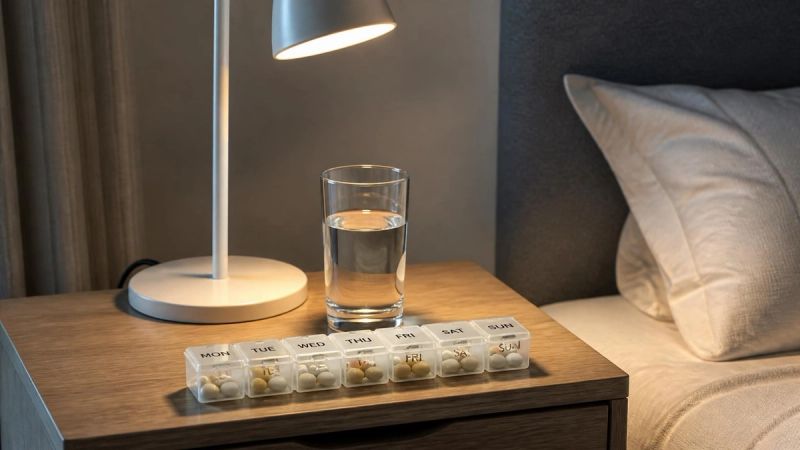
Treatment in Ireland follows the HSE's model: medication as the foundation, psychological treatment alongside it, and a plan for what to do when warning signs appear.
On medication, the HSE describes mood stabilisers as the main treatment, including lithium and certain anticonvulsants and antipsychotics. Lithium is effective and old and needs regular blood tests to keep it in a safe range, which is a managed inconvenience rather than a reason to avoid it. Antidepressants may be used in some cases, but not as a standalone treatment for bipolar disorder.
This is where the honest framing matters, and where Professor Brendan Kelly, psychiatrist and professor of psychiatry at Trinity College Dublin, put it better than any marketing copy could. Speaking to The Irish Times in November 2025, he said that for some people with moderate or severe conditions, "medication can make a contribution but it tends not to be enough on its own ever."
That's not a criticism of medication. It's the reason therapy belongs in the plan.

Where Therapy Fits, and What It Can't Do
The HSE lists psychological treatments as part of standard care: cognitive behavioural therapy, family therapy, and talk therapy, describing a typical course of around 16 sessions over six to nine months. There's also Wellness Recovery Action Planning, or WRAP, which helps you map your own early warning signs so that a slide into mania or depression gets caught while there's still room to act.
Therapy can help you build a routine that protects your sleep, recognise the thoughts that show up before an episode, handle the shame that follows one, and repair relationships damaged by things you did while unwell. Family therapy matters too, because bipolar disorder is hard on the people living alongside it.
What therapy can't do is replace psychiatric care or medication. A therapist doesn't prescribe, and no ethical therapist will suggest you stop medication to see what happens. If someone does, treat that as a red flag and walk away.
Finding Support in Ireland
Start with your GP. If you're already under a Community Mental Health Team, your key worker is the person to call when something changes.
Shine supports people with bipolar disorder and other mental health difficulties, along with their families, on 01 860 1610, Monday to Friday, 9am to 5pm, and at support@shine.ie. Aware runs a support line on 1800 80 48 48, seven days a week, 10am to 10pm, and runs support and self-care groups for people with bipolar disorder. Both are Irish, both are free, and neither requires a referral.
Samaritans is 116 123, free and open every hour of every day. Text About It is 50808, also free and 24/7.
When to Seek Urgent Help
Don't wait for a scheduled appointment if someone is not sleeping for several nights, is becoming increasingly agitated, is spending or behaving in ways that are putting them at risk, or is expressing strange beliefs or hearing voices. Those are signs of possible mania or psychosis and they need urgent medical attention: your GP, the local mental health service, or emergency services on 112 or 999 if there's immediate danger.
The same urgency applies to severe depression with thoughts of suicide. If you're worried about someone, stay with them and help them make contact rather than leaving them to do it alone. That single act is often what gets a person through the door.
Frequently Asked Questions
Is bipolar disorder the same as mood swings?
No. Mood swings are universal and usually pass within hours. Bipolar disorder involves episodes lasting days or weeks that are severe enough to disrupt sleep, work, money, relationships or safety. The difference is duration, intensity and consequences, not how it feels in the moment.
Can bipolar disorder be diagnosed online?
No. There's no validated online test, and any quiz that produces a score is a prompt to seek assessment, not a diagnosis. Diagnosis requires a psychiatrist taking a detailed history and ruling out other conditions.
Can someone with bipolar disorder live a normal life?
Yes, and many people do. The HSE notes that around 15 per cent of people who have a first episode never have another. For everyone else, the combination of medication, psychological treatment, a stable routine and a plan for early warning signs makes long periods of stability realistic. "Normal" is a low bar; people work, parent, study and create with bipolar disorder.
Does therapy replace medication?
No. Therapy works alongside medical treatment. Your psychiatrist manages medication; a therapist helps with the patterns, habits, relationships and self-understanding that medication doesn't touch.
If you're tired of trying to manage this on your own, or you're supporting someone and running out of road, you can get matched with a therapist and start with a conversation about what's actually going on. Therapy isn't a replacement for psychiatric care, and it isn't meant to be. It's the part of the plan that helps you make sense of the rest.
Related Articles
- Antidepressants vs Therapy: What Works for What
- Depression Therapy
- CBT for Insomnia: Why Sleep Comes First
This article is for informational purposes only and does not constitute medical advice. It is not a substitute for assessment by a GP or psychiatrist. If you are in crisis, contact Samaritans on 116 123 (free, 24/7), Text About It on 50808 (free, 24/7), or emergency services on 112 or 999. Aware's support line is 1800 80 48 48, seven days a week, 10am to 10pm. Shine can be reached on 01 860 1610, Monday to Friday, 9am to 5pm.