ADHD Medication in Ireland: What Adults Need to Know

A plain-English guide to ADHD medication in Ireland, including stimulants, non-stimulants, how to get prescribed, and what to expect.
After months of appointments, Fiona finally receives an adult ADHD diagnosis. The psychiatrist explains that medication is one option and that many adults find it helpful. Fiona feels hopeful but also nervous. She has heard stories about people becoming dependent, or becoming a different person on medication. She worries about side effects, cost, and whether she will have to take tablets for the rest of her life.
These fears are understandable. ADHD medication is one of the most effective treatments available, but it is also one of the most misunderstood. If you are considering medication for adult ADHD in Ireland, here is what you need to know.

How ADHD Medication Actually Works
ADHD medications work by increasing the availability of certain chemicals in the brain, particularly dopamine and norepinephrine. These chemicals help the parts of the brain that manage focus, impulse control, planning, and motivation work more effectively. The medication does not change your personality or sedate you. It helps the brain's management system operate more reliably.
Dr. Russell Barkley, a leading researcher in ADHD, often explains that medication "normalises" the brain's management systems rather than drugging the person. Many adults describe the effect as a quieting of mental noise, a better ability to start tasks, and less emotional reactivity. It does not create motivation where none exists, but it can make it easier to act on the motivation you already have.

Stimulant Medications: Methylphenidate and Lisdexamfetamine
Stimulants are the most commonly prescribed medications for ADHD and are usually the first choice for adults. In Ireland, the two main stimulant options are methylphenidate and lisdexamfetamine.
Methylphenidate is available in short-acting and long-acting forms. Short-acting versions may need to be taken two or three times a day, while long-acting versions are usually taken once in the morning. Lisdexamfetamine is a long-acting pro-drug, meaning it is converted into an active form in the body and tends to have a smoother effect across the day.
Both medications are controlled drugs, which means prescriptions are more tightly regulated than for ordinary medicines. They require a written prescription, cannot be issued with repeats in the same way as other medications, and must be reviewed regularly by the prescribing doctor.

Non-Stimulant Medications
Not everyone can take stimulants, and not everyone wants to. Some people experience side effects such as increased anxiety, sleep disturbance, or reduced appetite. Others have medical conditions that make stimulants unsuitable. In these cases, non-stimulant medications may be considered.
Atomoxetine is a non-stimulant option that works on norepinephrine. It is not a controlled drug and is taken once daily. It can take several weeks to reach its full effect, unlike stimulants, which usually work within an hour or two. Other options, such as guanfacine and clonidine, are sometimes used, particularly when ADHD co-occurs with anxiety or sleep difficulties. Your psychiatrist will discuss which option is most appropriate for you.

Getting ADHD Medication in Ireland
To be prescribed ADHD medication in Ireland, you need a diagnosis from a psychiatrist or another prescriber with the appropriate authority. GPs generally do not initiate ADHD medication, although some may take over prescribing under a shared-care arrangement once a psychiatrist has started treatment and doses are stable.
In the public system, medication is usually prescribed through the specialist adult ADHD clinic or general adult mental health team that carried out your assessment. If you are eligible for the Drugs Payment Scheme, your monthly medication costs are capped at the current scheme limit. Medical card holders may receive medication free of charge. Long-term illness book cover does not generally apply to ADHD, so costs depend on your individual eligibility.
Private psychiatrists can also prescribe ADHD medication. You will pay for consultations and medication directly, though some health insurers cover part of the psychiatric consultation cost under outpatient mental health benefits. The medication itself is usually dispensed through a pharmacy and may be covered by the Drugs Payment Scheme regardless of whether you were diagnosed publicly or privately.

Cost and Access in Ireland
Cost is a practical concern for many adults considering ADHD medication. Public patients who meet the criteria can access medication at low or no cost through the medical card or Drugs Payment Scheme. The Drugs Payment Scheme caps the amount any family pays each month for approved prescribed medicines, which can make long-term stimulant treatment much more affordable.
Private patients usually pay for the initial psychiatric consultation, follow-up appointments, and the medication. The exact cost varies depending on the psychiatrist and the pharmacy. Some health insurance plans include outpatient psychiatric cover that may reimburse part of the consultation fee. It is worth ringing your insurer before booking to confirm what is covered.
Generic versions of methylphenidate are available in Ireland and are typically less expensive than branded formulations. The active ingredient is the same, though the release mechanism can differ between long-acting products. If you switch between brands, you may notice small differences in how the medication feels, so discuss any changes with your pharmacist or prescriber.
Monitoring, Side Effects, and Adjustments
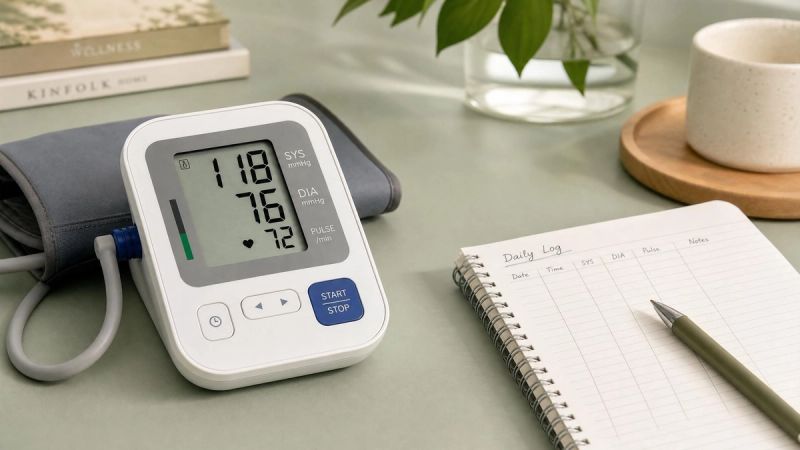
Finding the right medication and dose is often a process of trial and adjustment. Your psychiatrist will usually start with a low dose and increase gradually based on how you respond. They will check your blood pressure and heart rate because stimulants can affect the cardiovascular system. They will also ask about sleep, appetite, mood, and anxiety.
Common side effects include reduced appetite, difficulty sleeping, dry mouth, headaches, and increased heart rate. Most side effects are manageable and settle after the first few weeks. If they do not, your psychiatrist may adjust the dose, change the formulation, or switch to a different medication.
It is important to attend follow-up appointments and to be honest about what you are experiencing. Medication works best when it is part of a broader plan that may include therapy, lifestyle changes, and workplace adjustments.

Common Myths About ADHD Medication
One persistent myth is that ADHD medication is addictive or turns people into zombies. In reality, when prescribed and monitored correctly, stimulant medication is safe and effective for most adults. It does not make you someone you are not. It helps the parts of your brain that manage attention and impulse control work more consistently.
Another myth is that taking medication means you have failed to manage ADHD on your own. This is not true. ADHD is a neurodevelopmental condition, not a character flaw. Medication is simply one evidence-based tool among several that can help.
Some people also believe that medication is only for children. Adult ADHD is increasingly recognised in Ireland, and medication can be just as effective for adults as it is for younger people. The key is proper assessment, careful prescribing, and regular monitoring.

Medication Is Not the Only Treatment
Medication can be transformative, but it is not a complete treatment on its own. Many adults with ADHD benefit from cognitive behavioural therapy, ADHD coaching, organisational strategies, and support with sleep and exercise. Therapy can help with the emotional impact of living with undiagnosed ADHD, such as low self-esteem, anxiety, and perfectionism.
If you are still at the stage of wondering whether you have ADHD, our guides on what ADHD is in adults and how ADHD is diagnosed in Ireland may help. For broader information on managing attention challenges, see our article on ADHD in adults in Ireland.

Frequently Asked Questions
Will ADHD medication change my personality?
No. When prescribed correctly, ADHD medication should not change your personality. It can help you feel calmer, more focused, and less overwhelmed, which may allow more of your natural self to come through. If you feel flat, robotic, or unlike yourself, your dose or medication may need adjustment.
Can I drink alcohol while taking ADHD medication?
It is generally best to limit or avoid alcohol, especially when you first start medication or change your dose. Alcohol and stimulants can interact, and alcohol can worsen inattention and impulsivity. Always discuss this with your prescribing doctor.
How long does ADHD medication take to work?
Stimulants usually begin working within 30 to 60 minutes and last for several hours depending on the formulation. Non-stimulants such as atomoxetine can take four to six weeks to reach their full effect. Your psychiatrist will explain what to expect for your specific prescription.
Is it safe to take ADHD medication long term?
For most adults, long-term stimulant use is safe when monitored by a doctor. Regular check-ups are important for blood pressure, heart rate, weight, and mental health. Some people take medication continuously, while others take breaks at weekends or holidays. This should only be done on medical advice.
For a complete overview of ADHD in adults in Ireland, including symptoms, diagnosis, treatment, and daily support, see our guide to ADHD in Adults Ireland: A Complete Guide.

Finding the Right Balance
Deciding whether to take ADHD medication is a personal choice. It is not a sign of weakness or a way to take a shortcut. For many adults in Ireland, medication is one part of a broader plan that finally allows them to manage their symptoms, meet their goals, and feel more in control of their own lives.
If you are unsure where to start, you do not have to figure it out alone. Get matched with a therapist or psychiatrist who understands adult ADHD in Ireland and explore the options that are right for you.
This article is for informational purposes only and does not constitute medical advice. Decisions about medication should always be made with a qualified prescribing clinician. If you are in crisis, please contact Samaritans Ireland at 116 123 or Pieta House at 1800 247 247.