Anorexia in Ireland: Signs, Risks and Recovery

Learn the signs, health risks and recovery pathways for anorexia in Ireland. Early support and specialist therapy can make a real difference.
Caoimhe had always been organised. She colour-coded her study notes, kept a tidy room, and liked knowing exactly what each day would bring. When she started secondary school in Galway, she began running every morning before class. It felt good to have a routine, and her mother was proud of her discipline. But over time, the runs got longer, the portions smaller, and the voice in her head got louder. Food stopped being nourishment. It became something to earn, control, and fear.
By the time her GP asked about it, Caoimhe couldn't see what everyone else could. She had become expert at hiding her habits, making excuses, and reassuring people she was "just being healthy." But anorexia is not about health. It is a serious mental health condition that can affect every part of a person's life. Recognising it early, and getting the right support, gives the best chance of recovery.

What Anorexia Actually Is
Anorexia nervosa is an eating disorder characterised by restrictive eating, an intense fear of gaining weight, and a distorted view of body size or shape. People with anorexia often eat far less than their body needs, which can lead to significant physical and psychological harm. It is not a diet, a phase, or a sign of vanity. It is a complex condition influenced by biology, psychology, and environment.
The thoughts that come with anorexia can be relentless. Even when someone is unwell, part of them may believe they are not "sick enough" to deserve help. This is one of the cruellest parts of the illness. It convinces the person that losing more weight is the answer, even as their health, relationships, and future shrink around them.
Anorexia also affects the way the brain works. Malnutrition can impair concentration, memory, and the ability to see situations clearly. This is why people with anorexia often resist help at first. It is not stubbornness or denial. The illness itself can make it harder to recognise the need for change. Support from family, friends, and professionals often needs to be gentle, persistent, and informed.
Anorexia can affect anyone, regardless of age, gender, or background. Although it is most commonly diagnosed in adolescence and early adulthood, more cases are being recognised in children, men, and older adults. According to the HSE National Clinical Programme for Eating Disorders, demand for specialist eating disorder services in Ireland continues to rise, with 915 referrals recorded in 2025.
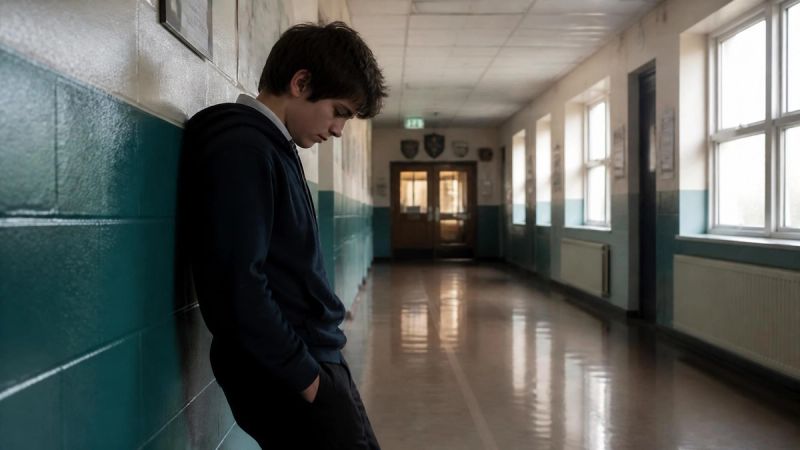
Common Signs of Anorexia
Anorexia often develops gradually, and the early signs can be easy to miss or dismiss. Someone may seem simply health-conscious, busy, or stressed. Over time, however, the patterns become harder to hide.
Behavioural signs include:
- Avoiding meals or eating only small amounts
- Becoming anxious or defensive about food
- Cutting out whole food groups without medical reason
- Exercising excessively, even when tired or unwell
- Wearing loose clothing to hide body changes
- Withdrawing from social situations involving food
- Becoming preoccupied with recipes, cooking for others, or food rituals
Emotional signs include:
- Intense fear of gaining weight
- Persistent dissatisfaction with body shape
- Difficulty concentrating or making decisions
- Low mood, irritability, or anxiety
- A strong need for control
- Feelings of worthlessness or shame
Physical signs can include fatigue, dizziness, feeling cold, hair thinning, digestive problems, and menstrual changes. Not everyone experiences every sign, and some people with anorexia may not appear visibly unwell. That does not mean they are not seriously affected.
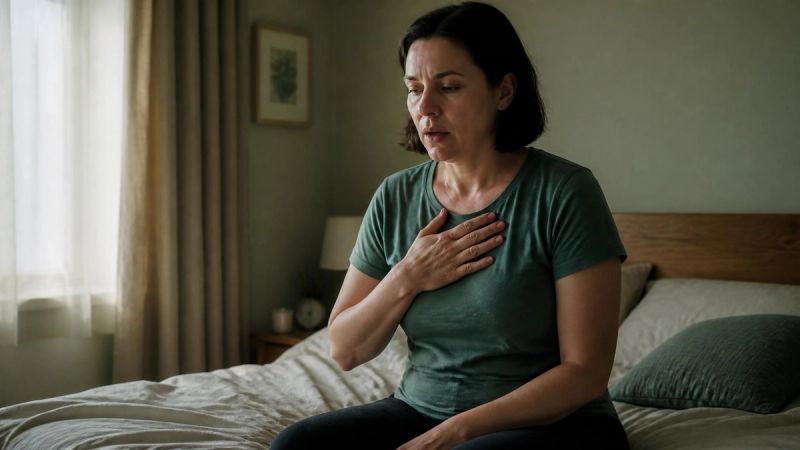
Why Anorexia Is Dangerous
Anorexia has one of the highest mortality rates of any mental health condition. The physical risks come from prolonged undernutrition, which can affect almost every organ system. These include heart problems, bone density loss, fertility issues, and damage to the digestive and endocrine systems. In severe cases, the body begins to shut down.
The psychological risks are equally serious. Depression, anxiety, self-harm, and suicidal thoughts are common among people with anorexia. The illness can isolate a person from friends, family, and the activities they once enjoyed. Over time, it can feel as though the eating disorder has taken over identity itself.
This is why early intervention matters so much. The longer anorexia goes untreated, the more entrenched the thoughts and behaviours become. Recovery is still possible at any stage, but starting treatment earlier usually leads to better outcomes and a shorter road back to health.
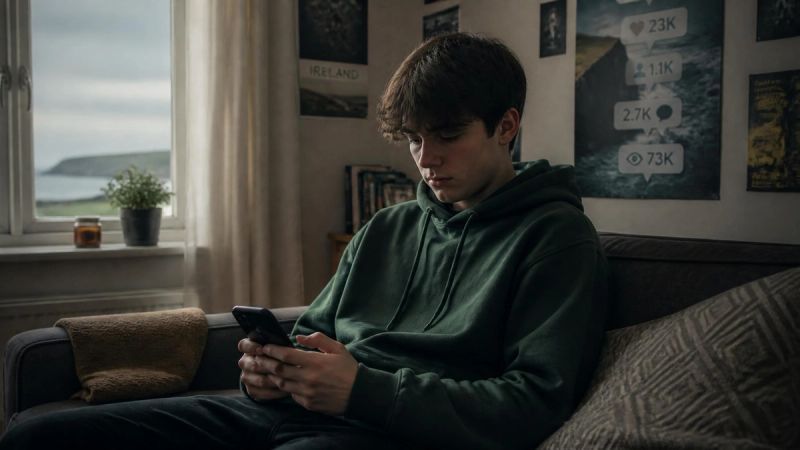
What Causes Anorexia?
There is no single cause. Anorexia usually develops from a combination of factors. Genetics play a role: having a first-degree relative with an eating disorder increases the risk. Personality traits such as perfectionism, anxiety, and high self-control are also common.
Environmental factors include societal pressure to be thin, bullying, trauma, major life transitions, and participation in sports or activities that emphasise weight or appearance. In Ireland, young people face these pressures through social media, school culture, and public conversation about bodies and health.
Professor Fiona McNicholas, a consultant child and adolescent psychiatrist who has worked extensively with eating disorders in Ireland, explains:
"Anorexia is not about wanting to look like a model. It is a serious psychiatric illness that takes hold of a young person's thinking and behaviour. The earlier we intervene, the better the chance of recovery."
Her words underline an important truth: anorexia is an illness, not a choice, and it deserves compassionate, specialist care.

Recovery Pathways in Ireland
Recovery from anorexia is possible, but it usually requires professional support. In Ireland, the first step is often a visit to a GP, who can assess physical health and refer to specialist services. For children and adolescents, this may involve CAMHS. For adults, referral to one of the HSE community eating disorder teams is often the route.
Because anorexia affects both body and mind, the most effective care usually involves a team. A GP, dietitian, therapist, and sometimes a psychiatrist work together to address medical risk, nutritional rehabilitation, and the psychological patterns driving the illness. This coordinated approach gives the person the best chance of lasting recovery.
Specialist eating disorder treatment typically includes:
- Medical monitoring — regular checks of weight, bloods, heart rate, and bone health.
- Dietetic support — guidance from a dietitian with specialist training in eating disorders.
- Psychological therapy — evidence-based approaches such as CBT-E, family-based treatment for young people, or MANTRA for adults.
- GP and psychiatric support — particularly when there are co-occurring conditions such as depression, anxiety, or obsessive-compulsive disorder.
Bodywhys, the Eating Disorders Association of Ireland, offers a helpline, email support, online groups, and resources for families. Many people also find private therapy helpful, either as a complement to HSE care or as a primary route.
At Feel Better Therapy, you can explore specialist therapy for eating disorders and get matched with a therapist who understands anorexia, body image, and recovery.
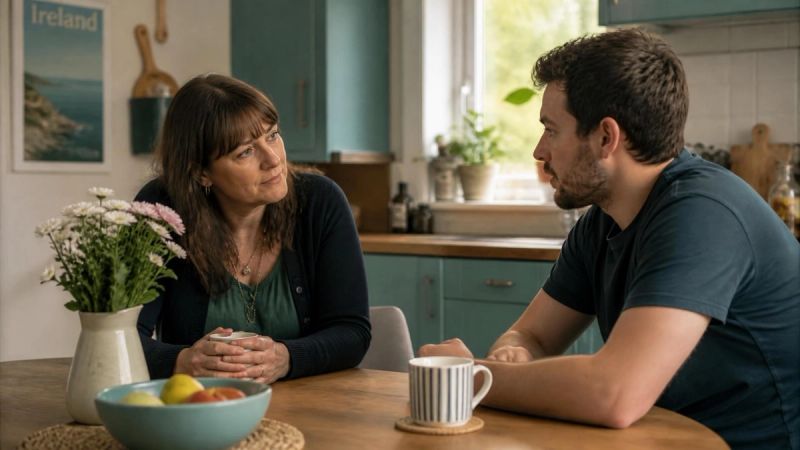
How Families and Friends Can Help
If you are worried about someone you love, saying something is better than saying nothing. Choose a calm, private moment. Avoid commenting on weight or appearance. Instead, share what you have noticed and express concern without judgement.
Useful approaches include:
- Listening more than lecturing
- Encouraging professional help without forcing it
- Avoiding blame, shame, or pressure to "just eat"
- Learning about eating disorders from trusted sources such as Bodywhys
- Looking after your own wellbeing while supporting them
Recovery is rarely linear. There may be setbacks along the way, and that is normal. What matters is that the person feels supported and has access to skilled care.
Frequently Asked Questions
Can men get anorexia?
Yes. Although anorexia is often stereotyped as affecting young women, it affects people of all genders. Men and boys are frequently underdiagnosed because of this misconception.
Is anorexia just about wanting to be thin?
No. While fear of weight gain is a feature, anorexia is usually driven by deeper needs for control, perfection, or coping with distress. Body image distress is part of the picture, but not the whole story.
Can someone recover from anorexia without hospital?
Many people recover through outpatient treatment, especially when the illness is caught early. Hospital admission is only needed in severe cases where there is significant medical risk.
What should I do if I think I have anorexia?
Speak to your GP as soon as you can. You can also contact Bodywhys for confidential support and information. Reaching out is the first step toward recovery.
How long does recovery take?
Recovery is different for everyone. Some people improve within months; others need longer-term support. What matters is having the right care and not giving up during difficult periods.
Recovery Is Possible
Anorexia can feel overwhelming, but it is treatable. With the right combination of medical care, nutritional support, and psychological therapy, people do recover. The eating disorder may have been part of your life for months or years, but it does not have to define your future.
If you or someone you love is struggling, you don't have to wait until things feel "bad enough" to seek help. You can learn more about eating disorders in Ireland and explore specialist therapy through Feel Better Therapy. When you're ready, you can get matched with a therapist who can support you through recovery.
Related Articles
- What Is an Eating Disorder? Signs, Types and When to Seek Help in Ireland
- CBT for Anxiety: Gold-Standard Support in Ireland
- Burnout Syndrome: Recognising the Signs Before You Break
This article is for informational purposes only and does not constitute medical advice. If you are concerned about anorexia or another eating disorder, please contact your GP or Bodywhys on 01-2107906. In a crisis, contact Samaritans Ireland at 116 123 or emergency services at 112/999.