Eating Disorders & Body Dysmorphia in Ireland: A Complete Guide

A complete guide to eating disorders and body dysmorphia in Ireland. Learn the signs, causes, treatments and where to find support.
Eating disorders and body dysmorphia affect thousands of people across Ireland every year, yet they often remain hidden. Many of those struggling feel ashamed, misunderstood, or convinced they are not "sick enough" to deserve help. Families and friends can feel helpless too, unsure of what to say or where to turn.
This guide brings together clear, compassionate information about eating disorders and body dysmorphia in Ireland. It explains what these conditions are, who they affect, what causes them, and how recovery works. Whether you are concerned about yourself, a child, a partner, or a friend, the information here can help you take the next step.

What Are Eating Disorders?
Eating disorders are serious mental health conditions characterised by disturbed eating behaviours and distressing thoughts about food, weight, or body shape. They are not lifestyle choices, diets, or phases. They are medical and psychological illnesses that can affect physical health, emotional wellbeing, and every area of daily life.
The most commonly recognised eating disorders include:
- Anorexia nervosa — restrictive eating, intense fear of weight gain, and a distorted body image. People with anorexia often cannot see how unwell they are and may resist help.
- Bulimia nervosa — cycles of binge eating followed by compensatory behaviours such as vomiting, excessive exercise, or fasting. Bulimia can be hidden for years because body weight may remain stable.
- Binge eating disorder — recurrent episodes of eating large amounts of food with a sense of loss of control. It is the most common eating disorder and often misunderstood as a lack of willpower.
- Orthorexia — an obsession with "healthy" or "clean" eating that becomes rigid and restrictive. What starts as wellness can shrink a person's life until food rules dominate everything.
- Other specified feeding or eating disorders — patterns that cause significant distress but do not fit neatly into one category. These are no less serious than named diagnoses.
Each condition has its own features, but they share common threads: distress about food or body image, behaviours that feel difficult to control, and a significant impact on daily life. You can read more about the basics in our article on what an eating disorder is.
What Is Body Dysmorphia?
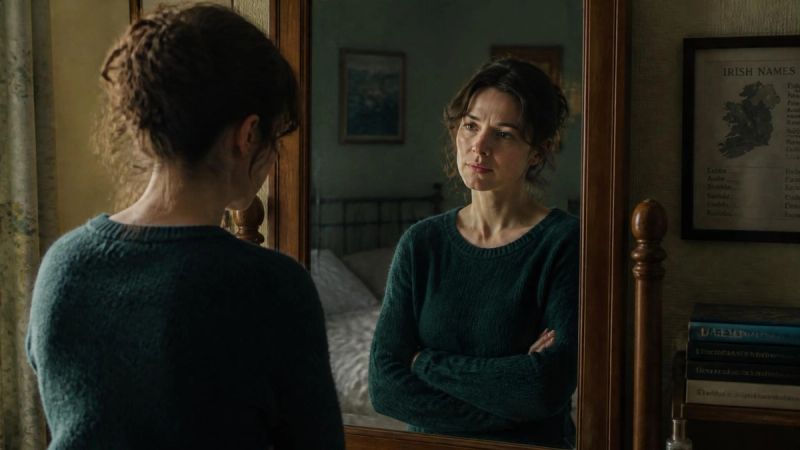
Body dysmorphic disorder, often called body dysmorphia, is a condition in which a person becomes preoccupied with perceived flaws in their appearance. These flaws may be minor or invisible to others, but to the person affected, they feel obvious and distressing.
People with body dysmorphia may spend hours checking mirrors, comparing themselves to others, seeking reassurance, or trying to conceal the perceived flaw. The condition can lead to social withdrawal, depression, and an increased risk of developing an eating disorder. It is closely related to obsessive-compulsive disorder and requires specialist treatment.
Our guide to body dysmorphia in Ireland explores the signs, causes, and support options in more detail.

Who Is Affected in Ireland?
Eating disorders and body dysmorphia can affect anyone, regardless of age, gender, background, or body size. They are often stereotyped as illnesses that only affect teenage girls, but this is misleading and harmful.
In Ireland, demand for specialist eating disorder services has been rising. The HSE National Clinical Programme for Eating Disorders recorded 915 referrals to community eating disorder teams in 2025. Research from Bodywhys, the Eating Disorders Association of Ireland, suggests that around one in four people with an eating disorder is male, and that binge eating disorder is the most common diagnosis.
Body dysmorphia is thought to affect around one to two percent of the population internationally, though it is likely underdiagnosed due to shame and secrecy. Irish data is limited, but clinicians report increasing numbers of people seeking help for appearance-related distress.
Health Risks
Eating disorders and body dysmorphia can cause serious harm when left untreated. The risks are both physical and psychological, and they can affect almost every part of a person's life.
Physical risks of eating disorders include:
- Heart problems, including irregular heartbeat and low blood pressure
- Digestive difficulties and stomach pain
- Bone density loss and increased fracture risk
- Hormonal disruption, including menstrual changes and fertility issues
- Dental erosion, especially with bulimia
- Fatigue, dizziness, and fainting
- In severe cases, organ failure or death
Anorexia has one of the highest mortality rates of any mental health condition. This is why early medical assessment and monitoring are so important.
Psychological risks include:
- Depression and anxiety
- Social withdrawal and isolation
- Self-harm and suicidal thoughts
- Difficulty concentrating or studying
- Strained relationships with family and friends
Body dysmorphia carries its own risks, including depression, social avoidance, and an increased likelihood of developing an eating disorder. The distress can be just as severe as in any eating disorder, even when the person appears physically healthy.

Signs to Watch For
The signs of eating disorders and body dysmorphia vary, but there are common patterns to look out for.
Eating disorder signs include:
- Restricting food intake or skipping meals
- Binge eating or eating in secret
- Excessive exercise, especially after eating
- Anxiety around food, restaurants, or social eating
- Frequent weighing, body checking, or mirror avoidance
- Withdrawal from friends, family, or activities
- Mood changes, irritability, or low self-esteem
- Physical signs such as fatigue, dizziness, digestive problems, or menstrual changes
Body dysmorphia signs include:
- Preoccupation with one or more perceived appearance flaws
- Mirror checking or complete mirror avoidance
- Comparing appearance to others frequently
- Seeking reassurance about looks
- Avoiding photos, social events, or video calls
- Spending excessive time grooming or concealing perceived flaws
If you recognise these signs in yourself or someone you care about, it is important to seek professional support. Early intervention leads to better outcomes.

What Causes These Conditions?
There is no single cause. Eating disorders and body dysmorphia develop from a combination of genetic, biological, psychological, and environmental factors.
Biological factors include genetic vulnerability, differences in brain chemistry, and temperament. People who are perfectionistic, anxious, or highly self-critical may be more at risk.
Psychological factors include low self-esteem, difficulty managing emotions, trauma, and a history of dieting or body dissatisfaction. For many people, disordered eating or appearance obsession becomes a way to cope with feelings that feel overwhelming.
Environmental factors include societal pressure to look a certain way, diet culture, bullying, social media, and major life transitions. In Ireland, young people are exposed to these pressures through school, sport, advertising, and online platforms. The normalisation of dieting and the celebration of extreme fitness can make disordered behaviours hard to recognise until they become entrenched.
It is also important to understand that eating disorders often serve a psychological function. For some people, restriction provides a sense of control in a chaotic world. For others, bingeing offers temporary escape from painful emotions. Food becomes a way of managing feelings that seem too difficult to face directly. This does not mean the behaviour is healthy, but understanding its purpose can reduce blame and guide treatment.
Harriet Parsons, Training and Development Manager at Bodywhys, has emphasised:
"Eating disorders are serious mental health conditions, not lifestyle choices. The sooner someone gets the right support, the better their chance of recovery. Everyone deserves compassion and appropriate care."
Her words capture the importance of treating these conditions with the seriousness they deserve.

Treatment and Recovery in Ireland
Recovery is possible with the right support. In Ireland, treatment is available through the HSE, charities, and private services.
The first step is usually to see a GP. The GP can assess physical health, discuss concerns, and refer to specialist services. For children and adolescents, this may involve CAMHS. For adults, referral to a HSE community eating disorder team is common.
Evidence-based treatments include:
- CBT-E — enhanced cognitive behavioural therapy is the leading treatment for adults with eating disorders. It helps people understand the thoughts and behaviours maintaining their illness, establish regular eating, and challenge unhelpful beliefs about weight and shape. Sessions are usually weekly and last between 20 and 40 weeks depending on need.
- Family-based treatment — used mainly for young people with anorexia, with parents playing an active role in nutritional rehabilitation. It recognises families as a crucial resource rather than the cause of the illness.
- DBT — dialectical behaviour therapy is helpful when eating behaviours are linked to intense emotions. It teaches mindfulness, distress tolerance, emotion regulation, and interpersonal skills.
- Interpersonal therapy — focuses on relationships and life events that may be contributing to the eating disorder. It can be particularly helpful for binge eating disorder.
- Acceptance and commitment therapy — supports values-based living and helps people change their relationship with difficult thoughts and feelings. It can be useful for body image work and orthorexia.
- Nutritional rehabilitation — provided by a dietitian with eating disorder experience, this helps people rebuild a balanced, flexible relationship with food.
For body dysmorphia, CBT with exposure and response prevention is the most effective approach. This involves gradually reducing checking, reassurance seeking, and avoidance while learning to tolerate anxiety. Medication may also be helpful in some cases.
Our article on therapy for eating disorders in Ireland explains these approaches in more detail.

Recovery: What to Expect
Recovery from an eating disorder or body dysmorphia is possible, but it is rarely quick or linear. There will be good days and difficult days, progress and setbacks. What matters is staying connected to support and continuing to move forward.
Early recovery often focuses on stabilisation. This may include medical monitoring, nutritional rehabilitation, and reducing the most harmful behaviours. As physical health improves, therapy can address the underlying thoughts, emotions, and life circumstances that maintain the condition.
Relapse prevention is an important part of the process. This involves identifying triggers, building a support network, and developing coping strategies that do not rely on food or appearance-related behaviours. It also means learning to tolerate distress without returning to old patterns.
Many people find that recovery changes them in unexpected ways. They may develop greater self-awareness, stronger relationships, and a clearer sense of what matters to them. The eating disorder may have taken years of their life, but recovery gives those years back.

Supporting a Loved One
Families and friends often feel unsure how to help. The most important things are compassion, patience, and a willingness to learn.
Avoid commenting on weight, appearance, or food choices. Instead, focus on behaviours and emotions. Let the person know you are concerned and that help is available. Do not try to manage everything alone.
Practical steps include:
- Learning about the condition from trusted sources
- Keeping mealtimes calm and structured
- Encouraging professional support without forcing it
- Looking after your own mental health
- Seeking support for carers through Bodywhys
Our guide for supporting someone with an eating disorder offers more detailed advice for families.
Special Considerations
Some groups face particular barriers or present differently.
Men and boys are often underdiagnosed because of the stereotype that eating disorders only affect women. They may also focus more on muscularity than thinness. Our article on eating disorders in men explores this further.
Young people are especially vulnerable to social media and peer pressure. Appearance-focused content can fuel body dissatisfaction and disordered eating. Our article on eating disorders and social media looks at how to protect mental health online.
People with body dysmorphia may not have obvious eating disorder behaviours, but the distress and impairment can be just as severe. The conditions often overlap, and treatment needs to address both.
Finding Help
If you or someone you know is struggling, you do not have to wait until things feel "bad enough." Help is available now.
In Ireland, you can:
- Contact your GP for assessment and referral
- Call Bodywhys on 01-2107906 for confidential support
- Visit the HSE website for information on eating disorder services
- Explore private therapy options if waiting times are a concern
Your GP is often the best first contact. They can check your physical health, talk through your concerns, and refer you to the appropriate service. If you are under 18, this may involve CAMHS. If you are an adult, it may be a HSE community eating disorder team. In urgent situations, such as severe medical risk, you should attend your nearest emergency department or call emergency services.
Private therapy can be a valuable option, either while waiting for HSE services or as your main source of support. Many therapists offer online appointments, which can make specialist help more accessible across Ireland. When choosing a therapist, ask about their experience with eating disorders and whether they use evidence-based approaches such as CBT-E or DBT.
At Feel Better Therapy, you can explore CBT and specialist eating disorder therapy and get matched with a therapist who understands eating disorders, body dysmorphia, and recovery.

Frequently Asked Questions
Can eating disorders be cured?
Many people recover fully. Others experience significant improvement and learn to manage any remaining thoughts without returning to harmful behaviours. Early treatment improves outcomes.
Is body dysmorphia an eating disorder?
Body dysmorphia is not classified as an eating disorder, but it is closely related. Many people experience both, and treatments often overlap.
How common are eating disorders in Ireland?
Exact prevalence is difficult to measure, but specialist services are seeing increasing demand. Bodywhys and HSE teams support hundreds of people each year.
Can I recover without going to hospital?
Many people recover through outpatient therapy and community support. Hospital admission is only needed when there is serious medical risk.
What should I do if I think I have an eating disorder?
Speak to your GP as soon as possible. You can also contact Bodywhys for information and support. Reaching out is the first step toward recovery.
Are eating disorders really that serious?
Yes. Eating disorders have serious physical and psychological consequences and can be life-threatening without treatment. Anorexia has one of the highest mortality rates of any mental health condition.
Can you recover from body dysmorphia?
Yes. CBT with exposure and response prevention is highly effective for body dysmorphia. Many people experience significant improvement with the right therapy.
Is private therapy worth it if HSE services are available?
Private therapy can be a good option if waiting times are long, if you prefer online sessions, or if you want to choose your therapist. Some people use private therapy alongside HSE care.
You Are Not Alone
Eating disorders and body dysmorphia can feel overwhelming, but they are treatable. With the right information, support, and professional care, people do recover. The first step is often the hardest, but it is also the most important. You do not have to have everything figured out before you ask for help. Support is available right now, and recovery is always worth reaching for.
If this guide has raised concerns for you, please reach out. You can learn more through our detailed articles on anorexia, bulimia, binge eating disorder, and orthorexia. When you are ready, you can explore specialist therapy through Feel Better Therapy and get matched with a therapist who can support your recovery.
Related Articles
- What Is an Eating Disorder? Signs, Types and When to Seek Help in Ireland
- Anorexia in Ireland: Signs, Risks and Recovery
- Bulimia in Ireland: Signs, Cycles and Treatment
- Binge Eating Disorder in Ireland: When Food Becomes a Coping Mechanism
- Orthorexia: When Healthy Eating Becomes Obsessive
- Body Dysmorphia in Ireland: Signs, Causes and Support
- Eating Disorders in Men: Why It Often Goes Unnoticed
- Eating Disorders and Social Media: The Perfection Trap
- Supporting Someone with an Eating Disorder: A Guide for Families
- Therapy for Eating Disorders in Ireland: CBT, DBT and Recovery
This article is for informational purposes only and does not constitute medical advice. If you are concerned about an eating disorder, body dysmorphia, or another mental health condition, please contact your GP or Bodywhys on 01-2107906. In a crisis, contact Samaritans Ireland at 116 123 or emergency services at 112/999.