Supporting Someone with an Eating Disorder: A Guide for Families

A practical guide for families in Ireland supporting someone with an eating disorder. Learn what helps, what to avoid, and where to find support.
When Aisling's daughter stopped joining the family for dinner, she knew something was wrong. At first, she put it down to exam stress. Then she noticed the food hidden in napkins, the long runs before breakfast, and the way her daughter's clothes began to hang differently. Aisling felt frightened, angry, and helpless all at once. She wanted to fix it immediately, but nothing she said seemed right.
Supporting someone with an eating disorder is one of the hardest things a family can face. The illness affects not only the person struggling but also everyone who loves them. Understanding how to respond, what to avoid, and where to find help can make the journey slightly easier for everyone involved.
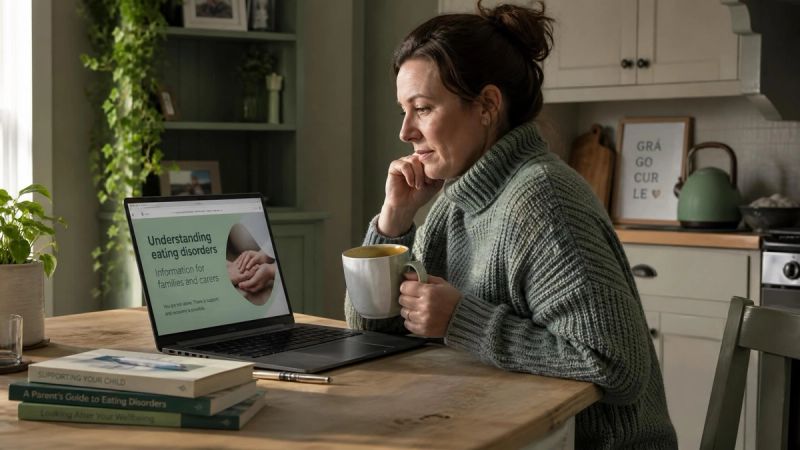
Understanding What Is Happening
An eating disorder is not a choice, a diet gone wrong, or a phase. It is a serious mental health condition that affects thoughts, emotions, and behaviours around food and body image. The person may be unable to see the seriousness of their situation, even when it is obvious to others. This is not denial or stubbornness. The illness itself can distort thinking and perception.
Families often feel confused by the changes they see. A once easy-going teenager may become irritable, secretive, or withdrawn. A parent may notice rigid eating rules, excessive exercise, or disappearing food. These behaviours are symptoms of distress, not personal attacks on the family.
Learning about eating disorders is an important first step. Trusted sources such as Bodywhys, the HSE, and specialist eating disorder services provide accurate information. The more families understand, the less likely they are to respond in ways that accidentally increase shame or resistance.
It can also help to understand that eating disorders often serve a purpose, even if that purpose is hard to see. For some people, restriction provides a sense of control in a chaotic world. For others, bingeing offers temporary comfort from painful emotions. Food becomes a language for feelings that are too difficult to express directly. This does not mean families should tolerate harmful behaviours, but understanding the function behind them can reduce blame and open pathways to support.

What to Say and What to Avoid
Starting a conversation can feel daunting. The most helpful approach is calm, honest, and non-judgemental. Choose a private moment when neither of you is rushed or upset.
Helpful things to say include:
- "I've noticed you seem really stressed around food lately. I'm worried about you."
- "You don't have to talk right now, but I want you to know I'm here."
- "This isn't your fault, and you don't have to deal with it alone."
- "I'm going to help you find support."
Things to avoid include:
- Comments about weight, appearance, or what they are eating
- Telling them to "just eat" or "stop exercising"
- Shouting, pleading, or bargaining
- Comparing them to others
- Making threats or giving ultimatums
- Pretending nothing is wrong
Appearance-based comments are especially harmful. Even compliments like "You look well" can be interpreted through the filter of the eating disorder. Focus on behaviours, emotions, and health instead.

The Role of Family Meals
Family meals can become tense when someone has an eating disorder. The person may feel watched, anxious, or trapped. Other family members may feel angry or upset by what they see. Creating a supportive meal environment takes patience and structure.
Practical tips include:
- Keeping mealtimes calm and predictable
- Avoiding discussions about weight, diets, or body shape at the table
- Not commenting on portion sizes or food choices
- Encouraging everyone to stay seated until the meal is finished
- Offering support without pressure
- Seeking guidance from a dietitian or family therapist
In family-based treatment, parents take an active role in supporting their child's nutritional rehabilitation. This approach is evidence-based and has strong outcomes for young people with anorexia. It is not about force; it is about compassionate, consistent support.
Looking After Yourself
You cannot pour from an empty cup. Supporting someone with an eating disorder is emotionally draining, and carers often neglect their own needs. Burnout, anxiety, and depression are common among family members.
It is important to:
- Accept that recovery is not linear
- Set boundaries around what you can and cannot do
- Talk to someone you trust about how you are feeling
- Access support for carers through Bodywhys or local services
- Keep up your own routines and interests
- Remember that you did not cause the eating disorder
Many parents and partners blame themselves, searching for what they did wrong. The causes of eating disorders are complex, and no single person is responsible. What matters now is how you respond and support recovery.

Supporting Siblings and Partners
Eating disorders do not affect only parents and children. Siblings, partners, and other close family members also carry a heavy load. Each relationship brings its own challenges.
Siblings may feel pushed to the side while the family focuses on the person who is unwell. They may worry, feel guilty, or resent the attention their brother or sister receives. They need age-appropriate explanations, reassurance, and opportunities to talk about their own feelings. Keeping their routines as normal as possible helps them feel secure.
Partners face a different set of difficulties. They may struggle with how to balance support with intimacy, or feel rejected when the person withdraws physically or emotionally. Meals, social life, and plans can all become complicated. Couples therapy or individual support can help partners process their experience and communicate more effectively.
Regardless of the relationship, no family member should be expected to be the sole source of support. Eating disorders are too serious and too complex for one person to manage alone.

Getting Professional Help in Ireland
Families do not need to manage this alone. In Ireland, there are several routes to professional support.
The first step is usually a GP visit. The GP can assess physical health, discuss concerns, and refer to specialist services. For children and adolescents, this may involve CAMHS. For adults, referral to a HSE community eating disorder team is common.
Specialist support may include:
- Medical monitoring by a GP or psychiatrist
- Dietetic support from an eating disorder dietitian
- Psychological therapy such as CBT-E, family-based treatment, IPT, or DBT
- Carer support through organisations like Bodywhys
Bodywhys offers a helpline, email support, online support groups for carers, and information sessions. These services can help families feel less isolated and more informed.
Private therapy is also an option. At Feel Better Therapy, families can explore specialist therapy for eating disorders and get matched with a therapist who can support the person affected and help family members navigate their role.

When the Person Does Not Want Help
It is common for someone with an eating disorder to resist help, especially at first. They may insist they are fine, become angry when approached, or promise to change without following through. This can be heartbreaking for families.
If the person refuses help, consider:
- Keeping communication open without constant pressure
- Sharing information gently rather than lecturing
- Involving a trusted third party such as a GP, teacher, or family friend
- Seeking advice from a specialist service about next steps
- Ensuring urgent medical help if there is serious physical risk
In severe cases where there is significant medical danger, families may need to involve emergency services or mental health crisis teams. This is difficult but sometimes necessary to protect life.

Frequently Asked Questions
Should I force my child to eat?
Force is rarely helpful and can increase fear and resistance. In family-based treatment, parents take charge of meals with compassion and structure, but this is done with professional guidance.
Will my loved one get better?
Many people recover from eating disorders, especially with early, appropriate support. Recovery can take time and may include setbacks, but improvement is possible.
How do I talk to siblings about what is happening?
Be honest in an age-appropriate way. Siblings may feel worried, confused, or neglected. Let them ask questions and reassure them that they are not responsible.
What if I say the wrong thing?
You probably will sometimes, and that is okay. Apologise if needed, learn from it, and keep showing up. Your consistent care matters more than perfect words.
Where can Irish families get help?
Start with your GP and Bodywhys. HSE services and private therapists provide further options depending on age, location, and severity.
You Are Not Alone
Having someone you love struggle with an eating disorder can feel isolating, but support is available. Families play a vital role in recovery, even when it does not feel that way. Small, consistent acts of love, paired with professional help, create the conditions for healing. You do not need to be an expert to make a difference. Your presence, patience, and willingness to learn are powerful medicines in themselves.
If Aisling's experience feels familiar, you do not have to figure it out by yourself. You can learn more about eating disorders in Ireland, anorexia, and binge eating disorder. When you are ready, you can explore specialist therapy through Feel Better Therapy and get matched with a therapist who can support your family through recovery.
Related Articles
- What Is an Eating Disorder? Signs, Types and When to Seek Help in Ireland
- Anorexia in Ireland: Signs, Risks and Recovery
- Binge Eating Disorder in Ireland: When Food Becomes a Coping Mechanism
This article is for informational purposes only and does not constitute medical advice. If you are concerned about an eating disorder, please contact your GP or Bodywhys on 01-2107906. In a crisis, contact Samaritans Ireland at 116 123 or emergency services at 112/999.