Therapy for Eating Disorders in Ireland: CBT, DBT and Recovery

Explore therapy options for eating disorders in Ireland, including CBT, DBT and family-based treatment. Find the right support for recovery.
After years of silently struggling with food, Laura finally told her GP the truth. She had tried diets, apps, and willpower, but nothing lasted. What she needed was not another plan. She needed someone who understood how her thoughts, emotions, and eating were connected, and who could help her rebuild from the inside out.
Therapy is the cornerstone of eating disorder recovery. In Ireland, several evidence-based approaches are available through the HSE, private clinics, and online services. Understanding the options can help you or your loved one find the right fit.

Why Therapy Matters
Eating disorders are not simply about food. They are complex conditions involving thoughts, emotions, behaviours, relationships, and sometimes biology. While medical and nutritional support are often necessary, therapy addresses the psychological patterns that keep the disorder going.
Without therapy, behaviours may change temporarily but often return. With therapy, people can understand what drives their eating disorder, develop healthier coping strategies, and rebuild their sense of self. Recovery is not about following rules perfectly. It is about creating a life where the eating disorder no longer feels necessary.
Research consistently shows that psychological therapy improves outcomes for people with eating disorders. Early intervention leads to better results, but therapy can help at any stage of illness.
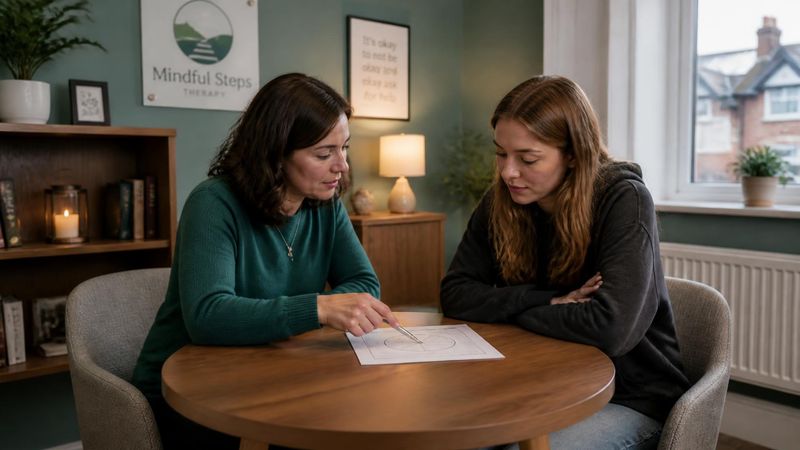
CBT-E: Enhanced Cognitive Behavioural Therapy
CBT-E is the leading psychological treatment for adults with eating disorders. It was developed specifically to address the core processes that maintain disordered eating, including overvaluation of weight and shape, perfectionism, mood intolerance, and interpersonal difficulties.
The therapy is structured and collaborative. The therapist and client work together to understand the eating disorder, establish regular eating patterns, challenge unhelpful thoughts, and reduce behaviours such as restriction, bingeing, and purging. CBT-E is usually offered weekly over 20 to 40 sessions, depending on severity.
One of the strengths of CBT-E is its flexibility. It can be adapted for anorexia, bulimia, binge eating disorder, and other presentations. It focuses on the present rather than digging extensively into the past, which many people find practical and empowering.
In Ireland, CBT-E is available through some HSE eating disorder services and many private therapists. At Feel Better Therapy, you can explore CBT for eating disorders and get matched with a therapist trained in this approach.

DBT: Dialectical Behaviour Therapy
DBT was originally developed for people with intense emotional difficulties, and it has been adapted for eating disorders. It is especially helpful when bingeing, purging, or restriction is used as a way to cope with overwhelming emotions.
DBT teaches four key skill areas:
- Mindfulness — paying attention to the present moment without judgement.
- Distress tolerance — getting through difficult moments without making things worse.
- Emotion regulation — understanding and managing intense feelings.
- Interpersonal effectiveness — communicating needs and maintaining relationships.
For someone whose eating disorder is closely tied to emotional regulation, DBT can be transformative. It does not just target eating behaviours; it builds a broader toolkit for managing life. DBT is increasingly available in Ireland through private therapists and some HSE services.

Family-Based Treatment
Family-based treatment, sometimes called the Maudsley approach, is the leading treatment for children and adolescents with anorexia. In this model, parents take an active role in helping their child restore weight and return to normal eating.
The therapy has three phases:
- Weight restoration — parents take charge of meals and snacks.
- Returning control — as the young person improves, they gradually regain independence around food.
- Adolescent issues — therapy addresses identity, relationships, and developmental tasks.
FBT recognises that families are not the cause of the eating disorder but are a crucial part of recovery. It is offered through CAMHS and some private services in Ireland.

Other Therapeutic Approaches
Several other therapies can support eating disorder recovery, depending on the person and their needs.
Interpersonal therapy focuses on relationships and life transitions. It can be helpful when the eating disorder is linked to grief, conflict, role changes, or social isolation.
Acceptance and commitment therapy helps people act according to their values rather than being controlled by difficult thoughts and feelings. It can be useful for body image issues, orthorexia, and relapse prevention.
Cognitive analytic therapy explores patterns developed in early relationships and how they replay in current life. Some people find it helpful for understanding the roots of their difficulties.
Nutritional rehabilitation is usually delivered by a dietitian with eating disorder experience. It complements psychological therapy by helping people rebuild a balanced, flexible relationship with food.

Medical and Multidisciplinary Care
Therapy works best when it is part of a coordinated care plan. Eating disorders can affect physical health in serious ways, so medical monitoring is often essential, especially in the early stages of recovery.
A multidisciplinary team may include:
- A GP or psychiatrist to monitor physical health, weight, bloods, heart function, and bone health.
- A dietitian to guide nutritional rehabilitation and help rebuild a balanced relationship with food.
- A therapist to address the psychological patterns maintaining the eating disorder.
- Other specialists such as dentists, physiotherapists, or occupational therapists as needed.
This team approach ensures that no aspect of recovery is overlooked. In Ireland, HSE eating disorder teams aim to provide this kind of coordinated care, though resources and waiting times vary across regions. Private multidisciplinary care is also available, either as a complete package or by combining professionals independently.

Accessing Therapy in Ireland
There are several ways to access therapy for eating disorders in Ireland. The starting point for many people is a GP, who can assess physical health and refer to specialist services. HSE community eating disorder teams and CAMHS provide assessment and treatment for eligible individuals.
Waiting times for HSE services can vary by location. Some people choose to access private therapy while waiting or as their main source of support. Online therapy has expanded access, particularly for people in rural areas or those who prefer the flexibility of remote sessions.
Cost can be a concern. Some private therapists offer sliding-scale fees, and some health insurance plans cover psychological therapy. It is worth checking what is available through your insurer or employer. Charities and support organisations can also help signpost affordable options.
When choosing a therapist, it is reasonable to ask about their training and experience with eating disorders. A general counsellor may not have the specific skills needed for this complex area. Look for someone familiar with CBT-E, DBT, FBT, or other evidence-based eating disorder treatments. The relationship between therapist and client matters too. Feeling safe, understood, and respected is essential for the work to progress.

What to Expect from Therapy
Starting therapy can feel daunting. The first sessions usually involve assessment, goal setting, and building trust. The therapist will ask about eating patterns, thoughts, emotions, physical health, and life circumstances.
As therapy progresses, the work becomes more active. People learn to challenge eating disorder thoughts, tolerate discomfort, and try new behaviours. There may be homework, food diaries, or practice exercises between sessions. Setbacks are normal and are treated as learning opportunities rather than failures.
A good therapist will not promise quick fixes. They will work with you at a pace that feels manageable while still encouraging change. Trust builds over time, and with trust comes the willingness to try things that once felt impossible.
Recovery is rarely linear. Some weeks feel easier than others. What matters is staying engaged with the process and having the right support in place.

Frequently Asked Questions
How long does eating disorder therapy last?
Treatment length varies. CBT-E often lasts 20 to 40 sessions. DBT programmes may run for several months. The duration depends on the diagnosis, severity, and individual progress.
Can therapy cure an eating disorder?
Many people recover fully with therapy. Others experience significant improvement and learn to manage lingering thoughts without returning to disordered behaviours. Recovery looks different for everyone.
Is online therapy effective for eating disorders?
Yes, research suggests that online therapy can be effective for many eating disorders, particularly CBT-E and DBT. It can also remove barriers related to travel, time, and stigma.
Do I need a diagnosis to start therapy?
No. If you are struggling with food, body image, or eating behaviours, you can seek therapy even without a formal diagnosis.
What if I have tried therapy before and it did not work?
Not every therapist or approach is the right fit. It is worth trying again with someone who specialises in eating disorders and uses evidence-based methods.
Finding the Right Support
Choosing to start therapy is a brave and important step. Whether you are struggling yourself or supporting someone you love, the right therapeutic relationship can make a profound difference. Recovery is possible, and it begins with reaching out. The right therapy can help you understand yourself more deeply and build a life where food is no longer the enemy.
If Laura's story resonates with you, help is available. You can learn more about eating disorders in Ireland, anorexia, and binge eating disorder. When you are ready, you can explore CBT and specialist eating disorder therapy through Feel Better Therapy and get matched with a therapist who can support your recovery.
Related Articles
- What Is an Eating Disorder? Signs, Types and When to Seek Help in Ireland
- Anorexia in Ireland: Signs, Risks and Recovery
- Binge Eating Disorder in Ireland: When Food Becomes a Coping Mechanism
This article is for informational purposes only and does not constitute medical advice. If you are concerned about an eating disorder, please contact your GP or Bodywhys on 01-2107906. In a crisis, contact Samaritans Ireland at 116 123 or emergency services at 112/999.