Binge Eating Disorder in Ireland: When Food Becomes a Coping Mechanism

Learn about binge eating disorder in Ireland, its signs, causes and treatment options. Specialist therapy can help you break the cycle.
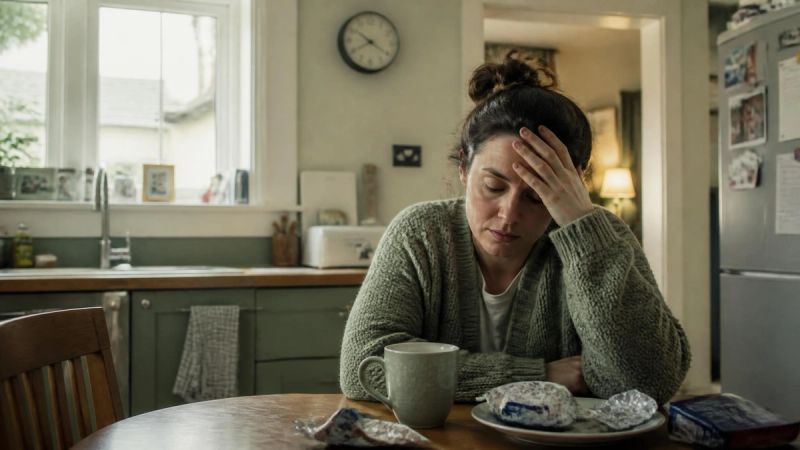
After a difficult day at work, Darren would sit in his car outside the shop and promise himself he would only buy one thing. But once he started eating, something else took over. Before he knew it, he had finished far more than he intended, eaten so quickly he barely tasted it, and was left with an overwhelming sense of shame. He would tell himself it would not happen again, but it did.
Darren had binge eating disorder. It is the most common eating disorder in Ireland and worldwide, yet it is often misunderstood or dismissed as a lack of willpower. In reality, binge eating disorder is a serious mental health condition that can affect physical health, emotional wellbeing, and quality of life.
What Binge Eating Disorder Actually Is
Binge eating disorder involves recurrent episodes of eating an unusually large amount of food in a short period, accompanied by a sense of loss of control. Unlike bulimia, people with binge eating disorder do not regularly use compensatory behaviours such as vomiting or excessive exercise. As a result, the condition is frequently overlooked, even by healthcare professionals.
A binge eating episode is different from ordinary overeating. During a binge, a person may eat much faster than normal, eat until uncomfortably full, eat alone out of embarrassment, and feel disgusted, depressed, or guilty afterwards. These episodes can happen in response to stress, sadness, boredom, or even without any clear trigger.
To meet a clinical diagnosis, binge eating episodes usually happen at least once a week for three months, though severity can vary. Some people binge daily, while others go weeks between episodes. The pattern can change over time, especially in response to stress, life changes, or attempts to diet. What matters most is not the exact frequency but the distress and loss of control that accompany the eating.
Binge eating disorder affects people of all ages, genders, and body sizes. According to Irish eating disorder charity Bodywhys, it is the most common eating disorder diagnosis in Ireland. HSE specialist eating disorder services received 915 referrals in 2025, and binge eating disorder made up a significant proportion of those seeking help.

Signs of Binge Eating Disorder
Binge eating disorder often develops gradually. Many people hide their eating habits for years before seeking help. The signs are not always visible, which can make the condition difficult to recognise.
Common behavioural signs include:
- Eating unusually large amounts of food in a short time
- Eating rapidly or in secret
- Continuing to eat past fullness or discomfort
- Feeling unable to stop eating once a binge has started
- Avoiding eating in front of others
- Stockpiling or hiding food
- Going on repeated diets without lasting success
Common emotional signs include:
- Intense guilt or shame after eating
- Low mood or depression
- Anxiety about food, weight, or eating habits
- Feeling out of control around food
- Using food to manage stress or difficult emotions
- Avoiding social situations because of body image concerns
Physical signs can include fatigue, digestive problems, and weight changes. It is important to remember that binge eating disorder cannot be diagnosed by appearance alone. People with the condition may be underweight, average weight, or in larger bodies.

Why Binge Eating Develops
Binge eating disorder is not caused by a lack of willpower. It develops from a combination of biological, psychological, and social factors. Genetics play a role, as do differences in brain chemistry that affect hunger, fullness, and reward.
Psychological factors include low self-esteem, perfectionism, difficulty tolerating distress, and a history of trauma or adverse experiences. Many people who binge eat describe food as one of the few reliable ways to feel better or numb difficult emotions. Dieting can also contribute, especially when restriction leads to intense hunger and rebound eating.
Social and environmental pressures matter too. In Ireland, diet culture is widespread, and people in larger bodies often face stigma and weight-based discrimination. This can make it harder to seek help, harder to receive compassionate care, and harder to escape the cycle of restriction and bingeing.
Harriet Parsons, Training and Development Manager at Bodywhys, has highlighted:
"Binge eating disorder is the most common eating disorder, yet it is often the least understood. People can feel invisible because they do not fit the stereotype of what an eating disorder 'looks like.' Everyone deserves support, regardless of body size."
Her point is essential. Binge eating disorder is real, treatable, and worthy of specialist care.

Health Risks of Binge Eating Disorder
Binge eating disorder can have serious physical and psychological consequences. Without treatment, it may contribute to type 2 diabetes, high blood pressure, digestive problems, sleep disturbances, and joint pain. Mental health difficulties are also common, including depression, anxiety, and social isolation.
The emotional toll can be just as significant as the physical one. Many people feel trapped in a cycle they cannot control. Shame and secrecy can prevent them from reaching out, while repeated attempts to diet can leave them feeling like failures.
Understanding that binge eating is a response to deeper difficulties, not a moral failing, is an important step toward recovery.

Treatment for Binge Eating Disorder in Ireland
Recovery from binge eating disorder is possible with the right support. The first step is usually to speak with a GP, who can rule out physical causes and refer to specialist services. In Ireland, HSE community eating disorder teams and CAMHS for younger people provide assessment and treatment.
Evidence-based psychological therapies include:
- CBT-E (enhanced cognitive behavioural therapy) — helps people understand triggers for bingeing, develop regular eating patterns, and change unhelpful thoughts about food, weight, and shape.
- Dialectical behaviour therapy (DBT) — useful for people who binge eat to cope with intense emotions. It builds skills for managing distress without using food.
- Interpersonal therapy (IPT) — focuses on relationships and life events that may be contributing to the eating disorder.
- Acceptance and commitment therapy (ACT) — helps people change their relationship with difficult thoughts and feelings, and move toward values-based behaviour.
Nutritional support from a dietitian with eating disorder experience can also be valuable. The goal is not another diet, but a sustainable, flexible approach to eating that reduces the urge to binge.
Bodywhys offers confidential support through its helpline, email service, and online groups. Private therapy is also an option, and many therapists now offer sessions online across Ireland. This can make specialist support more accessible, particularly for people in rural areas, those with busy schedules, or anyone who feels anxious about attending in person.
At Feel Better Therapy, you can explore CBT and specialist eating disorder therapy and get matched with a therapist who understands binge eating disorder.

How to Help Yourself
If you think you may have binge eating disorder, there are steps you can take while waiting for professional support.
- Eat regularly — skipping meals can make bingeing more likely. Aim for structured meals and snacks.
- Notice triggers — keep a brief note of when binges happen and what was happening emotionally.
- Be gentle with yourself — self-criticism often fuels the cycle. Recovery is not about willpower.
- Limit strict food rules — restriction usually leads to rebound eating.
- Reach out — talking to someone you trust can reduce secrecy and shame.
These steps can help, but they are not a substitute for professional treatment. A therapist with eating disorder experience can help you address the underlying causes and build lasting change.

Frequently Asked Questions
Is binge eating disorder the same as overeating?
No. While everyone overeats sometimes, binge eating disorder involves repeated episodes of eating large amounts of food with a sense of loss of control, accompanied by distress.
Can people of any weight have binge eating disorder?
Yes. Binge eating disorder affects people across the weight spectrum. It cannot be identified by appearance.
Is binge eating disorder treatable?
Yes. Evidence-based therapies such as CBT-E, DBT, and IPT can lead to significant and lasting recovery.
Do I need to see a specialist?
If binge eating is affecting your life, it is worth seeking help. Your GP can refer you to HSE services, or you can contact Bodywhys for guidance. Private therapy is also available.
What if I feel ashamed to ask for help?
Shame is a common part of binge eating disorder, but it should not stop you from getting support. Eating disorders are medical and psychological conditions, not personal failures.
Recovery Is Possible
Binge eating disorder can feel overwhelming, but it does not have to define your life. With the right support, you can understand the triggers that drive bingeing, develop a more peaceful relationship with food, and rebuild confidence in yourself. Recovery is not about becoming a different person. It is about freeing yourself from a cycle that no longer serves you, step by step.
If you recognise your own experience in this article, reaching out is a sign of strength. You can learn more about eating disorders in Ireland, bulimia, and anorexia. When you are ready, you can explore specialist therapy through Feel Better Therapy and get matched with a therapist who can support your recovery.
Related Articles
- What Is an Eating Disorder? Signs, Types and When to Seek Help in Ireland
- Bulimia in Ireland: Signs, Cycles and Treatment
- Anorexia in Ireland: Signs, Risks and Recovery
This article is for informational purposes only and does not constitute medical advice. If you are concerned about binge eating disorder or another eating disorder, please contact your GP or Bodywhys on 01-2107906. In a crisis, contact Samaritans Ireland at 116 123 or emergency services at 112/999.