Body Dysmorphia in Ireland: Signs, Causes and Support

Learn about body dysmorphia in Ireland, its signs, causes and support options. Therapy can help you see yourself more clearly.
Every morning, Aoife stood in front of the mirror in her Cork flat and stared at her skin. What other people might not notice at all, she saw as glaring and obvious. She spent hours checking her reflection, comparing photos, and researching treatments. She had cancelled nights out, avoided video calls, and turned down a promotion that would have meant more public speaking. Her friends told her she looked fine, but their words never reached the part of her mind that was convinced something was wrong.
Aoife was living with body dysmorphic disorder, often called body dysmorphia. It is a mental health condition in which a person becomes preoccupied with perceived flaws in their appearance. These flaws may be minor or may not be visible to others at all. The distress is real, and it can take over daily life.

What Body Dysmorphia Actually Is
Body dysmorphic disorder is an obsessive-compulsive related condition. It involves persistent, intrusive thoughts about one or more aspects of appearance. Common areas of concern include skin, hair, nose, teeth, weight, muscle size, and body shape. The preoccupation causes significant distress and can lead to repetitive behaviours such as mirror checking, skin picking, reassurance seeking, and comparing oneself to others.
People with body dysmorphia often believe they look ugly, deformed, or abnormal. They may avoid mirrors altogether, or they may check them compulsively. They might spend excessive time grooming, exercising, or trying to conceal the perceived flaw. The hours lost to these rituals can disrupt work, study, relationships, and sleep.
The perceived flaws can shift over time. Someone may focus on their skin for months, then become preoccupied with their nose, then their body shape. No amount of reassurance or effort seems to settle the anxiety for long. This moving target is one of the reasons body dysmorphia can be so exhausting and persistent.
Body dysmorphia is not vanity. It is not something a person can simply "get over" by being told they look fine. The problem is not with how they actually look; it is with how the brain processes what it sees. Research suggests that people with body dysmorphia may pay excessive attention to detail and struggle to see the whole picture when looking at themselves.

Signs of Body Dysmorphia
Body dysmorphia can be hard to recognise because people often hide their behaviours. They may feel ashamed of their concerns or believe others will think they are shallow. Knowing the signs can help someone seek support sooner.
Behavioural signs include:
- Spending a lot of time checking the mirror or avoiding mirrors completely
- Comparing appearance to others frequently
- Seeking reassurance about looks
- Taking many photos to check appearance
- Excessive grooming, styling, or exercise
- Wearing heavy makeup or baggy clothes to hide perceived flaws
- Avoiding social situations, photos, or video calls
- Researching cosmetic procedures online
Emotional signs include:
- Persistent shame, disgust, or anxiety about appearance
- Feeling that a flaw is the first thing others notice
- Believing that life would be better if the flaw were fixed
- Low self-esteem
- Depression or social anxiety
- Difficulty concentrating because of appearance worries
Physical signs may include skin damage from picking, changes in weight or muscle mass from compulsive exercise, and exhaustion from disrupted routines.
What Causes Body Dysmorphia?
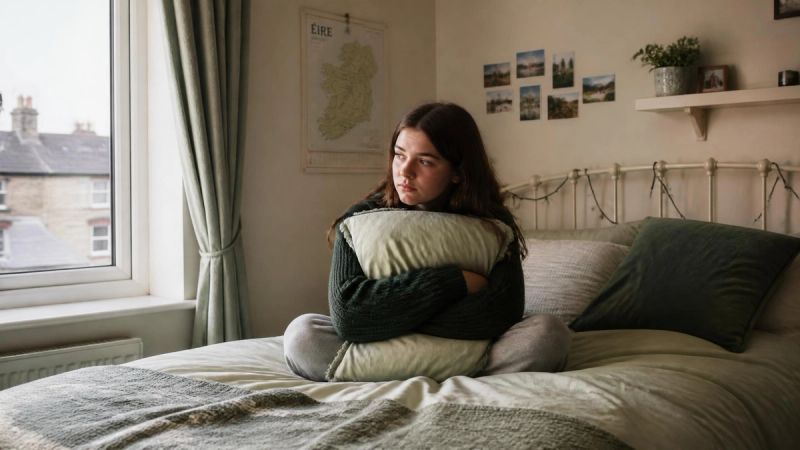
Body dysmorphia develops from a combination of biological, psychological, and social factors. There is evidence of genetic vulnerability, and the condition often runs alongside anxiety, depression, or obsessive-compulsive disorder. Certain personality traits, such as perfectionism and high self-criticism, are also common.
Childhood experiences can play a role. Bullying, teasing, or criticism about appearance can leave lasting wounds. Trauma, abuse, or growing up in an environment that placed high value on looks can also contribute. In some cases, body dysmorphia begins after a specific comment or event.
Social media and advertising culture amplify the pressure. In Ireland, young people spend significant time online, where filtered images and appearance-focused content are everywhere. Comparing oneself to idealised images can feed the belief that one's own appearance is flawed. Dr. Annmarie O'Connor, a counselling psychologist based in Dublin who specialises in body image, has noted:
"Body dysmorphia is not about being superficial. It is a distressing condition that can consume a person's attention and limit their life. Recovery involves learning to relate differently to appearance-related thoughts, not changing how they look."
This perspective is central to effective treatment. The goal is not to fix the perceived flaw but to reduce the power of appearance-related obsessions.
How Body Dysmorphia Affects Daily Life
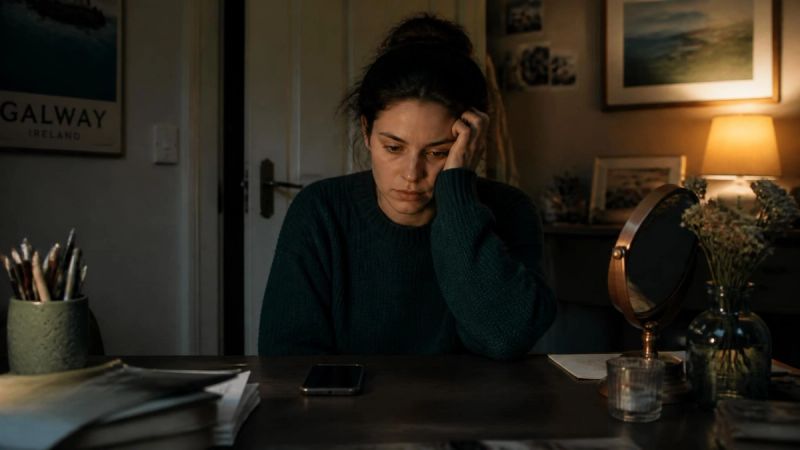
Body dysmorphia can quietly take over. A person might spend several hours each day on appearance-related rituals. They may arrive late to work because they cannot leave the mirror. They may avoid relationships because they fear being seen. They may turn down opportunities, isolate themselves, or spend money they cannot afford on products and procedures.
The condition can also increase the risk of developing or worsening an eating disorder. When the focus is on body shape or weight, disordered eating can become a way to try to change appearance. For this reason, body dysmorphia and eating disorders are closely linked and often treated together.
Many people with body dysmorphia also experience depression, social anxiety, or obsessive-compulsive symptoms. The constant self-monitoring can make it hard to be present with other people, even during moments that should be enjoyable. Over time, the world can feel smaller and smaller.
Suicidal thoughts are also more common among people with body dysmorphia than in the general population. The shame and hopelessness can feel unbearable. This is why early, compassionate support matters so much.

Treatment and Support in Ireland
Body dysmorphia is treatable. The most effective psychological therapy is cognitive behavioural therapy, specifically CBT with exposure and response prevention. This approach helps people reduce mirror checking, reassurance seeking, and avoidance, while learning to tolerate discomfort without acting on compulsions.
Other helpful approaches include:
- Acceptance and commitment therapy (ACT) — helps people act according to their values rather than appearance-related fears.
- Medication — selective serotonin reuptake inhibitors can be helpful for some people, especially when there is co-occurring depression or OCD.
- Mindfulness-based approaches — can reduce rumination and increase awareness of unhelpful thought patterns.
- Body image therapy — focuses specifically on improving the relationship with one's body.
In Ireland, support can be accessed through a GP, who may refer to HSE mental health services or a private therapist. Bodywhys provides information and support for people affected by body image and eating difficulties. Private therapy, including online sessions, is also available across the country.
At Feel Better Therapy, you can explore CBT and specialist therapy and get matched with a therapist who understands body dysmorphia and body image concerns.
Supporting Someone with Body Dysmorphia
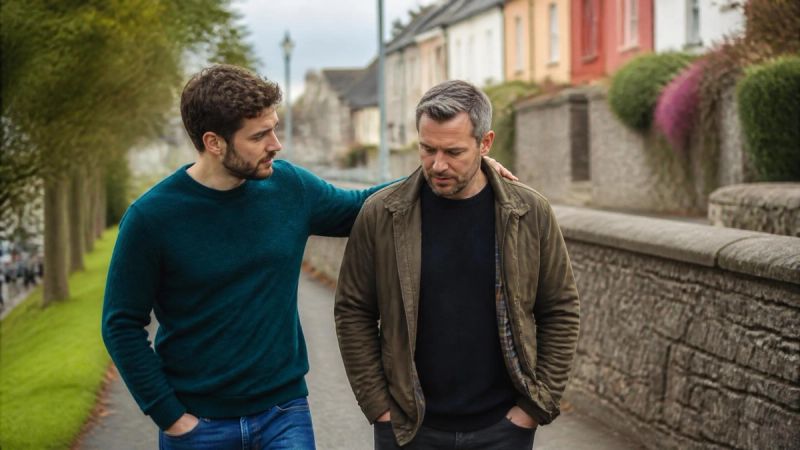
If someone you care about seems preoccupied with a perceived flaw, the most helpful response is compassion and patience. Avoid dismissing their concerns or telling them they look fine, even though this instinct comes from kindness. To them, the flaw feels real, and reassurance rarely lasts.
More helpful responses include:
- Listening without judgement
- Encouraging professional support gently
- Avoiding appearance-based compliments or criticism
- Not participating in lengthy reassurance rituals
- Inviting them to activities that are not appearance-focused
- Looking after your own wellbeing
Recovery takes time. The person may not be ready to accept help immediately. Your consistent, non-judgemental presence can make it easier for them to take the next step when they are ready.

Frequently Asked Questions
Is body dysmorphia the same as low self-esteem?
No. While low self-esteem can be part of body dysmorphia, the condition involves obsessive, intrusive thoughts and compulsive behaviours that significantly disrupt daily life.
Can men have body dysmorphia?
Yes. Body dysmorphia affects people of all genders. Men may be particularly focused on muscle size, hair loss, or skin concerns, and may be less likely to seek help due to stigma.
Does body dysmorphia require cosmetic surgery?
Cosmetic procedures rarely help and can sometimes make symptoms worse. Psychological therapy is the recommended treatment.
How common is body dysmorphia in Ireland?
Exact Irish prevalence figures are limited, but international studies suggest that body dysmorphia affects around one to two percent of the population. It is likely underdiagnosed due to shame and secrecy.
Can social media cause body dysmorphia?
Social media does not cause body dysmorphia on its own, but it can worsen appearance anxiety and comparison, particularly for people who are already vulnerable.
Seeing Yourself More Clearly
Body dysmorphia distorts more than appearance. It distorts self-worth, relationships, and possibilities. Recovery does not mean learning to love every feature. It means building a life where appearance is only one small part of who you are. It means loosening the grip of obsessive thoughts so that appearance stops ruling your life.
If Aoife's experience feels familiar, help is available. You can learn more about eating disorders in Ireland, anorexia, and binge eating disorder. When you are ready, you can explore specialist therapy through Feel Better Therapy and get matched with a therapist who can support you in seeing yourself more clearly.
Related Articles
- What Is an Eating Disorder? Signs, Types and When to Seek Help in Ireland
- Anorexia in Ireland: Signs, Risks and Recovery
- Binge Eating Disorder in Ireland: When Food Becomes a Coping Mechanism
This article is for informational purposes only and does not constitute medical advice. If you are concerned about body dysmorphia or another mental health condition, please contact your GP or Bodywhys on 01-2107906. In a crisis, contact Samaritans Ireland at 116 123 or emergency services at 112/999.