Eating Disorders in Men: Why It Often Goes Unnoticed

Eating disorders in men are often missed. Learn the signs, barriers to help, and treatment options in Ireland so recovery can begin.
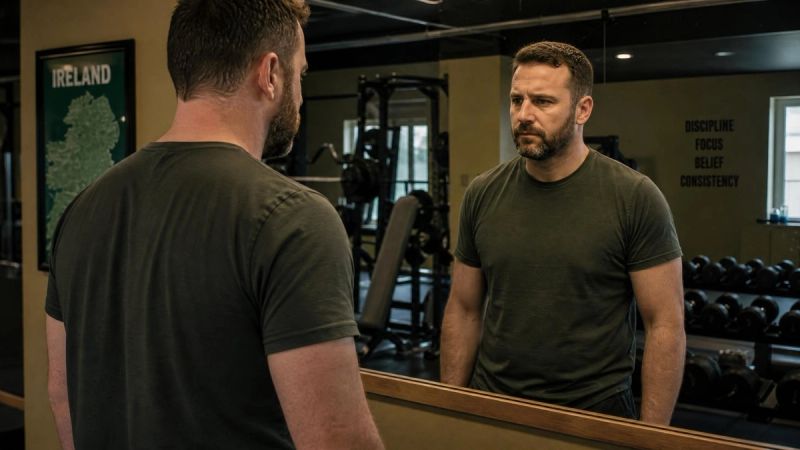
Conor had been training hard for months. After a difficult breakup, the gym became his refuge. What started as a way to cope slowly became something stricter. He tracked every meal, avoided nights out, and felt anxious if he missed a workout. His friends admired his discipline, but inside, Conor was exhausted. He could not admit to anyone that he was afraid of food.
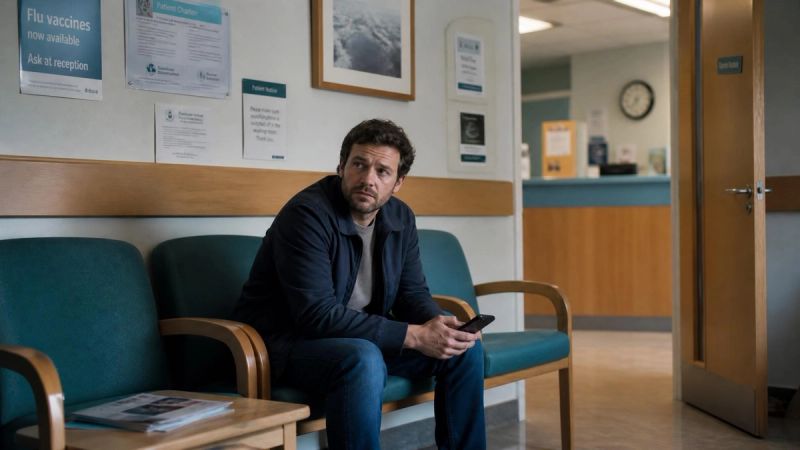
When he finally saw his GP in Limerick, he was surprised by the response. The doctor asked a few questions, seemed uncertain, and suggested he might just be stressed. Conor left without a referral. His eating disorder was not taken seriously, not because his doctor did not care, but because the stereotype of someone with an eating disorder is still a young woman.

Eating Disorders Are Not Just a Women's Issue
For a long time, eating disorders were viewed as illnesses that almost exclusively affected women and girls. This belief persists in media, healthcare, and public understanding. As a result, men and boys are often overlooked, diagnosed later, or missed entirely.
In reality, eating disorders affect people of all genders. Research suggests that around one in four people with an eating disorder is male. In Ireland, services are beginning to see more men coming forward, but stigma and outdated assumptions remain major barriers. According to Bodywhys, the Eating Disorders Association of Ireland, men frequently report that their symptoms were dismissed or that they did not feel eating disorder services were "for them."
The HSE recorded 915 referrals to specialist eating disorder services in 2025, and while the majority still come from women, the number of men seeking help is rising. Greater awareness is needed so that men are identified earlier and offered appropriate support.
Why Eating Disorders in Men Are Missed
There are several reasons why eating disorders in men often go unnoticed. Some are cultural, some are clinical, and some are personal.
Cultural factors include:
- The stereotype that eating disorders only affect women
- Pressure on men to be strong, self-reliant, and silent about emotional struggles
- Celebration of extreme exercise, dieting, and muscularity as discipline
- Shame about admitting vulnerability or seeking mental health support
Clinical factors include:
- Screening tools that were originally developed for women
- Healthcare professionals who are less likely to ask men about eating patterns
- Diagnostic criteria that may not fully capture male presentations
- Focus on weight loss, which may not match men's experiences
Personal factors include:
- Difficulty recognising that behaviours are disordered
- Fear of being judged as weak or unmasculine
- Belief that treatment spaces are not designed for men
- Reluctance to burden others with their struggles
These barriers can delay treatment for years. By the time a man reaches specialist care, the illness may be more entrenched and harder to treat.
How Eating Disorders Present in Men
Men can experience anorexia, bulimia, binge eating disorder, and other forms of disordered eating. However, some presentations are particularly common among men and may not fit the typical picture.
Muscle dysmorphia is one example. A man may believe he is too small or not muscular enough, even when he is very fit. This can lead to excessive exercise, strict dieting, supplement misuse, and distress when unable to train. The goal is not thinness but muscularity, which can make the condition harder to recognise.
Other common patterns in men include:
- Over-exercising, especially after eating
- Obsessive tracking of protein, calories, or macros
- Avoiding social situations that involve food or alcohol
- Using sport, fitness apps, or bodybuilding as cover
- Binge eating in secret
- Feeling ashamed of emotions or perceived lack of control
Men may also be more likely to present with co-occurring conditions such as depression, anxiety, substance use, or obsessive-compulsive disorder. These conditions can mask the underlying eating problem.
The Role of Fitness and Body Image Culture
In Ireland, gym culture, team sports, and fitness influencers play a powerful role in shaping men's relationships with their bodies. Much of this is positive. Exercise supports mental health, builds community, and creates structure. But when the pursuit of fitness becomes rigid, obsessive, or shame-driven, it can become part of an eating disorder.
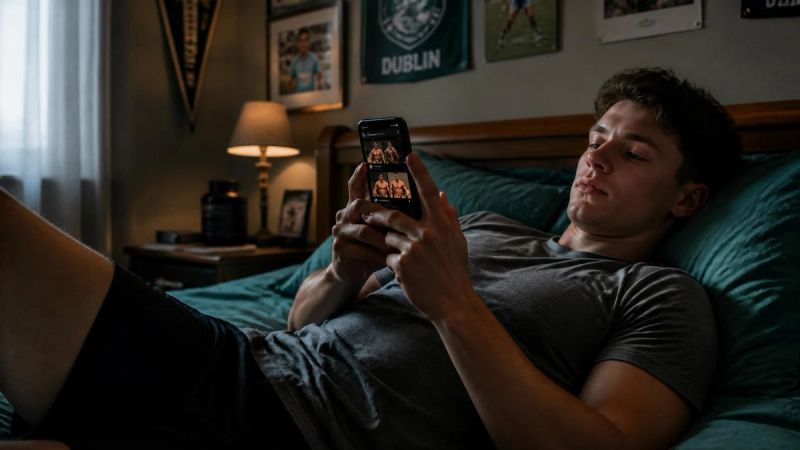
Social media amplifies the pressure. Images of muscular, lean bodies are everywhere, often enhanced or filtered. Young men in particular may compare themselves to these images and feel inadequate. The message is subtle but relentless: to be acceptable, you must be bigger, leaner, and stronger.
For some men, this pressure begins in adolescence. Comments in the school changing room, expectations in sport, or teasing about weight can plant seeds that grow into serious difficulties later on. Coaches, teammates, and family members may praise discipline and dedication without noticing when healthy commitment crosses into obsession.
Social media also allows comparison at a scale previous generations did not experience. A young man in rural Ireland can scroll through hundreds of images of idealised male bodies in minutes. Over time, these comparisons can reshape what feels normal and achievable, and can fuel behaviours that look like discipline from the outside but feel like imprisonment on the inside.
Barriers to Seeking Help
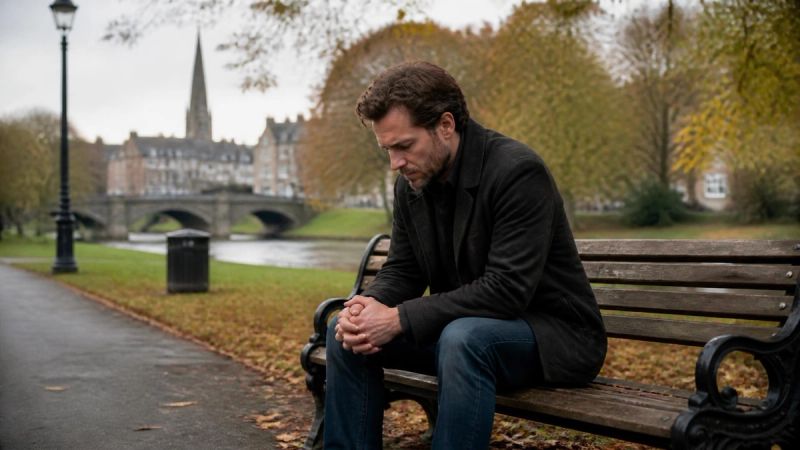
Men face specific obstacles when it comes to asking for help with an eating disorder. Many have internalised the idea that they should be able to handle problems on their own. They may fear being seen as less masculine for struggling with food or body image.
Healthcare settings can also feel unwelcoming. Waiting rooms filled with women's magazines, assessment language that assumes female experience, and a lack of male-specific resources can all reinforce the sense that this is not a space for men. Even well-meaning professionals may overlook warning signs because they do not expect to see them in male patients.
Dr. Bryce Strother, a clinical psychologist who works with eating disorders in Ireland, has observed:
"Men often tell me they spent years believing they could not have an eating disorder because they were not a teenage girl. By the time they reach me, the illness has usually taken a heavy toll. Normalising the fact that men experience eating disorders is essential."

Treatment and Support for Men in Ireland
The good news is that eating disorders in men respond to the same evidence-based treatments as they do in women. CBT-E, family-based treatment for younger people, interpersonal therapy, and nutritional rehabilitation can all be effective. The key is that treatment feels relevant and accessible.
In Ireland, men can start by speaking to their GP. HSE eating disorder services and CAMHS accept male referrals. Bodywhys offers support to people of all genders, including men who may be unsure whether their experiences count as an eating disorder.
Private therapy is another route. Online therapy can be especially helpful for men who feel uncomfortable attending in person or who live in rural areas. A male therapist may also be preferred by some, though the most important factor is finding someone with genuine eating disorder expertise.
At Feel Better Therapy, you can explore CBT and specialist eating disorder therapy and get matched with a therapist who understands eating disorders in men.
How to Help a Man You Are Worried About
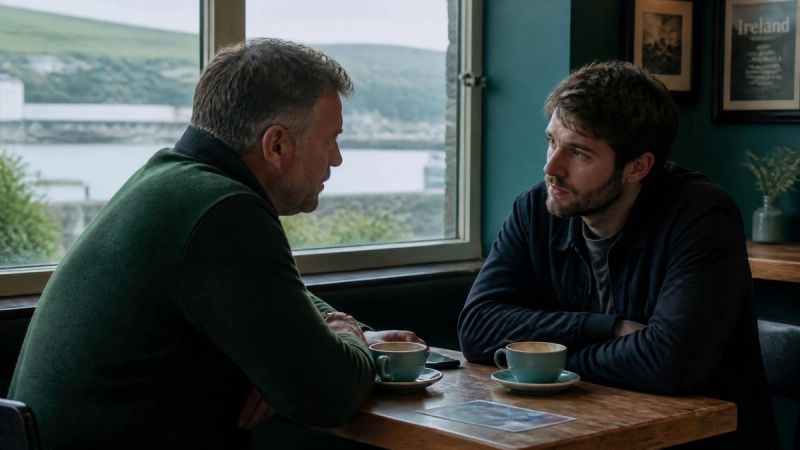
If you are concerned about a man in your life, the most important thing is to start the conversation without judgement. Avoid comments about his body, weight, or muscularity. Instead, focus on the behaviours and emotions you have noticed.
You might say:
- "I've noticed you seem really stressed around food and the gym lately."
- "You don't have to talk to me, but I want you to know I'm here."
- "Have you thought about speaking to someone who understands this stuff?"
Give him space to respond without forcing the issue. Recovery is his journey, but your steady support can make it easier for him to take the first step.
Frequently Asked Questions
Can men get anorexia?
Yes. Men can develop anorexia, bulimia, binge eating disorder, and other eating disorders. The presentation may differ, but the distress and risks are real.
Why are eating disorders in men overlooked?
Stereotypes, shame, and healthcare assumptions all contribute. Men may also be less likely to recognise their own symptoms or seek help.
What is muscle dysmorphia?
Muscle dysmorphia is a preoccupation with being insufficiently muscular. It can lead to excessive exercise, strict eating, supplement use, and significant distress.
Are eating disorder services in Ireland open to men?
Yes. HSE services, CAMHS, Bodywhys, and private therapists all support men with eating disorders.
How can I support a man with an eating disorder?
Listen without judgement, avoid appearance-based comments, encourage professional help, and be patient. Recovery takes time.
Recovery Is for Everyone
Eating disorders do not discriminate. They affect men, women, and people of all gender identities. The sooner someone gets help, the better their chance of recovery. For men, the biggest hurdle is often believing that help is available and that they deserve it.
If Conor's story feels familiar, you are not alone. You can learn more about eating disorders in Ireland, anorexia, and binge eating disorder. When you are ready, you can explore specialist therapy through Feel Better Therapy and get matched with a therapist who can support your recovery.
Related Articles
- What Is an Eating Disorder? Signs, Types and When to Seek Help in Ireland
- Anorexia in Ireland: Signs, Risks and Recovery
- Binge Eating Disorder in Ireland: When Food Becomes a Coping Mechanism
This article is for informational purposes only and does not constitute medical advice. If you are concerned about an eating disorder in yourself or someone else, please contact your GP or Bodywhys on 01-2107906. In a crisis, contact Samaritans Ireland at 116 123 or emergency services at 112/999.