Orthorexia: When Healthy Eating Becomes Obsessive

Learn about orthorexia in Ireland — when healthy eating becomes obsessive. Find out the signs, risks and how therapy can help.
Seán had started out with the best of intentions. After watching a few documentaries about nutrition, he began cutting out processed foods, then sugar, then gluten, then dairy. Within months, his list of "allowed" foods had shrunk so much that eating anywhere except his own kitchen felt impossible. Friends stopped inviting him to dinners. Family meals became tense. The label reading, the meal prepping, the constant research — it was all done in the name of health, but Seán had never felt worse.
What Seán was experiencing is sometimes called orthorexia. Although it is not yet formally classified as a separate eating disorder in all diagnostic manuals, orthorexia describes an obsession with "healthy" or "clean" eating that becomes rigid, restrictive, and harmful. It can damage physical health, relationships, and emotional wellbeing, all while being praised as discipline.
What Orthorexia Actually Is
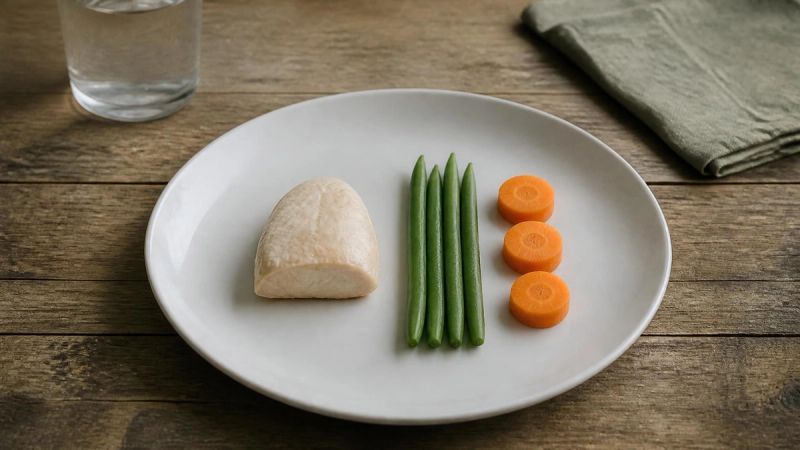
Orthorexia nervosa is characterised by an excessive preoccupation with eating food that is perceived as healthy, pure, or clean. Over time, the pursuit of a perfect diet becomes more important than the joy, social connection, or nutritional balance that food is meant to provide. Rules multiply, food groups are eliminated, and any deviation causes intense anxiety or guilt.
Unlike some other eating disorders, orthorexia is often driven by a desire for health rather than weight loss alone. The person may not be trying to become thin. They may genuinely believe they are looking after themselves. But the rigidity of their eating, the distress when rules are broken, and the narrowing of their life around food are signs that something has gone wrong.
Orthorexia can develop from exposure to wellness culture, social media influencers, fitness communities, and extreme dietary advice. In Ireland, where interest in health, fitness, and "clean" eating is widespread, the risk is real. According to Bodywhys, the Eating Disorders Association of Ireland, rigid food rules and preoccupation with healthy eating are increasingly reported among people seeking support.
Warning Signs of Orthorexia
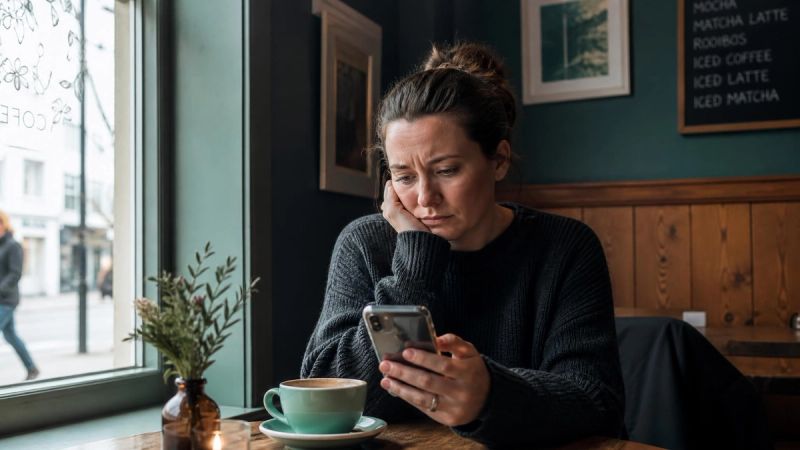
Orthorexia can be difficult to recognise because it often begins with behaviours that society rewards. Compliments about discipline, willpower, or "being good" can reinforce the obsession and make it harder to see the harm.
Behavioural signs include:
- Cutting out increasing numbers of food groups
- Spending hours researching ingredients, supplements, or diets
- Refusing to eat food prepared by others
- Avoiding restaurants, social events, or travel because of food rules
- Feeling anxious or panicked when "safe" food is unavailable
- Judging others for what they eat
- Following strict food preparation or cleansing rituals
Emotional signs include:
- Intense guilt or anxiety after eating something "unhealthy"
- A sense of moral superiority tied to food choices
- Irritability when food plans are disrupted
- Social isolation
- Feeling that self-worth depends on eating "cleanly"
- Difficulty enjoying food or meals
Physical signs can include fatigue, nutrient deficiencies, weight changes, and digestive problems. Over time, the diet that was supposed to improve health can leave the body depleted.

Why Orthorexia Develops
Orthorexia usually develops from a mix of personality, culture, and life circumstances. People who are perfectionistic, anxious, or highly conscientious may be more vulnerable. A history of dieting, an eating disorder, or body image concerns can also increase the risk.
Wellness culture plays a powerful role. Social media is full of influencers promising that the right diet will solve almost every problem. Documentaries, podcasts, and wellness brands often present extreme eating patterns as enlightened or necessary. For someone already prone to anxiety or black-and-white thinking, these messages can become rigid rules.
In Ireland, wellness is everywhere: gyms, health-food shops, running clubs, and social media feeds all celebrate discipline and "clean living." For most people, this is harmless. But for someone vulnerable, the same culture can feed an obsession. What starts as an interest in nutrition can become a full-time preoccupation with ingredient lists, organic labels, and avoiding anything deemed processed or impure.
Major life stress can also trigger orthorexia. When other parts of life feel uncertain, food can become something to control. The kitchen becomes a place of certainty in a world that feels chaotic. But the control is an illusion, and the rules keep tightening.
Dr. Steven Bratman, the American physician who first described orthorexia, has written:
"A theory may be wrong, but a meal is either healthy or unhealthy. For someone seeking certainty in an uncertain world, healthy eating can become an obsession."
His observation captures how orthorexia can feel like a safe refuge while quietly taking over a person's life.

The Risks of Orthorexia
Orthorexia is not harmless. Nutritionally, restrictive "clean" diets can lead to deficiencies in essential nutrients, especially when entire food groups are eliminated without medical guidance. Energy levels drop, immunity can suffer, and long-term bone, hormone, and digestive health may be affected.
Psychologically, orthorexia can fuel anxiety, depression, and social withdrawal. Meals become a source of fear rather than nourishment. Relationships fray when food rules dominate social life. The person's identity can narrow until they are little more than their diet.
There is also a risk that orthorexia can progress into or overlap with a more formally recognised eating disorder. The boundary between "very healthy eating" and disordered eating is not always clear, and early intervention matters.

Treatment and Support in Ireland
Recovery from orthorexia involves loosening rigid food rules, addressing the anxiety beneath them, and rebuilding a flexible, balanced relationship with food. The first step is usually to speak with a GP, who can assess physical health and refer to specialist services if needed.
Helpful therapeutic approaches include:
- Cognitive behavioural therapy (CBT) — helps challenge rigid food rules, reduce anxiety, and develop more flexible thinking.
- Exposure work — gently reintroduces avoided foods and situations in a supported way.
- Acceptance and commitment therapy (ACT) — supports people to act according to their values rather than food rules.
- Nutritional rehabilitation — working with a dietitian to restore balanced, varied eating without fear.
Bodywhys provides information, helpline support, and resources for people concerned about any form of disordered eating. Private therapy is also available, including online options across Ireland.
At Feel Better Therapy, you can explore CBT and specialist therapy and get matched with a therapist who understands orthorexia and the pressures that feed it.
How to Help Yourself or Someone You Care About
If you recognise signs of orthorexia in yourself, reaching out is an important first step. A few practical changes can also help while you wait for professional support.
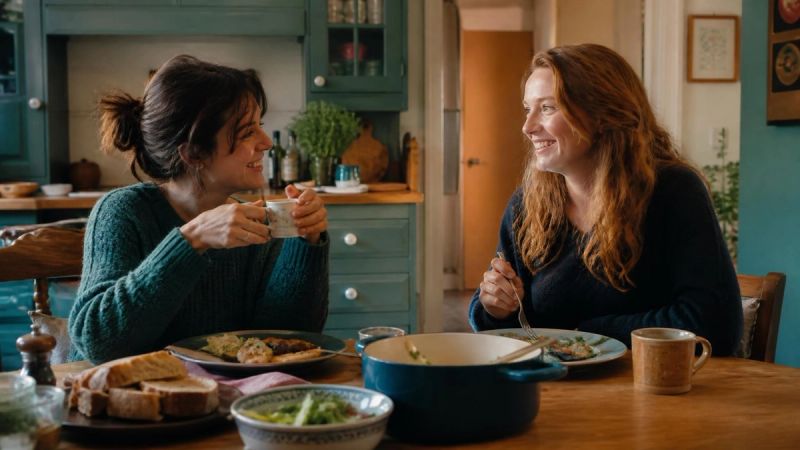
- Eat with others — even occasionally. Social meals can loosen the grip of rigid rules.
- Question the rules — ask yourself whether each rule comes from genuine health advice or from fear.
- Limit wellness content — unfollow accounts that make food feel frightening or morally loaded.
- Notice the cost — if your diet is damaging relationships, energy, or mood, it is not truly healthy.
- Talk to someone — secrecy keeps orthorexia alive. Speaking to a trusted person can reduce shame.
If you are worried about someone else, approach them with curiosity rather than criticism. Focus on how rigid eating seems to be affecting their life, rather than telling them their diet is wrong. You might say something like, "I've noticed food seems to cause you a lot of stress lately. I'm here if you ever want to talk." Simple, non-judgemental comments can open the door to deeper conversations and professional support.

Frequently Asked Questions
Is orthorexia officially recognised as an eating disorder?
Orthorexia is not currently a separate diagnosis in the DSM-5 or ICD-11, but it is increasingly recognised by clinicians and researchers as a serious pattern of disordered eating.
How is orthorexia different from healthy eating?
Healthy eating is flexible and allows for enjoyment, social connection, and occasional indulgence. Orthorexia is rigid, rule-bound, and causes significant distress or impairment.
Can orthorexia lead to other eating disorders?
Yes. Orthorexia can overlap with anorexia, bulimia, or binge eating disorder, especially when restriction becomes severe or compensatory behaviours develop.
Is orthorexia common in Ireland?
Rigid healthy eating and wellness-related food anxiety are increasingly reported in Ireland. Bodywhys and HSE eating disorder services are seeing more people whose relationship with food has become obsessive.
What should I do if I think I have orthorexia?
Speak to your GP or contact Bodywhys for information and support. A therapist with eating disorder experience can help you understand what is driving the obsession and how to loosen its hold.
Finding Balance Again
Healthy eating should support life, not dominate it. When food rules start to shrink your world, cause anxiety, or damage your health, it is time to seek help. Recovery does not mean abandoning nutrition. It means choosing flexibility, connection, and wellbeing over perfection. Orthorexia may have started as a pursuit of wellness, but recovery means reclaiming flexibility, joy, and connection.
If Seán's story feels familiar, you are not alone. You can learn more about eating disorders in Ireland, anorexia, and binge eating disorder. When you are ready, you can explore specialist therapy through Feel Better Therapy and get matched with a therapist who can help you rebuild a healthier relationship with food.
Related Articles
- What Is an Eating Disorder? Signs, Types and When to Seek Help in Ireland
- Anorexia in Ireland: Signs, Risks and Recovery
- Binge Eating Disorder in Ireland: When Food Becomes a Coping Mechanism
This article is for informational purposes only and does not constitute medical advice. If you are concerned about orthorexia or another eating disorder, please contact your GP or Bodywhys on 01-2107906. In a crisis, contact Samaritans Ireland at 116 123 or emergency services at 112/999.