Dental Phobia: Overcoming Fear of the Dentist in Ireland

Dental phobia can stop people from getting essential care. Learn why it develops, how it affects health, and how CBT and sedation dentistry can help in Ireland.
Fiona is 41 and has a toothache she has been ignoring for three weeks. She knows she should see a dentist. The last time she went, five years ago, the smell of the surgery made her feel faint. The chair seemed to tip back too far. The sound of the drill sent a jolt of panic through her chest. She left before the examination was finished and has not been back since.
Now she chews on one side of her mouth and avoids cold drinks. She tells herself she will book an appointment when work quiets down. Deep down, she suspects she is simply terrified.
Fiona is not unusual. Dental phobia affects a significant number of people in Ireland. It can develop after a painful experience, from a fear of loss of control, or from the sounds, smells, and sensations of a dental surgery. The result is often the same: people delay care until pain forces them to go, by which point treatment is more complex and more frightening.

What Dental Phobia Actually Is
Dental phobia is an intense, persistent fear of dental treatment. It is more severe than ordinary nervousness. Someone with dental phobia may avoid the dentist for years, even when they are in pain. The fear can be focused on needles, drills, pain, choking, the dentist's judgement, or the feeling of being trapped in the chair.
The condition exists on a spectrum. Some people feel anxious but still attend appointments. Others cannot even walk past a dental surgery without feeling panicked. Wherever you sit on that spectrum, the fear is real and it is treatable.
"Dental anxiety and phobia are among the most common reasons people avoid healthcare. The tragedy is that this avoidance often leads to worse dental problems, which then require more invasive treatment." — Professor Gerry Humphris, psychologist and dental anxiety researcher
In Ireland, dental phobia is thought to affect up to one in five adults to some degree. Many hide it because they feel ashamed, which only deepens the cycle of avoidance.

Why People Develop Dental Phobia
Dental phobia usually begins with one or more negative experiences. A painful procedure, a dismissive dentist, or feeling helpless as a child can create a lasting fear memory.
Common triggers include:
- A previous painful or traumatic dental experience
- Fear of needles or injections in the mouth
- Fear of choking, gagging, or being unable to swallow
- The sound, smell, or vibration of dental equipment
- Feeling helpless or unable to communicate while lying back
- Worry about being judged for the state of your teeth
- Hearing other people's frightening dental stories
For some, the phobia is linked to a broader pattern of anxiety or a history of trauma. For others, it is specific to dentistry. Either way, the body's threat response kicks in whenever dental care is mentioned.

How Dental Phobia Affects Health
Avoiding the dentist might feel like a solution in the short term, but it tends to make things worse. Small problems become big ones. A filling that could have been simple becomes a root canal. A clean that could have prevented gum disease becomes periodontal treatment.
Consequences of dental avoidance can include:
- Tooth decay and gum disease progressing unchecked
- Chronic pain and infections
- Difficulty eating certain foods
- Embarrassment about appearance or bad breath
- Lower self-confidence in social and work situations
- General health problems linked to poor oral health
- Higher treatment costs when problems eventually need fixing
There is also a growing understanding of the link between oral health and conditions such as heart disease and diabetes. Avoiding dental care can affect more than just your mouth.

Dental Phobia in Children
Dental fear often begins in childhood. A single difficult experience — a filling without enough anaesthetic, a rushed dentist, or a frightening comment — can shape how a child feels about dental care for years.
Parents can help by choosing a child-friendly dentist, preparing the child honestly but calmly, and avoiding threats such as "If you don't brush, you'll need a filling." Rewarding bravery after the appointment, rather than criticising fussiness, builds positive associations.
If a child's fear is severe, early intervention with a psychologist or play therapist can prevent it from becoming a lifelong phobia. The earlier children learn that dental care can be manageable, the better their long-term oral health.

What Helps Before and During Appointments
There are practical strategies that can make dental visits easier.
Find the right dentist. Some dentists specialise in anxious patients. Look for a practice that mentions nervous patients, gentle dentistry, or sedation on its website. A compassionate dentist will not rush you.
Be honest about your fear. Tell the receptionist and dentist that you are anxious. Agree on a signal you can use if you need a break, such as raising your hand. Knowing you have control can reduce panic.
Start with a consultation. Your first visit does not have to involve treatment. Simply sitting in the chair, meeting the dentist, and discussing your options can be a useful first step.
Use distraction. Listening to music, podcasts, or calming sounds through headphones can block out the noises that trigger anxiety. Some practices offer screens to watch during treatment.
Ask about numbing options. Modern anaesthetic techniques can make dental treatment much more comfortable. Tell your dentist if you have had bad experiences with pain in the past.
Consider sedation. For people with severe dental phobia, sedation dentistry can make longer or more complex procedures manageable. Options include inhalation sedation, oral sedatives, and intravenous sedation.
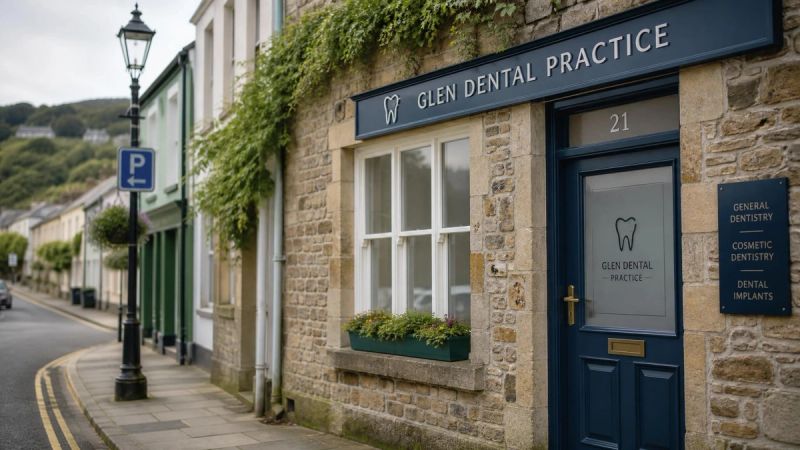
Dental Phobia Support in Ireland
In Ireland, dental care is available through both public and private routes, although access varies.
Medical card holders. The Dental Treatment Services Scheme (DTSS) provides certain dental treatments free of charge to medical card holders. This includes examinations, some extractions, and emergency treatment. Your dentist can advise what is covered.
Private dentistry. Private practices often offer more flexibility, shorter waiting times, and a wider range of sedation options. Many also advertise services for nervous patients.
CBT for dental phobia. Cognitive behavioural therapy can help you challenge catastrophic thoughts about dental treatment and build gradual exposure. Some therapists work alongside dentists to prepare anxious patients for appointments.
Sedation clinics. Several practices in Ireland offer conscious sedation for dental treatment. This can be a good option if avoidance has led to significant dental problems that now need addressing.
HSE dental services. Public dental services are available for children and certain groups. Adults typically need to use private care or the DTSS if eligible.
If you are unsure where to start, your GP or local dental practice can point you in the right direction.

When to Seek Professional Help
Consider seeking support for dental phobia if you:
- Have not seen a dentist in years despite knowing you need care
- Feel intense dread, panic, or physical symptoms at the thought of dentistry
- Are avoiding treatment because of fear rather than cost or time
- Have dental pain but cannot bring yourself to book an appointment
- Need extensive work but feel unable to face it
CBT, exposure therapy, and sedation dentistry can all play a role. The right combination depends on how severe the phobia is and what dental work is needed.

Frequently Asked Questions
Is dental phobia common in Ireland?
Yes. Surveys suggest that dental anxiety or phobia affects a substantial minority of adults in Ireland. It is one of the most common reasons people avoid routine healthcare.
Can I be put to sleep for dental treatment in Ireland?
General anaesthesia for dental treatment is rarely used outside hospitals. However, conscious sedation is widely available in private practices and can make you feel deeply relaxed while remaining awake.
Will CBT cure my dental phobia?
Many people find CBT significantly reduces their fear and makes dental visits manageable. It may not eliminate all anxiety, but it can stop the fear from controlling your decisions.
What if my teeth are in bad shape?
Dentists who treat anxious patients have seen it all. Their job is to help, not to judge. Being honest about your fears and the time that has passed is the first step.
Related Articles
- What Is a Phobia? Signs, Symptoms and Types in Ireland
- Agoraphobia in Ireland: When Fear Keeps You Inside
- Social Phobia vs Social Anxiety: What's the Difference?
- Emetophobia: Fear of Vomiting and How CBT Helps
- Fear of Flying (Aerophobia): How to Manage It
- Trypanophobia: Fear of Needles and Medical Procedures
- Arachnophobia and Common Animal Phobias
Dental phobia can steal years of good health and confidence. It can turn a simple check-up into a battle and leave you dealing with pain that could have been prevented. But it does not have to stay that way.
With the right dentist, the right support, and possibly some CBT, you can get back into the chair and take care of your mouth without overwhelming fear. Recovery is not about loving the dentist. It is about being able to go.
If dental phobia is keeping you away from care, you do not have to tackle it alone. At Feel Better Therapy, you can get matched with a therapist who understands specific phobias and can help you prepare for dental appointments at a pace that feels safe. You can also learn more about CBT and anxiety therapy.
This article is for informational purposes only and does not constitute medical advice. If you are in crisis, please contact Samaritans Ireland at 116 123 or Pieta House at 1800 247 247.