Phobias in Ireland: A Complete Guide

A complete guide to phobias in Ireland, including common types, causes, treatments and how CBT can help you overcome persistent fear.
Niamh used to love going to the cinema. The big screen, the shared silence, the moment the lights went down. Then, during one packed screening in Cork, she felt her chest tighten. The room seemed too small, the air too still, the crowd too close. She left before the trailers had finished and took the stairs rather than risk the lift.
After that night, she started choosing her seat carefully, then avoiding full screenings, then skipping the cinema altogether. It was not long before she was turning down invitations that involved crowds, public transport or anywhere she might feel trapped. She told herself she was just being sensible. But underneath, she knew something had shifted. A place that once brought joy now brought dread.
Niamh's experience is not unusual. Many people in Ireland live with phobias that shape their choices in quiet, invisible ways. They skip medical appointments, avoid travel, change career plans or miss social events. Often, they keep it to themselves because the fear feels irrational or embarrassing. But phobias are a recognised mental health condition, and they are highly treatable.
If Niamh's story resonates with you, this guide is for you. Phobias are more common than many people realise, and they are also one of the most treatable mental health challenges. Whether your fear is of flying, needles, spiders, vomit, dentists, open spaces or social situations, understanding what is happening is the first step toward changing it.
What a Phobia Actually Is
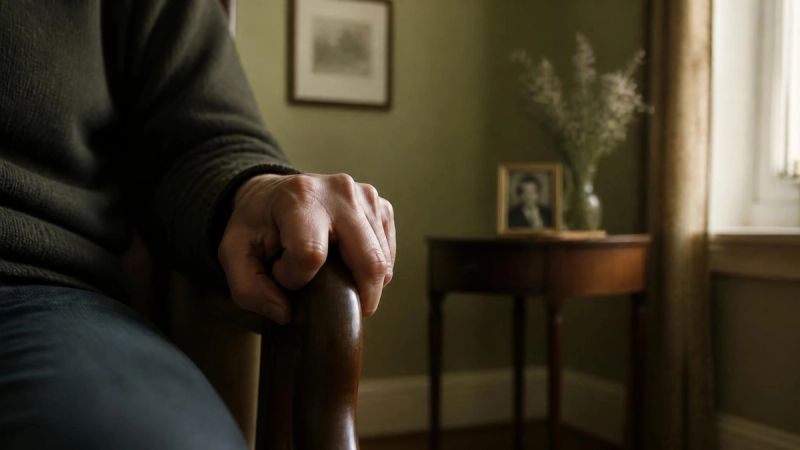
A phobia is an intense, persistent fear of a specific object, situation or activity. The fear is out of proportion to the actual danger, but it feels very real. When someone with a phobia encounters their trigger, their body can react as if they are in immediate danger: racing heart, rapid breathing, sweating, trembling, nausea or an overwhelming urge to escape.
The HSE estimates that specific phobias affect around one in ten people at some point in their lives. They often begin in childhood, adolescence or early adulthood and can continue for years without treatment. What distinguishes a phobia from ordinary fear is avoidance. Most people do not enjoy injections, tight spaces or public speaking. But they can tolerate them when necessary. Someone with a phobia will rearrange their life to avoid the trigger entirely.
It is also important to understand that phobias are not a sign of weakness or immaturity. They are the result of a threat-detection system that has become oversensitive. The same system that helps us survive genuine danger can misfire when it learns to treat everyday situations as threats. The brain can unlearn this response, but it usually needs the right structure and support to do so.
That avoidance keeps the phobia alive. Every time you dodge the feared situation, your brain learns the lesson that the situation was dangerous and that avoidance saved you. Breaking that cycle is the heart of successful treatment.
To understand the difference between a fear and a phobia, and to learn about the physical and emotional signs, read our spoke on what a phobia is and how it develops in Ireland.
What Causes a Phobia?
Phobias rarely have a single cause. They usually develop through a mix of factors.
A frightening experience is one common trigger. A turbulent flight, a dog bite, a choking episode or a difficult medical procedure can all leave a lasting impression. The brain files the experience as dangerous and becomes hypervigilant for anything that resembles it. However, not everyone who has a scary experience develops a phobia, and many people with phobias cannot pinpoint a specific event.
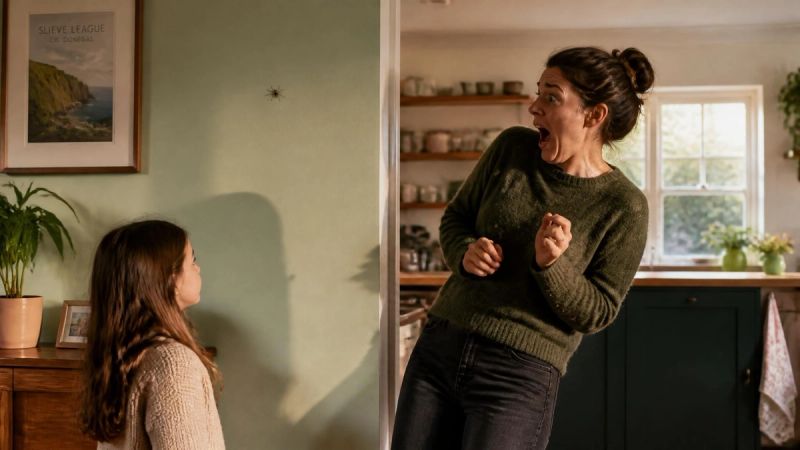
Learning also plays a significant role. Children can pick up fears from parents, siblings or caregivers. If a parent panics at the sight of a spider, a child may learn that spiders are dangerous without ever being told directly. Media, films and social media can reinforce this by presenting certain animals, situations or body sensations as threatening.
Temperament and genetics matter too. Some people are born with a more sensitive anxiety system. If anxiety or phobias run in your family, you may be more likely to develop one yourself. This is not a sign of weakness. It simply means your nervous system is more easily alarmed.
Finally, stress and life circumstances can bring a phobia to the surface. A period of high stress, bereavement, illness or major change can lower your capacity to cope, making an existing fear more intense or triggering a new one.
How Phobias Are Diagnosed
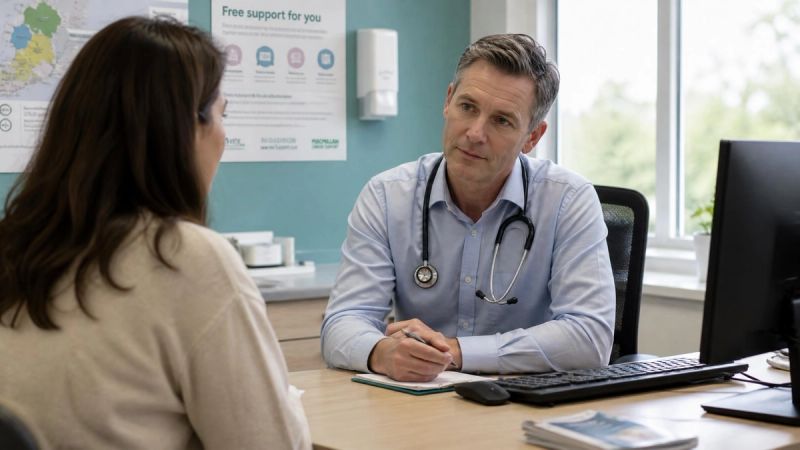
A phobia is usually diagnosed through a clinical interview rather than a test. A GP, psychologist or psychiatrist will ask about your symptoms, when they started, how they affect your life and whether you have any other mental health difficulties.
For a diagnosis of a specific phobia, the fear typically needs to:
- be intense and out of proportion to the actual risk
- cause immediate anxiety when confronted with the trigger
- lead to avoidance or extreme distress
- have lasted for six months or more
- cause significant disruption to work, relationships, health or daily routines
It is important to rule out physical causes for some symptoms. A racing heart, breathlessness or dizziness can sometimes be caused by medical conditions rather than anxiety. A GP can check this and, if needed, refer you to a mental health professional.
In Ireland, you can access assessment and treatment through your GP, HSE psychology services, or private accredited therapists. Waiting times for HSE services vary by area, which is one reason many people choose to see a private therapist.

Common Types of Phobias in Ireland
Phobias come in many forms. Some are tied to specific objects or creatures. Others are linked to situations or social experiences. Below are the most common types covered in this cluster.
Agoraphobia
Agoraphobia is often misunderstood as simply a fear of open spaces. It is better described as a fear of situations where escape might be difficult or help unavailable. This can include crowded shops, public transport, bridges, queues or being outside alone. It is one of the most searched phobia terms in Ireland and can be deeply disabling.
Learn more in our dedicated article on agoraphobia in Ireland.
Social phobia
Social phobia, or social anxiety disorder, involves an intense fear of being judged, embarrassed or humiliated in social situations. It can affect public speaking, eating in front of others, attending meetings or even casual conversations. It overlaps with general anxiety but is specifically tied to social performance.
Our article on social phobia versus social anxiety explains the difference.
Specific phobias
Specific phobias are fears of particular objects or situations. Common examples include:
- Fear of flying (aerophobia)
- Fear of needles (trypanophobia)
- Fear of spiders (arachnophobia)
- Fear of vomiting (emetophobia)
- Dental phobia
- Phobias in children
Each of these can range from mildly inconvenient to seriously life-limiting, depending on how much avoidance they create.
How Phobias Affect Daily Life
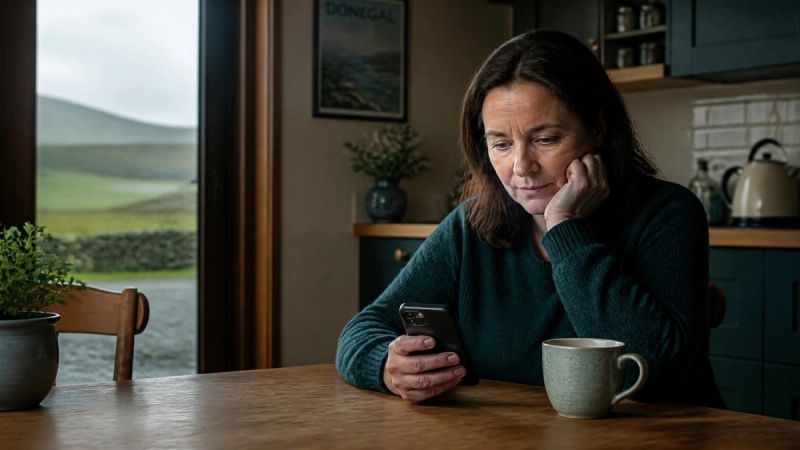
The impact of a phobia depends on what you are afraid of and how central that thing is to everyday life. A fear of snakes may cause little disruption in Ireland, where venomous snakes are not native. A fear of needles, dentists or flying can have a much bigger impact on health, work and relationships.
People with phobias often report:
- avoiding medical appointments, vaccinations or dental check-ups
- turning down travel, promotions or social events
- feeling ashamed or frustrated with themselves
- planning their days around minimising risk
- experiencing anticipatory anxiety hours or days before an encounter with the trigger
- explaining their choices in ways that hide the real reason
Over time, this can shrink a person's world. It can also affect family members, partners and colleagues, who may not understand why something seemingly small causes such a strong reaction. The good news is that this pattern can be reversed with the right treatment.
What to Expect from CBT for Phobias
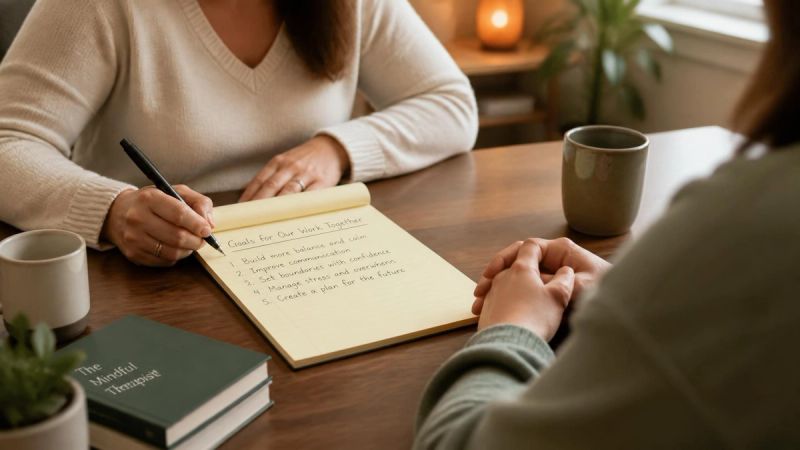
Cognitive behavioural therapy is the leading treatment for phobias because it targets the cycle that keeps them going. The cycle looks like this: you encounter a trigger, your body panics, you escape, and your brain concludes that escape was necessary. CBT interrupts this pattern by helping you approach the trigger safely and stay long enough for your anxiety to come down naturally.
A typical course of CBT for a phobia includes several stages.
First, your therapist will take a thorough history. They will want to understand when the phobia started, how it affects your life, what you have tried before and whether there are other difficulties such as generalised anxiety, panic attacks or depression. This assessment shapes the treatment plan.
Next, you will learn how phobias work. This is not just education for its own sake. Understanding that your reaction is a learned alarm response, rather than a sign that you are broken or weak, can reduce shame and increase motivation.
Then comes the practical work. You and your therapist will build a fear hierarchy, breaking the phobia down into manageable steps. For a fear of needles, the hierarchy might start with looking at a photo of a needle, then holding a capped needle, then watching a video of an injection, then sitting in a clinic waiting room, and finally having an injection with support. Each step is practised until it feels less threatening.
Between sessions, you will usually be given small practice tasks. These are carefully chosen to help you build confidence. They are not random challenges. They are the next logical step in your hierarchy.
Finally, you will work on maintaining progress. Relapse prevention involves recognising early warning signs, having a plan for setbacks and continuing to approach rather than avoid the feared situation after therapy ends.
Evidence-Based Treatments for Phobias
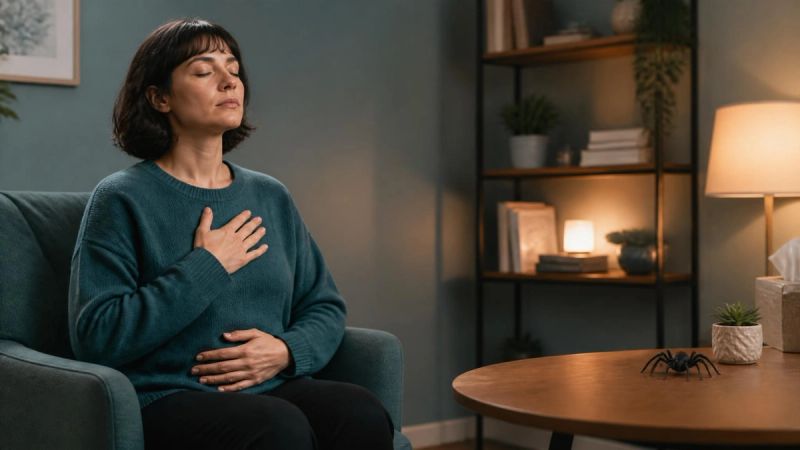
The most effective treatment for phobias is cognitive behavioural therapy, particularly a structured form known as exposure therapy. CBT works on the understanding that thoughts, feelings and behaviours influence one another. Exposure therapy helps the nervous system learn that the feared situation is survivable.
The process is gradual. A therapist works with you to build a fear hierarchy, ranking situations from least to most anxiety-provoking. You then work through the hierarchy at your own pace, starting with the easier items and moving up as your confidence grows. This is not about forcing yourself through terror. It is about helping your brain update its threat assessment.
Research consistently supports CBT and exposure for specific phobias. The National Institute for Health and Care Excellence recommends CBT for anxiety disorders, and many people notice significant improvement within a relatively short course of sessions.
Dr. Paul Salkovskis, professor of clinical psychology at the University of Oxford, has described the approach clearly:
"Exposure is not about proving you're brave. It is about giving yourself the chance to discover that the thing you fear is not as dangerous as your mind has told you it is."
For a detailed explanation of how CBT and exposure therapy work in practice, see our article on CBT for phobias in Ireland.

Finding Help in Ireland
If you think you might have a phobia, the first step is to speak to someone who can assess it properly. This might be your GP, who can rule out physical causes and refer you to mental health services, or an accredited private therapist.
Your GP is a good starting point. They can check whether any physical health issues are contributing to your symptoms and discuss referral options. In some parts of Ireland, you can access HSE psychology services or primary care psychology through your GP. Waiting times vary, and in some areas they can be long. If your phobia is significantly affecting your life, you do not have to wait for a public referral before seeking private support.
When choosing a private therapist, look for accreditation with one of the recognised Irish bodies:
- the Irish Association for Counselling and Psychotherapy (IACP)
- the Psychological Society of Ireland (PSI)
- the Irish Council for Psychotherapy (ICP)
Accreditation means the therapist has met recognised training and ethical standards. Their directories allow you to filter by location, specialism and whether they offer online sessions.
It is also worth asking potential therapists whether they use structured, evidence-based CBT and whether they have experience with exposure therapy for phobias. Not every counsellor works in this way, so it is reasonable to ask before booking.
Online therapy is also an option and can be particularly helpful if your phobia makes it hard to leave the house or travel to appointments. Many people find that attending from a familiar environment makes it easier to start therapy and to practise exposure tasks.
At Feel Better Therapy, you can get matched with a therapist who has experience with phobias and anxiety. Sessions are delivered online by accredited Irish therapists, using structured CBT approaches.
Frequently Asked Questions
Are phobias common in Ireland?
Yes. Specific phobias affect around one in ten people at some point. Because many people do not seek help, the true figure may be higher.
Can phobias be cured?
Many people find that their phobia reduces dramatically or disappears after treatment. The goal is to reduce fear and avoidance to the point where the phobia no longer controls your decisions.
How long does treatment take?
This depends on the phobia and its severity. Specific phobias often respond well to short-term CBT, sometimes in 6 to 12 sessions. More complex phobias may take longer.
Is medication necessary?
Medication is not usually the first-line treatment for specific phobias. It can help with anxiety symptoms, particularly if the phobia is part of a broader anxiety or panic disorder, but CBT is generally preferred.
Can children grow out of phobias?
Some childhood fears fade naturally. Others persist and may benefit from early support. Our article on phobias in children explains how parents can help.
Is online therapy as effective as in-person therapy for phobias?
Research suggests that online CBT can be effective for anxiety disorders, including phobias, when it is delivered by a qualified therapist and includes structured exposure work. For many people, the convenience of attending from home makes it easier to begin and stick with treatment.
What should I do if a friend or family member has a phobia?
The most helpful thing is to take their fear seriously without reinforcing avoidance. Encourage them gently to seek professional support. Do not force them into the feared situation, as this can increase distress. Patience and understanding go a long way.
When is the right time to seek help?
If your fear is causing significant avoidance, distress or disruption to your daily life, it is worth seeking help. The sooner a phobia is addressed, the easier it is to treat. You do not need to reach crisis point before talking to a therapist.
You Don't Have to Live Around the Fear
A phobia can make the world feel smaller than it is. It can limit where you go, what you do and who you spend time with. But it does not have to be permanent. With the right support, most people can reduce their fear, stop the avoidance and reclaim the parts of life that the phobia has been running for too long.
If you are ready to take the next step, you can explore CBT therapy with Feel Better Therapy and get matched with a therapist who understands phobias. Help is available, and you do not have to figure it out alone.
Related Articles
- What Is a Phobia? Signs, Symptoms and Types in Ireland
- Agoraphobia in Ireland: When Fear Keeps You Inside
- CBT for Phobias: How Exposure Therapy Works in Ireland
- Phobias in Children: How Parents Can Help
This article is for informational purposes only and does not constitute medical advice. If you are in crisis, please contact Samaritans Ireland at 116 123 or your GP.