Phobias in Children: How Parents Can Help

Childhood phobias are common but can be distressing. Learn how to recognise a phobia, how parents can help, and when to seek professional support in Ireland.
Laura's seven-year-old son, Cillian, used to love trips to the local park in Cork. Then a neighbour's dog bounded over and knocked him down. The dog was friendly, but Cillian was terrified. Now he refuses to walk past that house. He clings to Laura's arm whenever he sees a dog on a lead. He has started asking whether there will be dogs at birthday parties before he agrees to go.
Laura is not sure how to respond. Part of her wants to protect him by avoiding dogs altogether. Another part worries that keeping him away will make the fear worse. She also feels guilty, wondering if she should have reacted differently when it happened.
If you are a parent watching your child develop an intense fear, you are not alone. Childhood phobias are common, and there are practical, evidence-based ways to help. The goal is not to force your child to be brave, but to gently teach their nervous system that the feared thing is manageable.
What Childhood Phobias Actually Look Like
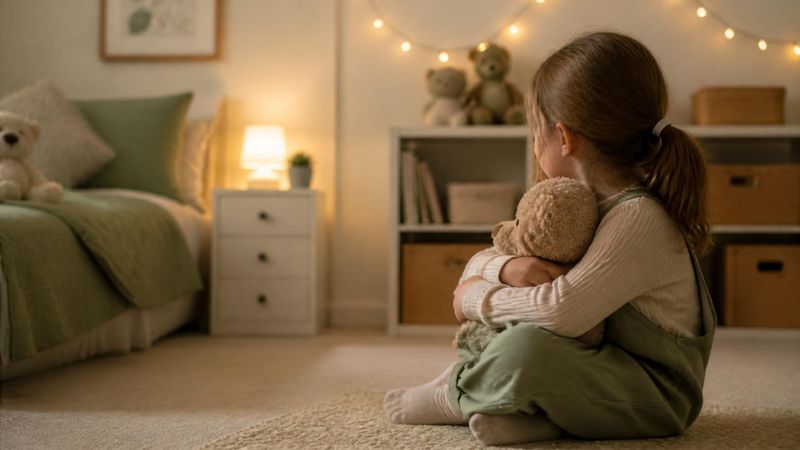
A phobia is more than a passing fear. Most children go through stages of being afraid of the dark, monsters, or loud noises. These fears usually come and go. A phobia, by contrast, is intense, persistent, and out of proportion to the actual danger. It also gets in the way of normal life.
Signs that a fear may have become a phobia include:
- The fear lasts longer than six months
- The child reacts with extreme distress, panic, or screaming
- The fear limits activities, such as going to school, parties, or outdoors
- The child cannot be reassured by logic or explanation
- Avoidance becomes a pattern that affects the whole family
- Physical symptoms appear, such as stomach aches, headaches, or trouble sleeping
Phobias can develop after a frightening experience, like Cillian's encounter with the dog. They can also appear seemingly out of nowhere, especially if a child is already prone to anxiety.

Common Phobias in Irish Children
Some fears are almost universal in childhood. Others are shaped by a child's environment and experiences.
Animals. Dogs, spiders, bees, and birds are common triggers. In Ireland, where many families have dogs and children often play outdoors, animal phobias can be particularly disruptive.
The dark. Fear of the dark is normal in younger children, but it can become a phobia if it leads to chronic sleep problems or refusal to be alone.
Medical settings. Fear of needles, doctors, and dentists often begins in childhood. A single difficult experience can create long-lasting avoidance.
Heights, water, or lifts. These situational phobias can limit activities and family outings.
Loud noises. Thunderstorms, fireworks, or hand dryers can trigger intense fear in some children.
Social or performance situations. Older children may develop intense fear of speaking in class, performing, or being judged by peers.

Normal Fear vs Phobia
It can be hard to know where normal childhood fear ends and phobia begins. Age matters. A two-year-old afraid of strangers is probably going through a normal developmental phase. A ten-year-old unable to enter a room because of a spider may need support.
Normal fear tends to:
- Come and go
- Respond to reassurance
- Not significantly disrupt daily life
- Reduce as the child grows and has positive experiences
A phobia tends to:
- Persist over time
- Get worse rather than better
- Cause extreme distress
- Lead to avoidance that limits the child's world
- Affect sleep, appetite, mood, or school attendance
Trust your instincts. If your child's fear is causing significant distress or interfering with normal activities, it is worth addressing.
What Parents Can Do to Help
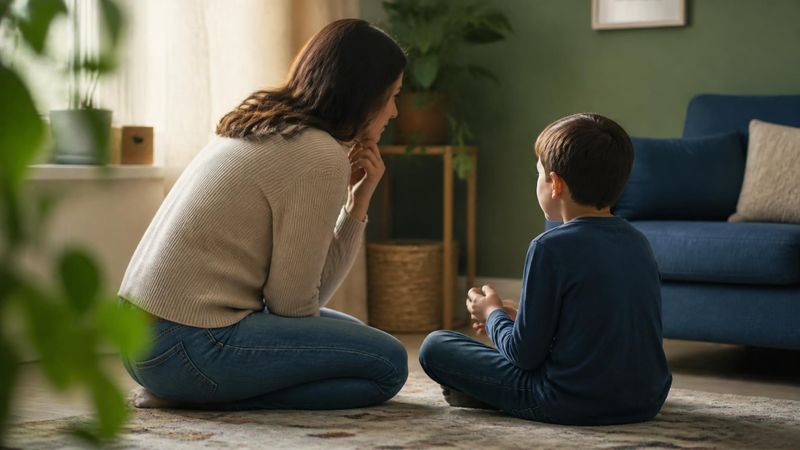
Parents play the most important role in helping a child overcome a phobia. The approach matters more than the words.
Stay calm yourself. Children take cues from their parents. If you become anxious or frustrated, your child's anxiety will rise too. A calm, matter-of-fact response sends the message that the situation is manageable.
Validate the feeling. Do not dismiss the fear with phrases like "Don't be silly" or "There's nothing to be afraid of." Instead, try "I can see you're really scared. That feeling is hard." Validation helps the child feel understood before they can think clearly.
Avoid excessive reassurance. Repeatedly saying "It's fine, nothing will happen" can actually reinforce anxiety. It suggests that the situation really does require reassurance. Instead, focus on what the child can do: "You can hold my hand and we will walk past together."
Use gradual exposure. Help your child face the feared thing in tiny steps. If they are afraid of dogs, you might start by looking at pictures of dogs, then watching a dog from across a park, then standing closer while the dog is on a lead. Each small success builds confidence.
Praise effort, not just bravery. Reward your child for trying, not just for succeeding. "I noticed you looked at the picture even though it was hard" is more helpful than "Well done, you're not scared any more."
Model calm behaviour. Let your child see you interacting calmly with the feared thing. If you are afraid of spiders, your child is more likely to be too.
Keep routines steady. Anxiety thrives on unpredictability. Regular sleep, meals, and downtime help regulate a child's nervous system.

What Not to Do
Some common parental responses, while understandable, can accidentally make a phobia worse. Avoiding the feared thing completely teaches the child that the fear is justified. Over-explaining or rationalising often does not work when a child is already panicking. Bribing or shaming can add pressure and make the child feel like a disappointment.
Threats are especially unhelpful. Telling a child they will have to get a needle if they do not behave, for example, links fear with punishment and deepens dental or medical phobias. The same applies to mocking a child's fear in front of others.
Instead, focus on small steps, calm presence, and praise for effort. Progress may be slow, but it is usually steady when the child feels safe and supported.

When to Seek Professional Help
Consider professional support if:
- The fear has lasted more than six months and is getting worse
- It is affecting school, friendships, sleep, or family life
- Your child is becoming withdrawn, irritable, or unusually clingy
- The phobia follows a traumatic event
- Your attempts to help at home are not working
- Your child has other signs of anxiety or low mood
In Ireland, your GP is a good starting point. They can refer your child to HSE child and adolescent mental health services (CAMHS) or to a private psychologist. Waiting times for CAMHS can be long, so some families choose private support while they wait.
Treatment for Childhood Phobias in Ireland
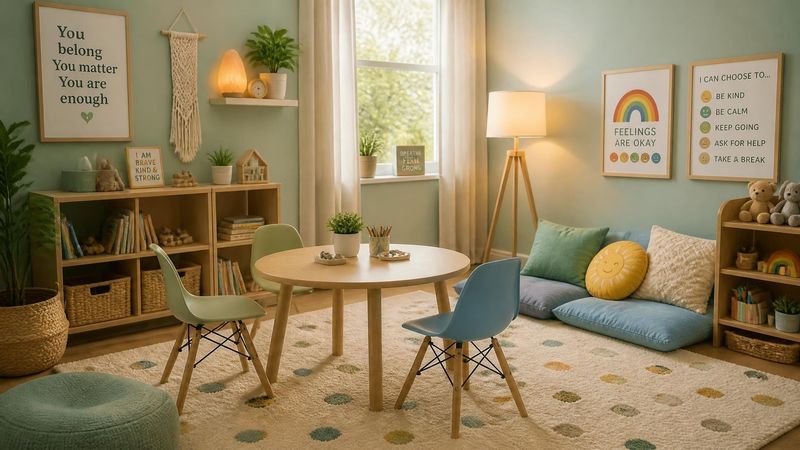
Childhood phobias usually respond well to treatment, especially when caught early.
Cognitive behavioural therapy (CBT) for children. CBT helps children understand the connection between thoughts, feelings, and behaviour. A therapist uses age-appropriate activities, games, and gradual exposure to help the child face the fear.
Exposure therapy. This is the behavioural part of CBT. The therapist creates a "fear ladder" with the child, starting with the easiest step and working up. Parents are usually involved so they can support practice at home.
Play therapy. For younger children, play therapy can help them process fears indirectly. This is especially useful when the phobia is linked to a difficult experience.
Parent guidance. Sometimes the most effective intervention is helping parents respond differently. A few sessions of parent-focused support can change the pattern and reduce the child's anxiety.
Online therapy. For families in rural Ireland or those with busy schedules, online CBT or parent support can be a practical option.

Frequently Asked Questions
Will my child grow out of their phobia?
Some children do grow out of fears naturally. Others need support. If the fear is persistent, intense, or limiting daily life, it is better to address it rather than wait.
Should I force my child to face their fear?
No. Forcing a child into an overwhelming situation can make the phobia worse. Gradual, supported exposure is much more effective.
Can phobias run in families?
Anxiety can run in families, partly through genes and partly through learned behaviour. Anxious parents can unintentionally model fearful responses. The good news is that parents can also model calm, brave behaviour.
What if my child has several fears?
Some children have multiple phobias or generalised anxiety. A psychologist can assess whether the issue is a specific phobia or part of a broader anxiety pattern, and recommend the right treatment.
Related Articles
- What Is a Phobia? Signs, Symptoms and Types in Ireland
- Agoraphobia in Ireland: When Fear Keeps You Inside
- Social Phobia vs Social Anxiety: What's the Difference?
- Emetophobia: Fear of Vomiting and How CBT Helps
- Fear of Flying (Aerophobia): How to Manage It
- Trypanophobia: Fear of Needles and Medical Procedures
- Arachnophobia and Common Animal Phobias
- Dental Phobia: Overcoming Fear of the Dentist in Ireland
Watching your child struggle with intense fear is hard. It is natural to want to protect them by removing whatever scares them. But protection through avoidance often makes the fear grow. The kindest thing you can do is help your child face their fear gently, in small steps, with you beside them.
Childhood phobias are highly treatable. With the right support, most children learn that the world is safer than their anxiety tells them. If you are worried about your child's fear, you do not have to figure it out alone. At Feel Better Therapy, you can get matched with a therapist who works with children and parents. You can also read about anxiety therapy and CBT to understand the approaches available.
This article is for informational purposes only and does not constitute medical advice. If you are in crisis, please contact Samaritans Ireland at 116 123 or Pieta House at 1800 247 247.