Arachnophobia and Common Animal Phobias

Arachnophobia is one of the most common animal phobias in Ireland. Learn why animal phobias develop, how they affect life, and how CBT can help.
Orla has not opened the garden shed in two summers. It is not that she needs anything from it. It is that she knows spiders live there. When she spots one in the bathroom, she freezes, heart racing, until someone else can remove it. She checks the corners of hotel rooms before she unpacks. She avoids woodland walks after rain because "they come out then." She is embarrassed by how much it controls her, but she cannot seem to stop.
Orla's fear of spiders is called arachnophobia. It is one of the most common specific phobias, not just in Ireland but worldwide. Many people with arachnophobia know that Irish spiders are harmless, yet the fear feels automatic and overwhelming.
If you find yourself avoiding rooms, gardens, or outdoor spaces because of spiders, dogs, birds, mice, or another animal, you are not being silly. You are experiencing a learned fear response that can be understood and treated.

What Arachnophobia Actually Is
Arachnophobia is an intense and persistent fear of spiders and other arachnids, such as scorpions. In Ireland, where there are no dangerous native spiders, the fear is not about realistic danger. It is about the body's alarm system being triggered by the sight, thought, or even image of a spider.
People with arachnophobia may:
- Avoid entering sheds, attics, bathrooms, or outdoor spaces
- Feel unable to look at pictures or videos of spiders
- Panic at the sight of a spider, even a tiny one
- Ask other people to check rooms or remove spiders
- Have nightmares or intrusive thoughts about spiders
The fear can be so strong that it leads to avoidance of entire activities. Gardening, camping, holidays abroad, or even handling cardboard boxes can become stressful.
"Animal phobias, including arachnophobia, are thought to have an evolutionary basis. Humans may be biologically predisposed to fear creatures that once posed a genuine threat. The problem is that the fear system becomes oversensitive." — Dr. Graham Davey, psychologist and phobia researcher

Other Common Animal Phobias
Arachnophobia is the best-known animal phobia, but it is far from the only one. Other common animal phobias include:
Ophidiophobia — fear of snakes. This is very common, even in Ireland where venomous snakes do not exist in the wild.
Cynophobia — fear of dogs. This can develop after a dog bite or frightening encounter, or even from being jumped on by an overfriendly dog as a child.
Ornithophobia — fear of birds. This may involve fear of flapping wings, pecking, or birds in enclosed spaces such as cafés or shops.
Musophobia — fear of mice or rats. Often linked to a startle response, sudden movements, or concerns about disease.
Apiphobia or melissophobia — fear of bees or wasps. This can be particularly disruptive in summer and may stop people from eating outdoors.
Ichthyophobia — fear of fish. This can make seaside holidays, aquariums, or even certain meals uncomfortable.
These phobias can exist alone or alongside each other. They often share similar treatment approaches.

Why Animal Phobias Develop
Animal phobias rarely come from a single clear cause. They usually develop from a mix of factors.
Evolutionary preparedness. Humans may be naturally more likely to fear animals that moved unpredictably, had many legs, or could bite or sting. This made sense for survival thousands of years ago, but it can misfire in modern life.
Direct experience. A spider crawling on you as a child, a dog barking aggressively, or a wasp sting can create a lasting fear memory.
Observational learning. Seeing a parent, sibling, or friend react with terror can teach a child that the animal is dangerous. This is one of the most common ways phobias spread within families.
Information and media. Stories, films, and even nature documentaries that portray spiders or snakes as threatening can reinforce fear.
General anxiety. People who are already prone to anxiety may be more likely to develop specific phobias, including animal phobias.
In Ireland, harmless house spiders often trigger disproportionate fear because of their unpredictable movements and appearance. The fact that they are harmless does not stop the fear response.
How Animal Phobias Affect Daily Life
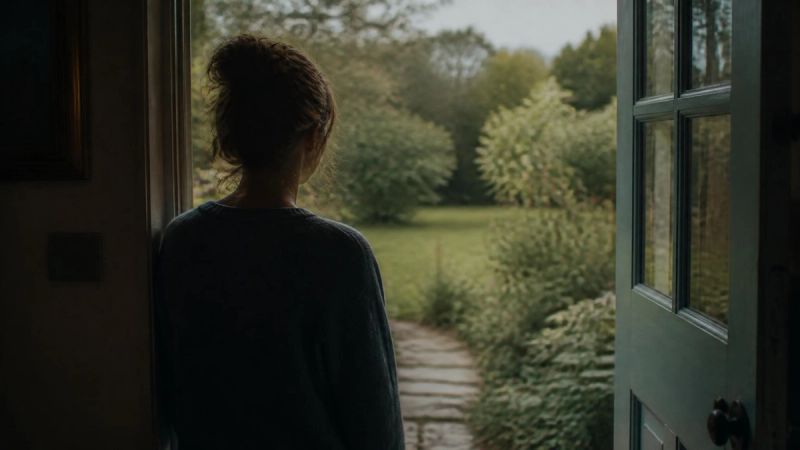
Animal phobias can seem minor to people who do not have them, but they can be genuinely disruptive. Someone with cynophobia may cross the road to avoid a dog on a lead. Someone with ornithophobia may avoid parks, beaches, or outdoor cafés. Someone with apiphobia may refuse to go on picnics or garden barbecues.
The effects can include:
- Avoidance of outdoor activities and social events
- Difficulty visiting friends or family who have pets
- Limiting where you live, work, or holiday
- Feeling ashamed or judged by others
- Hypervigilance — constantly scanning for the feared animal
- Panic attacks when encountering the animal unexpectedly
For parents, animal phobias can create extra pressure. A parent with arachnophobia may struggle to respond calmly when their child finds a spider, passing the fear on to the next generation.

Treatment for Arachnophobia and Animal Phobias
Animal phobias respond very well to treatment, often more quickly than more complex anxiety disorders. The gold-standard approach is CBT with exposure therapy.
Graded exposure. A therapist helps you create a ladder of feared situations, starting with something manageable — perhaps looking at a cartoon spider from a distance — and gradually moving up to being in the same room as a real spider. The pace is set by you.
Behavioural experiments. You test predictions such as "If I see a spider, I will panic and faint" or "The spider will jump at me." Most of the time, the feared outcome does not happen. When it does not, the fear loses power.
Cognitive restructuring. This involves examining the thoughts that keep the fear alive. For example, "All spiders are dangerous" can be replaced with "Irish house spiders are harmless and want to avoid me."
Modelling. Watching a therapist calmly handle the feared animal can reduce fear. This is especially helpful for children.
Virtual reality exposure. For some animal phobias, VR can provide a controlled way to face the fear before encountering the real thing.
In Ireland, you can access CBT through your GP, HSE mental health services, or private therapists. Private treatment is often faster, and many therapists offer online sessions.

What You Can Do to Start Overcoming the Fear
You do not have to commit to full therapy to begin making progress.
Learn about the animal. Understanding that Irish spiders are harmless, that dogs usually bark because they are excited, or that wasps are not actively hunting humans can soften the fear.
Reduce avoidance in small steps. If you currently run from the room when you see a spider, try staying in the room for ten seconds before leaving. Small repeated exposures make a difference.
Watch your self-talk. Instead of "I can't cope," try "This is uncomfortable, but it will pass." The way you talk to yourself during fear affects how intense it feels.
Bring someone supportive. Having a calm person with you during exposure can help you stay grounded.
Consider professional support. If the phobia is limiting your life, a short course of CBT can produce significant improvement.

Frequently Asked Questions
Are Irish spiders dangerous?
No. Ireland has no native venomous spiders that pose a risk to humans. The occasional false widow spider can give a bite similar to a wasp sting, but serious reactions are rare.
Can animal phobias be inherited?
Fear itself is not inherited, but a tendency toward anxiety can run in families. Children also learn fear by watching anxious parents or siblings. Both factors play a role.
How long does treatment for arachnophobia take?
Many people see significant improvement in a small number of sessions, sometimes as few as four to six. The key is consistent, gradual exposure rather than one traumatic encounter.
Should I force myself to hold a spider to get over the fear?
No. Forcing yourself into an overwhelming situation can make the phobia worse. Gradual exposure, ideally guided by a therapist, is the safer and more effective approach.
Related Articles
- What Is a Phobia? Signs, Symptoms and Types in Ireland
- Agoraphobia in Ireland: When Fear Keeps You Inside
- Social Phobia vs Social Anxiety: What's the Difference?
- Emetophobia: Fear of Vomiting and How CBT Helps
- Fear of Flying (Aerophobia): How to Manage It
- Trypanophobia: Fear of Needles and Medical Procedures
Animal phobias can make ordinary places feel unsafe. A garden, a park, a friend's house with a dog, or even a quiet room can become a source of dread. The fear may look irrational from the outside, but it feels real and automatic from the inside.
The encouraging truth is that animal phobias are highly treatable. With gradual exposure and CBT, the same brain that learned to fear can learn to tolerate, and even relax, around the animal. You do not have to become a spider lover. You just need to stop arranging your life around avoiding one.
If an animal phobia is limiting where you go or what you do, you do not have to face it alone. At Feel Better Therapy, you can get matched with a therapist who understands specific phobias and can guide you through exposure work at your own pace. You can also read about CBT and anxiety therapy to explore the support available.
This article is for informational purposes only and does not constitute medical advice. If you are in crisis, please contact Samaritans Ireland at 116 123 or Pieta House at 1800 247 247.