Social Phobia vs Social Anxiety: What's the Difference?

Social phobia and social anxiety are closely related. Learn the difference, how each shows up in Ireland, and what CBT-based treatment actually helps.
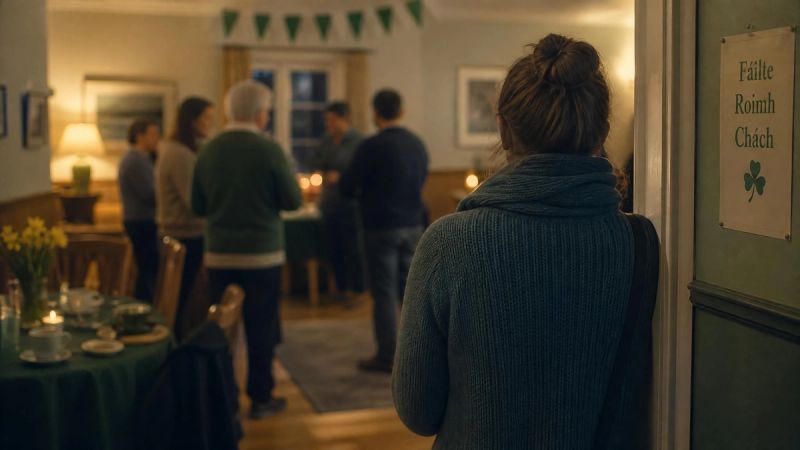
Ava, a 28-year-old teacher from Galway, has been invited to a colleague's birthday dinner on Saturday. On the surface, the plan is simple: meet at a restaurant in town, have a meal, go home. But by Thursday evening, Ava's stomach is in knots. She rehearses what she will order so she does not fumble the menu. She worries that she will run out of things to say during the lull between courses. She pictures herself blushing, stammering, or — worst of all — being visibly anxious while everyone else seems relaxed.
By Friday afternoon, she texts to say she is not feeling well. The relief is immediate. So is the shame.
Ava has heard two terms used to describe what she feels: social phobia and social anxiety. She is not sure which one applies to her, or whether the difference even matters. If you have ever found yourself in a similar loop, this guide is for you.
What Social Phobia Actually Is
Social phobia is the older clinical term for what most mental health professionals now call social anxiety disorder. The two describe the same condition: an intense and persistent fear of being judged, embarrassed, or humiliated in social or performance situations.
The word "phobia" emphasises the fear element. Someone with social phobia may dread specific scenarios — speaking in meetings, eating in public, attending weddings, or being introduced to new people. The fear is out of proportion to the actual risk, but it feels very real to the person experiencing it.
"Social anxiety disorder is one of the most common anxiety disorders, yet it often goes untreated because people mistake it for shyness or simply being quiet." — Professor David M. Clark, clinical psychologist and leading researcher in anxiety disorders
In Ireland, the term "social phobia" still appears in GP referrals, counselling directories, and older mental health resources. Many people use it interchangeably with social anxiety. Others use it to describe a more specific, performance-based fear — for example, terror of public speaking rather than anxiety in every social setting.
How Social Anxiety Differs
Social anxiety is the broader, more modern term. It includes the same fears as social phobia but is usually understood as a wider pattern of worry about social evaluation. Someone with social anxiety might feel nervous before most social interactions, not just high-stakes performances.
The Diagnostic and Statistical Manual of Mental Disorders (DSM-5) uses "social anxiety disorder" as the official diagnosis. It replaced the older category of "social phobia" because "anxiety" better captures the range of experiences involved. The condition can be:
- Performance only: Fear of public speaking, performing music, or being observed while working
- Generalised: Fear of most social situations, from small talk to parties to workplace interactions
In everyday Irish conversation, you might hear someone say they have "social phobia" when they mean they are terrified of one specific situation, and "social anxiety" when the worry spreads across many areas of life. Clinically, both fall under the same umbrella.
What It Feels Like Day to Day
Whether you call it social phobia or social anxiety, the experience is similar. The body responds as if it is under threat, even when the situation is safe.
Common symptoms include:
- Racing heart or palpitations before or during social events
- Sweating, trembling, or a shaky voice
- Blushing that feels obvious and uncontrollable
- Feeling nauseous or needing the toilet urgently
- Mind going blank when it is your turn to speak
- Intense self-consciousness, as if everyone is scrutinising you
- Replaying conversations afterwards and criticising yourself
Many people develop elaborate avoidance strategies. They arrive late to meetings, leave parties early, eat only at quiet hours, or turn down promotions that would require presentations. Over time, avoidance narrows life down to a handful of "safe" people and places.

Why the Confusion Matters
Because social phobia and social anxiety describe the same underlying condition, the labels themselves are not the important part. What matters is recognising when normal nervousness has tipped into something that is limiting your life.
Shyness is a temperament. Many shy people warm up once they feel comfortable. Social anxiety disorder, by contrast, causes significant distress and interferes with work, relationships, education, or daily activities. It does not simply fade with familiarity.
Introversion is also different. An introvert may prefer quiet evenings and feel drained by large groups, but they are not necessarily frightened of social interaction. Social anxiety comes with fear, avoidance, and a sense that you are being negatively evaluated.
If you are unsure where you sit, a useful question is: Am I avoiding things I actually want to do because I am afraid of how I will be perceived? If the answer is yes, it is worth seeking support.

How Social Phobia and Social Anxiety Are Treated
The treatment is the same regardless of which term you use. CBT is the gold-standard approach.
Cognitive behavioural therapy (CBT). CBT helps you notice the predictions you make in social situations — "I'll sound stupid," "Everyone will see me shaking," "They'll think I'm boring" — and test them against reality. Often, the feared outcome does not happen. When it does, people usually cope better than they expected.
Exposure therapy. This involves gradually facing the social situations you avoid, starting with manageable steps. You might begin by saying hello to a neighbour, then progress to a short conversation with a colleague, then attend a small social gathering. The goal is not to eliminate anxiety completely, but to change your relationship with it.
Social skills practice. Some people with social anxiety have missed chances to develop conversational confidence because they have avoided social situations for years. Role-play and skills practice can help rebuild that confidence.
Medication. SSRIs can reduce the intensity of anxiety, particularly when symptoms are severe. A GP or psychiatrist can discuss whether medication is appropriate alongside therapy.
In Ireland, you can access support through your GP, HSE services, or a private accredited therapist. Waiting times for public services vary by region, so many people opt for private CBT or online therapy to start sooner.
What This Looks Like in Ireland
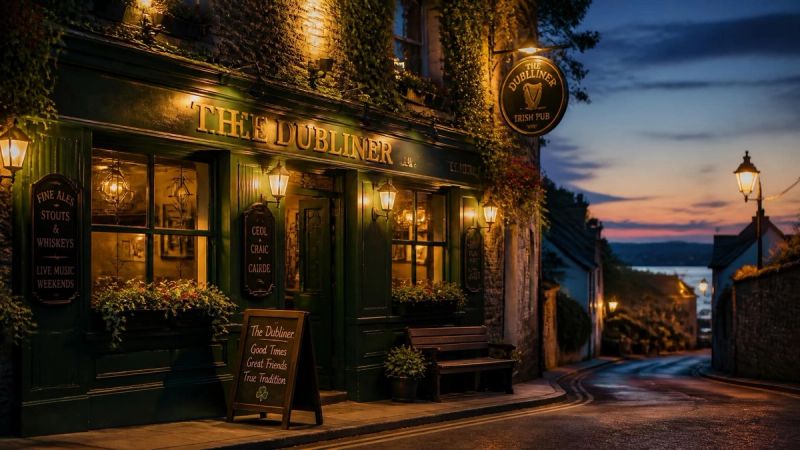
Irish culture places a high value on sociability. Being "good craic," quick with a story, and easy in company are often seen as virtues. For someone with social anxiety or social phobia, that expectation can make ordinary situations feel like performances.
A work meeting in Dublin, a family confirmation in Kerry, a leaving do in Limerick, or even a casual pint after a GAA match can become sources of dread. The fear is not necessarily about the event itself, but about being exposed as awkward, boring, or not fitting in.
Research from the HSE and mental health charities in Ireland consistently shows that anxiety disorders are common, yet many people delay seeking help because they worry about being a burden or being told to "just relax." That hesitation is understandable, but it also means people spend years managing symptoms that could be treated effectively.
The Irish tendency to use humour to deflect discomfort can add another layer. A person with social anxiety may joke their way through events, then spend hours afterwards replaying every word. On the outside, they look fine. On the inside, they are exhausted.

When to Seek Help
It is time to reach out if social fear is:
- Stopping you from doing things you want or need to do
- Affecting your work, education, or relationships
- Causing you to isolate yourself
- Making you feel depressed or worthless
- Leading you to use alcohol or other substances to cope
Seeking help is not an admission of weakness. Social anxiety is highly treatable, and many people notice significant improvement within a relatively short course of therapy.

Frequently Asked Questions
Is social phobia the same as social anxiety?
Essentially yes. Social phobia is the older term; social anxiety disorder is the current clinical diagnosis in the DSM-5. Both refer to a persistent fear of social or performance situations where embarrassment or judgment feels likely.
Can you have social anxiety without being shy?
Yes. Some people with social anxiety appear outgoing but experience intense internal fear, physical symptoms, or post-event rumination. Outward confidence and inward anxiety do not always match.
What's the difference between social anxiety and low confidence?
Low confidence is a general belief that you are not capable or worthy. Social anxiety is a fear of negative evaluation in social situations. They can overlap, but they are not the same. You can read more about telling them apart in our article on social anxiety or low confidence.
Does social anxiety get worse over time?
Without treatment, avoidance can make social anxiety more entrenched. The longer you avoid social situations, the harder they feel to face. Early support can prevent the cycle from tightening.
Related Articles
- What Is a Phobia? Signs, Symptoms and Types in Ireland
- Agoraphobia in Ireland: When Fear Keeps You Inside
The words "social phobia" and "social anxiety" can feel like labels, but they point to something real: a fear of connection that keeps you on the sidelines. The good news is that this fear can be loosened. With the right approach, social situations can move from something you endure to something you can genuinely take part in.
If social fear is limiting your life, you do not have to work through it alone. CBT and exposure therapy are proven treatments, and many accredited therapists in Ireland specialise in social anxiety. At Feel Better Therapy, you can get matched with a therapist who understands these patterns and can help you build confidence at a pace that feels right for you. You can also learn more about anxiety therapy and CBT to see which approach fits your situation.
This article is for informational purposes only and does not constitute medical advice. If you are in crisis, please contact Samaritans Ireland at 116 123 or Pieta House at 1800 247 247.