What Separation Actually Does to You: The Grief, Shock and Loneliness Nobody Warns You About

Separation hits hard, even when you chose it. Learn why it feels like grief, why loneliness is so common, and what actually helps in the first months in Ireland.
The engine is off and you're still in the car. You've been sitting there long enough for the windscreen to fog at the edges. Inside the house you've just moved into, there are boxes you haven't opened and a kettle you haven't plugged in. You chose this. You know you chose this. So why does it feel like someone has died?
That question trips people up more than almost any other in the first months after a separation. You expected relief, or at least a clean kind of sadness that made sense. What arrives instead is a mess of feelings that seem to contradict each other: relief and grief, fury and fondness, a longing for someone you were desperate to get away from.
You can want a separation and still mourn it. Those aren't opposite experiences. They're the same loss seen from two angles.
What Actually Happens Emotionally When a Relationship Ends
There's a version of this story where the stages run in order. Shock, then anger, then sadness, then acceptance, then a new life. Real separations don't follow that script. They go sideways.
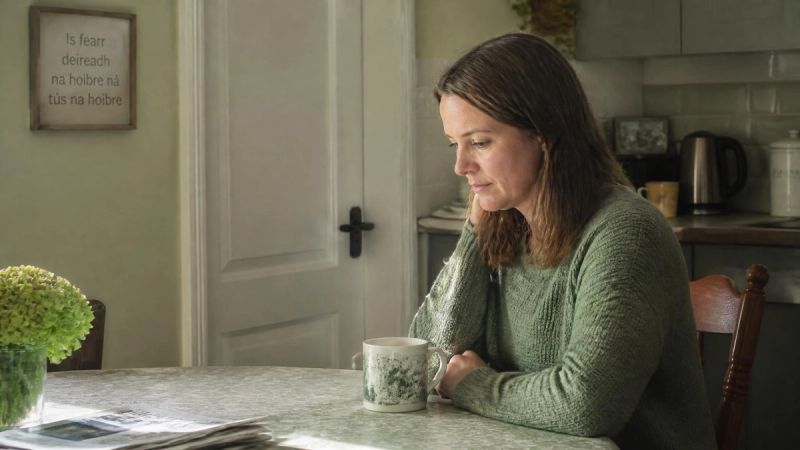
Most people describe waves rather than stages. A week of functioning well, then a supermarket aisle that undoes you because a song came on. A stretch of feeling nothing at all, which is its own kind of frightening, followed by anger that arrives with no warning and leaves just as fast. Going backwards isn't a relapse. It's how grief behaves.
The psychotherapist and couple counsellor Lisa O'Hara, author of When a Relationship Ends, has described the end of a marriage or long-term relationship as similar to bereavement — one of life's biggest losses. The Irish Times has reported her work on this. What she points at is why it hurts so much even when the relationship was over for years: you're not only losing a person. You're losing the future you'd assumed was yours, the routines that structured your week, the shared jokes nobody else will get.
Naming that as grief isn't dramatic. It's accurate, and it's more useful than telling yourself you should be over it.

Grief Without a Funeral
Loss that comes with a funeral comes with instructions. People bring food. You get time off work. There's a ritual that tells everyone, including you, what has happened and how to behave for a while.
A separation gets none of that. There's no announcement, no casserole, no agreed period of grace. Some friends will expect you to be fine within a fortnight. Others will take sides without asking what you want. Work colleagues may not know at all, which means you spend eight hours a day performing a version of yourself who isn't going through anything.
That's often hardest for the person who ended the relationship. Lisa O'Hara has noted that the person who initiates a separation frequently carries grief too, and that they "often feel like there is something wrong with them, or that they don't have a licence to grieve." The internal sentence is usually some variation of "I shouldn't be feeling like this — I'm the one who wanted it." Her point is that the ending is a loss for them as well, whether or not they wanted it.
Grief also lives in the body. Sleep gets broken. Appetite changes. Shoulders stay up near the ears. Headaches, stomach trouble, a permanent low-grade tiredness that no amount of sleep touches. If that's where you are, you're not imagining it, and it usually eases as the first raw months pass.
Relief, Guilt and Anger in the Same Hour
You'd think a separation would feel like one thing. It rarely does.
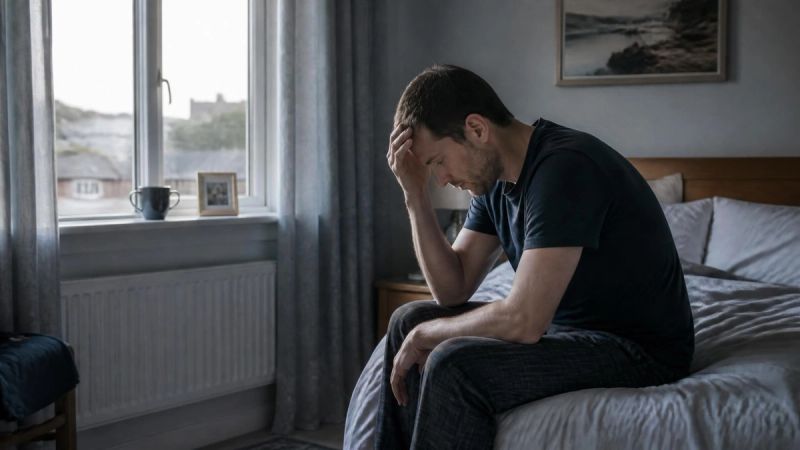
Relief comes first for a lot of people — the arguments have stopped, the atmosphere has lifted, nobody is slamming doors. Then guilt arrives to punish you for the relief. Then anger, sometimes at your ex, sometimes at yourself, sometimes at the situation with no clear target at all. Then sadness for the family you'd imagined, which may never have existed and which you're mourning anyway.
This is exhausting in a way that's hard to explain to anyone who hasn't been through it, because nothing visible is happening. You're just running an emotional marathon in a living room.
One practical rule helps: don't make permanent decisions during the loudest weeks. Selling the house, moving counties, sending the long email that explains exactly what you think of everyone — all of it looks different three weeks later. A decision that feels urgent at 2am is rarely urgent at 10am.
Watch where your anger points, too. Anger is information. It often signals that a boundary was crossed, or that something you valued has been taken. When it settles into a permanent state, or when it starts landing on your children or the friends who stayed, that's worth talking through with someone rather than managing alone.
What Happens If You Didn't Want This
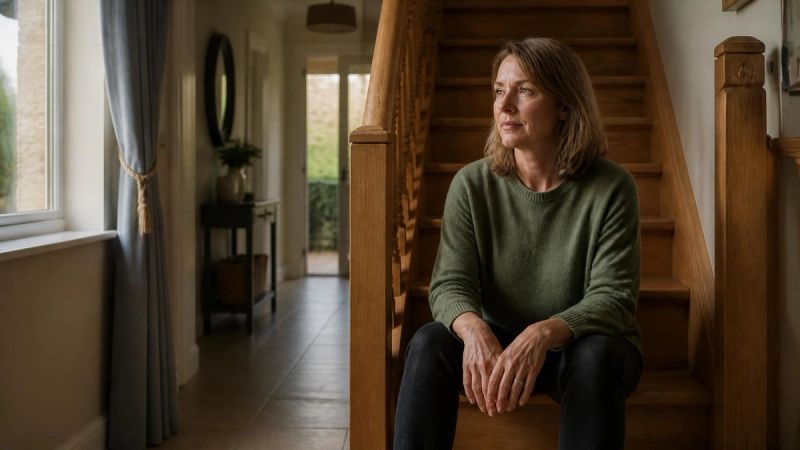
If your partner ended the relationship, the ground goes first and the explanations come much later, if they come at all.
Replaying conversations is normal. Searching for the exact moment things went wrong is normal. Waiting for them to change their mind is so normal that it's almost a stage in itself — and it's the one that keeps people stuck longest, because it makes every other decision provisional. You can't plan a life you're hoping won't be necessary.
You don't have to talk yourself out of hope to function. You do have to stop letting it make all your decisions. Give yourself time to absorb what has happened before you expect yourself to have a plan for the rest of your life.

Loneliness, and the Numbers Behind It
Loneliness is the part of separation people mention last and feel most ashamed of. Losing a partner means losing your daily company, your evenings, the person who knew what your day had been like without being told. It can also mean losing a social life that was built as a couple, and sometimes the friends who came with it.
It's also measurably common. The CSO's Survey on Income and Living Conditions (SILC) 2025 found that 30.5% of divorced people and 34.1% of separated people reported feeling lonely, compared with 9.4% of married people. Read those figures again with your own situation in mind. Roughly one in three separated people in Ireland reported loneliness. It isn't a personal failing, and it isn't evidence that you're bad at being alone. It's what happens when a structure you relied on disappears.
Small moves help more than big ones here. One standing arrangement each week — a coffee, a phone call, a walk with the same person — does more than a heroic effort to rebuild your entire social life. Joining something with a fixed time and other people in it works better than waiting to feel ready. If loneliness is starting to affect your sleep, your work or your mood, there's more on this in loneliness after a breakup in Ireland.

When the Low Mood Doesn't Lift
Sadness after a separation is proportionate. It's grief, and grief takes time.
Something different is happening when the low mood stays for weeks without lifting, when nothing gives pleasure any more, when you're sleeping far more or far less than usual, withdrawing from people you love, or finding it hard to get out of bed at all. Those are worth taking to a GP rather than waiting out.
Be honest with yourself about the darker end of that scale. If you've had thoughts that the people around you would be better off without you, or thoughts of harming yourself, that's not a phase to sit with. Contact Samaritans on 116 123 at any time, or go to your nearest emergency department.

What Actually Helps in the First Few Months
Nothing fixes a separation quickly. A handful of things reliably make the early months more survivable:
- Keep a basic routine. Meals at roughly the same time, a bedtime, getting outside once a day. Your body needs something predictable to hold onto while everything else isn't.
- Tell a few people the truth. Not everyone — a few. Being able to say "I'm not okay today" without explaining the whole history is worth a lot.
- Limit late-night contact with your ex. Messages sent after midnight tend to reopen things rather than resolve them. If you can, leave the phone in another room.
- Lower the bar. Some days you'll get a lot done. Some days getting dressed is the achievement. Both are fine.
- Watch the inner voice. Separations tend to switch on a commentary that's harsher than anything you'd say to a friend — "I should have seen this coming", "I've wasted years", "I'm failing at this". You don't have to believe it just because it's in your own head.
- Get support before you're desperate. A therapist helps with the part friends can't carry: the grief that keeps returning, the decisions you're avoiding, the version of yourself you're trying to rebuild.
The pattern in all of these is small and repeated, not dramatic and singular. One walk doesn't change anything. A walk most days for six weeks changes quite a lot.

Frequently Asked Questions
Is it normal to feel relieved and sad at the same time after a separation?
Yes, and it's common. Relief and grief describe different parts of the same event, so they can coexist for months. Feeling one doesn't cancel the other, and neither one means you're coping badly.
How long does the emotional impact of separation last?
It varies with circumstances, the length of the relationship and what else is happening in your life. Most people find the sharpest feelings ease over several months, with difficult days still arriving around anniversaries and firsts. If your mood isn't improving, or is getting worse, speak to your GP.
Should I see a therapist after a separation?
Not everyone needs to. Many people find it helps when the grief, anger or loneliness is difficult to manage alone, or when the same painful loop keeps returning. A therapist can help you make sense of what you're going through and build practical ways to cope.
Your Feelings Aren't a Setback
Separation can take a home, a future and a sense of who you are, all in the same year. Feeling shocked, angry, relieved or numb after that isn't a sign you're doing it wrong. It's a sign that something significant has changed and your mind is still catching up.
You don't have to work through it alone. If it would help to have someone in your corner, you can talk to a therapist about the emotional side of separation or get matched with a therapist who understands what this looks like in Ireland.
Related Articles
- Separation vs Divorce in Ireland: What's the Difference and What It Means for You
- Loneliness After a Breakup in Ireland
- Self-Esteem After a Breakup in Ireland
This article is for informational purposes only and does not constitute medical advice. If you're worried about your mental health, speak to your GP. If you are in crisis or having thoughts of ending your life, contact Samaritans on 116 123 (free, anytime) or go to your nearest emergency department.