Loneliness After a Breakup: How to Cope

A breakup can leave you feeling lonelier than ever. Learn why loneliness after a breakup happens, how to cope, and when therapy can help in Ireland.
Roisin and Cian had been together for four years. They shared a flat in Dublin, a Spotify account, and a Saturday ritual of walking along Dun Laoghaire pier for coffee. When it ended, Roisin didn't just lose Cian. She lost the person who asked about her day, who knew how she took her tea, who made the flat feel lived-in. Now the weekends stretch out like empty shelves. Her friends are sympathetic, but they have partners and lives of their own. At 29, she feels oddly stranded — not heartbroken in a cinematic way, but quietly lonely in a way that doesn't seem to lift.
If Roisin's flat feels familiar, you're not alone. Breakup loneliness is one of the most common, and least discussed, forms of isolation. It isn't just about missing one person. It's about the sudden absence of daily intimacy, routine, and the future you were quietly building in your head. That loneliness is real, and it deserves attention.

Why Breakups Feel So Lonely
A romantic relationship isn't just company. It's a whole system of connection. You have someone to tell about the small things — the frustrating meeting, the funny advert, the weird dream. You have shared plans, inside jokes, and a sense of being known. When that ends, the silence isn't just emotional. It's practical.
Your social calendar changes. Mutual friends may feel off-limits, or they may simply drift toward the other person. Your living space can feel too big or too quiet. Even your identity shifts. You go from being part of a "we" to being an "I" again, and that transition can feel disorienting.
In Ireland, this can be compounded by cultural expectations. There's a pressure to be grand, to have the craic, to not make a fuss. You might find yourself saying "I'm fine" when you're not, or avoiding nights out because you no longer have a plus-one and don't want to explain why. Research from Mental Health Ireland suggests one in four people in Ireland will experience a mental health difficulty in any given year, and major life events like breakups can be a significant trigger. The loneliness becomes layered — you're grieving the relationship, and you're also grieving the version of yourself who moved through the world more easily.

The Difference Between Grief and Loneliness
Grief and loneliness overlap, but they aren't the same. Grief is the emotional response to loss. It can include sadness, anger, confusion, and even relief. Loneliness is the feeling of being disconnected from meaningful contact. You can grieve someone and still feel surrounded by support. You can also feel lonely without grieving a specific loss.
After a breakup, the two often arrive together. You might cry because you miss your ex, and then feel lonely because nobody is there to see you cry. You might feel angry at how it ended, and then lonely because you don't have that person to process the anger with anymore. Both experiences are valid. Neither means you're weak or dramatic.
Recognising the difference matters because the coping strategies can differ. Grief often needs time, ritual, and permission to feel. Loneliness needs connection — even small, imperfect connection — and a gradual rebuilding of your social world.
"Breakups don't just end a relationship; they disrupt our attachment system. The loneliness that follows is a normal human response to losing a primary source of emotional regulation." — Dr. Kieran O'Brien, counselling psychologist and lecturer at University College Cork

What Actually Helps You Cope
There is no shortcut through a breakup, but there are ways to make the loneliness less overwhelming. The goal isn't to replace your ex immediately. It's to rebuild a sense of belonging, one small step at a time.
Let yourself be lonely without judging it. Loneliness after a breakup is not a failure. It's a sign that you cared, that you were attached, that you're human. Instead of fighting the feeling, try naming it: "I'm lonely right now." That simple acknowledgement can reduce some of its power.
Reclaim your routines. Couples build shared rhythms. Without them, days can feel shapeless. Reintroduce small structures: a morning walk before work, a weekly phone call with a friend, Sunday lunch at the same café. These routines create anchors that remind you life continues.
Choose contact over withdrawal. Loneliness tempts us to hide. The antidote is usually gentle, low-stakes contact. Text one friend. Go to the cinema with someone. Join a club or class where you're around people without the pressure to perform. You don't need to be the life of the party. You just need to be around other humans.
Limit the digital stalking. Checking your ex's social media might feel like connection, but it usually deepens loneliness. It keeps your emotional energy pointed at someone who isn't there. Muting or unfollowing isn't petty — it's protective.
Be careful with rebounds. A new relationship can temporarily soothe loneliness, but if it's used mainly to avoid pain, it often creates more. There's no rule about when to date again, but it's worth checking in with yourself: am I seeking connection, or am I seeking escape?
Practice self-compassion. The way you talk to yourself after a breakup matters. If your inner voice is saying you should be over it by now, or that nobody will want you again, notice that voice and gently challenge it. You would not speak to a friend that way. Treat yourself with the same patience you'd offer someone you care about.
When Loneliness Becomes Something More
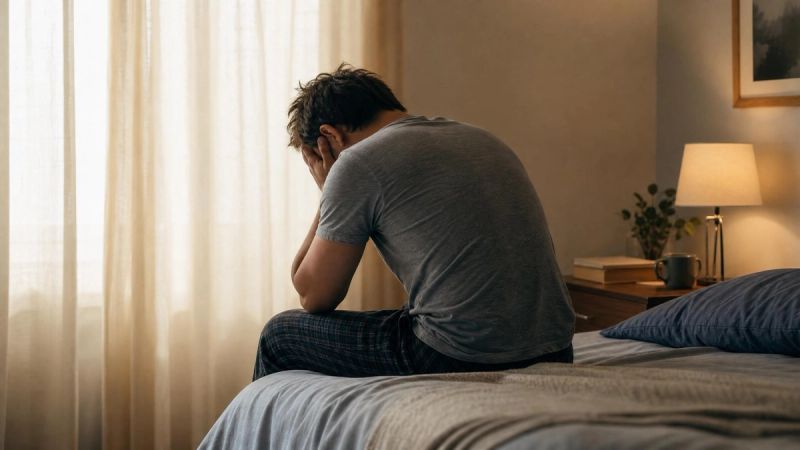
Most breakup loneliness eases with time and small acts of reconnection. But sometimes it settles into something heavier. If your low mood lasts for more than a couple of weeks, if you're struggling to sleep or eat, if you've lost interest in things you used to enjoy, or if you're using alcohol or other substances to cope, it may be worth speaking to a professional.
The same is true if you feel hopeless, if you're thinking about self-harm, or if the loneliness feels like it's swallowing everything else. These are not signs that you're broken. They're signs that you need more support than you're currently getting, and that support is available.
In Ireland, you can speak to your GP, contact the Samaritans at 116 123, or reach out to Pieta House at 1800 247 247. Therapy can also help you process the breakup, understand patterns in your relationships, and rebuild your confidence in connection.

Frequently Asked Questions
Is it normal to feel lonely months after a breakup?
Yes. Loneliness doesn't follow a tidy schedule. It can resurface around anniversaries, holidays, or even random Tuesdays when something reminds you of your ex. If the loneliness is gradually becoming more manageable, that's progress. If it's staying intense or getting worse, talking to a therapist can help.
Why do I feel lonelier after a breakup than my ex seems to?
You can't know how your ex feels. People process breakups differently, and public behaviour rarely reflects private experience. Some people distract themselves, some grieve openly, some shut down. Comparing your healing to someone else's is usually unhelpful. Focus on what you need.
How do I deal with mutual friends after a breakup?
This is one of the trickiest parts. It's okay to take a temporary step back from mutual friends if being around them feels painful. It's also okay to ask friends not to update you about your ex. Most reasonable people will respect that boundary. Over time, you can decide which friendships you want to keep and how to reshape them.
Can therapy help with loneliness after a breakup?
Yes. A therapist can help you process the loss, understand any patterns that contributed to the relationship ending, and rebuild your sense of self outside of the partnership. Online therapy in Ireland makes this easier if you're not ready to sit in a waiting room or travel for appointments.

How to Take the Next Step
Roisin's Saturday walks along Dun Laoghaire pier didn't stop feeling empty overnight. But slowly, she started going with a friend instead. She reclaimed the café as her own reading spot. She learned that loneliness after a breakup isn't a permanent state — it's a transition. And transitions, even painful ones, do end.
You don't have to rush your healing, and you don't have to do it entirely on your own. If the loneliness feels stuck, or if you're struggling to imagine feeling connected again, talking to a therapist can help. You can get matched with a therapist who understands relationship loss and works online across Ireland.

Related Articles
- What Is Loneliness? Signs, Symptoms and Causes in Ireland
- Loneliness and Depression: How They Feed Each Other
- Loneliness in Ireland: A Complete Guide to Connection, Social Isolation and Therapy
This article is for informational purposes only and does not constitute medical advice, diagnosis, or treatment. If you are in crisis, please contact the Samaritans at 116 123 or Pieta House at 1800 247 247. If you are in immediate danger, call 999 or 112.