Loneliness in Older Adults Ireland: Causes, Support and What Helps

Loneliness affects many older adults in Ireland. Learn why it happens, how it impacts health, and what support is available for older people and their families.
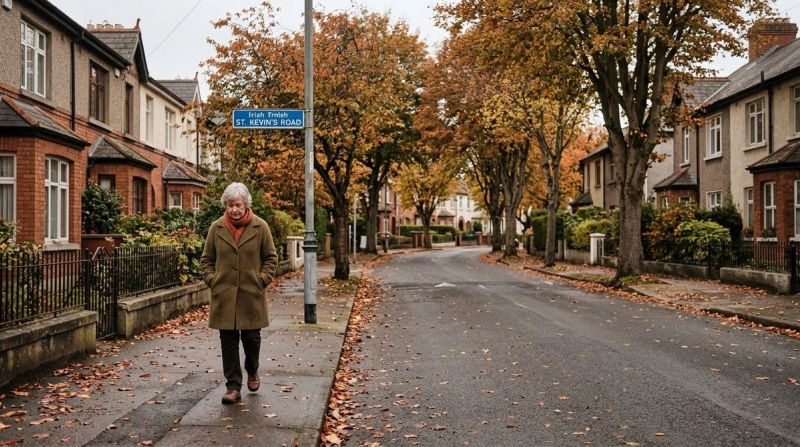
Margaret is 74. She lives alone in a small house in Dublin that she and her husband bought in 1982. Since he passed away three years ago, the rooms have felt bigger. Her children live in Cork and London. They call regularly and visit when they can. But the days are long. The neighbours are friendly enough, but everyone is busy. Margaret reads, watches the news, and waits for the postman. Some evenings, she realises she hasn't spoken to anyone since the woman in the supermarket asked if she wanted a bag.
Margaret's situation is not unusual. Loneliness in older adults is one of the most significant and under-discussed mental health issues in Ireland. It can affect people who live alone and people who live with others. It can visit after a bereavement, after retirement, after a move, or simply after years of gradual change. If you are worried about an older parent, relative, or neighbour — or if you are an older person reading this yourself — it's worth knowing that loneliness is not an inevitable part of ageing, and that real help is available.
Why Loneliness Is Common Among Older Adults in Ireland
There are many reasons loneliness becomes more common as people get older. Some are practical. Retirement can remove the daily structure and social contact that work provided. Children grow up and move away, sometimes abroad. Friends and partners die. Mobility issues or chronic illness can make it harder to get out and about. Hearing loss, vision problems, or difficulty using technology can make social interaction feel exhausting or embarrassing.
Other reasons are cultural. In Ireland, older generations often grew up with a strong sense of self-reliance. Admitting to loneliness can feel like admitting to failure. Many older people do not want to be a burden. They may say they are fine even when they are not. This stoicism can make loneliness harder to spot and harder to talk about.
The numbers are striking. In Ireland, almost one in three older people live on their own (29%), and 7-9% of older people suffer from chronic loneliness. These figures come from ALONE, the national organisation that supports older people to age at home. They reflect a reality that many families recognise: someone can be surrounded by memories but short on meaningful human contact.
"Loneliness is one of the most pressing and under-recognised public health challenges facing Ireland today. From our work at ALONE, we see every day how loneliness affects not just emotional wellbeing, but physical health, independence and quality of life." — Seán Moynihan, CEO of ALONE
How Loneliness Affects Older People's Health
Loneliness is not just a sad feeling. It has measurable effects on physical and mental health. Research links chronic loneliness to higher risks of heart disease, stroke, depression, anxiety, cognitive decline, and even early death. ALONE frames it starkly: loneliness can be as damaging to your health as smoking fifteen cigarettes a day.
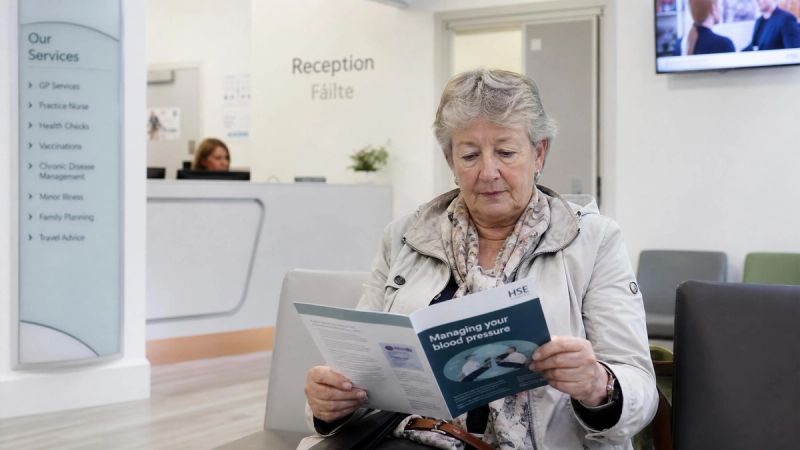
For older adults, the risks can compound. Loneliness may lead to poorer sleep, less motivation to cook or exercise, and reduced engagement with healthcare. An older person who feels lonely may be less likely to attend a GP appointment, take medication correctly, or seek help when something is wrong. The loneliness itself becomes a barrier to self-care.
Mental health is equally affected. Loneliness and depression often travel together. One can feed the other. An older person who is lonely may lose interest in activities they once enjoyed, feel hopeless about the future, or believe that nobody would notice if they were gone. These thoughts deserve to be taken seriously.
What Actually Helps an Older Person Feel Less Lonely
The most important thing to understand is that loneliness is a signal, not a permanent state. It tells us that a person's need for connection is not being met. Meeting that need does not always require grand gestures. Often, small, consistent forms of contact matter more than occasional big events.
Regular contact. A predictable phone call, a weekly visit, or a shared routine can give an older person something to look forward to. It also creates a natural opportunity to notice if something has changed. If distance makes visiting hard, video calls, voice messages, or even a handwritten letter can help bridge the gap.
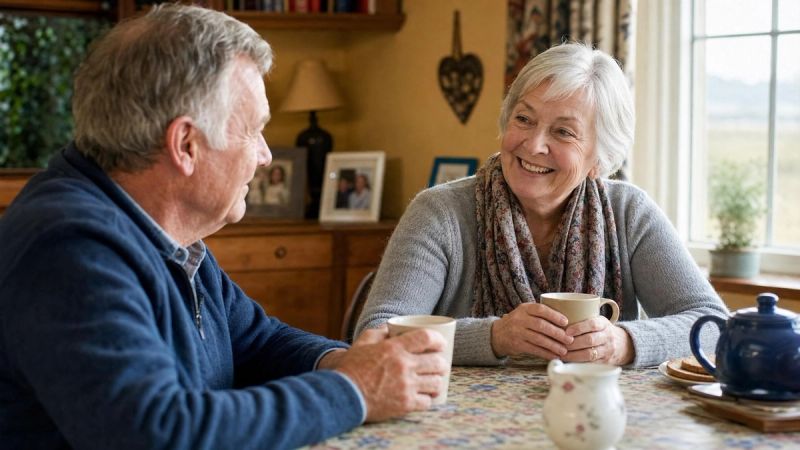
Meaningful conversation. Many older people are tired of being asked only about their health or the weather. Asking about their memories, opinions, or experiences can restore a sense of being truly seen. Let them tell stories. Let them feel useful.
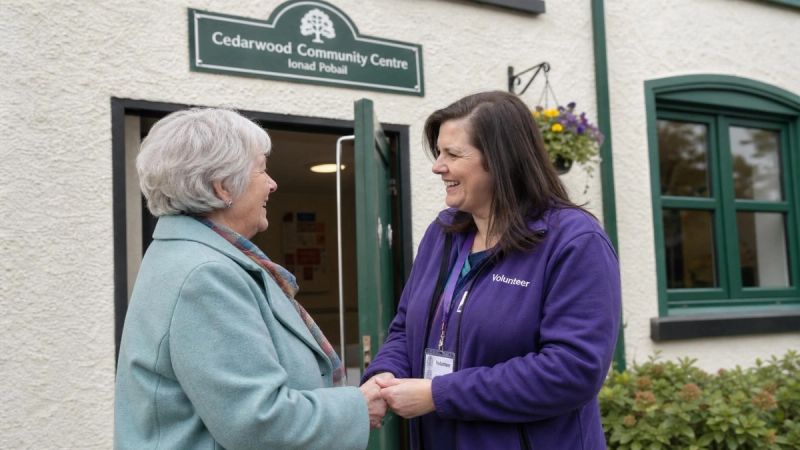
Social groups and activities. In Ireland, there are countless community supports: active retirement groups, men's sheds, ICA guilds, parish groups, book clubs, and walking groups. Age Action, ALONE, and local county councils run programmes specifically designed to reduce isolation. Transport can be a barrier, so helping someone find a lift or an accessible activity can make all the difference.
Technology with patience. Tablets and smartphones can connect older people to family, online groups, and services. But technology must be introduced gently. Frustration with devices can deepen feelings of inadequacy. A calm, repeated demonstration — and written notes — can help someone gain confidence.
The Role of Family, Community, and Services
Families are often the first line of support, but they cannot do everything. If you are worried about an older relative, start with a simple, honest conversation. You might say, "I've noticed you seem a bit quiet lately. How are you really doing?" Avoid rushing in with solutions. Often, being heard is the first relief.
Community services play a vital role. ALONE offers a national support line, befriending services, and practical help for older people. The HSE provides public health nursing, occupational therapy, and mental health services. GPs can refer older patients to counselling or community supports. Local authorities run age-friendly initiatives, including social prescribing, which connects people to community activities through their GP or health centre.
For older adults who are struggling with low mood, anxiety, or grief, talking to a therapist can be transformative. Counselling offers a confidential space to process loss, rebuild confidence, and develop strategies for reconnecting with others. It is never too late to begin.
When Loneliness Becomes a Health Concern
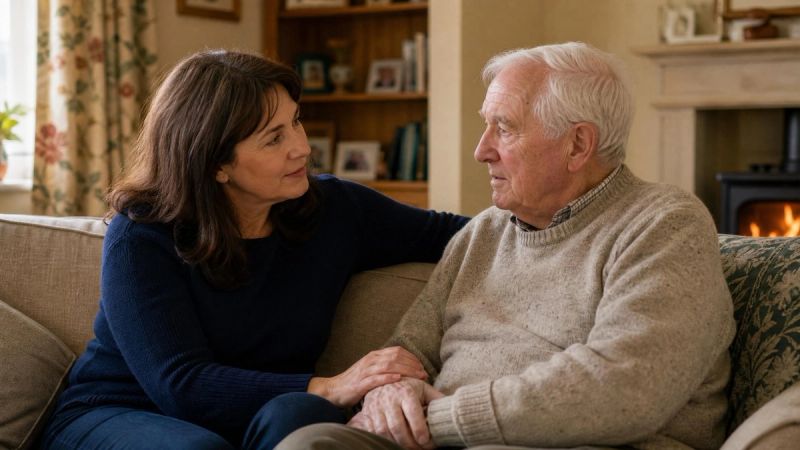
It can be hard to know when loneliness has crossed into something that needs professional help. Warning signs include persistent low mood, loss of appetite, difficulty sleeping, withdrawing from activities, neglecting personal care, or expressing feelings of hopelessness. If an older person talks about not wanting to be here anymore, take it seriously and seek immediate help.
In a crisis, contact Samaritans Ireland on 116 123 or the HSE at 112/999. For ongoing support, a GP can assess whether depression, anxiety, or another condition is present and suggest appropriate treatment.
Frequently Asked Questions
Is loneliness a normal part of getting older?
No. Loneliness is common in later life, but it is not inevitable. Many older people have rich social lives, strong friendships, and a deep sense of purpose. Loneliness usually reflects circumstances — such as bereavement, poor health, or living alone — rather than age itself.
How can I help an older parent who seems lonely?
Start with regular, meaningful contact. Listen without trying to fix everything. Encourage them to join a local group or activity, and help with practical barriers like transport. If loneliness is affecting their mood or health, suggest speaking to their GP or a counsellor.
Are there free supports for lonely older people in Ireland?
Yes. ALONE provides a national support line, befriending, and practical assistance. Local active retirement groups, men's sheds, and county councils offer social activities. GPs and public health nurses can also link older people with community supports.
How to Take the Next Step
Loneliness in later life is painful, but it is also addressable. Whether you are an older person feeling isolated or a family member watching someone withdraw, the first step is to acknowledge the feeling without shame. Connection does not have to mean a house full of people. It can be one good conversation, one familiar face, one reason to leave the house.
If loneliness is weighing heavily, professional support can help. At Feel Better Therapy, you can get matched with a therapist who understands the challenges of later life and can work with you or your loved one to rebuild connection and wellbeing.
Related Articles
- Loneliness in Ireland: A Complete Guide to Connection, Social Isolation and Therapy
- What Is Loneliness? Signs, Symptoms and Causes in Ireland
- Loneliness and Depression: How They Feed Each Other
This article is for informational purposes only and does not constitute medical advice. If you are in crisis, please contact Samaritans Ireland at 116 123 or Pieta House at 1800 247 247.