Depression in Men: When It Looks Like Anger, Work and Drink

Male depression often arrives as irritability, long hours, drink and physical symptoms rather than sadness. Why it hides, how it's missed, and what helps.
A man in his forties comes home, eats standing up, has three cans, sleeps badly, and snaps at his wife over nothing. On paper that's a man with a temper and a drink habit. It's also a very common picture of depression in men.
Depression doesn't announce itself in men the way the leaflets suggest. It rarely arrives as crying or a wish to talk. It arrives as irritability, work, drink, physical complaints, and a slow narrowing of everything a man used to enjoy — and because it doesn't look like the picture, it goes unrecognised for years, by the man himself and often by the people around him.
Why Male Depression Looks Different
Most of what the public knows about depression is based on how it presents in women. That's not a criticism of women — it's a description of the research base.
Women are diagnosed with depression roughly twice as often as men, yet men are roughly twice as likely to die by suicide. Researchers have been flagging that discrepancy for decades as a signal that something in the way we recognise depression in men is not working.
The mechanism, described in the Men's Health Forum in Ireland's own research, is that male depression is often "suppressed and manifested through more 'acceptable' male outlets, such as alcohol abuse and aggressive behaviour."
Acceptable outlets. That's the key phrase. The feeling doesn't disappear; it gets routed into channels a man is permitted to use.
The Eight Disguises
1. Irritability and anger. Short fuse, snapping over small things, road rage, a low hum of resentment. Our separate guide to anger in men covers this in detail — but anger is the most common mask depression wears in men, and it's the one most likely to get a man in trouble rather than into help.
2. Alcohol. Not necessarily heavy drinking by anyone's definition. Often it's the three or four at night that stop the thinking, the escalation at weekends, or the ones that have quietly moved from habit to requirement.
3. Work. Staying late without needing to. Taking on more. Volunteering for the shift. Work is a socially rewarded way to be unavailable to yourself and everyone at home.
4. Physical symptoms. Bad sleep. Headaches. Back pain. Stomach trouble. Chest tightness. A man will often go to the GP with these and never mention the thing underneath.
5. Risk and recklessness. Driving faster. Drinking more. Gambling. Impulsive decisions that don't fit the man making them.
6. Withdrawal that looks like contentment. Giving up the team, the gym, the band, the shed. The man says he "can't be bothered any more" — and that phrase is a symptom, not a preference.
7. Irritated numbness. Not sadness but flatness. Nothing matters much, nothing's exciting, and he'd describe himself as "fine" without lying.
8. Escapes into screens. Hours of scrolling, gaming, or sport on television — not rest, just a way to not be alone with his own head.
The Cost of the Disguise
The cost isn't abstract. It's the reason men arrive at help later and more unwell, and it's the reason some men never arrive at all.
There are roughly 481 deaths by suicide in Ireland a year, 387 of them male (CSO, 2024) — about eight in ten over a five-year window. The highest-risk age band in the CSO's more complete analysis was 50–54. That's the age when a man's disguises are most established and most convincing.
And it's not only mental health that pays. Movember's Irish report found that over 40 per cent of men in Ireland die before the age of 75, and that men in the most deprived areas can expect to live five years less than men in the most well-off areas.
Noel Richardson, director of the National Centre for Men's Health at South East Technological University and lead author of that report, put it bluntly: "The majority of these deaths are down to lifestyle behaviours, underpinned by social class and other structural determinants of health."
He also makes an argument men themselves often resist: "For me there's an acceptance that somehow men are destined to die younger than women, but the reality is they're not."
Why It Gets Missed
Three things keep male depression invisible.
The criteria. Standard screening questions lean on the classic picture: sadness, tearfulness, worthlessness, loss of interest. A man whose main symptoms are irritability and alcohol use can answer those questions and come out "negative", then get treated for the drink or the temper.
The referral route. Men come to services later and with more acute symptoms — that's been documented in Irish research on men and therapy, and it means by the time depression is recognised, it has usually been running for a long time.
The man's own account. Ask a man how he is and you'll get information about his circumstances, not his state. "Busy." "Grand." "Work's mental." Those aren't lies — they're the vocabulary he has.
There's a further layer, and Richardson names it in the workplace context: industries with "long hours, there can be a culture of bullying and hypermasculinity, long commute times" concentrate risk. He notes that "suicide in the construction industry is at a higher rate than in other industries" in Ireland.
What to Look For if It's You
Don't wait for sadness. Sadness may never show up.
Ask instead:
- Have I stopped doing things I used to like, and told myself I couldn't be bothered?
- Am I drinking to change how I feel rather than to enjoy something?
- Is my temper shorter than it was a year ago?
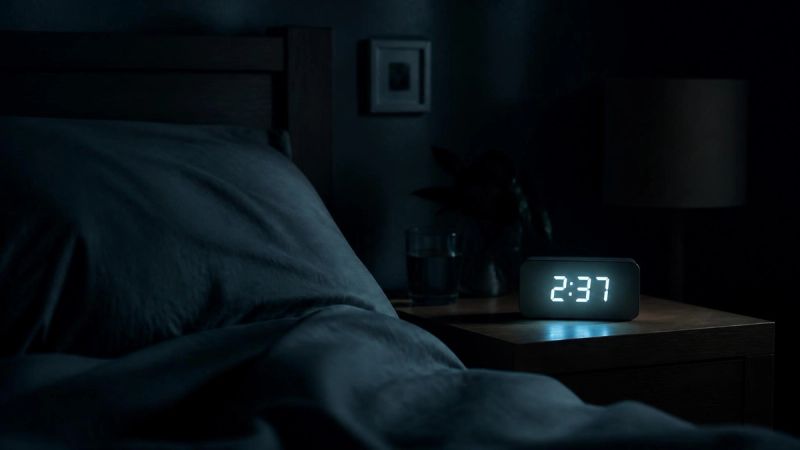
- Am I sleeping badly in a way that's become normal?
- Have I gone quiet with people I'd normally talk to?
- Would the people closest to me say I've changed before I would?
If two or three of those are true and have been true for weeks, that's worth a conversation with a GP. Our guide to why Irish men struggle to seek help covers the practical side of actually making the appointment.
The cheapest way in is the physical route: book the GP about the sleep, the stomach, the chest. Bring the other stuff if you can, and don't worry about the words — GPs hear it constantly, in exactly this order.

What Helps
The evidence on what works for depression is not mysterious: talking therapy, physical activity, sleep, reducing alcohol, and treatment where a GP judges it's needed. Our scope here is the talking part, and what matters is that men engage with it at all.
Richardson's own account of managing his health after a Parkinson's diagnosis is instructive, because it's a man describing exactly the skill most men were never taught: "I need support to acknowledge that vulnerability, which I would not have been aware of before." He also describes watching for "red flags — becoming stressed or feeling low mood" and treating them as information rather than failure.
Two practical notes:
Structure suits men. Structured, goal-oriented approaches tend to land better than open-ended emotional exploration, which is why CBT-style work is often a good starting point.
Sideways works better than face-to-face. The conversation that happens in a car, on a walk, or over a job is often the one that actually goes somewhere. That's the whole logic behind sheds and activity-based services, and it applies to therapy rooms too — you don't have to be good at talking to benefit from it.

If Someone You Love Is in This
Don't lead with "are you depressed". Lead with what you've noticed: "You've stopped going to the club." "You've been drinking more." "You're not yourself since your father died."
Then ask one specific question rather than an open one, and be prepared to hear something you didn't plan for. And if you hear anything about not wanting to be here, take it seriously and stay with it — don't rush to reassure, and don't leave it there.
You can also be the reason he gets in the door. It's common: psychotherapist Mark Herman reports that about half his male clients arrive by some kind of proxy — a partner, mother, sister or daughter who pushed. Being that person isn't overstepping. It's often how it happens.

If You Need Help Today
Samaritans — 116 123, free, 24 hours a day. Text About It — 50808, free, 24-hour text support. Pieta — 1800 247 247, free, 24 hours. Emergency — 112 or 999, or your nearest emergency department.
Frequently Asked Questions
Can depression really look like anger?
Yes. Irritability and anger are among the most common presentations in men, and they're often treated as personality rather than as a symptom.
Am I depressed or just drinking too much?
The two overlap heavily and it's rarely worth trying to separate them alone. A GP can look at both together.
Do I have to talk about my feelings to get help?
No. You can start with sleep, drink, work or physical symptoms. Therapy can be structured and practical rather than exploratory.
What if I don't feel sad at all?
Sadness isn't required. Flatness, numbness, irritability and loss of interest count.
Related Articles
- Why Men Don't Talk: How the Silence Is Learned
- Men's Mental Health in Ireland: Why the Silence Isn't Personal
- Anger Management for Men
This article is for informational and emotional support only and does not constitute medical advice. If you are in crisis or having thoughts of suicide, contact Samaritans on 116 123 (free, 24/7), Text About It on 50808 (free, 24/7) or Pieta on 1800 247 247 (free, 24/7), or use 112 or 999 or attend your nearest emergency department.
If this sounds like your week, you don't have to work out what to call it first — you can get matched with a therapist and start with the sleep, the drink or the temper.