Social Isolation: Understanding Withdrawal and Disconnection in Ireland

David used to meet the same two friends for a pint every Thursday in Limerick. They'd complain about work, talk about football, and occasionally order a second packet of crisps. Then David's mother got sick. He started skipping Thursdays to help her. After she died, he told himself he'd go back eventually. But eventually kept moving. First it was the grief. Then it was the habit of staying in. Then it was the fear that nobody would know what to say. Now, six months later, David realises he hasn't been to the pub, or to anyone's house, in nearly half a year. He isn't sure how it happened. He only knows the door feels heavier than it used to.
If David's story sounds familiar, you're not alone. Social isolation is one of the most misunderstood experiences in mental health. It is not the same as being shy. It is not the same as enjoying your own company. It is not even exactly the same as loneliness, although the two often travel together. Social isolation is the state of having very little contact with other people — whether that contact is social, emotional, or practical. It can happen gradually, and it can happen to anyone.
In Ireland, where community and conversation are deeply valued, withdrawing from others can feel especially confusing. You might tell yourself you're just busy, or tired, or that people have their own problems. But persistent isolation is a real health concern. Understanding why it happens, and what can help, is the first step toward reconnecting.
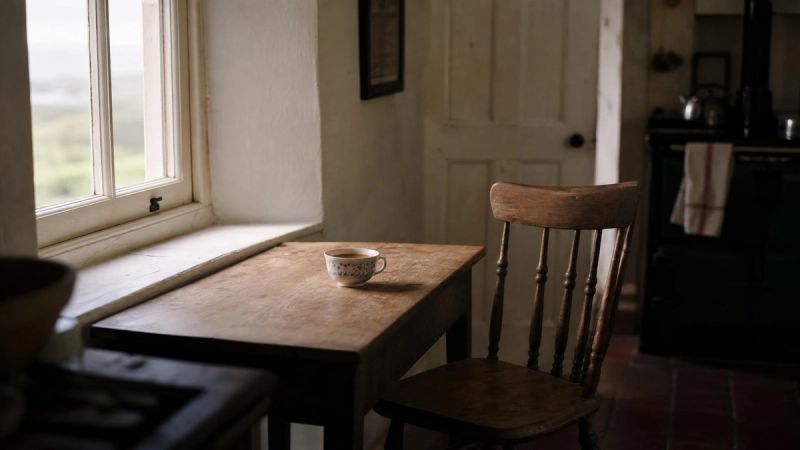
What Is Social Isolation, Actually?
Social isolation is an objective measure of disconnection. It means having few relationships, infrequent social contact, or limited involvement in community life. Someone can be socially isolated without feeling lonely — they may have chosen solitude, or they may have stopped noticing the absence of others. Someone else can feel lonely while surrounded by people, because the connections around them feel shallow or unsafe.
The key difference is quantity versus quality. Loneliness is the feeling of wanting more or better connection. Social isolation is the reality of having little connection at all. Both matter. Both affect mental and physical health. But they need slightly different responses.
Social isolation can be temporary. A person recovering from surgery, moving to a new town, or caring for a newborn may have fewer social contacts for a season. It becomes a concern when the pattern sticks. When weeks turn into months, and months turn into years, isolation can reshape how a person sees themselves and the world.
"Social isolation isn't simply being alone. It's the loss of meaningful roles, reciprocal relationships, and the sense that you matter to other people." — Dr. Louise McHugh, Associate Professor of Psychology at University College Dublin
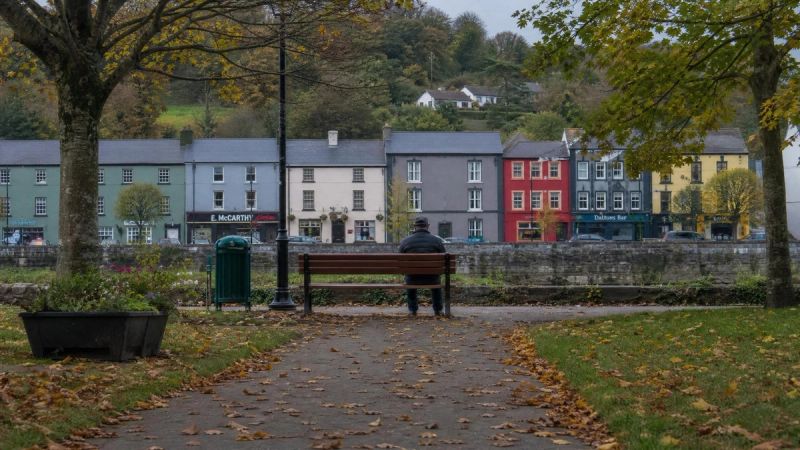
Why Social Isolation Happens
There is no single cause of social isolation. It usually builds from a mix of circumstances, thoughts, and practical barriers.
Life transitions and loss. Retirement, bereavement, divorce, moving house, or children leaving home can all shrink a person's social world overnight. The routines that once created contact disappear, and it can be hard to build new ones.
Mental health difficulties. Depression, anxiety, social anxiety, and trauma can all make social contact feel overwhelming. A person may cancel plans, avoid crowds, or stop answering messages. The isolation then deepens the original difficulty, creating a cycle that is hard to break alone.
Physical health and disability. Chronic illness, pain, mobility problems, sensory impairment, or fatigue can make leaving the house difficult. If public transport, venues, or social events are not accessible, isolation becomes a practical problem as much as an emotional one.
Geography. In rural Ireland, distance, lack of transport, and the closure of local services can leave people cut off. A farmer in County Mayo or a pensioner in a small Kerry village may see fewer people in a week than someone in Dublin sees before lunch.
Technology and modern life. Ironically, the tools designed to connect us can also enable withdrawal. Social media, streaming services, and remote work make it possible to go days without face-to-face contact. The pandemic showed how quickly entire populations can become socially isolated, and how hard it can be to climb back out.
Shame and stigma. Many people hide their isolation because they feel embarrassed. They believe they should be coping better, or that others will judge them. This shame keeps them silent, and silence keeps them isolated.
According to the Central Statistics Office, almost one in five Irish households (18.5%) are one-person households, and older people, single parents, and people living in rural areas are especially likely to live alone. These numbers do not capture the full picture of isolation, but they show how common it is to manage daily life without regular company.
The Difference Between Loneliness and Social Isolation
People often use loneliness and social isolation as if they mean the same thing. They don't, and confusing them can lead to the wrong kind of help.
A person can be isolated and not lonely. They might live alone, work from home, and see few people, but feel content with their own rhythm. Another person can be lonely without being isolated. They might have a busy social calendar, a partner, and colleagues, yet feel unseen or misunderstood.
Loneliness tends to respond to emotional connection: being heard, valued, and known. Social isolation tends to respond to structure and opportunity: having regular contact, meaningful roles, and accessible places to belong.
Both can be painful. Both deserve attention. If you are supporting someone, it helps to ask which experience is dominant. Do they need better relationships, or do they need more contact? Often, the answer is a bit of both.
What Actually Helps When You're Withdrawing
If you've noticed yourself pulling away, the most important thing to know is that isolation is reversible. It rarely changes all at once, but small steps, repeated, can rebuild connection over time.
Start with low-stakes contact. You don't have to throw a dinner party. A text to one person, a quick call, a walk with a neighbour, or a chat with the person in the coffee shop can begin to loosen the pattern. The goal is not to become the most social person in the room. The goal is to remind yourself that contact is possible and that it does not have to be exhausting.
Rejoin one routine. Isolation thrives on irregularity. Pick one regular activity — a weekly walk, a class, a volunteer slot, a religious service, a men's shed meeting — and commit to it for a month. Routines create repeated, low-pressure contact with the same people, which is often easier than constantly meeting new ones.
Be honest about what you need. Many people avoid others because they fear being a burden, or because small talk feels pointless. It can help to name this. You might say to a trusted friend, "I'm not great company at the moment, but I'd like to see you." Most people respond with compassion, not judgment.
Use services and groups. In Ireland, organisations like ALONE, Age Action, Mental Health Ireland, and local county councils run befriending schemes, social groups, and community programmes. GPs can refer people to social prescribing, which connects patients with local activities and supports. These services exist because isolation is common, not because you have failed.
Address the underlying cause. If withdrawal is driven by depression, anxiety, trauma, or grief, addressing those conditions is essential. Therapy can help you understand why you pulled away, manage the fear of re-engagement, and build skills for connection that feel sustainable.
When Social Isolation Becomes a Health Concern
Some withdrawal is normal during difficult periods. But when isolation becomes long-term, it can affect both mental and physical health. Research has linked chronic social isolation to increased risk of depression, anxiety, cognitive decline, cardiovascular disease, and sleep problems.
Warning signs that isolation has become a health concern include:
- Persistent low mood or hopelessness
- Loss of interest in activities you used to enjoy
- Neglecting self-care, meals, or hygiene
- Difficulty sleeping or sleeping too much
- Increased reliance on alcohol or other substances
- Thoughts that nobody would notice if you weren't around
If you recognise these signs in yourself or someone you care about, it is worth reaching out. A GP can assess your mental and physical health, rule out underlying conditions, and refer you to counselling or community supports. In a crisis, Samaritans Ireland is available 24/7 on 116 123.
Frequently Asked Questions
Is social isolation the same as being an introvert?
No. Introversion is a personality trait. Introverts may prefer quieter environments and smaller groups, but they can still have rich, meaningful relationships. Social isolation is a state of having limited contact with others, and it can happen to introverts and extroverts alike. If solitude feels nourishing, it is probably not a problem. If it feels heavy, empty, or frightening, it may be isolation.
Can social isolation cause depression?
Social isolation and depression often influence each other. Isolation can increase rumination, reduce positive experiences, and remove sources of emotional support, all of which can contribute to depression. At the same time, depression can make social contact feel exhausting or pointless, which leads to more isolation. Breaking this cycle usually requires both behavioural changes and emotional support.
How can I help someone who seems socially isolated?
Start with patience and consistency. Don't push them to attend large events or explain themselves. Instead, offer small, regular invitations: a phone call, a walk, a lift to an activity, or a visit for tea. Listen without trying to fix everything. If you are worried about their mental health, encourage them to speak to a GP or a therapist. Your steady presence can be more powerful than any single conversation.
Closing
Social isolation does not mean you are broken, difficult, or unlovable. It usually means that life has pulled you away from people, and that something — grief, anxiety, disability, geography, shame, or plain exhaustion — has made it hard to find your way back.
The good news is that connection can be rebuilt. It begins with one small step, repeated. One message. One walk. One honest conversation. One appointment with someone who can help. You do not have to figure it out alone.
If social isolation is weighing on your mood or making daily life feel harder, talking to a therapist can help. Through anxiety therapy at Feel Better Therapy, you can explore what is keeping you withdrawn, build confidence in relationships, and take steady steps back toward connection. You can also get matched with a therapist who works online across Ireland and start from wherever you are today.
Related Articles
- Loneliness in Ireland: A Complete Guide to Connection, Social Isolation and Therapy
- What Is Loneliness? Signs, Symptoms and Causes in Ireland
- Loneliness and Depression: How They Feed Each Other
- How to Deal With Loneliness: Practical Steps That Help
This article is for information only and is not a substitute for professional medical or mental health advice. If you are concerned about your mental health, please contact your GP or a qualified therapist.