Trauma Therapy Costs and Insurance in Ireland

Understand trauma therapy costs in Ireland, HSE options, private health insurance cover, and how to find affordable trauma support.
Sinead is 29 and works in marketing in Dublin. She has known for months that she needs to talk to someone about what happened two years ago. But every time she starts looking for a therapist, she gets stuck on the same question: how much is this going to cost?
She scrolls through websites and sees fees ranging from €60 to €150. Some mention private health insurance. Others say they offer sliding scales. She has a VHI plan but has no idea if it covers counselling. The whole thing feels confusing, and the confusion makes her put it off again.
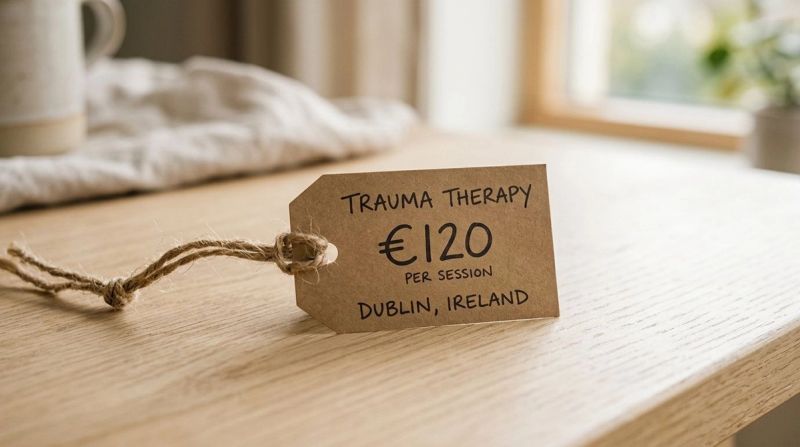
If Sinead's situation sounds familiar, you are not alone. For many people in Ireland, the cost of therapy is one of the biggest barriers to getting help. According to market data from Irish therapy platforms and professional bodies, private therapy sessions in Ireland typically range from €60 to €180, with many accredited therapists charging between €70 and €100 per session. But the full picture is more varied than those numbers suggest. There are also free HSE options, low-cost services, and insurance routes that can make therapy more affordable than it first appears.
What Trauma Therapy Actually Costs in Ireland
There is no single price for trauma therapy in Ireland. Costs vary depending on the type of professional, their experience, where they are based, and whether you meet online or in person. As a rough guide:
- Counsellors and psychotherapists often charge between €60 and €100 per session.
- Clinical or counselling psychologists may charge between €90 and €150 per session.
- Psychiatrists — medical doctors who can diagnose and prescribe — typically charge more, often €200 to €300 or higher for an initial assessment.
- Specialist trauma therapies, such as EMDR or somatic therapy, are usually within the same range as psychotherapy, though some specialists charge a premium.
These fees usually reflect years of training, supervision, accreditation, and the cost of running a practice. They can feel high, especially if you need weekly sessions over several months. But understanding the range can help you plan and ask the right questions before committing.
"The good life is a process, not a state of being. It is a direction, not a destination." — Carl Rogers, psychologist and founder of person-centred therapy
That idea is worth remembering when you are weighing the cost of therapy. You are not paying for a one-off fix. You are investing in a process that can change the direction of your life.
What Affects the Price
Several factors influence how much you will pay for trauma therapy in Ireland:
- Qualifications and accreditation. Therapists who are accredited with bodies such as the IACP, IAHIP, or PSI have met rigorous training and ethical standards. Their fees often reflect that.
- Location. Therapy in Dublin and other cities can be more expensive than in rural areas, though online therapy has made location less important than it used to be.
- Session length. A standard session is 50 to 60 minutes. Some therapists offer longer sessions for couples or EMDR, which may cost more.
- Type of therapy. EMDR, somatic therapy, and trauma-focused CBT may be priced similarly to general psychotherapy, but specialists can sometimes charge more.
- Online vs in person. Online sessions are sometimes slightly cheaper because the therapist has lower overheads, though this is not always the case.
Do not be afraid to ask a therapist about their fees before booking. Most will be happy to explain their rates, cancellation policy, and whether they offer any reduced-cost slots.

Questions to Ask Before You Start
Before committing to a therapist, it is worth having a brief conversation about cost and logistics. This does not have to be awkward. A good therapist will expect these questions and answer them clearly.
Useful questions include:
- What is your fee per session, and how long is each session?
- Do you offer reduced rates for people on low incomes or students?
- What is your cancellation policy?
- Are you accredited with a recognised body such as the IACP, IAHIP, or PSI?
- Can you provide receipts for private health insurance claims?
- Do you have experience working with trauma specifically?
The answers will help you budget realistically and avoid unexpected costs. They will also give you a sense of whether the therapist is someone you can work with. Feeling comfortable with the person sitting across from you — even on a screen — matters more than finding the cheapest option.
Free and Low-Cost Options
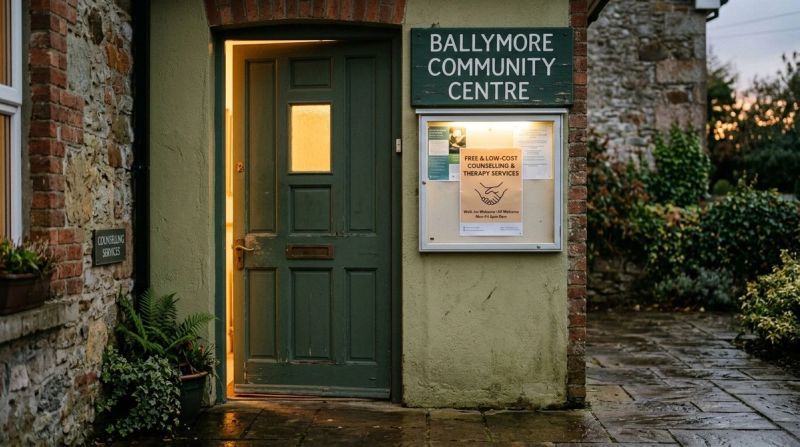
If private therapy fees are out of reach, there are other routes to support in Ireland:
- Your GP. A GP can refer you to HSE mental health services or community counselling, though waiting lists can be long depending on your area.
- HSE counselling. Some HSE-funded services offer free or low-cost counselling for specific issues. Ask your GP or local health centre what is available.
- Community and voluntary organisations. Groups such as Pieta House, Aware, and Turn2Me offer free or donation-based support, though they may have eligibility criteria or waiting lists.
- Low-cost clinics. Some training institutes and private practices offer reduced rates with trainee therapists who are supervised by accredited professionals.
- Employee assistance programmes. If you are employed, check whether your workplace offers a confidential counselling service.
Free services are stretched, and the wait can be frustrating. But they are worth exploring, especially if you need support while deciding whether private therapy is possible.
Does Private Health Insurance Cover Therapy?
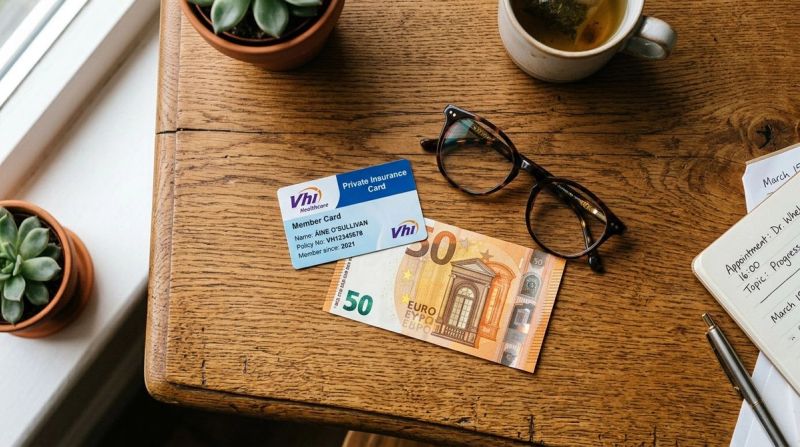
Many private health insurance plans in Ireland — including VHI, Laya Healthcare, and Irish Life Health — offer some level of cover for mental health outpatient services. This can include counselling, psychotherapy, and sometimes psychology sessions. However, the details vary widely depending on your plan.
Things to check with your insurer:
- Does your plan cover counselling, psychotherapy, psychology, or all three?
- Do you need a GP or consultant referral first?
- Is cover limited to accredited practitioners only?
- How much can you claim per session, and is there an annual limit?
- Do you pay upfront and claim back, or does the insurer pay the therapist directly?
Some therapists can provide receipts for insurance claims. Others are registered with specific insurers. It is worth asking both the therapist and your insurer these questions before you start, so there are no surprises later.
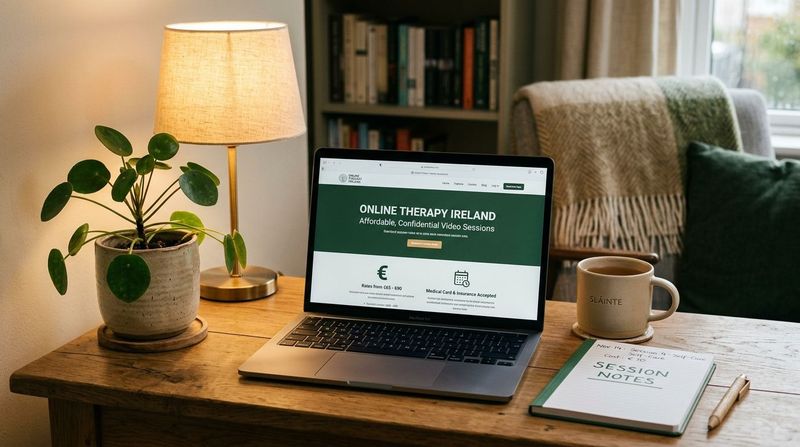
Is Online Therapy Any Different in Cost?
Online therapy has become a common and effective way to access trauma support in Ireland. For many people, it removes travel time, makes it easier to fit sessions into work or family life, and can feel safer when discussing difficult experiences.
In terms of cost, online therapy is often priced similarly to in-person sessions. Some therapists charge slightly less because they do not have clinic overheads. Others keep the same rate. The real saving is often in time, travel, and the ability to see a specialist who might not be available locally.
At Feel Better Therapy, we match clients with therapists online across Ireland. This means you can access trauma-informed support without being limited to whoever happens to practice near you. You can learn more about trauma therapy or find out how to get started.
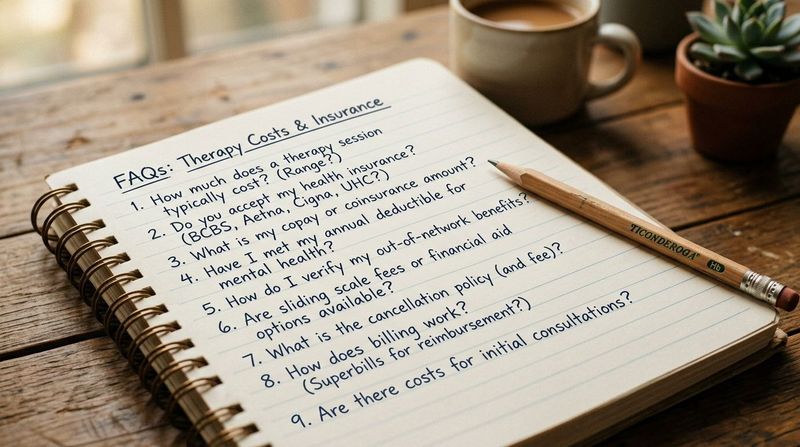
Frequently Asked Questions
How much does trauma therapy cost in Ireland?
Private sessions typically range from €60 to €180. Many accredited counsellors and psychotherapists charge between €70 and €100 per session. Psychologists and psychiatrists usually charge more.
Does health insurance cover trauma therapy in Ireland?
Often, yes. VHI, Laya Healthcare, and Irish Life Health plans may cover outpatient mental health services, but the level of cover depends on your specific plan. Check whether the therapist needs to be accredited and whether you need a referral.
Can I get free trauma therapy in Ireland?
Free support is available through HSE services, GPs, and organisations such as Pieta House, Aware, and Turn2Me. Waiting times and eligibility vary, so it is worth contacting services in your area.
Why is private therapy so expensive?
Therapists typically have years of training, ongoing supervision, insurance, and practice costs. Their fees reflect both their expertise and the running costs of providing a professional service.
Is online trauma therapy cheaper than in-person?
Sometimes. Online therapy can be slightly cheaper, but not always. The main benefits are usually convenience, access to specialists, and removing the need to travel.
For a complete overview of trauma, PTSD, and recovery options in Ireland, see our complete guide to trauma therapy in Ireland. You may also find our guide to starting trauma therapy online helpful.
Getting Support Is Possible
The cost of therapy can feel like a wall between you and the help you need. It is completely understandable to feel worried about money, especially when you are already struggling. But there are more options than it might first seem.
Start by getting a clear picture. Check your health insurance. Ask your GP about HSE services. Look into low-cost or online options. Contact a therapist and ask about their fees or whether they offer reduced-rate sessions. Many therapists will work with you to find something manageable.
You do not have to figure it out alone. At Feel Better Therapy, we can help you get matched with a therapist who fits your situation. You can learn more about trauma therapy or get started here.
This article is for informational purposes only and does not constitute financial, medical, or insurance advice. Coverage details vary by insurer and plan. Please check directly with your insurer or healthcare provider for your specific situation. If you are in crisis, contact Samaritans Ireland at 116 123 or Pieta House at 1800 247 247.