ADHD in Women Ireland: Why So Many Are Diagnosed Late

ADHD in women often looks like anxiety, perfectionism, or burnout. Learn why it's missed, how hormones affect it, and where to find support in Ireland.
Aoife is 29 and works as a primary school teacher in Dublin. For as long as she can remember, she has been the one who tries harder than everyone else. She colour-codes her planners, sets reminders for her reminders, and stays up late finishing tasks that her colleagues seem to do in half the time. On the outside, she is organised, capable, and always willing to help. On the inside, she is permanently exhausted and convinced that she is one missed email away from being found out.
She was diagnosed with anxiety in her early twenties and has been on and off medication ever since. The anxiety treatment helped, but only partly. She still loses her keys daily, forgets why she walked into rooms, and feels overwhelmed by decisions that other people make without thinking. Earlier this year, a friend mentioned adult ADHD. Aoife laughed at first. She was not hyperactive. She did not disrupt class as a child. But then she read about how ADHD shows up in women, and something inside her clicked.
If Aoife's story sounds familiar, you are not alone. Thousands of women in Ireland are only now recognising that the anxiety, perfectionism, and exhaustion they have carried for years might actually be undiagnosed ADHD.

What ADHD Actually Looks Like in Women
ADHD in women often looks nothing like the classic image of a hyperactive young boy. It can look like a high-achieving adult who is secretly falling apart. Many women with ADHD are bright, creative, and deeply empathetic. They are also often overwhelmed, forgetful, and incredibly hard on themselves.
Common signs in women include:
- Chronic exhaustion from masking and overcompensating
- Feeling overwhelmed by ordinary daily tasks
- Difficulty prioritising, starting, or finishing projects
- Intense emotional reactions, especially to criticism or rejection
- Forgetfulness, losing things, or missing appointments despite huge effort
- Perfectionism that masks underlying chaos
- People-pleasing and difficulty saying no
- Sensitivity to noise, light, or busy environments
These symptoms are easy to dismiss as stress, anxiety, or just being "too sensitive." Many women are diagnosed with anxiety or depression first, sometimes for years, while the underlying ADHD goes unnoticed. If you are unsure whether your experiences fit the broader picture, our guide to ADHD symptoms in adults explains how the condition can show up across different areas of life.

Why ADHD in Women Is So Often Missed
For decades, ADHD research focused on boys. The diagnostic criteria were built around behaviours that are obvious in classrooms: running around, interrupting, being unable to sit still. Girls with ADHD often do not fit that mould. They are more likely to be quiet, daydreamy, or socially anxious. They are also more likely to develop coping strategies that hide their difficulties from teachers, parents, and eventually employers.
This is called masking. A girl with ADHD might spend enormous energy sitting still, staying organised, and appearing polite. By adulthood, that masking has become automatic, but it comes at a cost. Many women describe feeling like they are performing a version of themselves all day, then collapsing the moment they get home.
The HSE and specialist adult ADHD services in Ireland are increasingly aware of these gender differences, but waiting lists remain long and awareness is still catching up. Research published in the Irish Journal of Psychological Medicine has noted that adult women are particularly underrepresented in ADHD diagnoses, often presenting first to mental health services with anxiety, low mood, or burnout rather than classic ADHD symptoms.
Hormones, Periods, and Pregnancy
One reason ADHD is missed in women is that hormones can dramatically affect how symptoms show up. Many women notice their ADHD feels worse in the days before their period, when oestrogen drops and dopamine becomes harder to access. Tasks that were manageable suddenly feel impossible. Irritability, overwhelm, and emotional sensitivity can spike.
Perimenopause and menopause can have a similar effect. As hormone levels change, women who have spent a lifetime masking may find their coping strategies no longer work. This is one reason ADHD is often diagnosed in women in their thirties, forties, or even fifties, rather than in childhood.
Pregnancy adds another layer of complexity. Some women choose to stop ADHD medication when trying to conceive or during pregnancy, which can make symptoms more visible. Others find that pregnancy hormones temporarily improve their focus, only for symptoms to return sharply after birth. The postnatal period, with its sleep deprivation and new demands, can be especially difficult for women with ADHD.
If you are thinking about starting or stopping medication, our guide to ADHD medication in Ireland outlines how the process works and why specialist guidance matters.
Getting Diagnosed as a Woman in Ireland
The route to diagnosis is the same for women as for men, but the experience can be different. Women may need to advocate harder to be taken seriously, especially if they have a long history of anxiety or depression. A good assessment will look at your whole life, including childhood, school reports, relationships, work patterns, and how symptoms have changed over time.
The usual pathway starts with your GP, who can refer you to a general adult mental health team or a specialist adult ADHD clinic. Private assessments are also available and can be faster, though they are expensive. Some clinicians offer online assessments, which can be helpful if you live far from a specialist service or struggle to attend in person.
It can help to bring evidence. Old school reports, examples of how symptoms affect your daily life, and a list of questions can all strengthen your case. Many women also find it useful to ask a parent or sibling who knew them as a child to contribute, since ADHD symptoms must have been present before age twelve.
As Dr. Ellen Littman, a clinical psychologist who specialises in ADHD in women, notes: "Women with ADHD often present with a lifetime of compensatory effort that has left them depleted. Diagnosis is not about finding a label. It is about understanding the real story beneath the mask." Our guide to ADHD diagnosis in adults Ireland walks through what the assessment process involves and how to prepare.
What Support Actually Helps
There is no single right treatment for ADHD in women, but the most effective approaches usually combine practical strategies, emotional support, and sometimes medication. The goal is not to become a different person. It is to work with your brain instead of constantly fighting it.
Medication can be transformative for some women, particularly when symptoms are significantly affecting work, relationships, or daily functioning. Stimulant and non-stimulant options are available in Ireland, but they must be prescribed by a specialist who can monitor side effects and adjust treatment over time, especially around hormonal changes.
Therapy can help with the emotional fallout of late diagnosis. Many women feel grief, anger, or relief when they finally understand their brains. Cognitive behavioural therapy adapted for ADHD is well supported by research and can help with organisation, emotional regulation, and self-criticism. If you are curious about whether therapy could help, you can read more about CBT for ADHD or online therapy for ADHD and neurodivergence in Ireland.
Lifestyle and environmental changes matter too. Reducing decision fatigue, building simple routines, getting enough sleep, and asking for accommodations at work or home can all reduce the daily load. Women with ADHD often benefit from connecting with others who understand, through peer support groups or online communities.
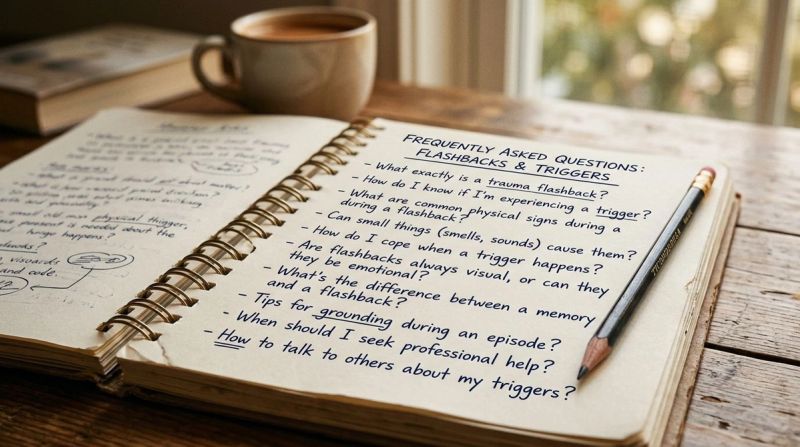
Frequently Asked Questions
Can ADHD look like anxiety in women?
Yes, very often. Anxiety and ADHD can overlap significantly. Many women are treated for anxiety for years before ADHD is recognised. The key difference is that ADHD is a neurodevelopmental condition that affects attention, impulse control, and executive function from childhood, whereas anxiety is more focused on worry and fear. A proper assessment can help distinguish between them, or identify if both are present.
Do hormones make ADHD worse?
Hormones can have a significant effect on ADHD symptoms. Many women notice worse focus, emotional dysregulation, and overwhelm in the week before their period, during perimenopause, or after childbirth. Hormonal changes affect dopamine, which is already implicated in ADHD. Tracking your symptoms across your cycle can help you and your clinician adjust support.
Can I get an ADHD assessment while pregnant?
Yes, you can be assessed while pregnant, but treatment options may be more limited. Some medications are not recommended during pregnancy or breastfeeding. A specialist can discuss the risks and benefits and help you plan support that is safe for you and your baby.
Will ADHD medication affect my hormones?
ADHD medication does not directly change hormone levels, but hormonal fluctuations can change how you respond to medication. Some women find their medication feels less effective before their period or during perimenopause. A good prescriber will take this into account and may adjust your dose or timing around your cycle.
For a complete overview of ADHD in adults in Ireland, including symptoms, diagnosis, treatment, and daily support, see our guide to ADHD in Adults Ireland: A Complete Guide.

You Are Not Too Late
Many women spend years believing they are simply not trying hard enough. They compare themselves to colleagues, friends, and social media versions of other people's lives and wonder why ordinary tasks feel so difficult. If you are one of them, please know that your struggles are real, and help is available.
ADHD in women is increasingly recognised in Ireland. The right diagnosis, the right support, and the right understanding can change how you relate to yourself and your life. You do not have to keep masking, overworking, or blaming yourself for a brain that works differently.
If you think ADHD might be part of your story, get matched with a therapist who understands adult ADHD in Ireland. Whether you want help preparing for an assessment, managing symptoms, or simply making sense of what you have been experiencing, you do not have to do it alone.
This article is for informational purposes only and does not constitute medical advice. If you are in crisis, please contact Samaritans Ireland at 116 123 or Pieta House at 1800 247 247.