CBT for ADHD in Ireland: How It Works and What to Expect

Thinking about CBT for ADHD in Ireland? Learn how cognitive behavioural therapy helps adults with ADHD, what sessions involve, and how to find support.
Mark is 35 and works as an engineer in Galway. He was diagnosed with ADHD six months ago after years of missed deadlines, forgotten appointments, and a nagging feeling that he was working harder than everyone else for the same results. His psychiatrist mentioned medication, which Mark is still considering, but he also wants to understand what therapy can offer. A friend recommended CBT. Mark has heard the term before, but he is not sure what it actually involves, or whether it is any different for someone with ADHD.
If you are in a similar position, you are asking the right question. Medication can help with the biology of ADHD, but therapy helps with the habits, thought patterns, and coping strategies that build a more manageable life. For many adults in Ireland, CBT is a practical, evidence-based place to start. If you are still learning what ADHD involves, our guide to what ADHD is in adults covers the basics.

What CBT Actually Is
CBT stands for cognitive behavioural therapy. It is a structured, goal-focused type of therapy that looks at how your thoughts, feelings, and behaviours are connected. The idea is not to analyse your childhood for years. It is to understand the patterns that keep you stuck and learn practical skills to change them.
In CBT, you work with a therapist to identify unhelpful thoughts and behaviours, test whether they are accurate, and replace them with more useful ones. For example, if your internal voice constantly tells you that you are lazy or incapable, CBT helps you examine that belief, find evidence against it, and build a more realistic way of thinking about yourself.
CBT is one of the most researched forms of psychotherapy and is recommended by the HSE and NICE for a wide range of conditions, including anxiety, depression, and, when adapted appropriately, ADHD. It tends to be practical, collaborative, and relatively short-term compared to other therapies.

How CBT Differs for ADHD
Standard CBT can be helpful for anyone, but ADHD brains need some adjustments. Adults with ADHD often struggle with executive function: the mental skills that help you plan, prioritise, start tasks, manage time, and regulate emotions. Traditional CBT assumes a person can reliably remember homework, follow a plan, and notice their own thought patterns. ADHD can make all of that harder.
That is why CBT for ADHD is adapted specifically around the realities of the condition. A therapist who understands ADHD will focus on:
- Building external structure, such as calendars, reminders, and visual cues
- Breaking tasks into smaller, less overwhelming steps
- Managing emotional dysregulation, rejection sensitivity, and frustration
- Reducing self-criticism and shame
- Improving time estimation and deadline management
- Creating routines that actually fit your brain
The therapy is less about "changing your mindset" and more about building systems that make everyday life easier. As Dr. Mary Solanto, a leading researcher in CBT for adult ADHD, puts it: "The goal is not to cure ADHD. It is to help the person function more effectively and feel better about themselves while doing so."

What a CBT Session for ADHD Looks Like
A typical CBT session for ADHD lasts about fifty minutes to an hour. In the early sessions, your therapist will want to understand how ADHD shows up for you, what you are struggling with most, and what you want to change. This is not a one-size-fits-all process. Your difficulties might be mainly at work, at home, in relationships, or across all three.
Together, you will set specific, measurable goals. Instead of a vague aim like "be more organised," you might work toward "submit my weekly report by 5pm every Friday without last-minute panic." Your therapist will help you break that goal into concrete steps and identify the thoughts and habits that get in the way.
Between sessions, you will usually have small homework tasks. These might include trying a new planning tool, tracking your mood, or experimenting with a different way to start a difficult task. The aim is not perfection. It is to try something, notice what happens, and adjust. Because ADHD can make consistency difficult, a good therapist will also help you troubleshoot why homework did not happen, without shame or blame.
Finding CBT for ADHD in Ireland
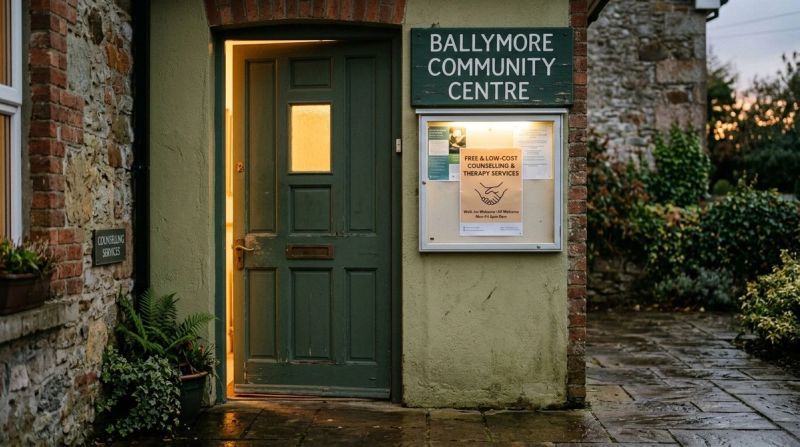
In Ireland, you can access CBT through several routes. The public mental health system may offer CBT through HSE psychology services, general adult mental health teams, or primary care counselling. These services are usually free but can have waiting lists. Not every public therapist will have specialist training in ADHD, so it is worth asking directly about their experience.
Private therapy is more widely available and can often be arranged quickly. Many psychologists and accredited psychotherapists in Ireland offer CBT, and an increasing number have experience working with adult ADHD. You can search directories such as the Psychological Society of Ireland or the Irish Association for Counselling and Psychotherapy. When contacting a therapist, ask whether they have experience adapting CBT for ADHD specifically.
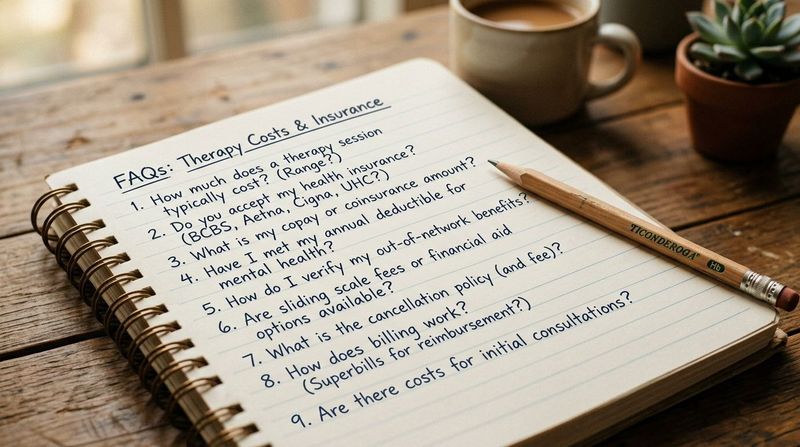
It is also worth asking practical questions before committing. Do they offer an initial consultation? Are sessions in person, online, or both? What is their fee, and is any of it reclaimable through health insurance or employee assistance programmes? Most importantly, do they understand that ADHD is not just about attention, but also about executive function, emotional regulation, and the shame that often builds up after years of being misunderstood?
Online CBT is also an option and can be especially helpful if you live outside Dublin, Cork, or Galway, or if in-person appointments are difficult to manage. You can learn more about our approach to online therapy for ADHD and neurodivergence in Ireland if you are curious about remote support. If you are still figuring out whether you have ADHD, our guide to ADHD diagnosis in adults Ireland explains the assessment process.

What Results You Can Realistically Expect
CBT is not a magic fix. It will not erase ADHD or turn you into someone who loves spreadsheets. What it can do is help you understand your brain, build reliable systems, and reduce the emotional toll of living with ADHD.
Many adults find that after a course of CBT, they are better at starting tasks, managing their time, and handling setbacks without spiralling into self-criticism. Relationships often improve because communication becomes clearer and emotional reactions become easier to manage. Work can feel less chaotic, even if the underlying challenges do not disappear.
Research generally supports CBT as a helpful treatment for adult ADHD, particularly when it is adapted to address executive dysfunction and emotional regulation. It is often most effective when combined with other supports, such as medication, coaching, workplace accommodations, or lifestyle changes. If you are wondering about medication alongside therapy, our guide to ADHD medication in Ireland explains how the prescribing process works.

Frequently Asked Questions
Is CBT better than medication for ADHD?
Neither is universally better. They work differently. Medication can help with core symptoms like focus and impulse control, often quite quickly. CBT helps you build skills, habits, and coping strategies for the long term. Many people benefit from both. The right approach depends on your symptoms, preferences, and circumstances.
How many CBT sessions will I need?
A typical course of CBT might be eight to twenty sessions, depending on what you are working on. ADHD-focused CBT sometimes takes a little longer because it involves building practical systems as well as addressing thoughts and emotions. Your therapist should discuss a rough plan with you early on.
Can I do CBT online?
Yes. Many therapists in Ireland offer CBT online via video call. Online therapy can be just as effective as in-person therapy for many people and is often more convenient. It is a good option if you have a busy schedule, live in a rural area, or find travelling to appointments difficult.
What is the difference between CBT and ADHD coaching?
CBT is a clinical therapy delivered by a qualified mental health professional. It addresses thoughts, emotions, and behaviours, including anxiety, low mood, and self-criticism. ADHD coaching is more focused on practical goal-setting, accountability, and strategy. Both can be valuable, and some people use both at different times.
For a complete overview of ADHD in adults in Ireland, including symptoms, diagnosis, treatment, and daily support, see our guide to ADHD in Adults Ireland: A Complete Guide.
You Do Not Have to Figure It Out Alone
Living with ADHD can feel like trying to run everyday life with software that was not designed for your hardware. You might have spent years blaming yourself for things that are actually symptoms. CBT can help you stop fighting your own brain and start building a life that works with it.
Whether you are newly diagnosed, suspect you might have ADHD, or simply want better tools for managing daily life, reaching out for support is a strong first step. You do not need to have everything figured out before you start.
If you would like to explore CBT with a therapist who understands adult ADHD, get matched with the right support for you. Help is available, and it can make a real difference.
This article is for informational purposes only and does not constitute medical advice. If you are in crisis, please contact Samaritans Ireland at 116 123 or Pieta House at 1800 247 247.