Chronic Insomnia: When Sleeplessness Won't Go Away

Chronic insomnia lasts for months and affects your health, mood and energy. Learn what it is, why it happens, and how to get evidence-based treatment in Ireland.
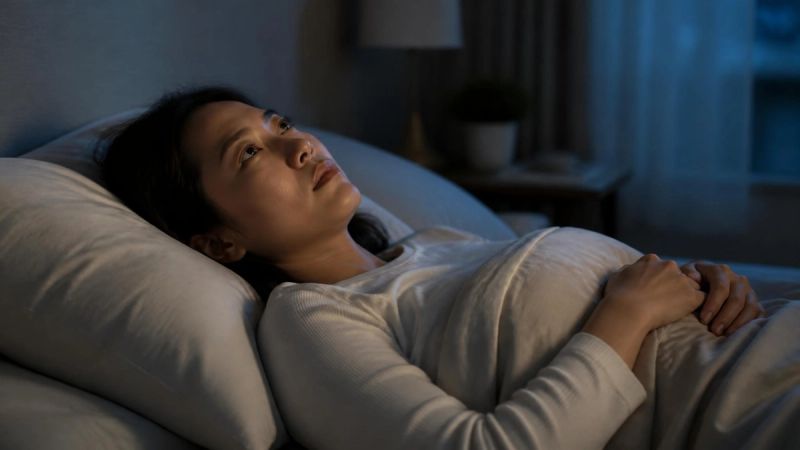
It is 3am and you have been awake for longer than you can accurately remember. The clock on your phone has become a cruel habit. You have tried herbal tea, a warm bath, an audiobook, counting backwards from a thousand. For a night or two, something worked. But now the sleeplessness has settled in like an unwelcome houseguest. You fall asleep eventually, or you do not fall asleep at all. Either way, you wake up already exhausted, spend the day bracing for the next night, and repeat the cycle.
If that pattern has lasted for three months or more, and it is happening at least three nights a week, you are not simply having a bad run of sleep. You may be experiencing chronic insomnia. It is a real medical condition, not a failure of willpower, and it is far more common than many people realise. According to the Health Service Executive (HSE), insomnia is one of the most commonly reported sleep problems among adults in Ireland, with around one in three people affected by disrupted sleep at some point in their lives.
This article explains what chronic insomnia is, how it differs from short-term sleep disruption, what keeps it going, and what evidence-based help looks like in Ireland. Whether you have been struggling for months or you are trying to understand it for someone you care about, the information here is meant to be practical, clear and reassuring.
What Chronic Insomnia Actually Means
Chronic insomnia is usually diagnosed when someone has difficulty falling asleep, staying asleep, or waking too early at least three nights a week for three months or more, and when that poor sleep causes noticeable problems during the day. Those daytime problems might include fatigue, irritability, difficulty concentrating, low mood, anxiety about sleep, or a sense of dread as bedtime approaches.
The condition is not about how many hours you spend in bed. Someone can spend nine hours under the covers and still have chronic insomnia if the sleep is fragmented, unrefreshing and followed by significant impairment the next day. Equally, someone who sleeps for six hours but feels rested and functions well may not have insomnia at all. The diagnosis depends on the quality of sleep, how often it is disrupted, how long it has been going on, and how much it interferes with daily life.
There are three main patterns:
- Sleep-onset insomnia means taking a long time to fall asleep. Your body is tired but your mind will not switch off.
- Sleep-maintenance insomnia means waking up frequently during the night and struggling to get back to sleep.
- Early-morning awakening insomnia means waking earlier than intended and being unable to return to sleep, even when you still need rest.
Many people have a mixture of all three. The label "chronic" simply describes the duration. It does not mean the problem is permanent.

The Difference Between Acute and Chronic Insomnia
Almost everyone has occasional nights of poor sleep. Stress, travel, illness, a new baby, a work deadline, or a noisy neighbour can all cause short-term sleep disruption. This is often called acute insomnia. It is usually tied to a specific trigger and tends to improve once the trigger passes or the body adjusts.
Chronic insomnia is different. The trigger may have started it, but the sleeplessness continues even after the original stress has faded. Over time, the bed becomes associated with wakefulness instead of rest. The brain learns to anticipate being awake, and the anxiety about sleep becomes a cause of sleeplessness in its own right. This is why chronic insomnia often needs a structured treatment approach rather than simply waiting it out.
Why Chronic Insomnia Develops
Chronic insomnia is usually caused by a combination of factors rather than a single event. Understanding those factors can make the condition feel less mysterious and more manageable.
Predisposing factors
Some people are naturally more prone to insomnia. This can include a tendency toward worry or rumination, a genetic predisposition to lighter sleep, or a natural preference for evening activity. These traits do not cause insomnia on their own, but they lower the threshold for it.
Precipitating factors
A life event or stressor often triggers the first bout of poor sleep. Common examples include bereavement, relationship problems, job loss, exam pressure, financial stress, physical illness, or a mental health episode such as anxiety or depression.
Perpetuating factors
These are the behaviours and beliefs that keep insomnia going long after the original trigger has passed. They include spending too long in bed trying to force sleep, napping during the day, using alcohol as a sleep aid, checking the clock repeatedly, or avoiding activities because of tiredness. Each of these makes sense as a short-term coping strategy, but over time they reinforce the pattern of poor sleep.
Dr Breege Leddy, founder of the Insomnia Clinic in Ireland and an advocate for Cognitive Behavioural Therapy for Insomnia (CBT-I), explains that the condition often becomes self-sustaining: "The more we worry about sleep, the more aroused we become, and the harder it is to sleep. Breaking that cycle requires changing both behaviour and beliefs about sleep."

The Impact of Chronic Insomnia on Daily Life
Chronic insomnia does more than make people feel tired. It can affect nearly every area of life.
Mood
Sleep loss makes the emotional brain more reactive and the rational brain less able to calm it down. People with chronic insomnia are more likely to experience irritability, low mood, anxiety, and a reduced capacity to cope with everyday stress.
Thinking and memory
Concentration, decision-making, problem-solving and memory all suffer when sleep is persistently poor. Many people describe a feeling of being mentally foggy or unable to process information as quickly as usual.
Physical health
Long-term sleep disruption has been linked to high blood pressure, weakened immunity, weight gain, and an increased risk of accidents. It can also worsen existing conditions such as chronic pain, migraines, and digestive problems.
Relationships and work
Chronic insomnia can strain relationships. A sleepless person may have less patience, less energy for socialising, and less interest in activities they usually enjoy. At work, performance can decline and sick days may increase.

When Chronic Insomnia Is Linked to Other Conditions
Chronic insomnia sometimes occurs alongside another physical or mental health condition. In these cases, treating the underlying issue can improve sleep, but the insomnia itself may also need direct treatment.
Mental health conditions
Anxiety and insomnia often fuel each other. Worries that are manageable during the day can feel overwhelming at night. Depression can cause early-morning waking, while sleep loss can worsen depressive symptoms.
Medical conditions
Chronic pain, asthma, acid reflux, thyroid problems, restless legs syndrome, and sleep apnoea can all disrupt sleep. If you snore loudly, stop breathing during the night, or wake up gasping, it is important to speak to a GP to rule out sleep apnoea.
Medications and substances
Some medications can interfere with sleep, including certain antidepressants, steroids, decongestants, and blood pressure tablets. Caffeine, nicotine, alcohol, and recreational drugs can also affect sleep quality. A doctor or pharmacist can review these with you.

Evidence-Based Treatment for Chronic Insomnia in Ireland
The first-line treatment for chronic insomnia recommended by medical bodies worldwide, including the HSE and the National Institute for Health and Care Excellence, is Cognitive Behavioural Therapy for Insomnia, or CBT-I. It is a structured, short-term therapy that addresses the thoughts and behaviours that keep insomnia going.
CBT-I usually includes:
- Sleep restriction to rebuild sleep drive by temporarily limiting time in bed.
- Stimulus control to retrain the brain to associate bed with sleep rather than wakefulness.
- Cognitive restructuring to challenge unhelpful beliefs about sleep.
- Relaxation techniques to reduce physical and mental arousal at bedtime.
Research consistently shows that CBT-I is more effective than sleeping pills in the long term and has fewer side effects. Dr Breege Leddy notes that CBT-I gives people "lifelong tools to manage and treat their insomnia," rather than a temporary fix.

What You Can Do While Waiting for Treatment
If you are struggling with chronic insomnia, there are practical steps that can help while you arrange professional support.
- Keep a consistent wake time, even at weekends. This strengthens your body clock.
- Get out of bed if you cannot sleep after about 20 minutes. Do something quiet and return only when sleepy.
- Limit naps, especially late in the day.
- Reduce caffeine after midday and avoid alcohol close to bedtime.
- Create a wind-down routine for the last hour before bed.
- Use the bed only for sleep and intimacy, not for work, scrolling, or watching television.

When to Seek Professional Help
You do not have to wait until chronic insomnia becomes unbearable before seeking help. Consider speaking to a GP or a therapist if:
- Your sleep problem has lasted for three months or more.
- It is affecting your mood, work, relationships, or safety.
- You feel anxious or panicky about bedtime.
- You rely on alcohol, over-the-counter sleep aids, or prescription medication to sleep.
- You have symptoms of sleep apnoea, such as loud snoring or breathing pauses.
A GP can check for underlying medical causes and refer you to a sleep specialist or mental health service if needed. Online therapy platforms such as Feel Better Therapy also offer CBT-I with accredited therapists who understand the Irish context.

Frequently Asked Questions
How long does chronic insomnia last?
Chronic insomnia is defined as difficulty sleeping at least three nights a week for three months or more. Without treatment, it can last for years, but it is usually very responsive to the right intervention.
Can chronic insomnia go away on its own?
Sometimes, especially if it was triggered by a temporary stressor. But when insomnia has persisted for months, it often needs a structured approach such as CBT-I rather than simply waiting.
Is chronic insomnia a mental illness?
No. Chronic insomnia is a sleep disorder. However, it is closely linked to mental health conditions such as anxiety and depression, and treating one often improves the other.
Are sleeping tablets the best treatment?
Sleeping tablets can be useful for short-term crises, but they are not recommended as a long-term solution because of dependence, tolerance, and side effects. CBT-I is the preferred long-term treatment.
Can I access CBT-I in Ireland?
Yes. CBT-I is available through some HSE mental health services, private therapists, and online therapy providers.

You Deserve Restful Sleep
Living with chronic insomnia can feel isolating. The nights are long, the days are harder, and it is easy to believe that nothing will help. But chronic insomnia is a recognised and treatable condition. With the right support, sleep can improve, and the dread that now surrounds bedtime can fade.
If you are ready to take the next step, you can get matched with a therapist at Feel Better Therapy and ask specifically about CBT-I. You can also read our related articles on sleep anxiety and what insomnia is.
Related Articles
- Sleep & Insomnia in Ireland: A Complete Guide
- What Is Insomnia? Signs, Symptoms and Causes in Ireland
- Sleep Anxiety: When Worry Keeps You Awake
If you are in crisis, please contact your GP, go to your nearest emergency department, or call Samaritans Ireland at 116 123. This article is for general information and is not a substitute for professional medical or mental health advice.