Sleep Anxiety: When Worry Keeps You Awake

Sleep anxiety keeps your mind racing at night. Learn why it happens, how it affects your rest, and proven ways to calm your mind before bed in Ireland.
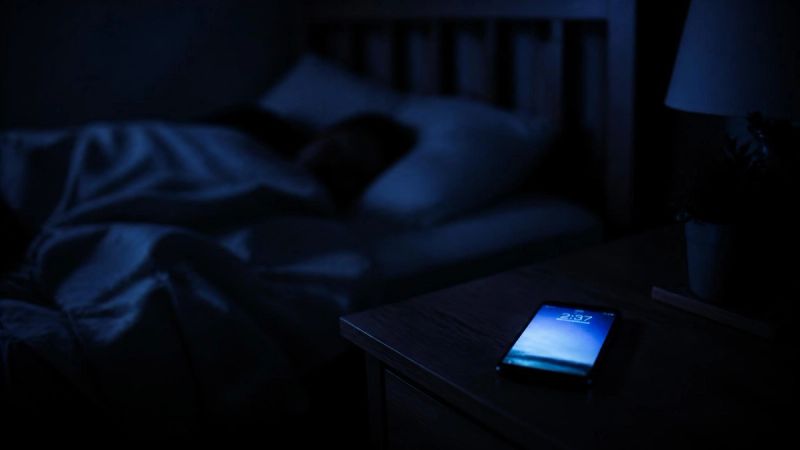
The room is dark. The house is quiet. Your body is tired. But the moment your head touches the pillow, your mind switches on like a light you cannot find the switch for.
What if I don't sleep? I have that meeting tomorrow. Did I say something wrong today? Why did my heart skip like that earlier? The thoughts arrive one after another, each one more urgent than the last. You check the time. You try to relax. You tell yourself to stop thinking. Somehow, that only makes the thinking worse.
This is sleep anxiety. It is one of the most common reasons people in Ireland struggle to fall asleep, and it is also one of the most treatable. Understanding what is happening in your brain and body at bedtime is the first step toward breaking the cycle.

What Sleep Anxiety Actually Is
Sleep anxiety is not just having a lot on your mind. It is a specific pattern where bedtime, or the act of trying to fall asleep, becomes a trigger for worry and physical arousal. Your brain learns to associate lying in bed with being alert, and over time the bed itself becomes a cue for anxiety.
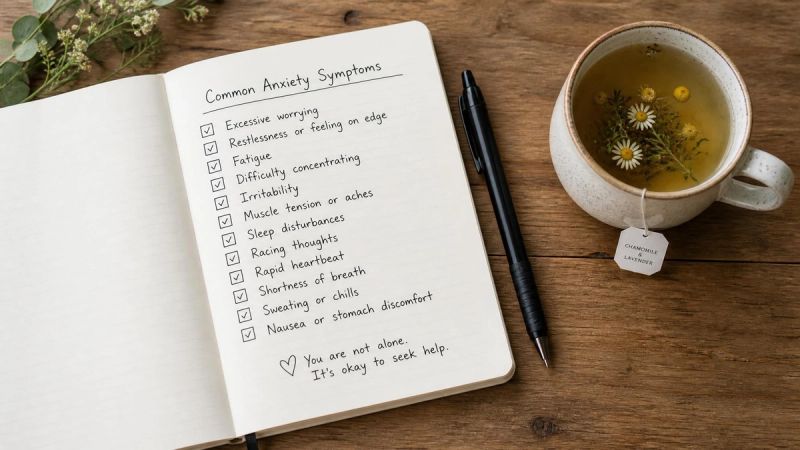
The experience can be mental, physical, or both. Mentally, it often involves racing thoughts, rumination, or a sense of dread about not sleeping. Physically, it can show up as a faster heartbeat, shallow breathing, muscle tension, sweating, or a restless, wired feeling.
Sleep anxiety often overlaps with general anxiety, but it can also exist on its own. Some people feel calm during the day and only become anxious at night. Others have been managing anxiety for years and notice it peaks when the distractions of the day fall away.
A 2022 survey by the Irish Pharmacy Union found that sleep problems were among the most commonly reported health complaints by Irish adults, with stress and worry cited as leading causes. This matters because it shows how common the problem is, and how closely sleep anxiety is tied to the pressures of daily life.
Why the Mind Races at Night
There is a reason worries feel louder at night. During the day, work, conversations, screens, and tasks keep the brain occupied. At night, those distractions disappear. The brain, suddenly quieter, turns its attention to anything unresolved.
This is called the rebound effect. Suppressed worries from the day resurface when there is nothing else to focus on. For people with sleep anxiety, the brain also starts to anticipate the problem before it happens. You worry about not sleeping, which makes you anxious, which makes it harder to sleep, which makes you worry more. This is the sleep anxiety loop.
There are biological factors too. Anxiety activates the sympathetic nervous system, the part of the body responsible for the fight-or-flight response. When this system is active, heart rate increases, muscles tense, and the body produces stress hormones like cortisol and adrenaline. These are useful during the day but they work directly against sleep.

The Difference Between Sleep Anxiety and Insomnia
Sleep anxiety and insomnia are closely related, but they are not exactly the same thing.
Insomnia is a sleep disorder defined by difficulty falling asleep, staying asleep, or waking too early, with daytime consequences. It can have many causes, including pain, medication, depression, lifestyle habits, or stress.
Sleep anxiety is often a cause or a maintaining factor of insomnia. You might start with anxiety about sleep, develop poor sleep as a result, and then develop more anxiety because your sleep is poor. The two conditions feed each other.
If you want a broader overview of insomnia itself, What Is Insomnia? Signs, Symptoms and Causes in Ireland covers the full picture. If your sleep problem has been going on for months, Chronic Insomnia: When Sleeplessness Won't Go Away explains when it becomes a longer-term pattern.
Common Signs of Sleep Anxiety
Sleep anxiety can look different from person to person. Some of the most common signs include:
- Feeling tense or on edge as bedtime approaches
- Racing thoughts that get worse when you lie down
- A fear of not being able to sleep
- Physical symptoms such as a pounding heart, sweating, or shallow breathing
- Feeling wired or overstimulated even when tired
- Avoiding bedtime by staying on your phone or watching TV late
- Checking the clock repeatedly during the night
- Feeling anxious or low the next day after a poor night's sleep
If several of these sound familiar, sleep anxiety may be part of what is keeping you awake.

What Makes Sleep Anxiety Worse
Certain habits and beliefs can strengthen sleep anxiety over time.
Catastrophic thinking about sleep is a big one. This means believing that one bad night will ruin the next day, or that you will never sleep normally again. Thoughts like "I have to get eight hours or I won't cope" can create pressure that keeps the nervous system alert.
Clock-watching is another common trap. Checking the time repeatedly sends a message to the brain that something is wrong. It also turns the bed into a place of monitoring and measurement rather than rest.
Staying in bed awake can reinforce the anxiety. When you spend hours lying awake in bed, your brain starts to associate the bed with wakefulness. Sleep experts often recommend getting up if you have been awake for more than 20 minutes.
Evening screen use can add fuel. Phones and laptops emit blue light that suppresses melatonin, the hormone that helps regulate sleep. Scrolling through news or social media can also trigger emotional responses that make it harder to wind down.
Alcohol and caffeine affect sleep more than people realise. Caffeine can stay in the body for six to eight hours. Alcohol might make you feel drowsy initially, but it disrupts the second half of the night and can increase early morning waking.

Evidence-Based Ways to Calm Sleep Anxiety
The good news is that sleep anxiety responds well to treatment, especially approaches that target the thought patterns and behaviours that keep it going.
Cognitive behavioural therapy for insomnia (CBT-I) is the recommended first-line treatment for persistent sleep problems. Dr. Jennifer Martin, president of the American Academy of Sleep Medicine, has described CBT-I as "the most effective long-term treatment for chronic insomnia" because it addresses the thoughts and habits that maintain poor sleep. At Feel Better Therapy, CBT is used to help people recognise and change the anxious thoughts that fuel sleeplessness.
Sleep restriction is one part of CBT-I. It sounds counterintuitive, but it works by temporarily limiting time in bed to match actual sleep time, then gradually increasing it. This builds sleep pressure and reduces the amount of time spent awake in bed.
Stimulus control means using the bed only for sleep and sex. If you are awake and anxious, you get up, go to another room, and do something calm until you feel sleepy. This helps the brain relearn that bed means sleep, not worry.
Relaxation techniques can reduce physical arousal. Slow breathing, progressive muscle relaxation, body scans, and guided imagery all activate the parasympathetic nervous system, which counters the fight-or-flight response.
Worry time is a cognitive strategy. You set aside 15 to 20 minutes earlier in the evening to write down worries and plan next steps. When worries show up at bedtime, you remind yourself that you have already dealt with them.
You can read more about practical habits in our article on what insomnia is.

When Sleep Anxiety Is Linked to Another Condition
Sometimes sleep anxiety is part of a wider anxiety disorder, depression, or trauma response. Generalised anxiety disorder often includes worry that is hard to control and can spike at night. Panic disorder can cause nighttime panic attacks. Post-traumatic stress can lead to hypervigilance that makes falling asleep feel unsafe.
If sleep anxiety is part of a broader pattern, treating the underlying condition usually improves sleep significantly. Anxiety therapy at Feel Better Therapy can help you understand whether this applies to you and what treatment approach fits best.

Frequently Asked Questions
Is sleep anxiety a real condition?
Yes. Sleep anxiety is a recognised pattern of difficulty sleeping driven by worry and physical arousal. It is often part of insomnia disorder and responds well to treatment.
Why does anxiety get worse at night?
During the day, distractions keep worries in the background. At night, with fewer distractions, suppressed thoughts resurface. The quiet also makes physical sensations like heartbeat and breathing more noticeable, which can trigger more anxiety.
Will sleeping tablets help sleep anxiety?
Sleeping tablets may help in the short term but they do not address the thoughts and habits that keep sleep anxiety going. CBT-I and anxiety-focused therapy are generally more effective for long-term improvement.
How long does it take to overcome sleep anxiety?
Many people notice improvement within a few weeks of consistent practice, especially with CBT-I techniques. Long-standing patterns may take longer, but improvement is usually steady.

You Can Break the Cycle
Sleep anxiety can make bedtime feel like something to dread. But the cycle is not permanent. With the right understanding and the right techniques, your brain can learn to associate bed with rest again rather than with worry.
If sleep anxiety is keeping you awake night after night, talking to a therapist can make a real difference. You can get matched with a therapist through Feel Better Therapy and get support that is tailored to what is keeping you awake.
Related Articles
- Sleep & Insomnia in Ireland: A Complete Guide
- What Is Insomnia? Signs, Symptoms and Causes in Ireland
- Chronic Insomnia: When Sleeplessness Won't Go Away
This article is for informational purposes only and is not a substitute for professional medical advice. If sleep anxiety is affecting your daily life, speak to your GP or a qualified mental health professional.