What Is Insomnia? Signs, Symptoms and Causes in Ireland

Learn what insomnia is, the signs and symptoms, and what causes sleeplessness in Ireland. Find out when poor sleep becomes a problem and how therapy can help.
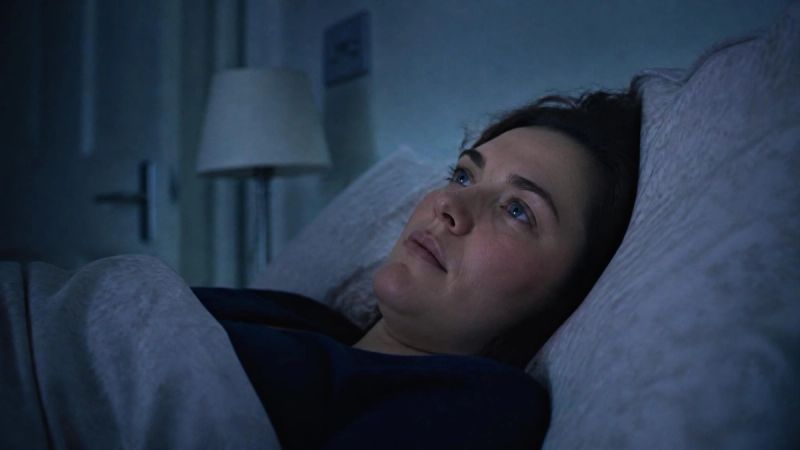
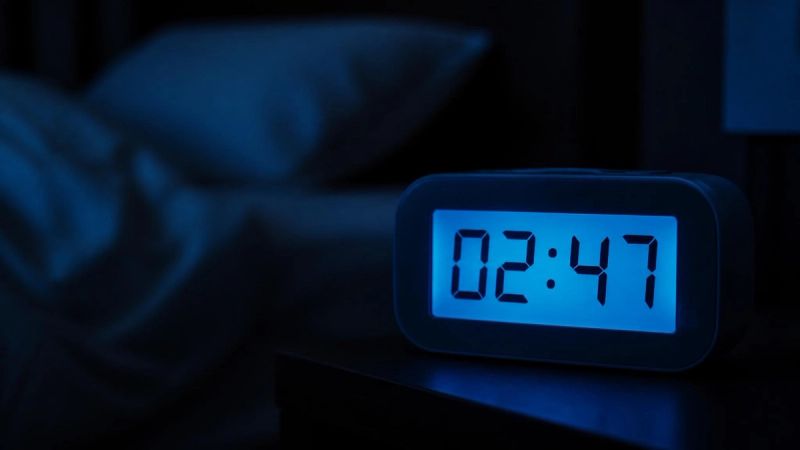
You climb into bed at a reasonable hour, set the alarm, and wait. At first your mind drifts over the day. Then it latches on to tomorrow's meeting, an awkward conversation from three years ago, whether you replied to that email. You check the clock. Midnight becomes one o'clock, then two. By the time you finally fall asleep, the morning already feels too close.
If this sounds familiar, you are not alone. Difficulty sleeping is one of the most common reasons people in Ireland look for mental health support, and it is rarely just about being tired. Insomnia can affect your mood, your concentration, your relationships, and even your physical health. Understanding what it is — and what is driving it — is the first step toward getting proper rest again.
What Insomnia Actually Means
Insomnia is not simply going to bed late or having one bad night. It is a repeated difficulty with getting enough sleep despite having the chance to sleep. That difficulty can show up in three ways: trouble falling asleep, waking up often during the night, or waking too early and being unable to get back to sleep.
The official criteria used by clinicians usually include three things. First, the sleep problem happens at least three nights a week. Second, it has been going on for at least three months in the case of chronic insomnia. Third, it causes problems during the day: fatigue, irritability, difficulty concentrating, or a sense that you are not functioning properly.
Sleep needs vary from person to person. Some adults feel fine on six hours, while others need eight or nine. Insomnia is not defined by a specific number of hours. It is defined by the gap between the sleep you need and the sleep you actually get, plus the impact that gap has on your life.
According to HSE guidance, around one in three adults in Ireland will experience insomnia or significant sleep problems at some stage. It is more common in women, in older adults, and during periods of stress or major life change.
The Different Ways Insomnia Shows Up
People often assume insomnia only means lying awake for hours. In practice, it can take several forms.
Difficulty falling asleep is what most people picture. You get into bed and your mind refuses to switch off. This is sometimes called sleep-onset insomnia. It is especially common when anxiety is involved, because the quiet of bedtime gives worries more room to expand.
Frequent waking is another pattern. You might fall asleep without trouble but wake several times during the night. This is sleep-maintenance insomnia. It can leave you feeling as if you have not really slept at all, even if you spent eight hours in bed.
Early morning waking means waking well before your alarm and being unable to return to sleep. This pattern is often linked to depression or low mood, though it can happen with other conditions too.
Some people experience a mix of all three. The important thing is not which pattern you have, but whether it is happening regularly and affecting your days. Sleep Anxiety: When Worry Keeps You Awake looks at the mental side of this in more detail.
Common Causes of Insomnia in Ireland
There is no single cause of insomnia. Usually several factors combine to keep sleep out of reach.
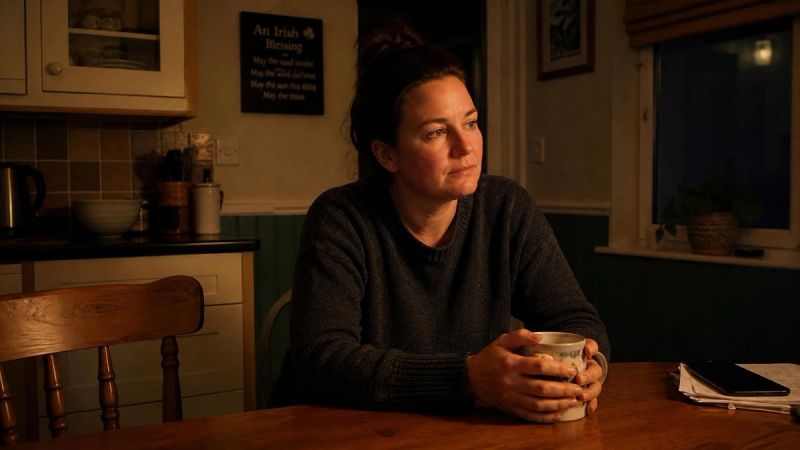
Stress and worry are the most common triggers. A demanding job, financial pressure, relationship problems, or caring responsibilities can all leave the nervous system in a state of alertness that makes rest difficult. This is sometimes called hyperarousal: the body is still running on stress hormones long after the stressful moment has passed.
Anxiety and depression are closely linked to sleep disruption. Anxiety often makes it hard to fall asleep, while depression is more often associated with early waking. The relationship works both ways. Poor sleep can worsen anxiety and depression, and those conditions can make sleep worse in return. If you recognise this cycle, our article on how anxiety and sleep fuel each other may help.
Lifestyle habits matter more than people realise. Irregular bedtimes, heavy evening meals, alcohol, caffeine, nicotine, and screen use can all interfere with the body's natural sleep-wake rhythm. Alcohol might help you nod off, but it usually fragments sleep later in the night. Caffeine can stay in your system for six to eight hours, so an afternoon coffee can still be active at bedtime.
Physical health conditions can also play a part. Chronic pain, asthma, heartburn, restless legs syndrome, hormonal changes, and thyroid problems are common culprits. Some medications, including certain antidepressants, steroids, and blood pressure tablets, can disrupt sleep as a side effect.
Shift work and jet lag confuse the internal clock. People who work nights, early mornings, or rotating shifts often struggle because their sleep schedule conflicts with daylight and social routines.
The sleep environment can be a factor too. A room that is too bright, too warm, too noisy, or too cluttered with work reminders can make it harder for the brain to associate bed with rest.

Acute vs Chronic Insomnia
Not all insomnia is the same. Acute insomnia usually lasts a few days or weeks and is often tied to a specific event: an exam, a bereavement, a job change, or an illness. Once the situation settles, sleep usually returns to normal.
Chronic insomnia lasts longer and tends to take on a life of its own. Even when the original trigger is gone, the habit of poor sleep remains. People start to feel anxious about bedtime, which makes them more alert, which makes sleep harder, which makes them more anxious. This is the insomnia cycle.
You can read more about this pattern in Chronic Insomnia: When Sleeplessness Won't Go Away.
Why Insomnia Should Not Be Ignored
Poor sleep is not just an inconvenience. Over time, it affects almost every system in the body.
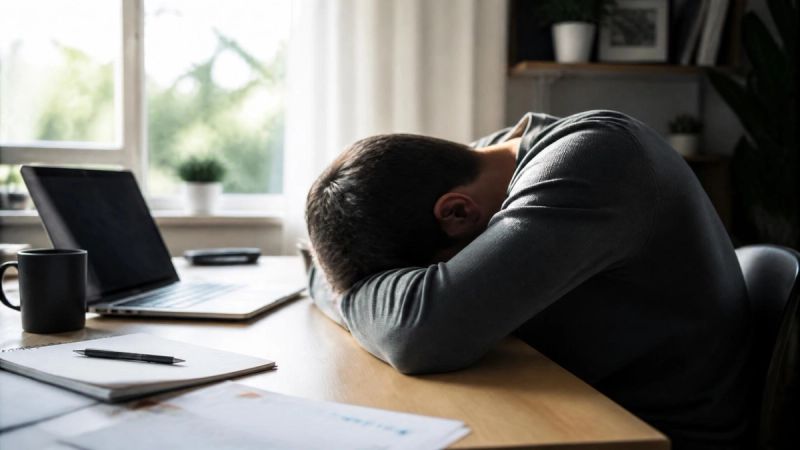
Mentally, sleep deprivation makes it harder to focus, solve problems, and regulate emotions. Small frustrations feel bigger. Decision-making becomes slower and more impulsive. People with chronic insomnia are at higher risk of developing anxiety and depression.
Physically, long-term poor sleep is associated with high blood pressure, weakened immunity, weight gain, and a higher risk of accidents. Driving after a poor night's sleep can be as dangerous as driving over the legal alcohol limit.
Socially, insomnia can shrink your world. You cancel plans because you are exhausted, or because you are worried you will not sleep well before an early start. Over time, this can lead to loneliness and isolation, which then makes sleep worse.
What Actually Helps
The good news is that insomnia is treatable, and the most effective treatments are not always medication.
Cognitive behavioural therapy for insomnia, or CBT-I, is the recommended first-line treatment for chronic insomnia. It focuses on changing the thoughts and behaviours that keep sleep problems going. Breege Leddy, founder of the Insomnia Clinic, notes that CBT-I teaches people "lifelong tools to manage and treat their insomnia." Research consistently shows that CBT-I works as well as, or better than, sleeping pills in the long term.
Sleep hygiene is the set of habits that support good sleep: regular bedtimes, a wind-down routine, limited caffeine and alcohol, and a cool, dark bedroom. Sleep hygiene alone is usually not enough for chronic insomnia, but it forms the foundation.
Addressing the underlying cause is essential. If anxiety, depression, or a physical health condition is driving the insomnia, treating that condition often improves sleep dramatically. At Feel Better Therapy, anxiety therapy and CBT are commonly used to help people break the cycle of worry and poor sleep.

Frequently Asked Questions
How do I know if I have insomnia or just a few bad nights?
Everyone has the occasional sleepless night. Insomnia is when the problem happens often enough and lasts long enough to affect your days. As a rough guide, if you struggle to sleep at least three nights a week for three months, it is worth addressing.
Can insomnia go away on its own?
Acute insomnia often resolves once the trigger passes. Chronic insomnia usually needs a more active approach, especially if you have developed anxiety around sleep or unhelpful bedtime habits.
Is insomnia a mental health condition?
Insomnia can be a sleep disorder in its own right, but it is also closely linked to mental health conditions like anxiety and depression. Sometimes it is the first sign that something else needs attention.
Should I take sleeping tablets?
Sleeping tablets can be useful for short-term insomnia under medical supervision, but they are not usually recommended for long-term use because of dependence and side effects. CBT-I is generally preferred for chronic insomnia.

You Can Get Back to Sleeping Well
Insomnia can feel lonely and frustrating, especially when the world seems to sleep while you are wide awake. But it is a recognised, treatable problem. Whether your sleeplessness is recent or has been going on for months, there are evidence-based ways to improve it. If you would like support, you can get matched with a therapist who understands sleep difficulties and ask specifically about CBT-I.
If poor sleep is affecting your mood, your work, or your quality of life, talking to a therapist can help. You can get matched with a therapist through Feel Better Therapy and start with a proper assessment of what is keeping you awake.
Related Articles
- Sleep & Insomnia in Ireland: A Complete Guide
- Sleep Anxiety: When Worry Keeps You Awake
- Chronic Insomnia: When Sleeplessness Won't Go Away
This article is for informational purposes only and is not a substitute for professional medical advice. If you have persistent insomnia, speak to your GP or a qualified mental health professional.