Sleep & Insomnia in Ireland: A Complete Guide

A complete guide to insomnia in Ireland: causes, types, treatments, CBT-I, medication, pregnancy, and how to start therapy online.
For months, Orla from Limerick had been surviving on broken sleep. She would fall asleep quickly enough, then wake at three in the morning with her mind racing about work, money, and whether she would ever feel rested again. Some nights she managed five hours. Other nights, less. She tried herbal teas, a new mattress, and every sleep tip she found online. Nothing worked for long. She began to wonder whether this was just how life was now.
If Orla's story resonates with you, you are not alone. Insomnia is one of the most common sleep complaints in Ireland, and it can affect every part of life, from mood and concentration to relationships and physical health. The good news is that insomnia is treatable. This guide brings together the key causes, types, treatments, and practical next steps so you can understand what is happening and find the right support.
According to the Health Service Executive (HSE), insomnia is one of the most commonly reported sleep problems among adults in Ireland, with around one in three people affected by disrupted sleep at some point in their lives. For some, it passes on its own. For others, it becomes a persistent problem that needs a structured approach.

How Insomnia Affects Daily Life
The effects of insomnia go far beyond feeling tired. After a poor night's sleep, concentration drops, reaction times slow, and decision-making becomes harder. This can affect work performance, academic results, driving safety, and the ability to manage everyday tasks. Many people describe feeling foggy, detached, or emotionally brittle.
Relationships can suffer too. Irritability from sleep loss can lead to arguments, withdrawal, or reduced patience with children and partners. Social plans may be cancelled because you are too exhausted to engage. Over time, this can create loneliness and a sense that life is narrowing around your sleep problem.
Physical health is also affected. Long-term poor sleep is associated with weakened immunity, weight gain, higher blood pressure, and increased risk of conditions such as type 2 diabetes and cardiovascular disease. Mental health can deteriorate as well, with insomnia strongly linked to depression and anxiety disorders. Treating insomnia is therefore not a luxury. It is a core part of protecting both mental and physical wellbeing.
What Insomnia Actually Is
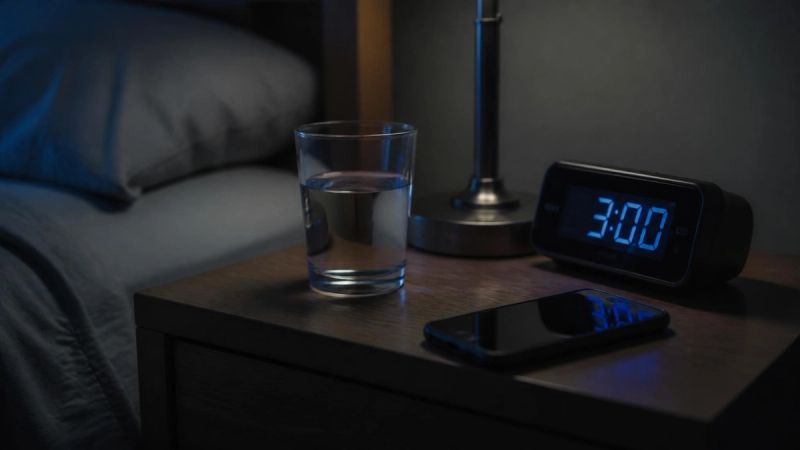
Insomnia is not simply the occasional bad night. It is a repeated difficulty falling asleep, staying asleep, or waking too early and not being able to get back to sleep. To count as chronic insomnia, the problem usually happens at least three nights a week for three months or more and causes noticeable daytime impairment. Even sub-threshold insomnia can still affect your quality of life and is worth addressing early.
There are different patterns. Some people take a long time to fall asleep. Others wake frequently during the night or wake far too early in the morning. Some experience a mix of all three. Understanding your pattern matters because the treatment that helps most can depend on what your nights actually look like.
Common causes include stress, anxiety, depression, irregular schedules, pain, certain medications, caffeine, alcohol, and poor sleep habits. Sometimes insomnia starts after a specific event and then continues because the behaviours around sleep become unhelpful. If you want a deeper look at symptoms and causes, read our guide on what insomnia is and how it shows up in Ireland.
Understanding whether your insomnia is primary or secondary can also guide treatment. Primary insomnia means the sleep problem is the main issue. Secondary insomnia means it is caused or worsened by another condition, such as chronic pain, anxiety, or a medication side effect. In practice, the two often overlap, and good treatment addresses both the sleep problem and anything that is feeding it.
Sleep Anxiety and the Worry Loop
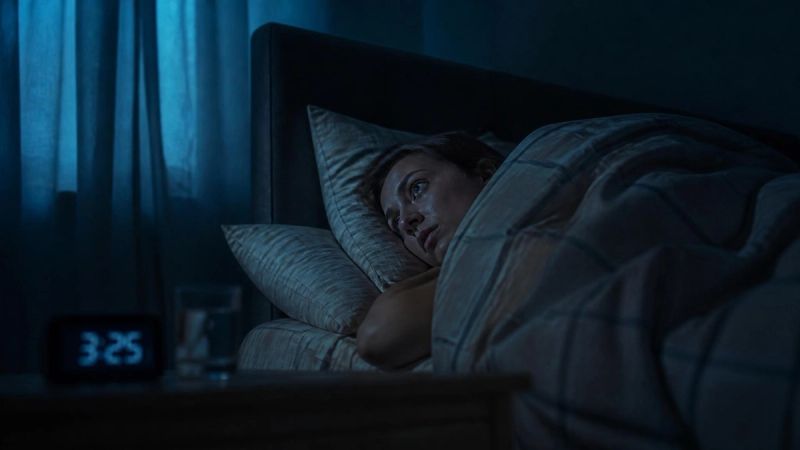
Many people with insomnia develop anxiety about sleep itself. They dread bedtime, worry about how tired they will be tomorrow, or watch the clock calculating how few hours remain. This anxiety activates the nervous system, making sleep even harder to catch. The harder you try to force sleep, the more elusive it becomes.
Sleep anxiety can exist on its own or alongside other forms of anxiety. It often begins after a stressful period and then continues because the bed has become associated with wakefulness rather than rest. Breaking that association is one of the first goals of treatment.
Dr Breege Leddy, founder of the Insomnia Clinic, explains the mechanism clearly: "The more we worry about sleep, the more aroused we become, and the harder it is to sleep. Breaking that cycle requires changing both behaviour and beliefs about sleep." You can read more about this pattern in our article on sleep anxiety and how worry keeps you awake.
When Sleeplessness Becomes Chronic
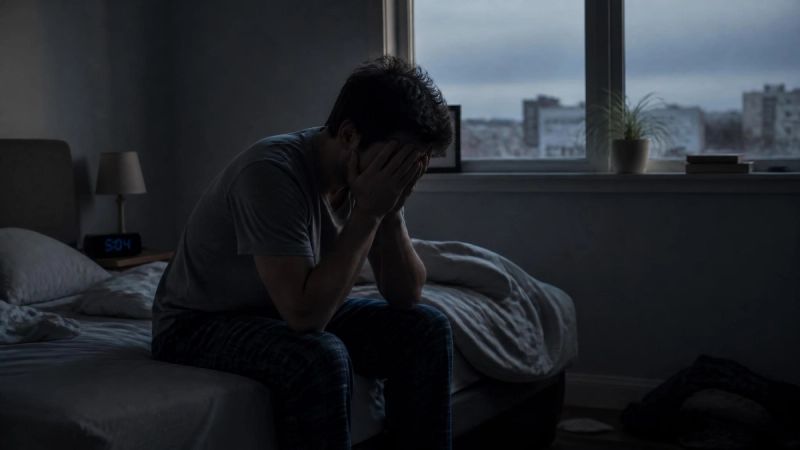
Chronic insomnia is more than a few rough nights. It is a long-term pattern that can lead to low mood, irritability, reduced immunity, difficulty concentrating, and even increased risk of accidents. People with chronic insomnia often feel caught in a cycle where fatigue makes everything harder, and the stress of coping makes sleep worse.
The transition from short-term to chronic insomnia often happens because of unhelpful coping strategies. Lying in bed trying to sleep, napping during the day, going to bed early to catch up, or using alcohol to unwind can all keep the problem going. Chronic insomnia usually needs a structured treatment such as CBT-I rather than quick fixes.
If your insomnia has lasted for months, it is worth taking seriously. Our article on chronic insomnia and when sleeplessness will not go away explains how it develops and what evidence-based treatments help most.
Many people delay seeking help because they believe they should be able to fix it themselves. They try every tip online, blame their willpower, or simply accept exhaustion as part of modern life. This delay often makes the problem harder to treat because the sleep system becomes more deeply conditioned to wakefulness. Early, structured intervention tends to produce faster and more lasting results.

Insomnia and Depression
Insomnia and depression often travel together. Difficulty sleeping can be a symptom of depression, but it can also increase the risk of developing depression. Poor sleep makes emotional regulation harder, negative thoughts louder, and daily life feel heavier. When both conditions are present, treating only one often leaves the other unresolved.
The relationship is bidirectional. Depression can disturb sleep architecture and reduce restorative deep sleep. Insomnia, in turn, can lower mood, reduce motivation, and increase hopelessness. This is why a thorough assessment matters. A GP or therapist can help determine whether depression, insomnia, or both need treatment.
Therapy can address both conditions together. CBT-I improves sleep, which often lifts mood, while approaches such as CBT for depression can target the thoughts and behaviours that feed low mood. Our article on insomnia and depression explores this link in more detail.

Insomnia and Anxiety
Anxiety keeps the body alert. When you go to bed with a racing mind, tight muscles, or a sense of dread, your nervous system behaves as if there is a threat to respond to. That is not a state in which sleep comes easily. Even after falling asleep, anxiety can cause lighter, more fragmented sleep and early morning waking.
Performance anxiety about sleep is particularly common. People worry that they will not sleep, that they will fail the next day, or that their health will suffer. Those worries then produce the very outcome they fear. Treating the anxiety alongside the insomnia is usually more effective than treating either alone.
CBT-I includes techniques for managing night-time worry, such as scheduled worry time and cognitive restructuring. For some people, broader anxiety therapy is also helpful. You can read more in our article on insomnia and anxiety.

Insomnia During Pregnancy
Pregnancy brings physical discomfort, hormonal changes, and anticipation that can all disrupt sleep. Many pregnant women struggle with getting comfortable, needing the toilet frequently, vivid dreams, or anxiety about the baby. While some sleep disturbance is normal, ongoing insomnia during pregnancy deserves attention.
Poor sleep in pregnancy has been linked to increased fatigue, mood difficulties, and in some cases higher risk of complications. Medication options are limited during pregnancy, which makes non-drug approaches especially valuable. Sleep hygiene, relaxation techniques, positional support, and CBT-I adapted for pregnancy can all help.
It is important to talk to your midwife, GP, or obstetric team if sleep problems are severe. Our article on pregnancy insomnia covers the causes, safe strategies, and when to seek extra support.

Sleep Hygiene: Habits That Help
Sleep hygiene refers to the habits and environment that support good sleep. It is not a cure for chronic insomnia on its own, but it creates the conditions in which treatment can work. Key habits include a consistent wake time, limiting caffeine after midday, reducing alcohol, keeping the bedroom cool and dark, and winding down before bed.
Screens are a common culprit. The blue light from phones and laptops can suppress melatonin, and the content we consume can be mentally stimulating. Creating a buffer zone between screen time and bedtime often helps. So does keeping the bed for sleep and intimacy rather than work, scrolling, or watching television.
Small changes add up, but they need to be realistic. A perfect routine that you abandon after a week is less useful than a few consistent habits you can maintain. Our guide to sleep hygiene habits that actually help breaks this down further.
Timing matters as much as activity. Eating a heavy meal late at night, exercising vigorously right before bed, or consuming caffeine in the afternoon can all push sleep later. A regular wake time, even on weekends, anchors your body clock and makes falling asleep at night more predictable. Light exposure during the day, especially morning daylight, also strengthens the circadian rhythm that tells your body when to be alert and when to rest.

CBT for Insomnia (CBT-I)
Cognitive behavioural therapy for insomnia, or CBT-I, is the leading evidence-based treatment for chronic insomnia. It works by changing the thoughts and behaviours that keep insomnia going. Components include sleep restriction, stimulus control, cognitive work, and relaxation training.
Sleep restriction temporarily limits time in bed to build sleep drive. Stimulus control rebuilds the association between bed and sleep. Cognitive work addresses unhelpful beliefs such as "I must get eight hours or I cannot function." Relaxation techniques reduce physical arousal. Together, these tools create lasting change.
Dr Breege Leddy notes that "CBT-I gives people lifelong tools to manage and treat their insomnia." That is why it is recommended as a first-line treatment in many clinical guidelines, including those used in Irish primary care. Our article on CBT for insomnia and how it works in Ireland explains the process step by step.
Sleep Medication vs Therapy
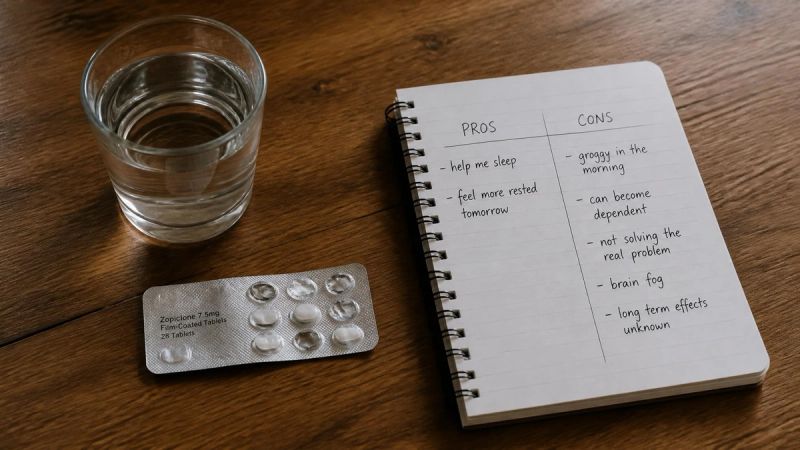
Sleeping tablets can offer short-term relief, especially during crises or while waiting for therapy. However, they are usually not the best long-term solution because of tolerance, dependence, and side effects. The HSE generally recommends using sleeping medication for the shortest time possible.
Research consistently shows that CBT-I produces more durable improvements than medication alone. Medication can help you sleep tonight; therapy teaches you how to sleep well in the future. Some people use both together for a limited time, tapering off medication as therapy takes effect.
The right choice depends on your situation. If your insomnia is recent and linked to a stressful event, short-term medication may be reasonable. If it has persisted for months, therapy is usually the better investment. Our article comparing sleep medication and therapy goes deeper into the evidence.

Starting Insomnia Therapy Online
Online therapy has made specialist insomnia support much more accessible across Ireland. You can work with a trained CBT-I therapist through video calls from your own home, which removes travel time and widens your choice of professionals. The structure is similar to in-person therapy: assessment, treatment plan, weekly sessions, and homework.
Before booking, check that the therapist has specific experience with insomnia and CBT-I. Ask about their qualifications, session format, cost, and whether they offer an introductory call. If you have health insurance, check whether online psychology sessions are covered.
You do not need a referral to start private online therapy, though involving your GP can be helpful if you are taking medication or have other health concerns. Our guide on how to start insomnia therapy online in Ireland walks through the practical steps.

When to Seek Professional Help
It is reasonable to try self-help strategies for a short period, but there are signs that professional support is the better route. If your insomnia has lasted more than three months, happens most nights, or is causing significant distress, speak to a healthcare professional. The same applies if you are relying on sleeping tablets most nights, or if insomnia is accompanied by depression, anxiety, or thoughts of self-harm.
A GP can rule out medical causes such as thyroid problems, sleep apnoea, or medication side effects. They can also refer you to HSE psychology services, sleep clinics, or community mental health teams. If waiting times are long, private or online CBT-I can provide faster access.
Seeking help is not a sign of weakness. It is a practical response to a genuine problem that affects your health, safety, and quality of life. The sooner you get a clear plan, the sooner you can start sleeping better.
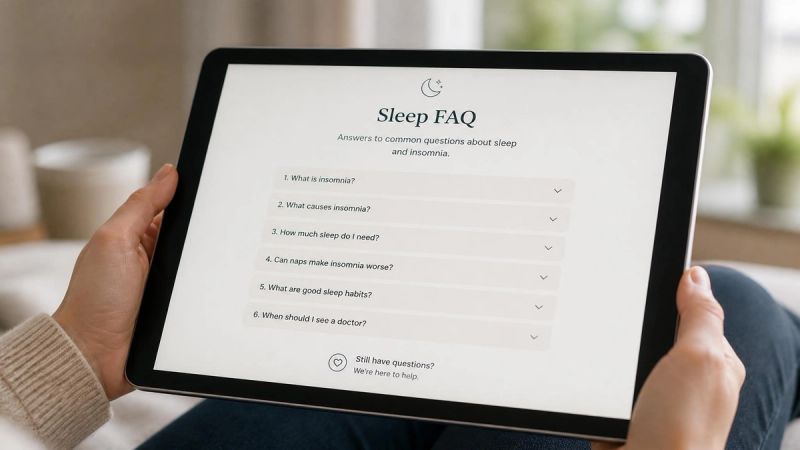
Frequently Asked Questions
How do I know if I have insomnia or just temporary sleep problems?
Insomnia usually involves difficulty falling or staying asleep at least three nights a week for three months, with daytime effects such as fatigue, irritability, or concentration problems. Short-term sleep disruption after stress, travel, or illness is normal and usually resolves on its own.
Is CBT-I available through the HSE?
Some HSE psychology services offer CBT-I, but access varies by area and waiting lists can be long. Your GP can advise on local options. Private CBT-I therapy, including online options, is available more quickly for those who can afford it or have insurance coverage.
Can insomnia go away without treatment?
Mild, short-term insomnia often resolves once the trigger passes. Chronic insomnia is less likely to disappear on its own and tends to respond best to structured treatment such as CBT-I. The earlier you address it, the easier it is to shift.
Should I see my GP first?
Yes, especially if your insomnia is severe, long-standing, or accompanied by low mood, anxiety, or physical symptoms. A GP can check for underlying causes, discuss medication options, and refer you to appropriate services.

Where to Go From Here
Insomnia can feel isolating, but it is a recognised, treatable condition. Whether your sleep problems are recent or have been going on for years, there are practical steps you can take and professional supports available across Ireland.
Start by identifying your pattern and reviewing your sleep habits. If the problem persists, speak to your GP or consider working with a therapist trained in CBT-I. At Feel Better Therapy, you can get matched with a therapist who understands insomnia and can support you through online therapy. You can also learn more about CBT and how it applies to sleep.
You do not have to accept sleepless nights as your normal. With the right information and support, better sleep is possible.
Related Articles
- What Is Insomnia? Signs, Symptoms and Causes in Ireland
- CBT for Insomnia (CBT-I): How It Works in Ireland
- How to Start Insomnia Therapy Online in Ireland
This article is for informational purposes only and does not replace medical advice. If you are in crisis, please contact Samaritans Ireland at 116 123 or your GP out-of-hours service.