Sleep Hygiene: Habits That Actually Help in Ireland

Sleep hygiene isn't just about clean sheets. Learn evidence-based habits that help you fall asleep faster, stay asleep, and wake up rested.
Every night at 11.30 p.m., Declan from Cork would promise himself an early night. He would turn off the TV, brush his teeth, and climb into bed with every intention of sleeping. Then he would pick up his phone to check the weather for tomorrow, which led to a quick scroll through the news, then a reply to a WhatsApp message, then a highlights reel he did not even care about. The next thing he knew, it was 1.15 a.m. and his mind was still humming. He lay there wired, berating himself for doing exactly what he had promised he would not do.
If Declan's bedtime routine feels familiar, you are not weak-willed and you do not need more willpower. Sleep hygiene is not about being disciplined in a moral sense. It is about designing your day, your environment, and your habits so that sleep becomes the natural endpoint rather than a battle you have to fight.
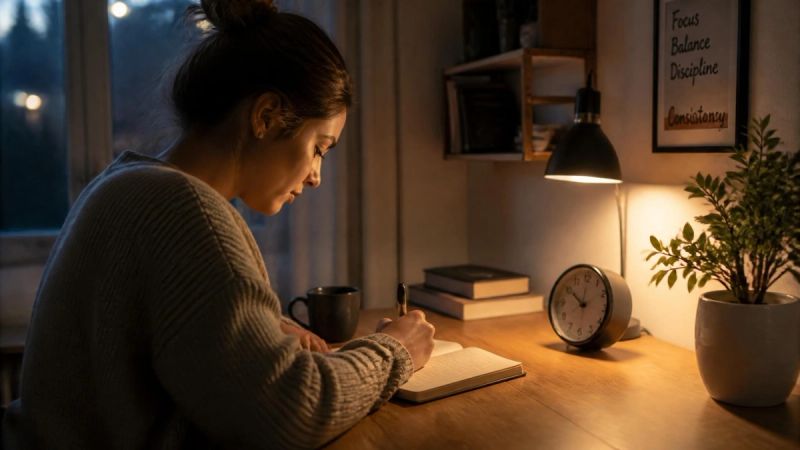
What Sleep Hygiene Actually Means
Sleep hygiene is the collection of habits and environmental factors that influence how well you sleep. It covers what time you wake up, what you do in the hour before bed, how dark and cool your bedroom is, what you eat and drink, and how you manage stress. Good sleep hygiene will not cure every sleep problem, but poor sleep hygiene can make even mild insomnia feel entrenched.
According to the Health Service Executive (HSE), insomnia is one of the most commonly reported sleep problems among adults in Ireland, with around one in three people affected by disrupted sleep at some point in their lives. For many of those people, the sleep environment and daily routines play a bigger role than they realise. Changing a few consistent habits can shift the odds back in favour of rest.
Dr Breege Leddy, founder of the Insomnia Clinic, puts it plainly: "The more we worry about sleep, the more aroused we become, and the harder it is to sleep. Breaking that cycle requires changing both behaviour and beliefs about sleep." Sleep hygiene addresses the behaviour half of that equation. It gives your nervous system reliable cues that it is safe to wind down.
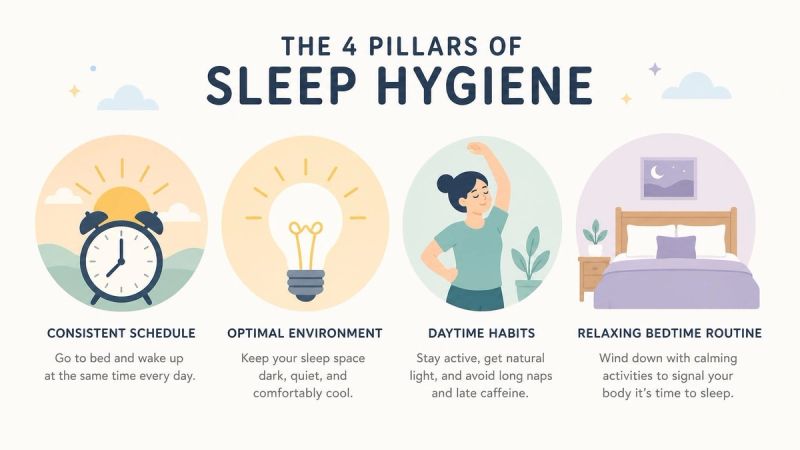
The Four Pillars of Good Sleep Hygiene
1. A Consistent Wake Time
Your body clock thrives on regularity. Going to bed at the same time matters less than waking up at the same time every day, including weekends. A consistent wake time anchors your circadian rhythm, which in turn makes you feel sleepy at a predictable time each evening.
If you are currently sleeping in to catch up on lost sleep, try shifting gradually. Move your wake time earlier by fifteen minutes every few days until you reach your target. Accept that you may feel tired for the first few days. That short-term tiredness is what builds sleep pressure and helps you fall asleep more easily the following night.
2. Light Management
Light is the strongest signal your brain uses to judge whether it is day or night. In the morning, exposure to natural light helps suppress melatonin and makes you feel alert. In the evening, dim lighting allows melatonin to rise and prepares your body for sleep.
In Ireland, this can be tricky during winter when daylight hours are short. Try to get outside within an hour of waking, even for ten minutes. In the evening, reduce overhead lighting and switch off bright screens at least thirty minutes before bed. If you must use a device, use night mode or blue-light filtering glasses, but do not rely on them completely. The mental stimulation of the content matters just as much as the light itself.
3. Wind-Down Routine
A good wind-down routine is not just about doing relaxing things. It is about creating a clear boundary between daytime activity and night-time rest. Choose two or three low-stimulation activities and repeat them in the same order each evening. That might be a warm shower, a few pages of a book, and five minutes of stretching.
Avoid using this time to solve problems, answer emails, or have heavy conversations. Your brain needs to learn that the hours before bed are for downshifting, not for productivity. If worries show up, jot them down earlier in the evening during a short "worry window" so they are less likely to ambush you in bed.
4. Bedroom Environment
Your bedroom should be cool, dark, quiet, and comfortable. Most people sleep best in a room around 16 to 18 degrees Celsius. Use blackout curtains or an eye mask to block streetlight, especially during the long Irish summer evenings. Earplugs or white noise can help if you live near a busy road or have a noisy household.
Reserve the bed for sleep and intimacy only. Working, eating, or scrolling in bed weakens the mental association between bed and sleep. If you have been awake in bed for more than twenty minutes, get up and do something calm in dim light until you feel sleepy again. This prevents your bed from becoming a place where you lie awake and frustrated.
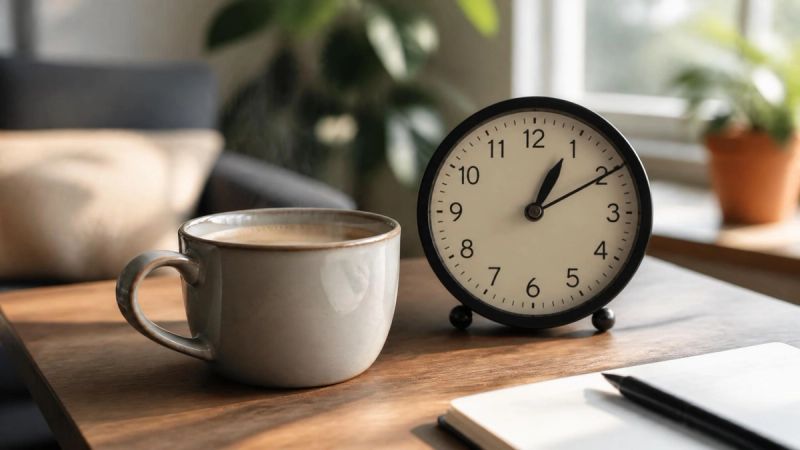
Habits That Surprisingly Matter
Caffeine has a half-life of around five to six hours, which means an afternoon coffee can still be affecting you at midnight. Try to keep caffeine to the morning and early afternoon. Alcohol might make you feel drowsy, but it fragments sleep later in the night and reduces the amount of restorative deep sleep you get.
Heavy meals close to bedtime can trigger reflux and discomfort, while going to bed too hungry can also keep you awake. A light snack with complex carbohydrates and a small amount of protein, such as a banana with a little peanut butter, is usually enough if you need something before sleep.
Exercise is excellent for sleep, but timing matters. Vigorous activity too close to bedtime can be overstimulating for some people. Aim to finish intense workouts at least three hours before bed, though gentle stretching or a relaxed walk in the evening is usually fine.
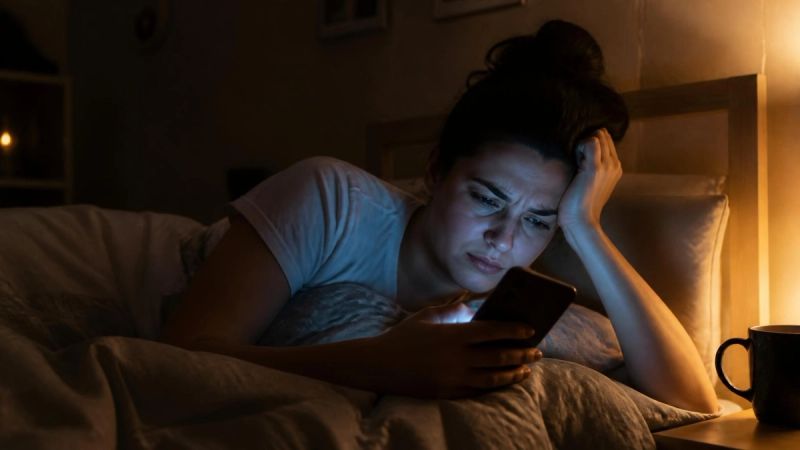
Common Mistakes People Make
The most common mistake is trying to fix everything at once. People download sleep apps, buy expensive supplements, change their mattress, and adopt a ten-step bedtime routine all in the same week. When sleep still does not improve, they conclude that sleep hygiene does not work. In reality, they have simply overwhelmed themselves and made the bedroom feel like a performance space.
Another mistake is treating weekends as a separate timezone. Sleeping in on Saturday and Sunday can cause "social jetlag," where your body clock shifts forward by one or two hours and Monday morning feels brutal. Try to keep your wake time within thirty minutes of your weekday time, even on days off.
Many people also use their bed as a command centre. They answer emails, watch films, and argue with their partner under the duvet. Over time, the bed becomes associated with wakefulness and stress rather than rest. If your bedroom currently doubles as an office or cinema, the single best change you can make is to move those activities elsewhere.
Finally, do not spend too long in bed. If you only need seven hours of sleep but you are in bed for nine, you will spend those extra two hours awake, which strengthens the habit of wakefulness in bed. Match your time in bed to your actual sleep need, then expand it gradually as sleep becomes more efficient.

When Sleep Hygiene Is Not Enough
Sleep hygiene is powerful, but it is not a cure-all. If you have been struggling with insomnia for more than three months, or if sleep problems are causing significant distress during the day, you may need a structured treatment approach. Cognitive behavioural therapy for insomnia (CBT-I) is the gold-standard treatment for chronic insomnia and goes beyond hygiene to address the thoughts and behaviours that keep insomnia alive.
In Ireland, CBT-I is available through some HSE sleep services, private clinical psychologists, and accredited therapists. Waiting lists in the public system can be long, so many people choose private or online options for faster access. You can learn more about CBT to see whether it might suit your situation.

Frequently Asked Questions
Can sleep hygiene cure insomnia?
Sleep hygiene can improve mild or short-term sleep problems and is an important foundation for everyone. However, chronic insomnia usually needs a targeted treatment such as CBT-I. Good habits support recovery but are rarely enough on their own once insomnia has become persistent.
How long does it take to see results from better sleep hygiene?
Some people notice improvements within a few days, especially if their habits were particularly poor. For others, it takes two to four weeks of consistency before the body clock adjusts and sleep becomes more reliable. The key is to stick with the changes even when the results are not immediate.
Is it okay to nap if I am trying to improve my sleep hygiene?
Short naps can be fine, but they can also reduce your sleep drive at night. If you nap, keep it under twenty to thirty minutes and avoid napping after mid-afternoon. If you have insomnia, it is often better to skip naps altogether until your night-time sleep stabilises.
Building a Routine That Sticks
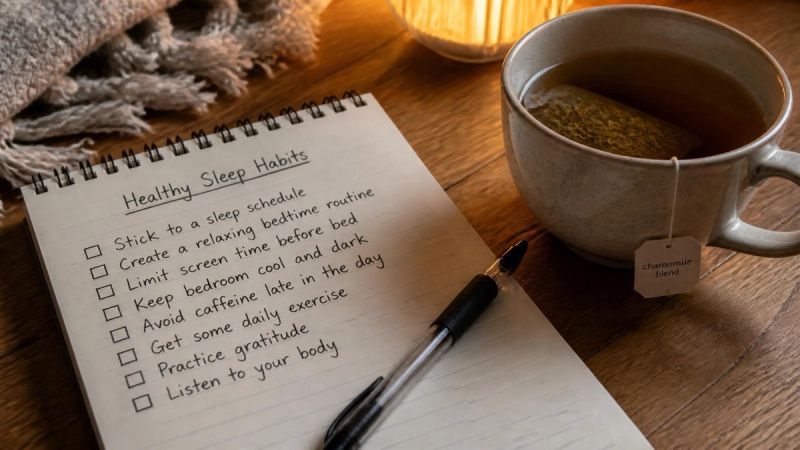
Start with one or two changes rather than overhauling everything at once. The most impactful first steps are usually a fixed wake time, a phone-free wind-down window, and a cooler, darker bedroom. Once those become automatic, you can layer in other habits.
Remember that perfect sleep hygiene does not exist. Life happens. A late night, a deadline, or a restless child will occasionally throw your routine off. The goal is consistency over time, not perfection every single night.
If you have tried improving your sleep hygiene and still feel exhausted, it may be time to speak to a professional. At Feel Better Therapy, you can get matched with a therapist who understands sleep difficulties and can help you build a personalised plan that goes beyond the basics.
Related Articles
- Sleep & Insomnia in Ireland: A Complete Guide
- What Is Insomnia? Signs, Symptoms and Causes in Ireland
- Chronic Insomnia: When Sleeplessness Won't Go Away
- Insomnia and Anxiety: The Vicious Cycle at Night
This article is for informational purposes only and does not replace medical advice. If you are in crisis, please contact Samaritans Ireland at 116 123 or your GP out-of-hours service.