Pregnancy Insomnia: Why You Can't Sleep and What Helps in Ireland

Pregnancy insomnia is common but treatable. Learn what causes sleep problems during pregnancy and which safe treatments and supports are available in Ireland.
At twenty-six weeks, Niamh from Limerick had stopped expecting a full night's sleep. It was not just the baby kicking, although that happened often enough at 3 a.m. It was the heat, the hip ache, the way her mind would latch onto the hospital bag list the moment she rolled over. Some nights she lay there for hours, scrolling through parenting forums on her phone, telling herself she should be grateful, should be resting while she still could. By morning she felt frayed, weepy, and quietly guilty that she was not enjoying the pregnancy she had hoped for.
If Niamh's nights sound familiar, you are not broken and you are not doing anything wrong. Sleep disruption during pregnancy is one of the most common complaints midwives and GPs hear, yet many women assume they simply have to endure it. The truth is more reassuring: there are clear reasons pregnancy steals sleep, and there are safe, practical ways to get more of it.

What Pregnancy Insomnia Actually Looks Like
Pregnancy insomnia is not one single problem. For some people it means difficulty falling asleep. For others it means waking repeatedly, waking too early, or sleeping in short, fragmented bursts that never feel restorative. You might lie awake with a busy mind, a restless body, heartburn, back pain, or an urgent bladder that seems to shrink by the week.
According to the Health Service Executive (HSE), insomnia is one of the most commonly reported sleep problems among adults in Ireland, with around one in three people affected by disrupted sleep at some point in their lives. During pregnancy, those numbers climb higher. Hormonal shifts, physical discomfort, and the emotional adjustment to becoming a parent all layer on top of each other.
Dr Breege Leddy, founder of the Insomnia Clinic, explains the pattern simply: "The more we worry about sleep, the more aroused we become, and the harder it is to sleep. Breaking that cycle requires changing both behaviour and beliefs about sleep." In pregnancy, those worries can be especially potent because they come with real, legitimate concerns about the baby, the birth, and everything that follows.
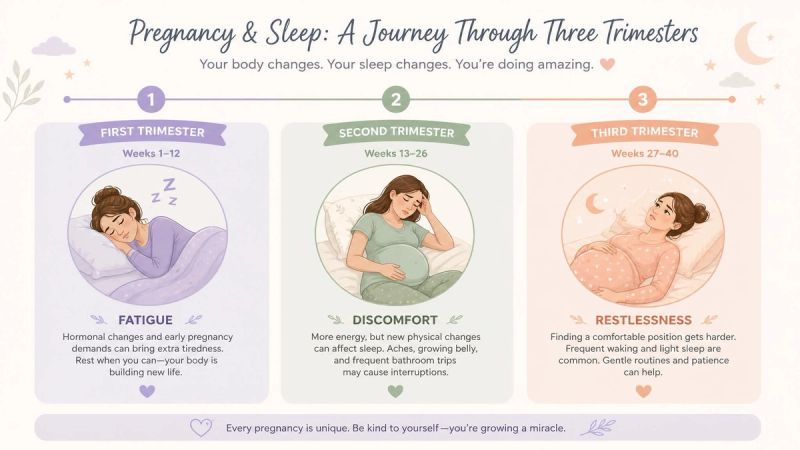
Why Sleep Changes in Each Trimester
Sleep disturbance tends to look different as pregnancy progresses. In the first trimester, rising progesterone often causes deep daytime tiredness but can also fragment night-time sleep. Many people find themselves napping during the day and then wide awake at midnight, which only adds to the frustration.
The second trimester is often the most settled period, although not always. As the bump grows, back and hip pain become more common. Nasal congestion, caused by increased blood flow, can lead to snoring or a feeling of not getting enough air. Restless legs — an uncomfortable urge to move the legs, usually in the evening — affects roughly one in five pregnant women and can make falling asleep feel impossible.
By the third trimester, the challenges multiply. The bladder is compressed, so bathroom trips increase. The baby may be most active at night. Anxiety about labour, breastfeeding, or how life will change can keep the mind racing. Many pregnant people also develop pregnancy-related sleep apnoea or reflux, both of which can wake them repeatedly.

The Hidden Cost of Poor Sleep During Pregnancy
It is easy to dismiss pregnancy insomnia as an inconvenience, but persistent poor sleep can affect both mother and baby. Research has linked chronic sleep disruption during pregnancy with higher levels of daytime fatigue, low mood, and anxiety. In some studies, severe or long-term sleep deprivation has been associated with an increased risk of gestational diabetes, high blood pressure, and longer labour.
The emotional cost matters too. When you are exhausted, everything feels harder. Minor worries become overwhelming. Relationships can feel strained. The excitement that many expect to feel during pregnancy can be replaced by irritability, guilt, or a sense that you are failing before the baby even arrives.
This is why addressing sleep in pregnancy is not a luxury. It is a real, practical form of antenatal care. Better sleep helps with mood, energy, decision-making, and the ability to cope with the physical demands of pregnancy and early parenthood.

What Is Safe to Try
Most pregnant people are understandably cautious about medication, and rightly so. Many common over-the-counter sleep aids are not recommended in pregnancy without medical advice. The good news is that non-drug approaches are often highly effective and are the first-line recommendation from Irish maternity services.
Start with the basics of sleep hygiene adapted for pregnancy. Keep the bedroom cool and dark, since body temperature tends to run higher. Use pillows to support the bump, hips, and lower back — a pregnancy pillow or a regular pillow tucked between the knees can make a surprising difference. Avoid large meals close to bedtime, especially if reflux is an issue, and limit fluids in the last hour or two before sleep to reduce bathroom trips.
Cognitive behavioural therapy for insomnia, known as CBT-I, is considered safe during pregnancy and is recommended by sleep specialists internationally. It focuses on changing the thoughts and behaviours that keep insomnia going. Rather than relying on sleeping pills, CBT-I helps you rebuild confidence in your ability to sleep, set a consistent wake time, and manage the worry that often fuels wakefulness. You can learn more about how CBT works if you are curious about the approach.
Relaxation techniques also have strong evidence. Progressive muscle relaxation, guided breathing, and body-scan meditations can lower physical arousal and make it easier to drift off. Several Irish maternity hospitals and GP practices offer free or low-cost antenatal classes that include relaxation skills. Apps such as HSE-supported or NHS-approved pregnancy sleep resources can also be helpful, though they should complement rather than replace professional support if sleep problems persist.

When to Talk to Your GP or Midwife
You should mention sleep problems to your GP or midwife if they last more than two weeks, are significantly affecting your daytime functioning, or are accompanied by low mood, anxiety, or intrusive thoughts. Sleep and mental health are tightly connected, and treating one often helps the other.
Some symptoms deserve quicker attention. Loud snoring with gasping, severe restless legs, or persistent low mood and loss of interest may point to conditions that need specific treatment. Your GP or maternity unit can assess whether a referral to a sleep clinic, physiotherapist, or perinatal mental health team is appropriate.
In Ireland, you can access support through your maternity hospital, public health nurse, GP, or organisations such as Aware and Pregnancy and Infant Loss Ireland for emotional support. If cost or waiting lists are a barrier, online therapy can be a practical option, particularly for CBT-based approaches that fit around antenatal appointments.
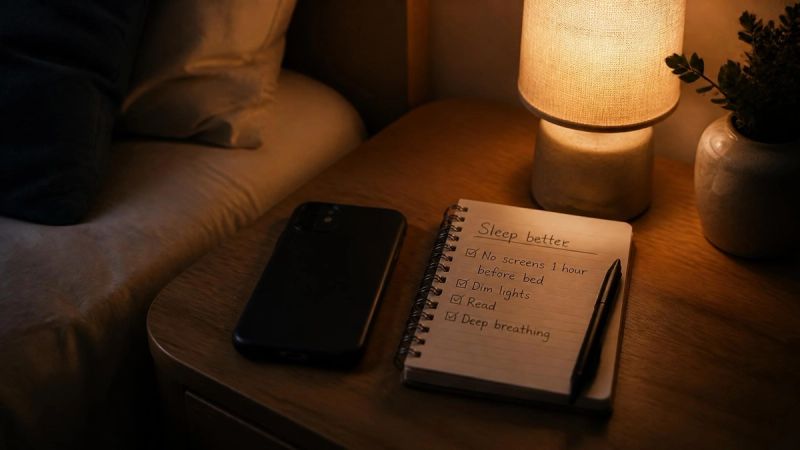
Practical Steps for Tonight
If you are reading this at 2 a.m., here are a few things you can try right now. First, stop checking the clock. Clock-watching increases performance anxiety about sleep and makes wakefulness worse. Turn the clock face away or cover your phone screen.
Second, if you have been awake for more than twenty minutes, get up and do something low-stimulation in dim light. Read a few pages of a bland book, do a simple puzzle, or listen to quiet music. Return to bed only when you feel sleepy again. This retrains your brain to associate bed with sleep rather than with frustration.
Third, keep a consistent wake time even if your night was broken. Sleeping in to "catch up" can shift your body clock and make the next night harder. A short nap in the early afternoon is fine, but try to keep it under thirty minutes and avoid napping after 3 p.m.
Finally, write down worries earlier in the evening. A ten-minute "worry window" after dinner, where you list concerns and the next small step for each, can prevent your mind from rehearsing them in bed.

Frequently Asked Questions
Is insomnia normal during pregnancy?
Yes. Sleep disruption is extremely common during pregnancy, affecting up to three in four people at some stage. It does not mean you are doing anything wrong. The causes are physical, hormonal, and emotional, and there are safe ways to improve sleep without medication.
Can I take sleeping tablets while pregnant?
Most sleep medications are not recommended during pregnancy unless specifically prescribed and supervised by your GP or consultant. This includes many herbal remedies that are marketed as natural. Always check with a healthcare professional before taking anything for sleep in pregnancy.
Will pregnancy insomnia harm my baby?
Occasional poor nights are unlikely to cause harm. However, chronic severe sleep deprivation over many weeks has been associated with pregnancy complications in some studies, which is why it is worth addressing persistent insomnia with your maternity team. The goal is better, more restorative sleep, not perfection.

When to Seek Extra Help
If pregnancy insomnia is leaving you exhausted, anxious, or emotionally low, you do not have to wait until after the baby arrives to get support. Talking to a therapist who understands sleep and perinatal mental health can help you break the cycle and feel more like yourself again.
At Feel Better Therapy, you can get matched with a therapist who understands the unique pressures of pregnancy and early parenthood. Whether you need support with sleep, anxiety, low mood, or simply adjusting to a major life change, help is available from the comfort of your own home.
Related Articles
- Sleep & Insomnia in Ireland: A Complete Guide
- What Is Insomnia? Signs, Symptoms and Causes in Ireland
- Chronic Insomnia: When Sleeplessness Won't Go Away
- Insomnia and Anxiety: The Vicious Cycle at Night
This article is for informational purposes only and does not replace medical or midwifery advice. If you are in crisis, please contact Samaritans Ireland at 116 123 or your maternity hospital's emergency department.