How to Start Insomnia Therapy Online in Ireland

Starting insomnia therapy online in Ireland is straightforward. Learn how online CBT-I works, what to expect, costs, and how to get matched with a therapist.
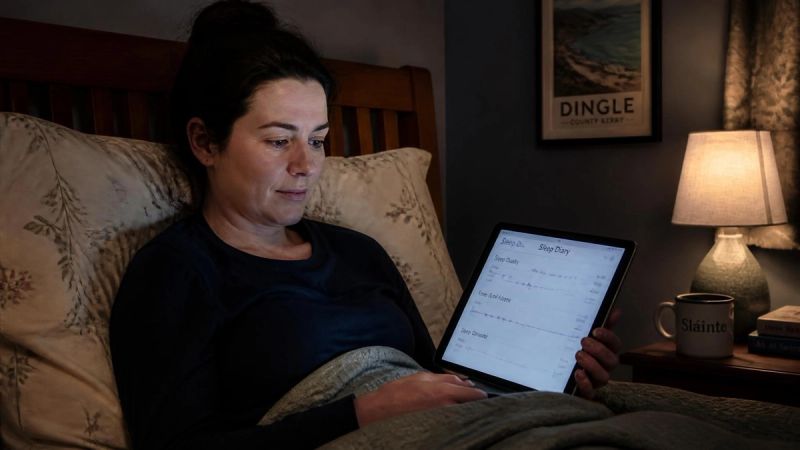
It was half past eleven on a wet Tuesday in Cork, and Niamh was sitting on her sofa with a cup of tea going cold. She had already tried magnesium, a sleep app, and a strict bedtime routine. Nothing had stuck. A friend had mentioned that you could now do insomnia therapy online, but Niamh was not sure what that actually meant. Did she have to video-call a stranger while lying in bed? Would the therapist tell her to stop trying so hard to sleep? She opened her laptop, typed a few searches, and wondered where to begin.
If Niamh's hesitation sounds familiar, you are not alone. The idea of starting therapy for insomnia can feel like a big step, especially when you are already tired and low on patience. The good news is that online therapy makes specialist help far more accessible across Ireland. You do not need to live near a sleep clinic or take time off work to travel to appointments.
What Starting Insomnia Therapy Online Actually Looks Like
Online insomnia therapy usually follows the same structure as in-person CBT-I, just delivered through video calls, secure messaging, or a mix of both. You begin with an assessment where the therapist asks about your sleep history, your current routine, your mood, and anything that might be contributing to the problem, such as anxiety, depression, medication, or lifestyle factors.
From there, the therapist builds a treatment plan tailored to you. That plan might include sleep restriction, stimulus control, cognitive work on unhelpful thoughts about sleep, and relaxation techniques. You typically meet weekly for a number of sessions, with homework between appointments to track your sleep and practise new habits.
According to the Health Service Executive (HSE), insomnia is one of the most commonly reported sleep problems among adults in Ireland, with around one in three people affected by disrupted sleep at some point in their lives. For those whose insomnia has lasted more than a few weeks, access to structured support such as CBT-I can make a significant difference. Online delivery removes some of the practical barriers that stop people from getting that help.
How to Choose the Right Online Therapist or Platform
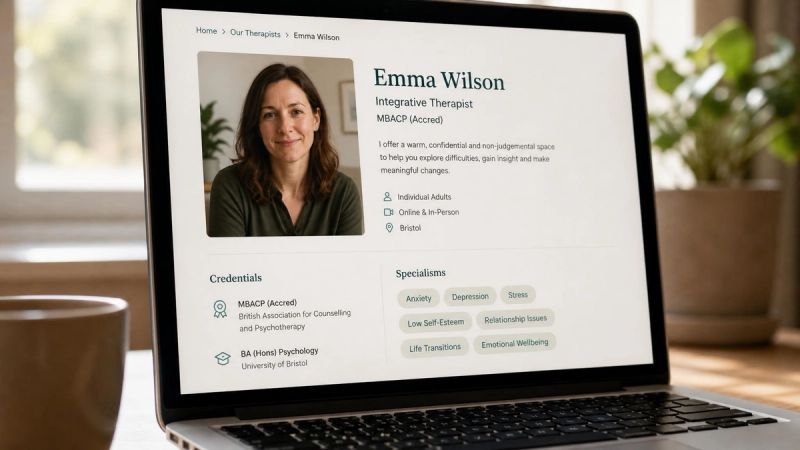
Not every therapist who offers video sessions is trained in CBT-I, so it is worth asking directly about their experience with sleep problems. Look for someone who describes insomnia or sleep disorders as part of their specialism. Accredited psychologists and CBT therapists in Ireland are often registered with the Psychological Society of Ireland (PSI) or the Irish Association for Counselling and Psychotherapy (IACP).
Before you book, consider the practical details. Do you want live video sessions, or would asynchronous messaging suit you better? Are the session times flexible around shift work? Is the platform secure and compliant with GDPR? Does the therapist offer a brief initial consultation so you can see whether the fit feels right?
You can also start with your GP. They can rule out medical causes, discuss whether medication is appropriate, and point you toward HSE or private options. If the public waiting list is long, online therapy through a private service can be a faster route to specialist support.

What Happens in Your First Online Session
The first session is usually a conversation rather than a lecture. The therapist will want to understand your sleep pattern over the past few weeks, what you have already tried, and what your nights currently look like. They may ask you to keep a sleep diary before or after this session so that treatment is based on real data rather than guesswork.
You will also discuss goals. For some people, the goal is falling asleep more quickly. For others, it is staying asleep, reducing night-time anxiety, or cutting down on sleeping tablets. Your therapist will explain how CBT-I works and what the evidence says about it.
Dr Breege Leddy, founder of the Insomnia Clinic, puts it clearly: "CBT-I gives people lifelong tools to manage and treat their insomnia." That is what the first session starts to build. It is not about being told to relax or try harder. It is about understanding the patterns that keep insomnia alive and learning practical ways to change them.

Why Online CBT-I Works
Research consistently shows that CBT-I delivered online is effective for many people with chronic insomnia. A 2019 review published in the British Journal of General Practice concluded that CBT-I should be offered as a first-line treatment for chronic insomnia, and subsequent studies have found that digital and therapist-guided online formats produce similar benefits to face-to-face therapy for a large portion of patients.
The online format has its own advantages. You can attend from your own home, which removes travel time and makes it easier to keep appointments. You can also practise the techniques in the environment where you actually sleep, which helps your therapist fine-tune the plan based on what happens in real time.
That said, online therapy is not ideal for everyone. If you have severe depression, active suicidal thoughts, complex trauma, or a serious physical health condition affecting your sleep, you may need a more multidisciplinary approach. A good online therapist will flag this and help you get the right level of care.

Cost, Access, and Practicalities in Ireland
Cost is a common concern. Private online therapy in Ireland typically ranges from €60 to €120 per session depending on the therapist's qualifications and the platform. Some health insurance plans cover a portion of psychology sessions, so check with your provider. If you have a medical card or are eligible for HSE psychology services, ask your GP about referral pathways, though waiting times can be lengthy.
Online therapy also fits well with rural life. If you live in a county with limited local mental health services, seeing a sleep specialist by video can mean the difference between getting help and waiting months. All you need is a reliable internet connection, a private space, and a device with a camera.
When you are ready, the process can be very simple. At Feel Better Therapy, you can get matched with a therapist who has experience with insomnia and CBT-I. You answer a few questions about what you are looking for, and the matching process helps connect you with someone who fits your needs.
What to Expect in the First Few Weeks
CBT-I often involves a short-term dip before improvement. Sleep restriction, for example, can feel counterintuitive because it temporarily limits your time in bed to build sleep drive. Some people feel more tired for the first week or two before their sleep becomes more solid. Your therapist will guide you through this and adjust the plan if needed.
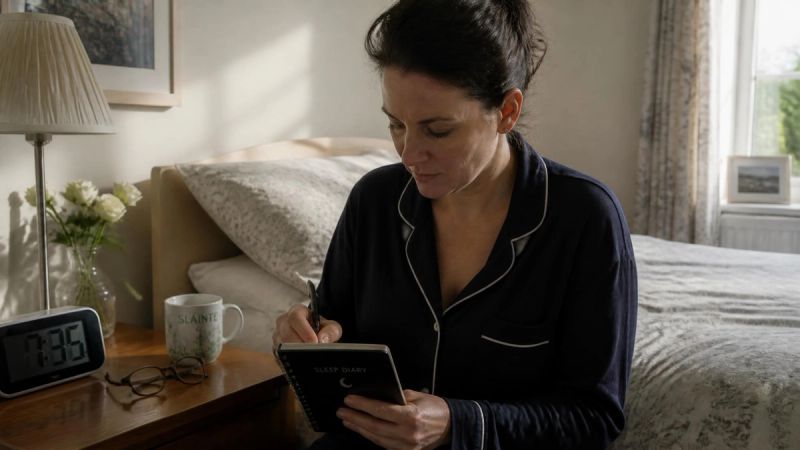
Between sessions, you will usually complete a sleep diary and small tasks. These are not burdensome; they are the data that makes the therapy work. The more accurately you track your sleep, the more precisely your therapist can tailor the treatment.
Most people notice some improvement within four to six weeks, with stronger results after completing a full course of treatment. The skills you learn are designed to last, which means you have tools to manage future sleep disruptions without needing repeated prescriptions.

Questions to Ask Before You Book
It is worth spending a few minutes comparing options before committing. Ask the therapist or platform whether they specialise in insomnia and CBT-I, what their qualifications are, and how many sessions they typically recommend. Check whether they offer a free or reduced-rate introductory call so you can decide if the fit feels right.
You should also ask about cancellation policies, how homework and progress are tracked, and what happens if you need to pause or stop sessions. Good therapists are transparent about these details and will not pressure you into a long package before you are ready. The right choice is the one that feels manageable, professional, and tailored to where you are right now.
Frequently Asked Questions
Do I need a referral to start online insomnia therapy?
No. You can self-refer to most private online therapy services in Ireland. However, it is still a good idea to let your GP know you are seeking help, especially if you are taking sleeping medication or have other health conditions.
Can online CBT-I really work as well as face-to-face therapy?
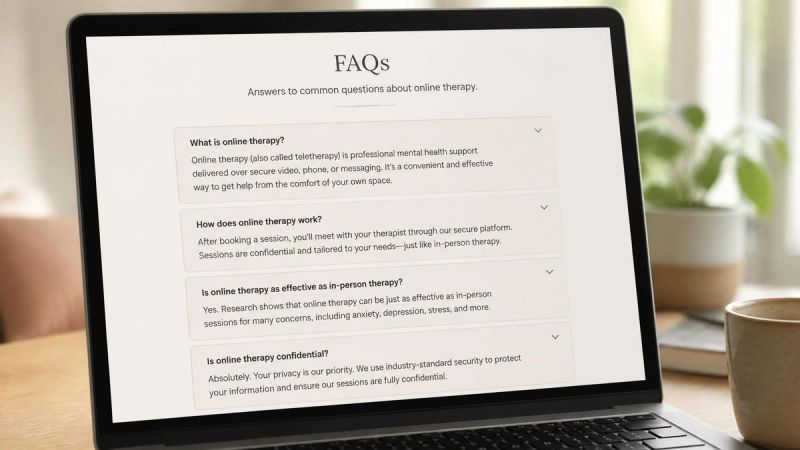
For many people, yes. Research suggests that therapist-guided online CBT-I produces similar outcomes to in-person CBT-I for chronic insomnia. The key is working with someone trained in CBT-I and following the structured plan between sessions.
What technology do I need?
You typically need a smartphone, tablet, or computer with a camera and microphone, plus a stable internet connection. Sessions are held through secure video platforms. You should also have a quiet, private space where you feel comfortable talking openly.

Taking the First Step
Starting therapy for insomnia can feel daunting when you are already exhausted. But the process is more straightforward than many people expect. You do not need to have everything figured out before you reach out. A good therapist will meet you where you are and help you build a plan that fits your life.
If you are ready to stop battling sleepless nights alone, you can learn more about CBT and how it applies to sleep, or get matched with a therapist who can support you through online CBT-I from wherever you are in Ireland.
Related Articles
- Sleep & Insomnia in Ireland: A Complete Guide
- What Is Insomnia? Signs, Symptoms and Causes in Ireland
- CBT for Insomnia (CBT-I): How It Works in Ireland
- Sleep Medication vs Therapy: What the Research Says
*This article is for informational purposes only and does not replace medical advice.